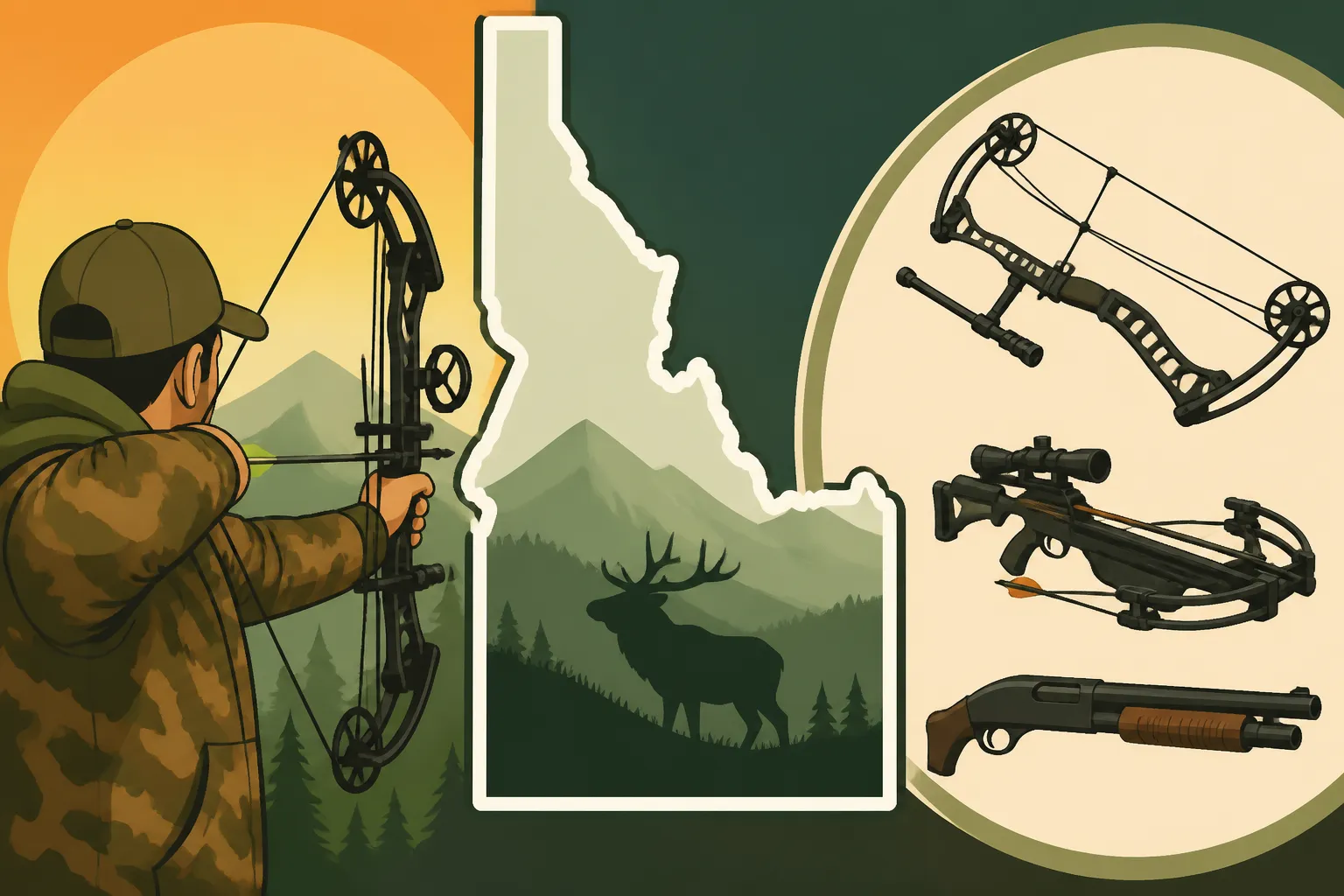
What Counts as a Short-Range Weapon in Idaho
Navigating the intricate world of Idaho's hunting regulations can often feel like trying to hit a moving target – especially when it comes to understanding what exactly qualifies as a "short-range weapon." Many hunters, myself included, have found themselves scratching their heads over the nuances, worried about accidentally breaking a rule that could cost them a tag or worse. This comprehensive guide is designed to cut through that confusion, clearly defining what Idaho considers a short-range weapon and equipping you with the knowledge to hunt legally and confidently in these specific seasons.
Understanding Idaho's Short-Range Weapon Designations
Idaho's Fish and Game department uses the term "short-range weapon" to designate certain types of hunting equipment that are, by their nature, generally effective only at closer distances compared to, say, a high-powered centerfire rifle. This designation isn't just about the weapon itself; it's about the specific seasons and areas where these weapons are permitted, offering unique hunting opportunities and management strategies.
Why "Short-Range" Matters in Idaho Hunting
The concept of "short-range" seasons is a critical component of Idaho's wildlife management. These seasons often take place in specific game management units (GMUs) or during particular timeframes where opportunities might be otherwise limited or where hunting pressure needs to be carefully managed. For instance, some areas might be more densely populated, have different terrain features that favor closer shots, or simply offer a different kind of hunting experience that managers want to preserve.
Often, these seasons provide a chance to hunt in areas or times when general rifle seasons might be closed, or when drawing a general tag is harder. They can extend the hunting calendar, allowing more people to participate while still keeping overall harvest numbers in check by limiting the effective range of weapons. It's not uncommon to find short-range seasons overlapping with parts of the rut for deer or elk in certain units, giving hunters an incredible opportunity that requires a specific skill set. For many, these seasons are a way to access prime hunting ground that would otherwise be overcrowded during a general rifle season, offering a more intimate and challenging experience.
The Core Principle Behind Short-Range Weapon Rules
At its heart, the short-range weapon rule is about promoting fair chase, ensuring hunter safety in certain environments, and influencing herd management by leveling the playing field. By restricting hunters to equipment with a more limited effective range, the Idaho Department of Fish and Game (IDFG) encourages closer engagements with game. This demands a higher level of stalking skill, patience, and woodsmanship. It's a testament to the hunter's ability to get close, read the terrain, and understand animal behavior.
Think about it: a hunter with a bow or a traditional muzzleloader needs to be significantly closer to their quarry than someone with a modern rifle capable of ethical shots out to several hundred yards. This restriction means less "long-bombing" and more strategic hunting. It also plays a role in safety, especially in areas with smaller hunting parcels or higher hunter density, by naturally limiting how far a projectile can travel. For herd management, it allows for more targeted harvest in specific areas or ensures that animals aren't pressured from extreme distances, which can alter their natural movement patterns. In essence, it's about making hunters slow down, connect with the landscape, and truly earn their harvest through skill and effort within a more confined effective range.
Archery Equipment as Short-Range Weapons
When most hunters think of short-range weapons, the first thing that often comes to mind is archery equipment. Bowhunting in Idaho is a time-honored tradition, and for good reason—it pushes hunters to their limits, demanding stealth, patience, and precision. Idaho's regulations for archery equipment are detailed, ensuring ethical and humane hunting practices.
Legal Bow Types and Draw Weights
Idaho’s regulations are quite specific about what constitutes a legal bow for big game hunting. Generally, this includes compound bows, recurve bows, and longbows. Each type has its own feel and demands, but the core requirement revolves around kinetic energy and sufficient power to ethically harvest an animal. For big game like deer and elk, Idaho has a minimum peak draw weight requirement. Specifically, Idaho Requires a 40-Pound Bow at a 28-Inch Draw. This measurement is standardized to ensure that all legal bows possess enough power.
For those curious about the technicalities, How Idaho Measures Draw Weight at 28 Inches involves a specific testing protocol to ensure consistency. This isn't just a number plucked from thin air; it’s a critical factor in ensuring that an arrow has enough force to penetrate an animal sufficiently for a quick, humane kill. Whether you’re shooting a modern compound with high let-off or a traditional longbow, meeting this draw weight minimum is non-negotiable for big game. Ignoring this could lead to a citation and, more importantly, an unethical hunt. Always check your bow's draw weight, especially after making adjustments or if you're using a new setup, to ensure it complies with the current regulations.
Arrow and Broadhead Regulations for Archery Seasons
Beyond the bow itself, the arrow and broadhead you choose are equally important and subject to strict rules in Idaho's archery seasons. When it comes to broadheads, Idaho requires that they be fixed-blade or mechanical/expandable types with at least two cutting edges. The critical aspect is that they must have a minimum cutting diameter of 7/8 inch. This rule is in place to ensure a wide enough wound channel for effective blood loss and a rapid, ethical harvest. Using broadheads that are too small or designed solely for target practice is not only illegal but irresponsible.
The regulations also clarify the legality of other components. For instance, many modern archers appreciate the visibility that lighted nocks provide, especially for tracking arrow flight in low light. Good news: Whether Lighted Nocks Are Legal for Bowhunters in Idaho is yes, they are generally allowed. Similarly, mechanical release aids have become standard equipment for many compound bow users, improving accuracy and consistency. If you're wondering, Are Release Aids Allowed for Archery Hunting? in Idaho, the answer is also yes. These tools are seen as aids to precision, not as giving an unfair advantage. However, always double-check the current year's regulations as these rules can occasionally be updated.
Crossbow Legality in Short-Range Archery Seasons
This is where things can get a little tricky and often cause confusion among hunters. In Idaho, crossbows are generally NOT considered legal during archery-only seasons for big game. This is a common point of misunderstanding because many states differentiate between archery equipment and crossbows. Idaho regulations specifically define "bow" in a way that excludes crossbows from general archery seasons. The rationale often stems from the different mechanics and capabilities of crossbows, which can have longer effective ranges and different loading procedures than traditional bows.
However, there's a nuance. Crossbows Inside Idaho Short-Range Weapon Seasons can be legal if the season is designated broadly as a "short-range weapon" season that includes firearms like shotguns and muzzleloaders, and the rules explicitly state crossbows are allowed. This is rare for pure "archery-only" designations. More commonly, a hunter with a documented disability may be eligible for a special permit to use a crossbow during an archery-only season. These permits are issued on a case-by-case basis after review by the IDFG. For the average hunter without such a permit, during any season specifically labeled "archery-only," stick to traditional bows. Always, and I mean always, consult the current Idaho regulations booklet for the specific hunt unit and hunt code you are applying for or planning to hunt, as the wording can be very precise.
Muzzleloaders and Their Short-Range Status
Muzzleloaders hold a special place in the hearts of many hunters, offering a blend of traditional challenge and modern reliability. In Idaho, these firearms are a designated short-range weapon, but like archery gear, they come with a distinct set of rules that emphasize their traditional nature and limited range.
Defining a Legal Muzzleloader for Idaho Short-Range Seasons
When Idaho designates a "muzzleloader-only" or "short-range weapon" season, it's not just any muzzleloader that qualifies. The regulations are specifically crafted to encourage the use of more traditional platforms, which inherently have a shorter effective range and demand more skill. The key characteristics of a legal muzzleloader for these seasons include:
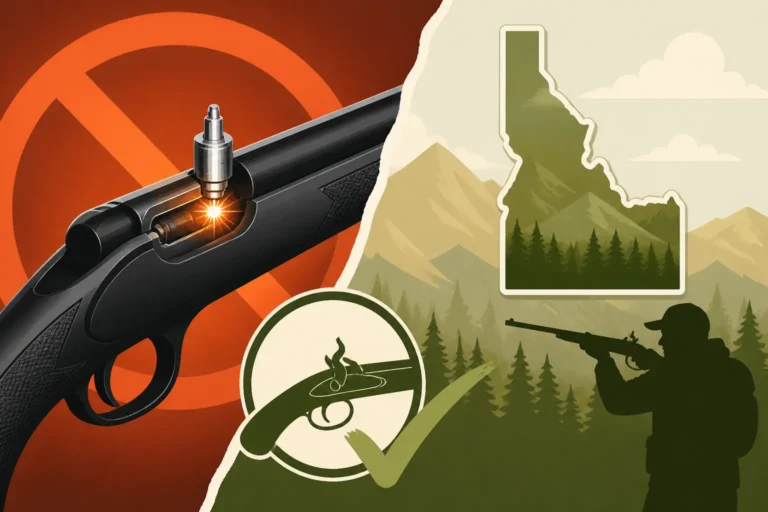
- Exposed Ignition: This is crucial. Your muzzleloader must have an exposed ignition system, meaning a percussion cap or a flintlock. This explicitly rules out modern inline muzzleloaders that use enclosed primers, like 209 shotshell primers, because these systems offer more reliable ignition in adverse weather and often pave the way for more modern designs. The exposed cap is a nod to tradition and a practical limitation on performance.
- No Scopes: During muzzleloader-only seasons, optical scopes are strictly prohibited. You must use open sights or peep sights. This is perhaps one of the most defining restrictions, forcing hunters to get closer and rely on their natural aiming ability. This rule is a major factor in Why Idaho Muzzleloader-Only Hunts Ban Scopes and Inline Ignition. It ensures the "short-range" aspect of the hunt is maintained, preventing muzzleloaders from competing directly with the longer-range capabilities of scoped rifles.
- Single Projectile: Muzzleloaders must be loaded with a single projectile, not shot.
- Loading: The projectile must be loaded from the muzzle.
These regulations ensure that muzzleloader seasons truly offer a traditional hunting experience, requiring hunters to master the unique characteristics of their firearm and develop greater stalking and marksmanship skills at closer distances.
Caliber Minimums and Projectile Rules
Just like with bows, there are specific caliber minimums for muzzleloaders when hunting big game in Idaho, designed to ensure a humane harvest. These minimums are tied to the species you're pursuing:
- For deer, the Minimum Muzzleloader Caliber for Idaho Deer is .45 caliber.
- For elk, the Minimum Muzzleloader Caliber for Idaho Elk jumps up to .50 caliber.
- Larger species like moose and bighorn sheep require a .50 caliber or larger, again ensuring adequate power and penetration.
When it comes to projectiles, you'll generally be limited to patched round balls or conical bullets. Sabots, which encase a smaller bullet, are sometimes permitted but hunters must verify this in the specific unit and hunt code regulations, as rules can vary. The projectile must also be loaded from the muzzle, along with loose powder (black powder or an approved substitute like Pyrodex or Triple Seven). Modern pelletized powders are generally allowed, but again, always consult the regulations for any specific restrictions related to the hunt you're participating in. The goal is to maintain the traditional aspect of muzzleloader hunting, focusing on skill over modern conveniences. It's a rewarding challenge, but one that demands attention to detail.
Muzzleloader-Only vs. General Short-Range Seasons
Understanding the distinction between "muzzleloader-only" seasons and broader "short-range weapon" seasons where muzzleloaders are also allowed is vital for avoiding a violation.
A muzzleloader-only season is the most restrictive. During these periods, only legal muzzleloaders (as defined with exposed ignition, no scopes, etc.) are allowed. No bows, no shotguns, no rifles. These seasons are specifically designed to give muzzleloader enthusiasts a dedicated hunting opportunity under traditional constraints. If you plan to hunt one of these, you'll need to ensure your muzzleloader meets every single one of Idaho's strict requirements, especially concerning sights and ignition type. This is also when you'd typically need a muzzleloader validation on your license.
On the other hand, some seasons might be designated as "short-range weapon" seasons. These seasons generally permit a wider array of weapons, which can include legal muzzleloaders, but also archery equipment and shotguns loaded with slugs. In these scenarios, the strict "no scope" rule for muzzleloaders might still apply, or it might be relaxed depending on the specific language of the regulation. It's crucial to read the specific hunt code and unit details in the IDFG regulations to determine exactly which weapons are permitted. For instance, if a season is simply "short-range weapon," and you intend to use a muzzleloader, you might not always need a special muzzleloader validation if that weapon is being used during an open season that allows it without specific additional endorsements. When No Muzzleloader Validation Is Needed usually clarifies these specific situations, often when a muzzleloader is used during a general "any-weapon" or broader "short-range" hunt. The key takeaway: the more specific the season (e.g., "muzzleloader-only"), the stricter the rules. Always consult the Idaho Fish and Game regulations for the exact season you are targeting to be 100% compliant. This information is meticulously laid out by GoHunt in their unit profiles, making it easy to filter and understand.
Shotguns and Their Role as Short-Range Weapons
While bows and muzzleloaders often dominate discussions about short-range hunting, the shotgun also plays a significant role in Idaho, particularly for big game in specific short-range seasons. However, its use is highly regulated, primarily concerning the type of ammunition.
Shotgun Caliber and Ammunition Restrictions
For a shotgun to be considered a legal short-range weapon for big game in Idaho, it must be loaded with slugs. This is a non-negotiable requirement. You cannot use buckshot, birdshot, or any other type of scattered shot for big game animals like deer or elk during these seasons. The reason is simple: slugs are a single, heavy projectile designed to deliver enough kinetic energy and penetration for a humane kill on large animals, while shot spreads out and lacks the individual energy needed.
This is why the discussion around Shotgun Slugs and 00 Buck as Short-Range Weapons is so important. While "00 buck" might sound formidable, it's still multiple pellets and therefore illegal for big game. Shotguns, typically 12-gauge or 20-gauge, are the most common for these purposes. You can use smoothbore shotguns or those with rifled barrels specifically designed for slug accuracy. Always ensure your ammunition box clearly states "slugs" and that you're not mistakenly carrying or using any form of buckshot when pursuing big game in Idaho. Violating this rule is a serious offense and could result in fines and the loss of hunting privileges.
Effective Range Considerations for Shotguns
One of the primary reasons shotguns with slugs are classified as short-range weapons is their inherently limited effective range compared to rifles. While modern slug technology has certainly improved accuracy, pushing ethical ranges out further than in decades past, a shotgun slug is generally considered effective and accurate out to about 100-150 yards. Beyond that, accuracy drops off significantly, and the projectile's energy can diminish to a point where an ethical kill is no longer assured.
This means that when hunting with a shotgun and slugs, your hunting strategy must be tailored to close encounters. You'll need to focus on stalking, still-hunting, or ambushing game at relatively close distances. Understanding your shotgun's capabilities is paramount. This isn't just about what the box says; it's about your accuracy with your specific setup. Spend time at the range, practicing at various distances within that 150-yard window. Understand your slug's trajectory, especially the drop at extended ranges. Using quality slugs, and even considering a low-magnification scope or red dot sight specifically designed for shotguns, can vastly improve accuracy and confidence within that effective range, making you a more ethical and successful short-range hunter.
Special Considerations and Exemptions for Short-Range Weapons
While Idaho's regulations for short-range weapons are generally clear-cut, there are always unique circumstances or broader contexts that hunters need to be aware of. These can include provisions for disabled hunters or the critical difference between short-range specific seasons and general any-weapon seasons.
Disabled Hunter Permits and Weapon Exceptions
Idaho Fish and Game recognizes that not all hunters have the same physical capabilities, and they have provisions in place to ensure that individuals with disabilities can still participate in hunting. For those with specific, documented physical impairments, the IDFG offers the opportunity to apply for special weapon permits. These permits can sometimes grant an exemption from certain weapon restrictions, allowing a disabled hunter to use equipment that would otherwise be prohibited during specific seasons.
A prime example often involves crossbows. As discussed, crossbows are generally not allowed during archery-only seasons for able-bodied hunters. However, a hunter with a permanent disability that prevents them from drawing and holding a traditional bow may apply for a permit to use a crossbow during these seasons. The application process typically involves submitting medical documentation from a physician detailing the nature and extent of the disability. The IDFG reviews these applications carefully, and if approved, the permit allows the individual to utilize the approved weapon while still adhering to all other season-specific regulations. It’s an essential program that fosters inclusivity and ensures hunting remains accessible to a wider community.
General Any-Weapon Seasons vs. Short-Range Specific Seasons
This distinction is perhaps one of the most important concepts to grasp when planning your Idaho hunt. It dictates what weapons you can carry into the field.
General Any-Weapon Seasons: These are the most permissive seasons. During a general any-weapon season, all legal hunting weapons are permitted. This means you can use a centerfire rifle, a shotgun with slugs, a muzzleloader, or archery equipment. If your hunt code indicates an "any-weapon" season, you are free to choose the weapon that best suits your style, the terrain, and the species. It's the broadest category and often applies to many general big game hunts across the state. This is when you can confidently grab your trusty rifle without worrying about short-range restrictions.
Short-Range Specific Seasons: These seasons are, by definition, restrictive. They limit hunters to only those weapons designated as "short-range." This typically includes legal archery equipment (compound bows, recurves, longbows), legal muzzleloaders (exposed ignition, no scopes), and shotguns loaded with slugs. During these seasons, using a centerfire rifle is strictly prohibited. The specific weapon types allowed will always be explicitly listed in the hunt regulation booklet for each hunt code. This distinction is critical because bringing a rifle into a short-range only season will result in a violation, even if you don't fire a shot. Always double-check the Idaho Controlled Hunt Calendar, April Through August and the specific hunt code in the current regulations to ensure you're compliant. Knowing the difference empowers you to choose the right gear for the right time and place.
Navigating Idaho's Regulations and Planning Your Hunt
Understanding the definitions of short-range weapons is just the first step. The real challenge comes in applying that knowledge to Idaho's dynamic hunting landscape and ensuring you're compliant with ever-changing regulations. Careful planning and utilizing the right resources are absolutely essential for a successful and legal hunt.
Where to Find the Most Up-to-Date Regulations
The absolute, undisputed source for current Idaho hunting regulations is the Idaho Department of Fish and Game (IDFG). There is simply no substitute for reading their official materials. Every year, IDFG publishes comprehensive hunting season and rules booklets, often separated by big game, upland birds, and waterfowl. These are available in both digital PDF format on their website and as physical copies at license vendors, IDFG offices, and many sporting goods stores across the state.
My strong recommendation is to download the current year's Big Game Seasons and Rules pamphlet and read it thoroughly, paying particular attention to the "Definitions" section and the specific regulations for the hunt unit and hunt code you are interested in. Don't rely on information from last year, or hearsay from a friend; rules can and do change annually. While valuable resources like GoHunt (which offers excellent tools for filtering hunt opportunities) compile and interpret these rules, always cross-reference with the official IDFG documents. This isn't just about legality; it's about being an informed, responsible hunter.
Using the Idaho Hunt Planner for Short-Range Opportunities
The Idaho Fish and Game's online Hunt Planner is an incredibly powerful, yet sometimes underutilized, tool for anyone looking to hunt in the Gem State, especially when seeking short-range opportunities. For many, The Idaho Hunt Planner Is the Tool to Start With when researching potential hunts. This interactive map and database allows you to filter hunts by species, weapon type (including specific short-range weapon designations), game management unit (GMU), and season dates.
Here's how to maximize its potential for short-range hunts:
- Select Your Species: Choose what you're hoping to hunt (e.g., elk, deer).
- Filter by Weapon: Look for options like "Archery," "Muzzleloader," or "Short-Range Weapon" in the filter criteria. This will immediately narrow down the thousands of hunt codes to only those relevant to your weapon choice.
- Explore Hunt Units: Browse the map to see which units offer these short-range seasons. You can click on individual units to see a detailed list of all open hunts within that unit, including specific dates, weapon restrictions, and tag types.
- Check Drawing Odds and Harvest Statistics: The Hunt Planner often links directly to drawing odds and historical harvest statistics for each hunt code. This is invaluable data to help you gauge your chances and the potential for success in a short-range season. Many hunters use external platforms like GoHunt that integrate with this data, providing even more refined analysis and filtering capabilities, helping you sort through the units with high public land percentages and low pressure.
- Review Public Land Percentages: Understanding public land access is crucial for any DIY hunt. The planner, or layers available through GoHunt, can show you the percentage of public land within each unit, helping you identify areas with good access for your short-range hunt.
- Verify All Details: Once you've identified a promising short-range hunt, click on the specific hunt code and carefully read all the associated rules, including antler point restrictions, specific weapon definitions, and any other nuances. This diligence is what separates successful, compliant hunters from those who face issues in the field.
Gear Considerations for Short-Range Hunting
Hunting with short-range weapons requires a specific mindset and, often, a slightly different gear setup than a general rifle hunt. Because you're aiming for closer encounters, emphasis shifts from long-range precision to stealth, tracking, and close-quarters accuracy.
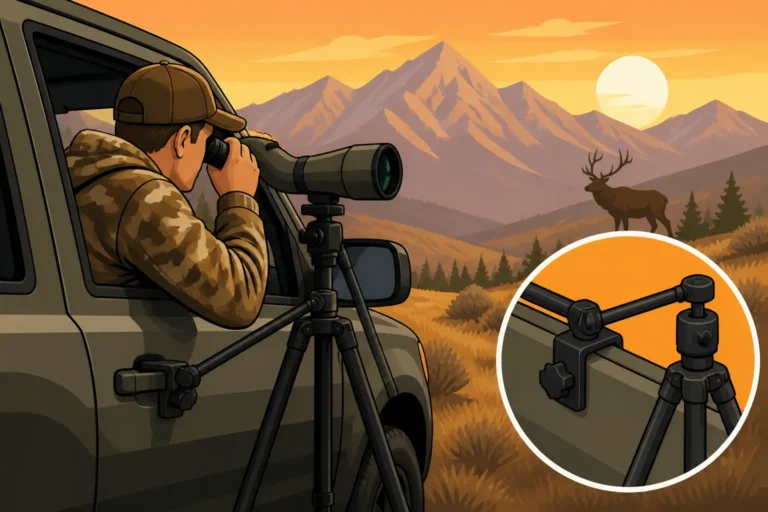
For archery hunting, this means focusing on silent movement. Your clothing should be quiet, your boots broken in for silent stalking, and your bow accessories free of any squeaks or rattles. A good rangefinder is non-negotiable for accurate shot placement within your effective bow range. Quality binoculars or a compact spotting scope can help identify game from a distance before initiating a stalk. How Close a Bowhunter Needs to Get on Elk is much closer than with a rifle, meaning physical conditioning for silent movement and patience is paramount.
Muzzleloader hunters will need to carry their powder, projectiles, and ignition sources securely and keep them dry. A cleaning kit for quick field swabs is also a smart addition. Like archery, a rangefinder is key, as the trajectory of a muzzleloader projectile is significantly different from a modern rifle. Optics are usually limited to open or peep sights, so practice with these to understand your limitations.
For shotgun hunters using slugs, the focus is similar. Practice with your chosen slugs to understand their ballistic curve. While some shotgun hunters opt for iron sights, a low-power scope or a red dot sight can dramatically improve accuracy within the effective range of slugs.
Across all short-range weapon types, good camouflage, scent control, and a focus on wind direction are crucial. You are trying to bridge the gap between yourself and the animal, which means minimizing your presence. A quality map and GPS app (like those offered by GoHunt or onX Hunt) are invaluable for navigating terrain, identifying cover, and planning your approach. The challenge and reward of closing the distance on an animal with a short-range weapon is an experience that many hunters cherish, but it demands thorough preparation in every aspect of your gear and strategy.
Short-Range Weapon Summary Table
To help bring all this information together, here's a quick overview of what generally counts as a short-range weapon in Idaho, their typical effective ranges, and key considerations. Remember, this is a general guide; always consult the current IDFG regulations for specific hunt codes.
| Weapon Type | Legal in Short-Range Seasons (Generally) | Key Restrictions | Typical Ethical Effective Range | Notes |
|---|---|---|---|---|
| Compound Bow | Yes | Minimum 40 lb. draw weight at 28" for big game; broadhead rules. | 40-70 yards | Lighted nocks and release aids allowed. Crossbows generally not for archery-only seasons. |
| Recurve/Longbow | Yes | Minimum 40 lb. draw weight at 28" for big game; broadhead rules. | 20-40 yards | Requires significant practice and skill. |
| Muzzleloader | Yes | Exposed ignition (percussion/flintlock), no scopes in muzzleloader-only seasons. | 100-150 yards | Min. .45 for deer, .50 for elk. Loose powder/pellets, single projectile. |
| Shotgun | Yes | Slugs only for big game. No buckshot or birdshot. | 75-150 yards | Rifled barrels or optics can extend accuracy. |
| Crossbow | No (for archery-only) | Generally requires a disabled hunter permit for archery-only seasons. | 40-60 yards | May be allowed in broader "short-range weapon" seasons if specified in regulations. |
Disclaimer
Please remember that hunting regulations are complex and subject to change annually. The information provided in this guide is for general informational purposes only and should not be considered legal advice. It is your sole responsibility as a hunter to consult and comply with the most current and official Idaho Department of Fish and Game regulations before participating in any hunting activity. Always purchase the official rule books and check for any updates or changes directly from the IDFG website.