What Makes Unit 39 Popular
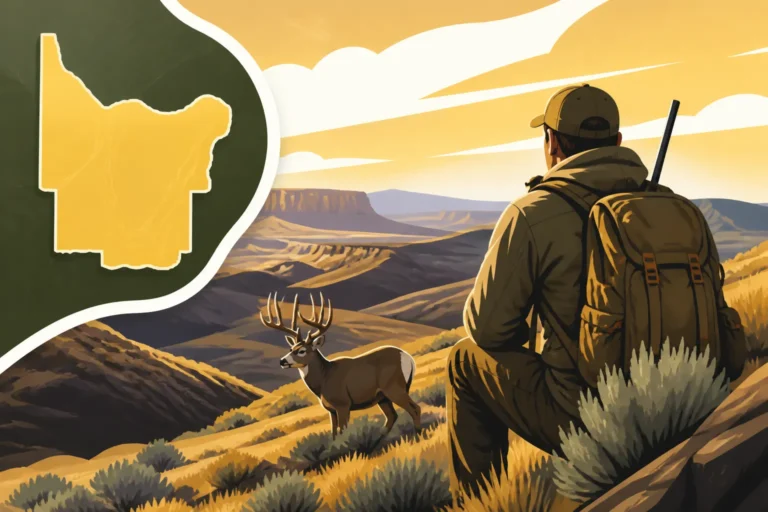
Finding productive hunting ground in Idaho that does not require a six-hour drive or an expensive backcountry flight can feel like an endless puzzle for both local and out-of-state hunters. Unit 39 solves this problem by offering massive public land access, thriving big game populations, and remarkable proximity to major population centers. This guide breaks down why Unit 39 remains one of the most sought-after game management units in the state, exploring its geography, wildlife herds, tactical hurdles, and key access regulations.
The Proximity and Access of Unit 39
Unit 39 consistently ranks among the most heavily hunted areas in Idaho, and its location is the primary driver behind that popularity. Situated directly in Boise’s backyard, it wraps around the Treasure Valley and extends up into the Boise National Forest. For thousands of hunters, the ability to sleep in their own bed, drive less than an hour, and be sitting on a glassing knob before first light is an overwhelming advantage.
Proximity to Boise and Major Infrastructure
The sheer convenience of Unit 39 cannot be overstated. Because the unit borders the state’s largest metropolitan area, it caters perfectly to working adults, weekend warriors, and hunters looking for quick evening trips after work. Highways like Highway 21 and Highway 51 carve directly through or along the unit’s borders, granting immediate access to secondary Forest Service roads and trailheads. This dense road network creates unmatched convenience, making it one of the most accessible Units Near Boise Within a Day Trip.
However, this accessibility comes with a trade-off. The same highways that make your morning drive effortless also bring high vehicle traffic, recreational users, and heavy hunting pressure during peak weekends. You are rarely the only person parked at a turnout along the Boise River drainages. Successful hunters learn to accept this reality and use the road network merely as a launching pad to hike deeper into the drainage systems where animals retreat.
Public Land Density and Road Networks
Unlike many Western hunting units where private land holdings create access bottlenecks, Unit 39 is predominantly public land. The vast majority of the unit falls within the Boise National Forest, alongside acreage managed by the Bureau of Land Management (BLM) and the state. This expansive public footprint means you rarely have to worry about finding a place to set up camp or execute a stalk.
The road system within the national forest ranges from paved highways to rough, high-clearance dirt tracks. While these roads allow hunters to haul trailers into high-elevation camps, they also dictate game movement. Big game in Unit 39 quickly learn where vehicle noise concentrates. To find mature bucks and bulls, you often need to identify roadless pockets, steep canyons, or inventoried roadless areas where motorized vehicles cannot go.
UNIT 39 HUNTING OVERVIEW & TERRAIN BREAKDOWN
| Elevation Zone | Primary Cover Type | Target Species | Tactical Focus |
|---|---|---|---|
| Low Sage/River | Sagebrush, Bitterbrush | Mule Deer (Late) | Glassing Benches |
| Mid-Elevation | Ponderosa, Brush | Elk, Mule Deer | Ridge-Top Stalks |
| High Timber | Douglas Fir, Spruce | Elk, Bear | Dark Timber Still |
Navigating Complex Topography
The terrain in Unit 39 is remarkably diverse and deceptive. Elevation starts relatively low along the Boise River and Arrowrock Reservoir, featuring dry, rolling sagebrush hills and bitterbrush draws. As you travel north and east, the landscape rapidly transforms into rugged mountains, deep creek drainages, and thick timber stands reaching high ridge lines.
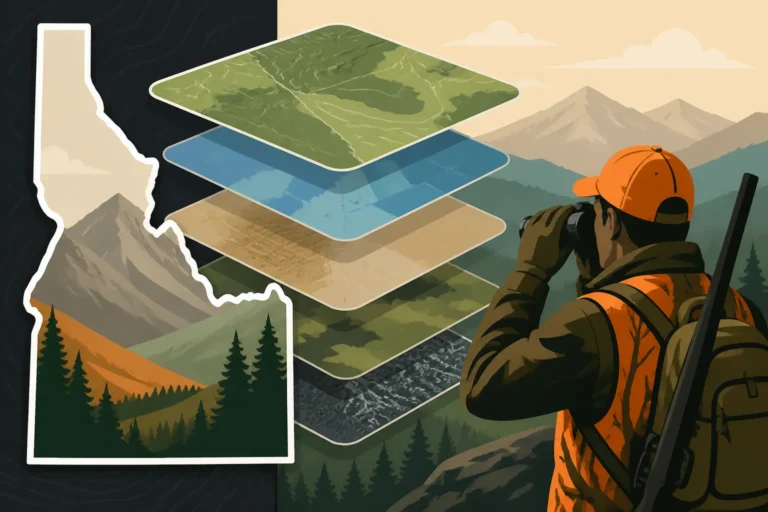
Understanding these topographical transitions is vital for pinpointing game throughout the season. Early in the autumn, animals take advantage of cool, dark timber pockets at higher elevations. As freezing temperatures set in and snow packs the high country, herds migrate downward toward the sagebrush river bottoms. Navigating these steep elevation shifts requires spatial awareness, and using mobile mapping apps like onX Hunt allows hunters to overlay elevation contours, forest boundaries, and canopy density to spot hidden benches before stepping foot on the trail.
Diverse Big Game Opportunities and Tag Availability
Another reason Unit 39 holds legendary status among Idaho hunters is the diversity and volume of game it supports. It is not strictly a deer unit or an elk unit; it is a high-density area for both species, along with strong populations of black bear, mountain lion, and upland game.
Mule Deer Herds and High-Success General Hunts
Unit 39 is widely recognized for hosting one of the largest mule deer herds in the state. The habitat provides excellent winter range down low and rich summer forage up high, allowing deer numbers to stay strong despite heavy harvest numbers. General season deer tags in this unit give hunters a generous window to pursue bucks across varying terrain.
During the early archery and general weapon seasons, glassing open brush slopes early in the morning and late in the evening is the primary tactic. Hunters who practice Glassing Breaks and Benches for Mule Deer often catch bucks moving between feeding areas on high ridges and bedding spots in brushy draws. While Unit 39 produces plenty of young, legal bucks for the freezer, mature trophy bucks do exist—they simply hide in the steepest, most uninviting brush canyons where casual day-trippers rarely go.
Elk Management and A Tag versus B Tag Strategies
Elk hunting in Unit 39 is managed under the Sawtooth Elk Zone, a area that draws intense interest every year. Understanding How Idaho Elk Zones Sit on Top of the Units is critical when selecting your tag. General season elk hunters must choose between an A Tag or a B Tag, each offering different weapon choices and season timing.
- A Tag: Generally favors archery hunters and muzzleloader enthusiasts, allowing for hunting during the peak September rut when bulls are vocal in the timber.
- B Tag: Traditionally caters to centerfire rifle hunters, opening later in the autumn when elk have gathered into larger herds and begun shifting toward wintering areas.
Regardless of which tag you choose, Unit 39 elk require sweat equity. The elk in this unit experience constant human pressure, making them exceptionally nocturnal once the shooting starts. Finding success means dropping into deep, brushy drainages or hunting thick timber patches near water sources far away from active forest roads.
Bear, Lion, and Secondary Species
Beyond deer and elk, Unit 39 offers incredible spring and fall black bear hunting opportunities. The unit’s massive berry crops, brushy creek bottoms, and high timber draws create ideal bear habitat. Spring bear hunters frequently glass sunny, greening hillsides along major river drainages as bears emerge from their dens.
In addition to bear opportunities, predator hunters target mountain lions throughout the winter months when snow conditions allow for tracking. The abundance of prey species keeps lion numbers healthy. For multi-species hunters, carrying an extra bear or wolf tag during the general deer or elk season is a smart way to turn a quiet morning into an unforgettable harvest.
Tactical Challenges and Hunting Pressures in Unit 39
While the convenience and game density of Unit 39 make it attractive, those same factors create distinct tactical challenges. If you enter the unit expecting a quiet, solitary wilderness experience right off the highway, you will likely be disappointed. Managing human pressure and adapting your tactics is mandatory.
Managing Opening Weekend Pressure and Crowds
On opening weekend of the general rifle deer season, the sheer volume of hunters in Unit 39 can feel overwhelming. Campsites fill up days in advance, dust clouds hang over main forest roads, and glassing points are often occupied before dawn. To consistently tag game under these conditions, you must learn to use hunter pressure to your advantage.
Instead of fighting the crowds along popular ridge roads, position yourself above heavy brush draws or thick escape cover where bumped animals are likely to flee. When casual hunters start walking back to their trucks at mid-morning, game gets pushed out of open parks and into deep canyons. Staying in the field during the middle of the day and watching natural escape corridors often yields opportunities at animals put on the move by other hunters.
Weather Shifts and Late-Season Migrations
Weather plays an oversized role in Unit 39 hunting dynamics. Early season hunts are often hot and dry, forcing animals to stay hidden in dark timber until the last minutes of light. In these conditions, water sources and north-facing slopes become focal points.
As the season progresses into late October and November, heavy mountain snowstorms can transform the unit overnight. Deep snow packs the high ridges, pushing thousands of mule deer and elk out of the high country and down toward the low-elevation sagebrush hills near Arrowrock and Lucky Peak reservoirs. Hunters who monitor weather forecasts and hit the field immediately following a major cold front often catch migrating animals crossing open country in daylight.
Digital Scouting and E-Scouting Workflows
Because Unit 39 covers such a expansive area, showing up without a plan usually leads to wasted gas and tired legs. Modern hunters rely heavily on e-scouting to narrow down their search before ever leaving home. Taking time for E-Scouting an Idaho Unit Before the Season allows you to identify glassing points, dark timber bedding areas, and subtle terrain features that block vehicle access.
Using research tools like GoHunt helps hunters analyze draw odds, historical harvest success rates, and pressure trends across specific season structures. Once you have narrowed down a candidate drainage, cross-referencing topographic layers and aerial imagery on onX Hunt helps you map out foot trails, verify land ownership boundaries, and locate hidden springs that hold game away from main roads.
Key Regulations and Access Rules to Remember
Navigating Unit 39 safely and legally requires strict adherence to state hunting regulations and forest travel rules. Idaho Fish and Game enforces specific laws designed to protect habitat, prevent game harassment, and ensure fair chase.
The Motorized Hunting Rule in Unit 39
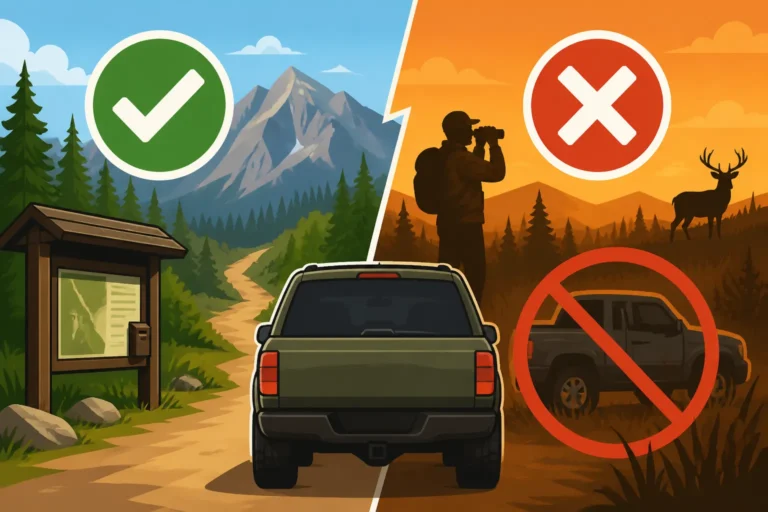
One of the most crucial regulations affecting Unit 39 is the Motorized Hunting Rule. Designed to prevent off-road habitat destruction and protect wildlife from constant vehicle disturbance, this rule imposes strict limits on where you can operate motorized vehicles—including trucks, ATVs, UTVs, and e-bikes—while hunting.
Under Idaho’s Motorized Hunting Rule Keeps You on the Road, hunters are prohibited from driving off established, designated roads to scout, hunt, or stalk game. Crucially, this rule also applies after an animal is down. Hunters frequently ask if they can ride a quad into a meadow to pick up a downed buck or bull, but regulations are clear: there is no motorized exception for game retrieval. Understanding Why You Cannot Drive to Retrieve Downed Game saves hunters from heavy fines and ensures everyone respects the landscape. If you drop an animal in a deep canyon, you must pack it out on foot or with pack stock to the nearest legal road.
Private Property Inholdings and Boundary Lines
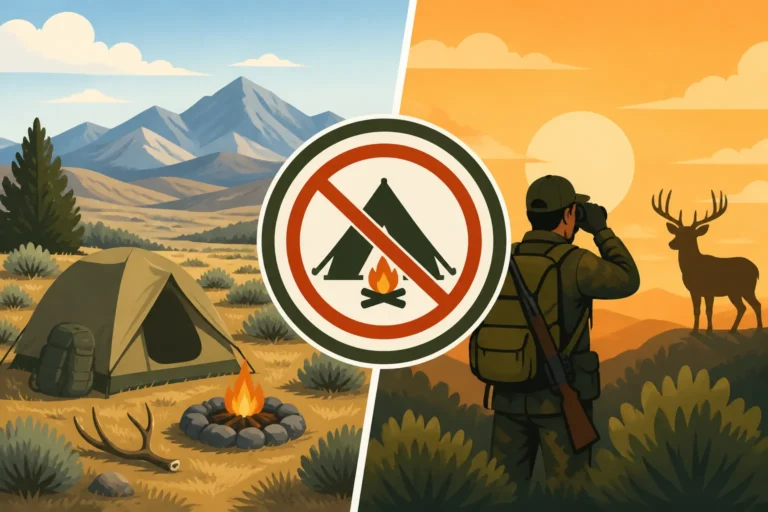
Although Unit 39 is predominantly public land, there are numerous private land inholdings scattered throughout the unit. These include historical mining claims, private ranches in river bottoms, and timberland parcels. It is the hunter’s responsibility to know their location at all times and avoid trespassing.
Many private landowners in Unit 39 post their property clearly, but land does not need to be fenced or marked to make trespassing illegal. Using a GPS mapping app with updated parcel boundaries ensures you stay on the legal side of the fence. If an animal you shoot crosses onto private property, you must obtain landowner permission before entering the property to retrieve it.
Chronic Wasting Disease and Mandatory Sampling
In recent years, wildlife managers have increased disease monitoring across southern and central Idaho. Depending on the specific year and harvest zone rules, mandatory sampling or voluntary check stations may be active along major transit corridors leaving Unit 39. Knowing Where Idaho CWD Sampling Stations Are allows you to plan your drive home accordingly, ensuring you submit required biological samples and properly handle carcass transport according to state guidelines.
To maximize your success in Unit 39, focus on preparation, physical conditioning, and smart map work. By understanding game migration patterns, respecting motorized access laws, and hiking past the easy-access roads, you can unlock the outstanding hunting opportunities this iconic unit has to offer.
Disclaimer
This article is for general informational purposes only and does not constitute professional advice. Laws, prices and regulations vary by location and change over time. Consult a qualified professional for guidance on your specific situation.