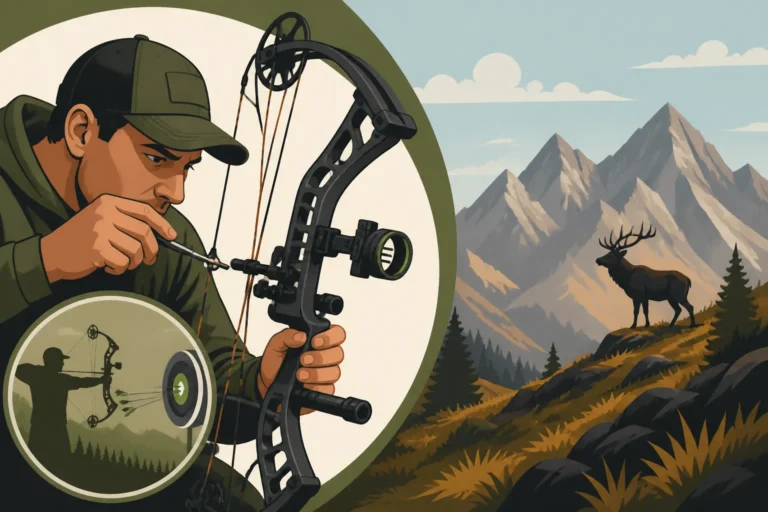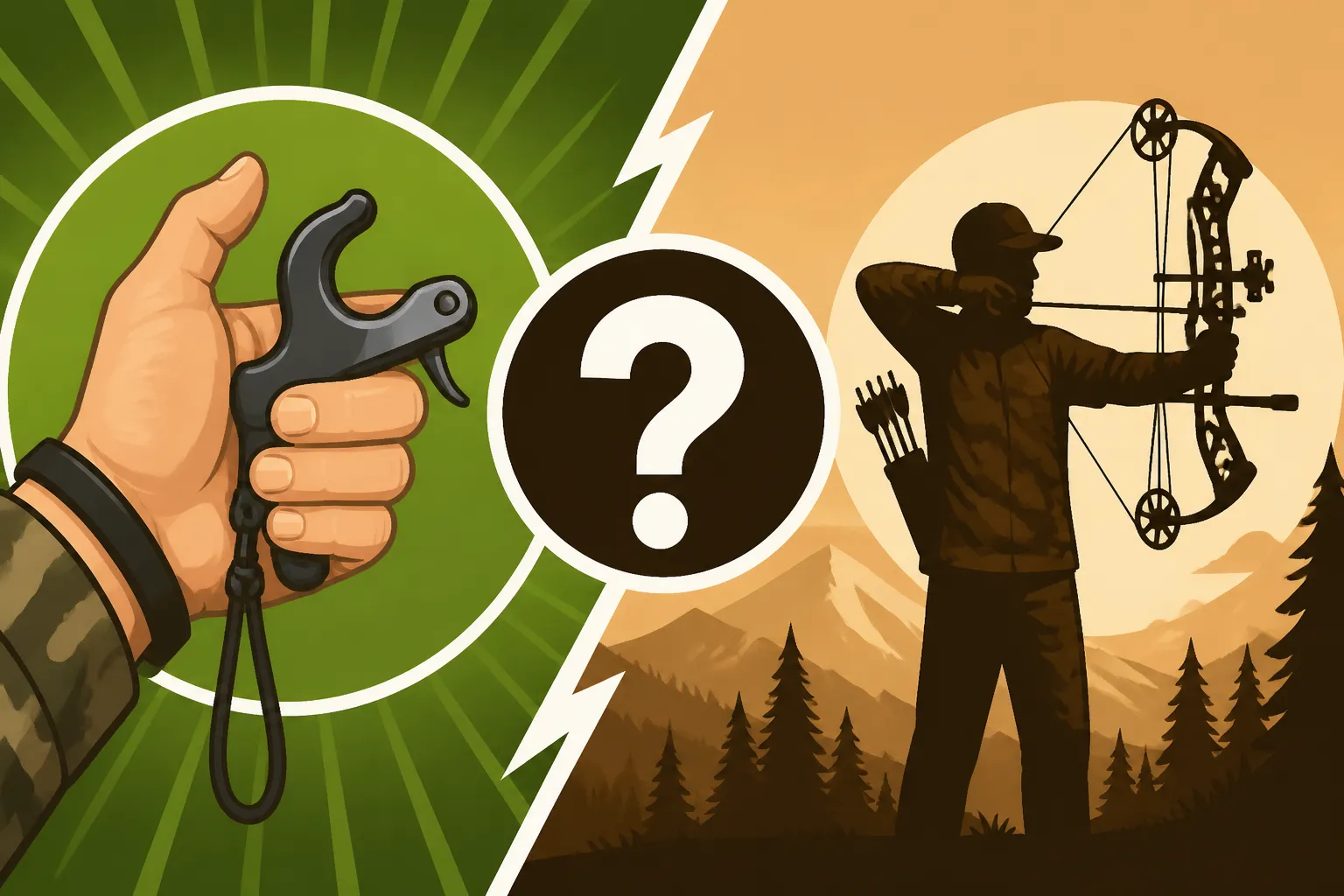
Are Release Aids Allowed for Archery Hunting?
It can feel like a minefield trying to figure out all the specific rules and regulations when you’re preparing for an archery hunt, especially if you’re new to the game or planning your first trip to a state like Idaho. One common question that often pops up, causing a bit of confusion, is around the legality of using a release aid. This guide is here to clear the air, diving deep into Idaho's stance on release aids for archery hunting and offering practical insights to ensure you're fully compliant and confident in the field.
Idaho’s Stance on Archery Release Aids
Let's cut right to the chase because this is usually the most pressing question on a bowhunter's mind. For those of us who rely on mechanical assistance for a clean shot, the good news is that Idaho is one of the more hunter-friendly states when it comes to archery equipment.
Clarifying the Legality of Release Aids
Idaho's hunting regulations are quite clear on this matter: Yes, release aids are absolutely allowed for archery hunting in Idaho. The Idaho Department of Fish and Game (IDFG) regulations specify what constitutes legal archery equipment, and mechanical releases are explicitly permitted. There's no special tag, validation, or season restriction tied to their use, unlike some other equipment that might have specific rules for muzzleloader or short-range weapon seasons.
This means whether you're drawing a compound bow, a recurve, or even a longbow, you can use a mechanical release to assist your shot. This clarity is a huge relief for many hunters who’ve spent countless hours practicing with their preferred release and depend on it for accuracy and consistency. The key for IDFG is generally ensuring that the method of propulsion remains truly "archery" (i.e., a bow and arrow, drawn and released by muscle power, even if aided by a device for release), rather than encroaching on crossbow or firearm definitions. So, you can confidently pack your favorite Fletchers or TruFire release when heading out into the Idaho backcountry.
Why the Confusion Around Release Aids Exists
It's understandable why there might be some confusion about release aids. Hunting regulations vary wildly from state to state, and even within states, different weapon types can have vastly different rules. For example, in Idaho, understanding when "What Counts as a Short-Range Weapon in Idaho" applies or the strict rules around "Why Idaho Muzzleloader-Only Hunts Ban Scopes and Inline Ignition" requires careful reading of the regulations. This patchwork of rules often leads hunters to question every piece of gear they use, just to be on the safe side.
Additionally, the evolution of archery technology has been rapid. What was considered high-tech or even controversial a few decades ago is now standard equipment for many. As such, some might mistakenly assume that any "aid" that makes archery easier or more accurate could be restricted. However, Idaho has embraced these advancements, recognizing that they can contribute to ethical hunting by promoting clean, humane kills. The focus remains on maintaining the spirit of archery while allowing for technological improvements that benefit the hunter.
The Undeniable Benefits of Using a Release Aid
For many archers, a release aid isn't just an option; it's an essential part of their setup, offering significant advantages that translate directly into better performance and more ethical hunting.
Boosting Accuracy and Shot Consistency
One of the primary reasons bowhunters gravitate towards release aids is the dramatic improvement in accuracy they provide. When you draw a bow with your fingers, especially at heavier "Idaho Minimum Peak Draw Weight for Any Bow" requirements, it's incredibly difficult to achieve a perfectly clean release every single time. Finger torque, inconsistent finger pressure, and string pinching are common issues that can send your arrow off course.
A good mechanical release, whether it’s a wrist-strap, thumb-button, or back-tension style, eliminates these human variables. It allows for a crisp, repeatable release, ensuring that the string leaves your fingers the same way every time. This consistency is paramount, especially when you've got an elk bugling in front of you or a mule deer buck presenting a fleeting shot opportunity. Imagine spending months practicing, only to have a slight finger twitch ruin your shot at the moment of truth. A release aid helps mitigate that, giving you the confidence that your equipment won't betray your aiming efforts. If you're serious about your shot, proper "Bow Tuning Worth Doing Before a Mountain Hunt" combined with a reliable release aid will make a world of difference.
Managing Draw Weight and Reducing Fatigue
Hunting in Idaho's rugged terrain often means long days of hiking, climbing, and stalking. Holding a heavy draw weight bow for extended periods or repeatedly drawing during practice can lead to significant muscle fatigue. This fatigue directly impacts your ability to hold steady on target and execute a smooth release. This is particularly relevant when considering what "Recurve Poundage That Will Kill an Elk" really means in practice – it’s not just about the peak weight, but your ability to manage it.
Release aids help manage this challenge in a couple of ways. Firstly, by eliminating the need to pinch the string with your fingers, they allow for a more relaxed grip on the bow handle, reducing overall tension. Secondly, for compound bow users, the let-off feature (which is closely tied to "Compound Bow Let-Off and Measured Draw Weight") combined with a release aid makes holding at full draw much more comfortable. This is critical for those moments when an animal might hesitate or move slightly, requiring you to hold your draw for a few extra seconds. The reduced fatigue means you're more likely to maintain proper form and execute a precise shot, even after a demanding stalk.
Exploring Different Types of Release Aids
The world of release aids is surprisingly diverse, each type offering a slightly different feel and advantage. Understanding these can help you choose the best fit for your hunting style, further enhancing your performance.
- Wrist-Strap Releases: These are perhaps the most common, attaching to your wrist with a strap and featuring a trigger mechanism (usually a thumb button or an index finger trigger). They're popular for their security and ease of use, often favored by beginners and seasoned hunters alike for their reliability. Brands like TruFire and Scott Archery are household names in this category.
- Thumb-Button Releases: Held in the hand, these releases activate with a simple push of the thumb. They offer a very clean release and are excellent for reducing target panic for some archers. They require a bit more practice to get comfortable with but can provide exceptional consistency.
- Hinge Releases (Back Tension Releases): These are often considered a more advanced type, requiring a specific technique where you rotate your hand and back muscles to activate the release, rather than pressing a trigger. This method promotes a surprise release, which can be incredibly beneficial for eliminating anticipation and improving accuracy. They demand dedication to master but can elevate your shooting to a new level.
- Resistance Activated Releases: Similar to hinges, these releases activate based on a certain amount of pulling pressure applied against the string. They teach proper shot execution and follow-through, making them excellent training tools that many archers transition to for hunting.
Each type has its adherents, and the best way to find yours is to try a few. A great archery pro shop can guide you through the options and help you find the release that feels most natural and consistent for your shooting style.
Navigating Idaho's Broader Archery Equipment Regulations
While release aids are perfectly legal, it's crucial to understand that Idaho has other specific regulations concerning archery equipment. Ignoring these can lead to serious consequences, jeopardizing your hunt and potentially leading to fines or revocation of privileges.
Broadheads, Nocks, and Other Accessories
Idaho’s regulations are meticulous about what kind of broadheads you can use. For big game, your broadheads must be non-barbed, have at least two sharpened edges, and be at least 7/8 inch wide. This is a critical distinction that often trips up new hunters or those coming from states with different rules. It's why a deeper dive into topics like "Fixed Blade Against Mechanical Broadheads on Elk" is so important; you need to know if your preferred mechanical broadhead meets the expansion requirements.
When it comes to nocks, there's good news for those who appreciate modern convenience: "Whether Lighted Nocks Are Legal for Bowhunters" is a clear yes in Idaho. Lighted nocks help track your arrow flight, making it easier to find your arrow and assess the shot placement, especially during those low-light hunting hours. They don't provide any unfair advantage in terms of the shot itself, so IDFG permits their use.
Other accessories like stabilizers, sights (single or multi-pin – consider "Single Pin or Multi Pin in Steep Country" for Idaho's terrain), and quivers are generally permitted without restriction. The key takeaway here is always to check the current Idaho Fish and Game hunting regulations booklet, which is available online and at license vendors. Regulations can change, and what was legal last year might have been updated this season.
Understanding Bow Specifications and Draw Weights
Idaho sets minimum draw weight requirements for big game, ensuring that hunters are using equipment powerful enough to deliver a quick, humane kill. For deer and pronghorn, the minimum draw weight is 40 pounds. For elk, moose, bighorn sheep, and mountain goat, it's 50 pounds. This isn't just a suggestion; it's a legal requirement designed to promote ethical hunting. So, while your release aid might make it easier to hold and shoot, you still need to be pulling at least the minimum required weight.
The measurement of draw weight for compound bows often sparks questions due to let-off. Idaho specifies that "Why Draw Weight Is Measured at 28 Inches" is the standard. This means the peak draw weight, not the holding weight, is what counts. A bow with a high percentage of let-off might only require you to hold 15-20 pounds at full draw, but its peak draw weight must meet the minimum for the species you're pursuing. Always verify your bow's specifications against the regulations.
Utilizing Resources for Compliance
Staying on top of hunting regulations can feel like a full-time job. Thankfully, Idaho Fish and Game provides excellent resources to help hunters. The official IDFG website is a treasure trove of information, hosting the most up-to-date regulations, season dates, and unit maps.
Another invaluable tool is the "The Idaho Hunt Planner Is the Tool to Start With." This interactive online platform allows you to research specific units, understand drawing odds, and see a breakdown of regulations relevant to your chosen hunt area. It's a game-changer for planning your trip and ensuring you're legally equipped.
For those who like an all-in-one platform, a resource like GoHunt offers detailed unit breakdowns, draw odds, and filtering tools that can incorporate equipment restrictions where applicable. While it's always best to cross-reference with official IDFG sources, these third-party tools can provide a fantastic starting point for research. They often compile a lot of the information you'd find scattered across various IDFG pages into a more digestible format, making it easier to ensure your gear, including your trusty release aid, aligns with all legal requirements.
Here’s a quick overview of legal and restricted archery equipment in Idaho:
| Equipment Type | Legality in Idaho (Big Game Archery) | Key Considerations |
|---|---|---|
| Release Aids | Legal | No specific restrictions on type or use. Essential for accuracy and consistency for many bowhunters. |
| Broadheads | Legal, with specific requirements | Must be non-barbed, have at least two sharpened edges, and be at least 7/8 inch wide. Mechanical broadheads are legal if they meet these criteria when deployed. |
| Lighted Nocks | Legal | Permitted. Aid in arrow tracking and retrieval, especially in low light. |
| Fixed Sights | Legal | Both single-pin and multi-pin sights are allowed. No magnification restrictions for archery seasons. |
| Stabilizers | Legal | No restrictions. Help with balance and reducing vibration. |
| Quivers | Legal | No restrictions. |
| Crossbows | Restricted | Not legal during general archery seasons for big game unless a specific crossbow permit is obtained for qualifying disabled hunters, or during "Does a Crossbow Count as a Short-Range Weapon?" seasons (which are not archery seasons). |
| Exploding Broadheads | Illegal | Any broadhead designed to explode on impact is strictly prohibited. |
| Electronic Devices on Bow (Beyond Lights) | Generally Illegal (for aiming/ranging functions) | While lighted nocks are okay, devices that project a beam or electronic dot onto the animal, or have built-in rangefinders that communicate with the sight pin, are generally not allowed as part of the bow setup itself. Always check current regulations for nuances. |
By doing your homework and consistently referring to the official Idaho Fish and Game regulations, you can ensure that your archery setup, including your trusty release aid, is always compliant. This diligent preparation allows you to focus on the hunt itself, confident that you’re playing by the rules and giving yourself the best chance at a successful and ethical experience. After all, the goal is to get "How Close a Bowhunter Needs to Get on Elk" and execute a perfect shot.
The Takeaway for Idaho Archery Hunters
The world of archery hunting in Idaho is incredibly rewarding, offering diverse opportunities from chasing bugling elk in the high country to stalking mule deer in the sagebrush. Part of being a responsible and successful hunter is being meticulously informed about the regulations that govern your chosen method.
For those of you who appreciate the precision and consistency a release aid offers, you can breathe easy knowing that Idaho fully embraces their use in general archery seasons. This flexibility allows you to optimize your setup for maximum accuracy, ensuring that you're prepared to make the most ethical shot possible when the moment arrives.
Beyond release aids, remember to pay close attention to other critical aspects of Idaho's archery regulations, such as broadhead requirements and minimum draw weights. Always cross-reference your gear against the current Idaho Fish and Game regulations. Using resources like the official IDFG website and the comprehensive "The Idaho Hunt Planner Is the Tool to Start With" can help you stay current and confident. Platforms like GoHunt also provide excellent resources to help you prepare your hunt by gathering relevant regulations and drawing insights, although official sources should always be your final verification.
Ultimately, a legal and well-practiced setup will empower you to enjoy your Idaho archery hunt to the fullest, focusing on the thrill of the chase and the beauty of the landscape, rather than worrying about equipment compliance.
Disclaimer
Please remember that hunting regulations can change frequently. While we strive to provide accurate and up-to-date information, it is your sole responsibility to consult the most current official Idaho Fish and Game regulations prior to any hunting activity. This content is for informational purposes only and should not be considered legal advice.