Why Inline Ignition Fails Muzzleloader-Only Rules
It's a common head-scratcher for many hunters, trying to figure out exactly why their trusty inline muzzleloader, which might be perfectly legal in a general season, is suddenly a no-go for those coveted Idaho muzzleloader-only hunts. The regulations can feel like a maze, particularly when you're geared up with what you think is a muzzleloader, only to find it's specifically excluded. This guide will dive deep into Idaho's regulations, breaking down the specific reasons why inline ignition systems don't meet the criteria for muzzleloader-only seasons and what you need to look for instead.
The Core Principle of Idaho's Muzzleloader-Only Regulations
Idaho's Fish and Game regulations for muzzleloader-only seasons are rooted in a desire to preserve traditional hunting methods and offer a more challenging experience. When you peel back the layers, it's about embracing a hunting style that requires a different set of skills and preparation than modern firearm hunting. The rules are designed to push hunters back towards what is considered more "primitive" equipment, increasing the challenge and the satisfaction when a successful hunt comes together.
Embracing Traditional Ignition Systems
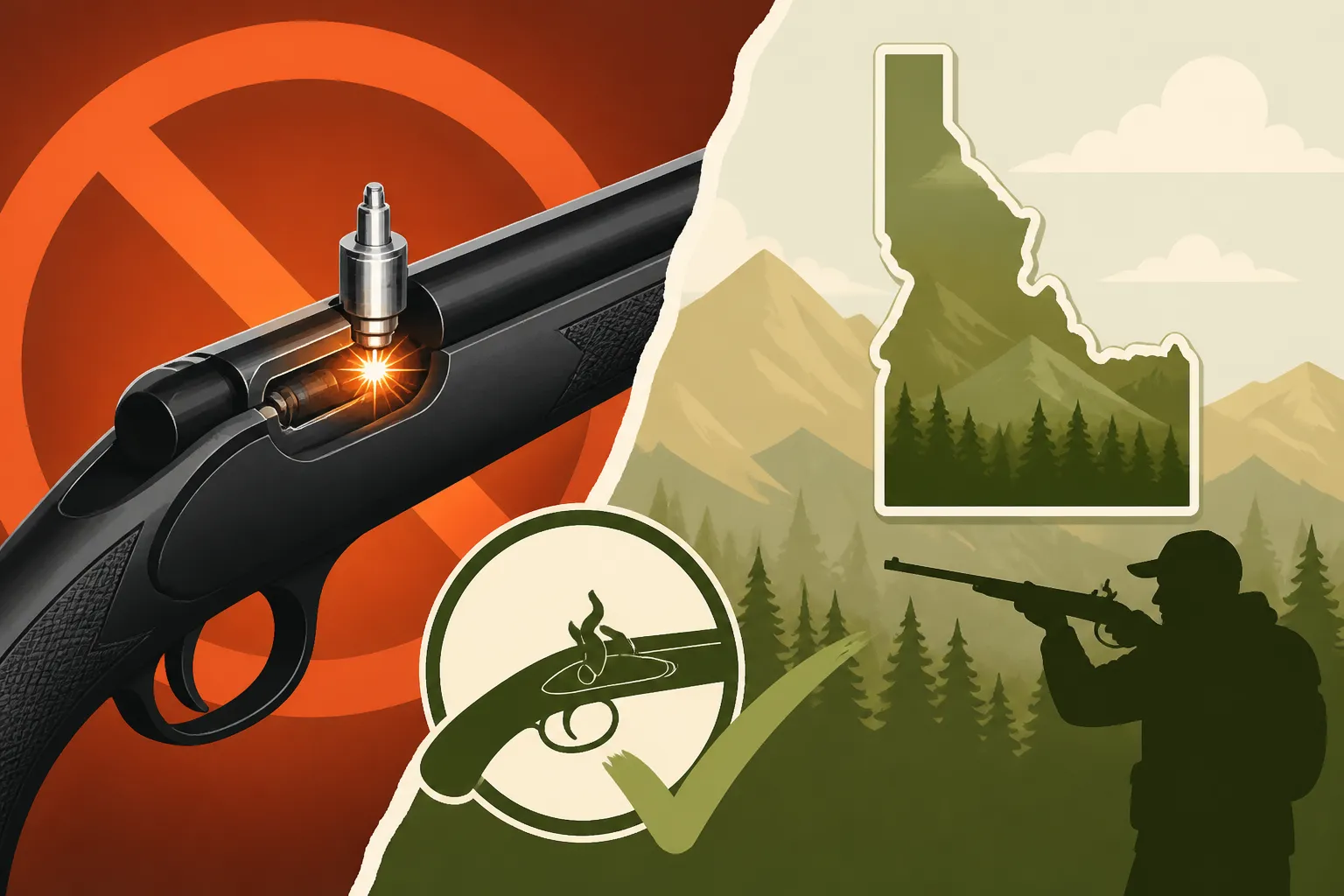
At its heart, Idaho's muzzleloader-only rule set champions the traditional designs of these black powder firearms. Think about the classic image of a frontiersman with his long rifle – that's the spirit Idaho aims to capture. This means that for those special seasons, your muzzleloader must use an ignition system that exposes the cap to the elements. This is explicitly laid out in the regulations, which specify an exposed percussion cap or flintlock mechanism.
For instance, a side-hammer percussion rifle, where the hammer strikes a cap seated on a nipple that is clearly visible and open to the air, perfectly fits the bill. The cap is exposed, vulnerable to moisture or jostling, adding a layer of authenticity (and sometimes frustration!) to the hunt. Similarly, a flintlock rifle, with its iconic pan, frizzen, and flint, is the epitome of traditional muzzleloading, requiring meticulous care to function reliably. These systems demand a deeper understanding of your firearm and the conditions, a far cry from the near-sealed reliability of modern inline designs. If you're pondering the nuances, you might also want to read up on The Exposed-Cap Ignition Rule Idaho Enforces to fully grasp its implications.
How Inline Ignition Deviates from Tradition
Now, let's talk about the inline muzzleloader. These popular firearms, while still loaded from the muzzle, feature a completely different ignition system. Instead of an exposed percussion cap or flint mechanism, inline muzzleloaders use a fully enclosed primer, often a 209 shotgun primer, which is typically hidden within the breechplug or a similar enclosed housing. This design is a huge leap forward in terms of reliability, weather resistance, and ease of use compared to traditional systems.
The enclosed nature of the 209 primer means it's much less susceptible to moisture, snow, or accidental discharge from a brush snag. It provides a more consistent, hotter spark, leading to fewer misfires and faster ignition of the powder charge. From a modern hunting efficiency standpoint, it's a superior design. However, this very efficiency and modernity are precisely what make it non-compliant for Idaho's traditional muzzleloader-only seasons. The regulations aim to distinguish these modern conveniences from the more demanding, classic approach to muzzleloading. This core distinction is why Why Inline Ignition Fails Muzzleloader-Only Rules is such a critical regulation to understand.
Deconstructing the "Exposed Cap" Requirement
The phrase "exposed cap" might sound straightforward, but its interpretation in hunting regulations can lead to some serious confusion if not understood correctly. For Idaho, it's not just about seeing a cap; it's about the type of cap and its level of exposure. This detail is often where hunters, especially those new to Idaho's specific rules or coming from other states with different regulations, run into trouble.
What "Exposed Cap" Truly Means in Idaho
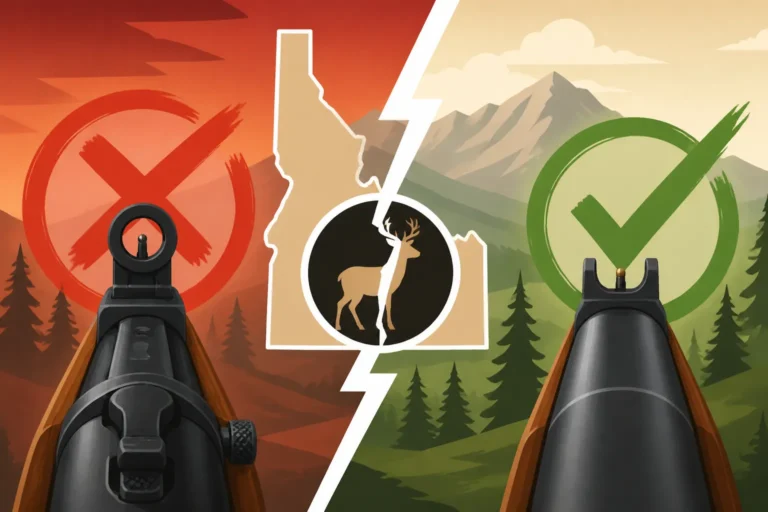
In Idaho, "exposed cap" for muzzleloader-only seasons means the ignition system must use a percussion cap that is plainly visible and directly impacted by the hammer, without any additional enclosure or shroud that protects it from the elements. This generally refers to a #11 percussion cap or a musket cap, which sits on a nipple on the side of the barrel. When the hammer falls, it strikes this exposed cap directly. The key here is "exposed" – not just visible, but unprotected by a modern, enclosed system.
Consider a traditional cap-and-ball revolver or rifle: the percussion cap is seated on the nipple, and the hammer strikes it directly. There's no additional sealed housing around the primer. This design is considered compliant. In contrast, an inline muzzleloader, even one where you can technically see some part of the primer when the breech is open, typically houses the primer within a breechplug or a fully shrouded assembly. That enclosure, however slight, shields the primer from direct exposure and makes it non-compliant. This rule is designed to ensure a more challenging experience, where the hunter must contend with potential misfires in inclement weather, adding to the primitive nature of the hunt. This regulation also goes hand-in-hand with Open and Peep Sights Only in Muzzleloader-Only Hunts, reinforcing the traditional approach.
The Hidden Modernity of Inline Systems
The design of inline muzzleloaders, while seemingly minor in its departure, actually incorporates significant modern advancements that elevate their performance beyond what is considered "traditional." Most notably, they are designed to reliably fire modern 209 shotgun primers. These primers are far more potent and consistent than the smaller, less powerful percussion caps used in traditional muzzleloaders. The fully enclosed breech plug systems commonly found in inline muzzleloaders create a gas-tight seal around the primer, ensuring that all the primer's energy is directed into igniting the main powder charge.
This enclosed, high-energy ignition system minimizes hangfires and misfires, even in damp or cold conditions, making inline muzzleloaders incredibly reliable—almost on par with modern cartridge rifles. This reliability, while a boon for general hunting, stands in stark contrast to the challenges inherent in traditional muzzleloading. The intent of Idaho's muzzleloader-only rules is to step away from this level of modern reliability, forcing hunters to embrace equipment that requires more careful handling and a greater understanding of its limitations. This pursuit of a more primitive experience is why these modern conveniences are disallowed.
Navigating Idaho's Muzzleloader Seasons and Weapon Choices
Understanding the nuances of Idaho's muzzleloader regulations isn't just about knowing what you can't use, but also when those restrictions apply and what alternatives are available. It's a common misconception that if a weapon is called a "muzzleloader," it's universally legal for all muzzleloader seasons. Idaho's rules are more specific, tying weapon legality to the season type.
When Muzzleloader-Only Rules Apply
The strict "exposed cap" rule, along with the ban on scopes and inline ignition, primarily applies to designated "muzzleloader-only" seasons or specific controlled hunts that explicitly state these requirements. These seasons are often set during prime times, offering hunters a unique opportunity to pursue game with less competition from general weapon hunters, but they come with the caveat of using traditional equipment. For instance, you might find a coveted elk controlled hunt specifically for muzzleloaders, and that's where these regulations truly bite.
It's absolutely crucial to consult the Idaho Fish and Game regulations for the specific unit and season you plan to hunt. Websites like GoHunt are fantastic for cross-referencing these details, allowing you to filter by weapon type and season structure to ensure your gear aligns with the rules. What's legal for one muzzleloader season might not be for another, so never assume. Many hunters use tools like GoHunt to e-scout and understand the nuances of each unit's regulations, including specific weapon requirements. Remember that Idaho Muzzleloader Season Dates for Deer and Idaho muzzleloader season dates for elk will dictate when these specific rules are in play.
Muzzleloader Options for Traditional Hunters
For those dedicated to participating in Idaho's muzzleloader-only seasons, embracing traditional equipment is the path forward. This means choosing a muzzleloader that truly adheres to the "exposed cap" principle. Your best bets are classic side-hammer percussion rifles or flintlock rifles. These firearms require diligent attention to detail, from cleaning the nipple or flint mechanism to carefully loading the powder and projectile.
Hunting with traditional muzzleloaders certainly presents a higher degree of challenge. You'll likely experience slower loading times, a greater chance of a misfire in wet conditions, and a learning curve in mastering accuracy with open or peep sights (as scopes are also banned in these seasons). However, this challenge is precisely what many traditional muzzleloader enthusiasts cherish. The sense of accomplishment when you successfully harvest an animal with such a primitive tool is unmatched. It forces you to become a more skilled hunter, focusing on tracking, stalking, and getting closer to your quarry. For more details on preparing your traditional setup, check out Idaho Muzzleloader Caliber Minimums: .45 for Deer, .50 for Elk.
Why Modern Muzzleloaders Are Still Valid for Other Seasons
It's important to clarify that inline muzzleloaders are not universally banned in Idaho. They are perfectly legal and effective hunting tools in many other contexts. If you own an inline muzzleloader, you can still absolutely use it for hunting in Idaho during "any weapon" seasons or "short-range weapon" seasons, provided it meets the other general regulations for those seasons. This distinction is key: the restriction is on the season type, not the weapon itself across the board.
In "any weapon" seasons, an inline muzzleloader offers a reliable and often very accurate option for big game. During "short-range weapon" seasons, which often allow shotguns, archery equipment, and muzzleloaders, an inline muzzleloader with its greater effective range and accuracy can be a fantastic choice. Just make sure to verify that your specific inline model meets any other criteria for that particular short-range weapon season, such as bullet type or overall length. Knowing Which Weapons Qualify as Short-Range in Idaho can help you determine if your inline fits the bill for those opportunities. Many hunters find that resources like GoHunt clearly lay out these distinctions, helping them plan their hunts effectively. Ultimately, your modern inline muzzleloader has a place in Idaho's hunting landscape, just not in those highly specific traditional muzzleloader-only windows. You can also explore Using a Muzzleloader in Any-Weapon Season for more flexibility.
Here's a quick reference table to summarize the key differences for muzzleloader ignition systems in Idaho:
| Feature | Traditional Muzzleloader (Legal for Muzzleloader-Only Seasons) | Inline Muzzleloader (Illegal for Muzzleloader-Only Seasons) |
|---|---|---|
| Ignition Type | Exposed percussion cap (#11, Musket) or Flintlock | Enclosed primer (typically 209 shotgun primer) |
| Cap Exposure | Fully exposed to elements | Primer contained within breechplug/shroud |
| Reliability | Prone to misfires in wet/cold; requires more care | Highly reliable; resistant to weather |
| Sights | Open or peep sights only (for Muzzleloader-Only seasons) | Can use scopes (in general/any weapon seasons) |
| Philosophy | Primitive, challenging, traditional hunting experience | Modernized, efficient muzzleloading |
| Season Legality | Muzzleloader-Only, Short-Range Weapon, Any Weapon seasons | Short-Range Weapon, Any Weapon seasons ONLY |
Disclaimer
Please remember that hunting regulations can change. It is always your responsibility to consult the most current Idaho Fish and Game regulations or contact the Idaho Department of Fish and Game directly before planning or engaging in any hunting activities. This information is provided for general guidance and educational purposes only.