Does a Crossbow Count as a Short-Range Weapon?
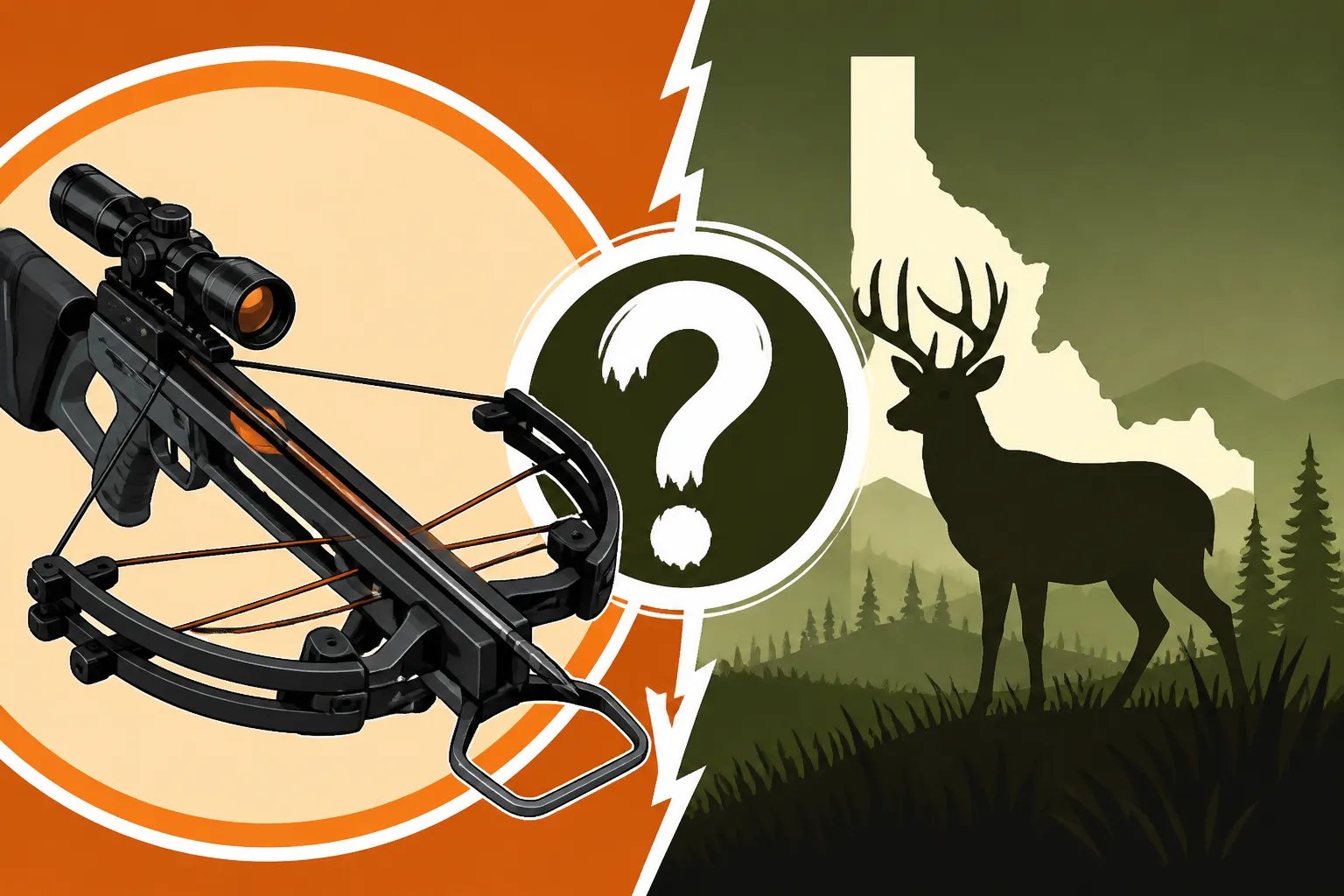
Navigating the myriad of hunting regulations can feel like trying to find a deer track in a blizzard—confusing, frustrating, and easy to get lost. One question that trips up a lot of hunters, especially those new to the Gem State or crossing over from other states, is whether a crossbow counts as a short-range weapon in Idaho. It’s not as straightforward as it might seem, but this guide will clear up the confusion, helping you understand Idaho’s specific rules for crossbows and where they fit into different hunting seasons.
Unpacking Idaho's Short-Range Weapon Categories
Idaho Fish and Game (IDFG) sets out specific definitions for different weapon types, which then dictate when and where you can use them. Understanding these categories is the first step to knowing if your crossbow fits the bill for a "short-range weapon" season.
What the Term "Short-Range Weapon" Really Means
When Idaho talks about "short-range weapons," they're generally referring to firearms and archery equipment that are designed for closer engagements, often in areas with specific management goals or safety considerations. Typically, this category includes shotguns firing slugs or buckshot, muzzleloaders, and most forms of archery equipment. The important thing to grasp here is that "short-range" refers to the season type and the weapons permitted within it, rather than a distinct class of weapon like a "rifle."
For instance, a shotgun, by its very nature, is considered a short-range weapon when loaded with slugs or buckshot because of its limited effective range compared to a high-powered rifle. Muzzleloaders, too, fall into this category due to their ballistics and historical context, often restricted to open and peep sights only to emphasize a traditional, closer-range hunting experience, as detailed in our guide, Open and Peep Sights Only in Muzzleloader-Only Hunts. When we consider archery equipment, it inherently falls under the umbrella of "short-range" due to the practical limits of shooting distance and accuracy for most hunters. The question then becomes, where does a crossbow fit into this archery equipment definition for these specific seasons? It’s less about a crossbow being defined as a short-range weapon itself, and more about whether it is legal to use during a season designated for short-range weapons.
Why Idaho Utilizes Short-Range Weapon Seasons
Idaho's decision to implement specific short-range weapon seasons isn't arbitrary; it's a calculated move based on several critical factors designed to manage wildlife populations, ensure public safety, and provide diverse hunting opportunities. Imagine hunting a heavily timbered zone, thick with cover, where visibility extends only a few dozen yards. A high-powered rifle might be overkill, and its projectile could travel far beyond the target, posing a risk in areas closer to human habitation or within challenging terrain. This is where short-range weapon seasons shine.
These seasons are often established in areas with denser cover, such as the mixed conifer forests of northern Idaho, or in zones that are closer to private land and population centers, where longer-range rifle shots could be a safety concern. By limiting hunters to shotguns, muzzleloaders, and archery gear, IDFG can manage harvest in a more controlled manner, reducing the chances of overharvest in accessible areas while also minimizing the risk of stray bullets. It's a way to spread out hunting pressure and provide different types of experiences. For example, some units might have a specific short-range weapon season for deer that follows a general archery season, allowing for later opportunities without the pressure of rifle hunters. These regulations are a key component of Idaho's broader wildlife management strategy, helping to ensure healthy herds and safe hunting environments for everyone who ventures into the field.
Crossbows in Idaho: A Deep Dive into the Regulations
The role of crossbows in Idaho hunting regulations is where many people get hung up. It’s not simply a “yes” or “no” answer, but rather one that depends on the specific season type and hunter eligibility.
Crossbows as Archery Equipment in Idaho Law
In Idaho, a crossbow is generally categorized under "archery equipment." This is a crucial distinction. It means that mechanically, the state views it as a device that propels an arrow or bolt using stored energy, similar to a compound, recurve, or longbow. However, just because it's classified as archery equipment doesn't mean it's interchangeable with other bows in all seasons. This nuance is where the confusion often lies. The IDFG regulations treat crossbows with a slightly different set of rules, particularly when it comes to specific archery-only seasons.
For a non-disabled hunter, a crossbow often faces restrictions that traditional bows do not. This isn't a judgment on the effectiveness of a crossbow—they are incredibly capable hunting tools—but rather a regulatory approach to manage hunting opportunities and maintain the "traditional" aspect of certain archery seasons. So, while it's technically archery equipment, it doesn't always have the same access to every archery season. This makes reading the annual regulations paramount. You can always refer to the official GoOutdoorsIdaho portal or the IDFG website, and tools like GoHunt can often help clarify these specific unit-by-unit regulations, especially when looking at the intricate rules around archery equipment for different game animals.
Navigating Crossbow Use in Archery-Only vs. General Seasons
This is the core distinction you need to understand when considering hunting with a crossbow in Idaho. The legality of using a crossbow hinges almost entirely on the type of season you're hunting in.
First, let's talk about archery-only seasons. For the vast majority of hunters in Idaho, crossbows are not permitted during designated archery-only seasons for big game. This means if you're planning on chasing bugling elk in September during an archery-only hunt, you'll need to be using a compound, recurve, or longbow, not a crossbow. This restriction is rooted in the tradition and challenge associated with conventional archery hunting. There's a widely held belief that crossbows offer certain advantages in terms of ease of aiming and holding at full draw, which some argue changes the fundamental nature of an archery-only challenge. This is why Idaho, like many other states, maintains this distinction. If you want to dive deeper into traditional archery requirements, you might find our article on Idaho Minimum Peak Draw Weight for Any Bow helpful.
However, there's a significant exception: disabled hunters. Idaho does make provisions for hunters with qualifying physical disabilities. If a hunter possesses a valid disabled hunter permit specifically endorsed for crossbow use, they are allowed to use a crossbow during archery-only seasons. This ensures that individuals facing physical limitations still have the opportunity to participate in these hunts. Applying for and obtaining this permit requires documentation from a medical professional and approval from IDFG, so it's not something you can decide on the fly.
Now, for general hunting seasons (often called "any-weapon" seasons) and short-range weapon seasons, the rules shift considerably. In these seasons, crossbows are generally legal for all hunters, provided they meet all other equipment specifications (like broadhead type, which we discuss in Fixed Blade Against Mechanical Broadheads on Elk). This means that if a season is designated for shotguns, muzzleloaders, and archery equipment, your crossbow is typically good to go. The key here is that short-range weapon seasons are broader in their weapon allowances than strict archery-only seasons. Because crossbows are considered a form of archery equipment by Idaho law, they fall within the permitted weapon types for these short-range hunts, unless specifically excluded by the unit or species regulations. Therefore, to directly answer the question: a crossbow can be used during short-range weapon seasons because it is generally allowed as a form of archery equipment in these less restrictive hunt types. You just won't find it explicitly listed as a "short-range weapon" like a shotgun might be, but rather as a type of archery equipment that's legal for those hunts.
Practical Implications for Idaho Crossbow Hunters
Understanding the legalities is one thing; putting it into practice in the field is another. For those considering hunting with a crossbow in Idaho, there are practical considerations regarding seasons, gear, and overall hunt planning.
When and Where You Can Hunt with a Crossbow
The most straightforward answer is that if you're not a disabled hunter with a specific permit, you'll be using your crossbow primarily during general any-weapon seasons or designated short-range weapon seasons. These seasons often occur later in the fall, allowing hunters to pursue deer and elk with a wider array of weapon choices. For example, many of Idaho's popular elk zones will have general rifle seasons where crossbows are perfectly permissible. Similarly, certain whitetail hunting opportunities in the northern Panhandle might include short-range weapon hunts where a crossbow would be a legal and effective choice, especially in thick timber.
If you're eyeing an early archery elk hunt, like those often occurring in September when the rut is picking up, and you do not have a disabled hunter permit, a crossbow will unfortunately keep you on the sidelines for those specific archery-only dates. This means you'll need to choose your hunt unit and season carefully, always double-checking the Idaho Fish and Game regulations for the specific unit and species you intend to pursue. The Idaho Hunt Planner is an invaluable tool for this, allowing you to filter by weapon type and season dates. Utilizing resources like GoHunt can also help you identify suitable units and draw odds for seasons where crossbows are legal. Always remember that regulations can be unit-specific, so what's legal in one unit might not be in another, even for the same species.
Essential Gear and Considerations for Crossbow Hunting
Beyond the legalities, equipping yourself properly for a crossbow hunt in Idaho is crucial. Just like with any other weapon, the right gear makes a difference.
Bolt and Broadhead Selection: Your crossbow will require bolts (often called arrows) of appropriate length and spine, usually specified by the crossbow manufacturer. For broadheads, Idaho's regulations for big game generally require a minimum cutting diameter of 7/8 inch for fixed-blade broadheads, and mechanical broadheads must expand to at least 7/8 inch. Always ensure your broadheads are razor-sharp and designed for maximum penetration. A heavy, well-constructed bolt with a quality broadhead will deliver more kinetic energy, which is vital for ethical kills on tough animals like elk or large mule deer. Our article on Arrow Weight That Gets Through an Elk dives into some of these kinetic energy considerations.
Optics and Sighting: Most crossbows come equipped with a scope, which significantly aids in aiming. Practice at various ranges to understand your crossbow's trajectory and holdovers, especially in Idaho's diverse terrain, which can present steep angles and variable shot distances. While scopes are common on crossbows, remember that traditional muzzleloader-only hunts might restrict optics to open or peep sights, a distinction that doesn't apply to crossbows during short-range or general seasons but is worth noting for overall weapon understanding.
Safety and Practice: Crossbows are powerful tools. Always handle them with the same respect you would a firearm. Be mindful of dry-firing, which can severely damage the limbs and string. Practice regularly from realistic hunting positions, including from a seated or kneeling position, to build confidence and accuracy. Understanding your effective range is paramount; just because a crossbow can shoot a long distance doesn't mean it's an ethical shot on an animal at that range. Stick to distances where you can consistently hit a vital zone under pressure.
Maintenance: Keep your crossbow well-maintained. Regularly inspect the string and cables for wear, lubricate the rail, and ensure all screws and components are tight. A well-cared-for crossbow is a reliable crossbow. Considering the rugged conditions in Idaho, from dusty sagebrush flats to wet, muddy timber, keeping your equipment in top shape is key to a successful hunt.
Staying Compliant and Maximizing Your Hunt
Hunting in Idaho is an incredible experience, but it comes with the responsibility of knowing and following the rules. This is especially true when it comes to specific weapon definitions and seasonal allowances.
Verifying the Latest Regulations with Idaho Fish and Game
I can't stress this enough: always consult the current Idaho Fish and Game (IDFG) hunting regulations. While I can provide general guidance, regulations are subject to change annually. What was legal last year might have been adjusted for the current season. Unit boundaries can shift, season dates can be modified, and weapon restrictions can be updated based on wildlife management needs or legislative action. The official IDFG website is your single most reliable source for the latest information.
Before you even apply for a tag or pack your gear, download or pick up a hard copy of the current year's hunting regulations. Pay particular attention to the "General Rules" section, the specific rules for your chosen species (deer, elk, bear, etc.), and the detailed unit-by-unit descriptions. Many units have unique rules that override general state regulations. For example, some areas might have specific limitations on motorized access, which is crucial to understand if you're planning a remote hunt, as discussed in Idaho's Motorized Hunting Rule Keeps You on the Road. Don't rely solely on word-of-mouth or outdated information; a simple phone call to an IDFG regional office can also clear up any ambiguities you might have.
Leveraging Technology for Idaho Hunt Planning
In today's age, technology is an invaluable ally for the modern hunter, and Idaho offers some fantastic digital resources to help you plan your crossbow hunt effectively.
The Idaho Hunt Planner: This online tool, maintained by IDFG, is a powerhouse for researching units, seasons, and regulations. You can filter by species, weapon type (including specific archery distinctions), hunt area, and season dates. It provides detailed maps, public land percentages, and even harvest statistics for various units. Before committing to a unit, use the Hunt Planner to confirm that crossbows are indeed legal for your target species and season. It's also an excellent way to check for special draw-only hunts or any tag limitations that might apply. Our guide on The Idaho Hunt Planner Is the Tool to Start With offers a full walkthrough.
Mapping Applications: Applications like onX Hunt, BaseMap, and even Google Earth, when paired with IDFG's publicly available GIS data, can provide critical information on land ownership (public vs. private), roads, trails, and terrain. This is vital for scouting and understanding access points, especially when hunting public lands like National Forests or BLM ground. Knowing your precise location relative to unit boundaries or private property lines is not just good practice, it's essential for staying legal.
GoHunt: For hunters who really want to dial in their planning, services like GoHunt offer detailed draw odds, application strategies, and in-depth unit breakdowns that go beyond what official state sites typically provide. While it’s a subscription service, the wealth of aggregated data and expert analysis can be incredibly beneficial for non-resident hunters or those looking to maximize their chances in Idaho's controlled hunt draw system. These platforms often make it easier to parse complex regulations and identify opportunities where crossbows are an effective and legal option.
By combining official IDFG resources with powerful mapping and planning tools, you can ensure that your crossbow hunt in Idaho is not only successful but also fully compliant with all state regulations.
Here's a quick summary table for clarity:
| Season Type | Crossbow Legality for Non-Disabled Hunters | Crossbow Legality for Disabled Hunters (with Permit) | Primary Weapons Allowed (General) |
|---|---|---|---|
| Archery-Only Seasons | NO (Generally) | YES | Traditional bows, compound bows, recurves |
| Short-Range Weapon Seasons | YES (As archery equipment) | YES | Shotguns (slug/buckshot), Muzzleloaders, Archery Equipment (including crossbows) |
| General Any-Weapon Seasons | YES | YES | Rifles, Shotguns, Muzzleloaders, Archery Equipment (including crossbows) |
This table provides a concise overview, but always remember to refer to the official IDFG regulations for specific unit and species details, as exceptions can always apply.
Disclaimer
Please note that hunting regulations, fees, and season dates are subject to change. While this guide aims to provide accurate and up-to-date information, it is not a substitute for the official Idaho Fish and Game hunting regulations. Always consult the current year's IDFG rules and regulations before planning and embarking on any hunting trip.