How Wolves Changed Idaho Elk Numbers
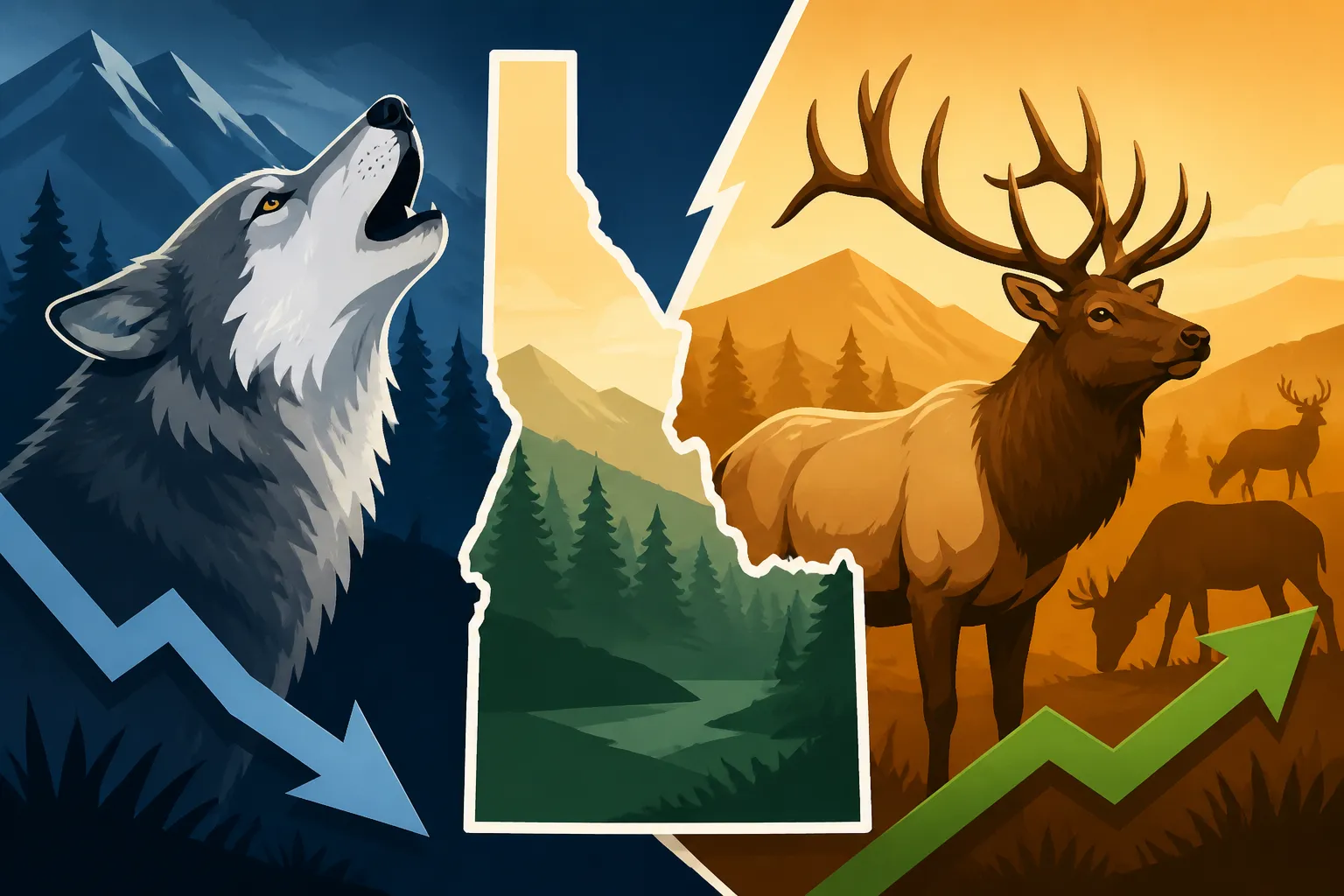
For anyone who’s spent time hunting Idaho’s vast wilderness or even just dreaming of it, the conversation around elk populations often steers directly to one undeniable factor: wolves. It’s a topic that stirs strong opinions, evokes memories of past hunting success, and frankly, causes a lot of frustration for hunters who've witnessed once-thriving herds seemingly vanish or shift. This guide aims to cut through the noise and deeply explore how the reintroduction of wolves has fundamentally altered Idaho's elk numbers, looking beyond simple cause-and-effect to the complex ecological tapestry.
The Historical Context: Elk Herds Before Wolf Reintroduction
Before we can truly understand the impact of wolves, it's essential to rewind the clock and get a clear picture of Idaho's elk populations prior to their reintroduction. The landscape, the management strategies, and the overall health of these herds looked quite different in the decades leading up to the 1990s. Many hunters today recall a time when elk seemed more abundant, more predictable in their movements, and perhaps, a bit easier to find.
A Landscape of Abundance and Management Challenges
In the mid-20th century, following the successful recovery from overhunting and habitat loss in the early 1900s, Idaho's elk herds generally thrived. The state, with its vast tracts of national forest and rugged wilderness, provided ideal habitat, and elk populations were robust in many regions. Herds expanded into new areas, and hunting opportunities were plentiful, attracting both residents and nonresidents alike. Elk managers at the time often grappled with the opposite problem we sometimes see today: localized overpopulation that could lead to habitat degradation and agricultural conflicts. They focused on balancing herd sizes with available forage and preventing disease outbreaks in dense populations.
Managing these large and expanding elk populations involved a combination of general season hunts, which offered broad access, and controlled hunts, which were used to target specific herd units or age classes. The goal was to maintain healthy numbers while providing ample recreational opportunity. Habitat quality was a primary concern, and efforts were often directed at timber management practices that created beneficial forage and cover, as well as protecting critical winter ranges. This era was largely characterized by an elk population that, while certainly facing hunting pressure and natural fluctuations, was primarily managed in the absence of a significant apex predator like the wolf.
The Rationale Behind Reintroduction Efforts
The reintroduction of gray wolves to the Northern Rocky Mountains, including central Idaho, in the mid-1990s was a culmination of decades of conservation efforts and legal mandates under the Endangered Species Act. Wolves had been extirpated from Idaho by the 1930s through concerted eradication programs, leaving a major ecological void. The rationale for bringing them back was deeply rooted in restoring a "missing piece" of the ecosystem, believing that wolves played a crucial role in maintaining the health and balance of ungulate populations and the broader environment. Proponents argued that wolves would restore natural predator-prey dynamics, reduce overgrazing in certain areas, and contribute to overall biodiversity.
The process involved releasing wolves sourced from Canada into designated recovery areas. For Idaho, these releases occurred primarily in the Frank Church-River of No Return Wilderness Area. The hope was that these animals would establish breeding populations and disperse naturally, eventually leading to their delisting from the Endangered Species Act once recovery goals were met. It was a monumental undertaking, driven by a vision of ecological restoration, but it also ignited immediate and intense debate among ranchers, hunters, and conservationists, with many predicting the significant impact these new predators would have on game species, particularly elk. The stage was set for a dramatic shift in Idaho's wild landscapes and the hunting experiences within them.
The Return of the Predator: Initial Wolf Impacts on Elk
As the released wolves began to disperse and establish territories, the immediate impact on elk herds was a topic of intense observation, concern, and debate among hunters and wildlife managers alike. The early years post-reintroduction provided a stark illustration of how rapidly an ecosystem can respond to the return of a missing apex predator.
Early Observations and Population Dynamics
In the years immediately following the wolf reintroductions in the mid-1990s, particularly in units with high wolf densities, Idaho Fish and Game (IDFG) and independent researchers began to observe noticeable shifts in elk behavior and population dynamics. Some of the most striking declines were recorded in certain areas of the Lolo and Selway-Bitterroot Wilderness, which are rugged, timbered regions that also happened to be prime wolf habitat. Here, elk calf survival rates began to drop precipitously. Hunters started reporting fewer elk sightings, especially cow-calf groups, and success rates in these historically productive units began to decline.
It wasn’t just about the sheer number of elk being taken by wolves; it was also about how elk adapted their movements. They became warier, more scattered, and often sought out different types of cover, making them harder for hunters to locate and pattern. This was a direct response to increased predation pressure. The initial population declines in these "hotspot" areas were often dramatic enough to cause immediate concern, leading to passionate discussions among the hunting community about the future of elk hunting in Idaho. These early observations laid the groundwork for further, more intensive research into the complex interactions unfolding in Idaho's backcountry. You might remember articles and forum discussions from this period questioning Why Elk Numbers Dropped in the Nineties.
Predation Pressure and Elk Vulnerability
Wolves are incredibly efficient predators, and their hunting strategies, often involving pack cooperation, allow them to take down even large, healthy adult elk. However, the most significant impact on overall herd numbers typically comes from their effect on calf survival. Elk calves are born in the spring and are particularly vulnerable to predation by wolves, bears, and mountain lions during their first few months of life. With the return of wolves, this predation pressure intensified. Fewer calves surviving to adulthood means fewer recruits into the breeding population, which over time, leads to a decline in overall herd size. Studies have highlighted How Wolf Predation Affects Elk Calf Survival, demonstrating this critical bottleneck in population growth.
Beyond calves, wolves also target older, weaker, or injured adult elk, which is a natural process that can, in some ways, contribute to herd health by removing less fit individuals. However, when wolf populations are high, even healthy adult elk are at risk. Deep snow winters, where elk are already stressed and their movements are hampered, can exacerbate their vulnerability, making them easier targets for hungry wolf packs. This combination of increased predation on calves and opportunistic hunting of adults can push some elk herds into what wildlife biologists sometimes call a "predator pit," where elk numbers are suppressed to such an extent that they struggle to recover, even if wolf numbers stabilize, due to the continuous high mortality from predation. This dynamic significantly impacts the carrying capacity of certain habitats for elk.
Beyond Simple Predation: Complex Ecological Shifts
While the presence of wolves undeniably affects elk numbers, it’s crucial to understand that they are not the sole factor at play. The ecosystem is a complex web, and many other environmental and biological elements interact to shape the fate of Idaho's elk herds. Attributing all changes solely to wolves would be an oversimplification of a much larger picture.
The Role of Habitat and Other Environmental Factors
Idaho's landscape is constantly changing due to a myriad of environmental factors, and these changes have a profound impact on elk populations, often independently of or in conjunction with wolf predation. For example, large-scale wildfires, while initially destructive, can eventually create excellent new forage opportunities as burned areas regenerate with grasses and shrubs. However, during the active fire and immediate post-fire period, they can displace elk, destroy critical winter range, or remove essential cover, making elk more vulnerable. Similarly, logging practices can both harm and help elk, depending on their scale and methodology. Clear-cutting might reduce thermal cover, but selective thinning could promote forage growth.
Drought conditions, which have become more frequent in parts of the West, can severely limit the quantity and quality of forage, forcing elk to expend more energy to find food and water. This stress can lower their body condition, making them less resilient to disease, harsh winters, and, crucially, less able to evade predators. Human development, too, continues to encroach on traditional elk habitats, leading to fragmentation and increased disturbance. All these factors—habitat changes, climate variability, and human footprint—interact with predation pressure to create a constantly shifting environment for elk, making it challenging to isolate the impact of any single variable. It's a testament to the intricate balance of nature that everything is connected, and a holistic view is necessary for effective management.
Competition with Other Predators and Ungulates
Wolves are certainly a major predator of elk, but they are far from the only one in Idaho's rugged mountains and forests. Black bears and grizzly bears are significant predators of elk calves, especially in the spring. Mountain lions also prey on elk, often targeting older animals or those weakened by winter, and they have a substantial impact on local elk populations. Even coyotes can take down young or vulnerable calves. The return of wolves means that elk are now navigating an environment with a full suite of predators, increasing the overall predation pressure they face.
Furthermore, elk don't exist in a vacuum; they share their habitat with other ungulates like mule deer and whitetail deer. The population dynamics of these other species can influence elk. If mule deer numbers are particularly low in a unit, for instance, predators might shift more of their focus to elk. Conversely, if deer populations are robust, it might dilute the impact of predation on elk. The availability of forage is also a competitive issue; too many deer and elk in the same area can lead to overgrazing, impacting the health of all species. Understanding Elk Herd Distribution by Zone and how it overlaps with other big game animals is critical for understanding these complex interactions, reminding us that wildlife management is rarely about a single species in isolation.
Idaho's Adaptive Management Strategies
Recognizing the dynamic nature of its wildlife populations, especially with the return of wolves, Idaho Fish and Game (IDFG) has had to continuously adapt its management strategies. This isn't a static process but a constantly evolving one, informed by science, public input, and the realities on the ground.
Monitoring Elk and Wolf Populations
Effective wildlife management hinges on accurate data, and IDFG invests significant resources in monitoring both elk and wolf populations across the state. For elk, methods include aerial surveys, which involve flying over specific units to count animals and classify them by sex and age (e.g., bull-to-cow ratios, calf-to-cow ratios). These surveys are often conducted in winter when elk are concentrated on lower-elevation ranges and are more visible against snow. Biologists also rely on hunter harvest reports, check stations, and remote camera surveys to gather additional data on herd health and distribution. This information helps them understand herd trends, estimate population sizes, and inform future tag allocations. Hunters often check platforms like GoHunt for insights derived from this data to help plan their hunts and predict Elk Harvest Success Rates by Zone.
For wolves, monitoring is equally crucial but often more challenging due to their elusive nature. Techniques include extensive use of GPS collars to track individual wolves and packs, allowing biologists to understand their movements, territory sizes, and interactions with prey. Snow-tracking in winter provides invaluable data on pack size and activity. IDFG also incorporates public sightings and hunter/trapper harvest data to build a comprehensive picture of wolf distribution and population estimates. These dual monitoring efforts are essential for trying to find that delicate balance in a complex ecosystem, helping the state manage for both healthy elk herds and sustainable wolf populations.
Evolving Hunting Regulations for Elk and Wolves
One of the most direct ways IDFG responds to population changes is through adjusting hunting regulations. As elk numbers declined in some areas post-wolf reintroduction, the department made significant changes to elk seasons and tag allocations. In certain hard-hit zones, general season elk tags might be reduced, or specific restrictions might be put in place, such as "spike-only" rules for bulls, which protect older, breeding-age bulls and allow younger animals to mature. You can find detailed information on Spike-Only Bull Rules Inside Idaho A Tag Seasons in the regulations. Conversely, in areas where elk populations remained robust or even grew, more liberal hunting opportunities, including antlerless tags, might be offered to manage herd size and maintain habitat health.
On the wolf management side, once wolves were delisted from the Endangered Species Act and state management took over, Idaho established hunting and trapping seasons for wolves. These seasons are designed to manage wolf populations, mitigate their impact on elk and other ungulates, and address conflicts with livestock. The regulations specify quotas, season dates, and methods of take, which can vary significantly by game management unit. For example, some units might have longer trapping seasons or higher bag limits to target specific packs impacting sensitive elk populations. The specifics of these regulations, including Idaho Wolf Management and Harvest Limits, are constantly reviewed and adjusted based on monitoring data and public feedback, reflecting Idaho's commitment to active, adaptive management in a landscape shaped by predator-prey dynamics.
Regional Variations in Elk Response
It's a common misconception that wolves have had a uniform impact across all of Idaho's vast and diverse landscapes. The reality is far more nuanced, with some regions experiencing dramatic changes in elk numbers, while others have remained relatively stable or even shown growth. Understanding these regional differences is key to appreciating the complex interplay of factors at work.
Areas with Significant Declines vs. Stable Populations
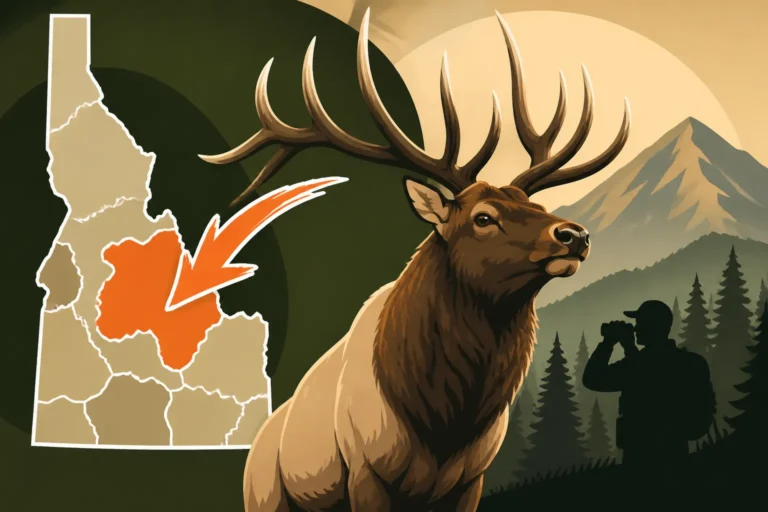
When we talk about wolf impact on Idaho elk, certain areas immediately come to mind where declines were pronounced and widely discussed. The Lolo Zone (Unit 10 and 12, primarily) and portions of the Selway Zone (Units 16A, 17, 19, 20) are often cited as prime examples. These regions, characterized by dense timber, rugged terrain, and deep snow winters, became strongholds for wolves, and concurrently, saw significant drops in elk calf recruitment and overall elk numbers. Hunters who once consistently found elk in these areas noticed a stark difference, with animals becoming much more elusive and widely dispersed. The impact here was undeniable, leading to reduced tag allocations and intense management debates.
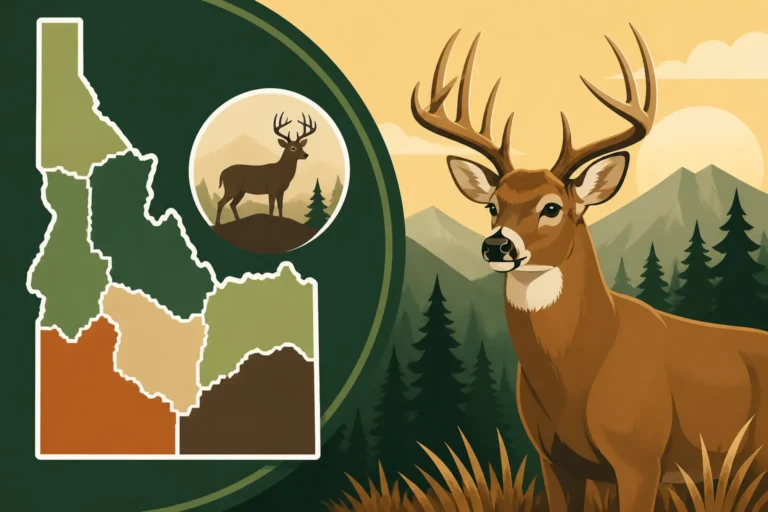
However, Idaho is a large state, and not every elk zone experienced the same fate. In some areas, particularly in agricultural fringes or regions with different habitat compositions, elk populations have remained relatively stable or have even continued to grow, despite the presence of wolves. These areas might have better escape cover, more diverse forage, or simply different ecological conditions that allow elk to better cope with predation pressure. For instance, the Owyhee Desert or parts of eastern Idaho might offer different dynamics compared to the dense forests of the Panhandle. Understanding Elk Herd Distribution by Zone reveals this mosaic of conditions, reminding us that generalizations about "Idaho elk" often miss the subtle but important regional variations that define their populations. The success you have with E-Scouting an Idaho Unit Before the Season depends greatly on these specific, localized conditions.
The Nuance of Hunter Perceptions and Scientific Data
The emotional impact of wolf reintroduction on the hunting community cannot be overstated. For many, hunting is deeply tied to tradition, identity, and a connection to the land. When they witness a decline in elk numbers in their favorite hunting spots, or find elk harder to locate, it's natural for hunters to feel frustration, sadness, and often, anger, especially towards wolves. These personal observations, born from years of boots-on-the-ground experience, are incredibly valuable and reflect real changes in localized hunting success and effort.
However, scientific data, while often slower to accumulate and interpret, paints a broader, sometimes more complex picture. While science consistently confirms significant wolf predation on elk and impacts on calf survival in certain areas, it also highlights the compounding effects of habitat quality, other predators, disease, and weather patterns. The scientific community strives to quantify these multiple stressors, providing a foundation for adaptive management. Reconciling these two perspectives—the often immediate and deeply personal observations of hunters with the broader, long-term trends and multiple variables assessed by scientists—is an ongoing challenge. Platforms like GoHunt aim to bridge this gap by providing data-driven insights that can validate hunter experiences while also offering a wider ecological context, helping hunters make informed decisions, such as which areas might offer better Hunting Opportunity in Unit 43. The debate continues, but a healthy dialogue requires acknowledging both the lived experience and the empirical evidence.
The Path Forward: Balancing Predator and Prey
Idaho's wildlife management is an ongoing endeavor, particularly when it comes to the intricate relationship between wolves and elk. There's no single, easy answer, but rather a continuous process of learning, adapting, and striving for ecological balance that supports both healthy predator and prey populations, along with sustainable hunting opportunities.
Ongoing Research and Collaborative Efforts
The work of understanding wolf-elk dynamics in Idaho is far from over. Wildlife biologists and researchers continue to conduct studies, utilizing advanced technologies like GPS tracking and genetic analysis, to gain deeper insights into wolf behavior, pack dynamics, and their precise impact on elk recruitment and survival. These studies often focus on specific units or zones to understand localized effects, recognizing that a one-size-fits-all approach is insufficient in a state as ecologically diverse as Idaho. Researchers are also looking at how elk themselves are adapting, exploring changes in migratory patterns, use of cover, and calving strategies in response to persistent wolf presence.
Beyond the scientific community, collaborative efforts involving IDFG, universities, conservation groups, and hunting organizations are crucial. These partnerships foster data sharing, facilitate public understanding, and sometimes lead to innovative solutions. For instance, initiatives focused on improving elk habitat through forest thinning or prescribed burns might indirectly benefit elk by providing more forage and cover, making them more resilient to predation. This collaborative approach recognizes that managing a complex ecosystem requires diverse perspectives and a shared commitment to the long-term health of Idaho's wildlife resources. Understanding the details within the Idaho Controlled Hunt Calendar, April Through August is often part of these collaborative conversations.
The Hunter's Role in a Dynamic Ecosystem
Hunters have always been, and continue to be, vital stakeholders in Idaho's wildlife management. In this dynamic ecosystem, their role is more important than ever. By participating in discussions, providing accurate harvest reports, and supporting science-based management, hunters contribute directly to the health of the herds they pursue. Ethical hunting practices, such as making clean shots and diligently tracking animals, ensure that every harvest is respectful and contributes to data integrity. Moreover, adapting hunting strategies to the realities of a wolf-present landscape is essential. This might mean refining calling techniques for Calling Elk on Pressured National Forest Ground or putting in extra miles to find undisturbed elk.
Hunters also serve as critical eyes and ears on the ground, providing valuable anecdotal observations that can complement scientific data. Reporting wolf sightings, unusual elk behavior, or any other relevant observations to IDFG can help paint a more complete picture for managers. Ultimately, the future of Idaho's elk herds, and the hunting opportunities they provide, depends on a shared understanding and a collaborative spirit. It means accepting that the landscape has changed, and embracing the challenges and responsibilities that come with being part of a wilder, more complex ecosystem. The opportunity to witness and participate in the natural cycle of predator and prey in Idaho remains a profound and deeply rewarding experience.
Idaho Elk and Wolf Population Trends
To offer a clearer perspective on how Idaho's elk numbers have shifted in relation to wolf presence, the following table summarizes general trends. It's important to remember that these are broad categorizations and specific herd units within each zone can vary.
| Region/Zone | Pre-Wolf Reintroduction (Est. 1980s-early 1990s) | Post-Wolf Reintroduction (Est. 2000s-present) | Primary Trend | Contributing Factors (Beyond Wolves) |
|---|---|---|---|---|
| Lolo Zone | Strong, high-density elk herds | Significant declines, persistent low numbers | Dramatic Decrease | High wolf density, deep snow, limited winter range, habitat changes. |
| Selway Zone | Healthy populations, good calf recruitment | Notable declines, particularly in timber | Moderate to Significant Decrease | High wolf density, remote terrain, other predators (bear, lion), forest succession. |
| Dworshak Zone | Stable to increasing numbers | Mixed impact, some localized declines | Variable, generally stable to slight decrease | Wolf presence, but also habitat projects, diverse forage. |
| Salmon Zone | Good numbers, diverse habitat | Stable to slight declines | Generally Stable | Moderate wolf density, vast habitat, varied terrain, relatively resilient elk. |
| Sawtooth Zone | Robust, managed herds | Relatively stable, some local fluctuations | Generally Stable | Wolf presence, but also strong management, diverse habitat, other prey species. |
| Boise River Zone | Healthy, managed populations | Stable to increasing | Stable to Increase | Lower wolf density, focus on management in accessible areas, winter feeding programs, diverse forage. |
| Pioneer Zone | Good numbers, thriving populations | Stable, good calf ratios | Generally Stable | Lower wolf density, strong winter ranges, active management. |
| Southern Idaho Ranges | Strong, often high-density herds | Stable to increasing | Stable to Increase | Low wolf density, open country, agricultural interface, targeted management. |
Note: This table provides a generalized overview. Elk population dynamics are complex and can vary significantly from unit to unit within these broader zones.
Disclaimer
The information provided in this guide is for general educational and informational purposes only. Hunting regulations, wildlife populations, and environmental conditions are subject to change. Always consult the most current Idaho Fish and Game regulations and official resources before planning any hunting trip or making management decisions.