Spike-Only Bull Rules Inside Idaho A Tag Seasons
Many hunters, particularly those new to the Gem State or exploring different opportunities, often find Idaho's elk tag system a bit perplexing. The concept of "spike-only" bull rules within specific A Tag seasons adds another layer of complexity, leading to confusion about what can be harvested and why these restrictions exist. This comprehensive guide will demystify spike-only bull hunts during Idaho's A Tag seasons, explain the rationale behind them, and provide practical advice for a successful and compliant hunt.
Deciphering Idaho's A Tag and B Tag System for Elk
Idaho's approach to managing its vast and healthy elk herds involves a nuanced tag system that can initially seem daunting. Understanding the fundamental differences between A Tags and B Tags is paramount, as this distinction directly influences hunting seasons, weapon choices, and specific harvest restrictions like the spike-only rule. It's not just arbitrary; it's a strategic framework designed for sustainable wildlife management.
The Core Distinction: A Tags and B Tags
Idaho's system can sometimes feel like a labyrinth, but at its heart, the A and B tags dictate not only when you can hunt but often how you can hunt, especially for elk. Generally speaking, A tags are structured to provide earlier season opportunities, frequently aligning with the traditional archery or muzzleloader seasons. These tags often target specific timeframes when elk are still relatively unpressured or in the early stages of the rut. In contrast, B tags typically cover later seasons, extending into the heart of the general rifle season, and consequently see higher hunter participation and different weapon types. This distinction is crucial because the "spike-only" rule almost exclusively appears within certain A Tag seasons, adding a significant layer of consideration to your hunt planning.
When you're sifting through the Idaho Fish and Game regulations, you'll encounter units or zones listed with specific A or B tag hunt options. Understanding Idaho Elk Zones and the A Tag or B Tag Choice is the critical first step in determining your potential opportunities. You might find yourself drawn to an A tag season because it perfectly aligns with a specific window of time you can get away from work, or perhaps you have a deep preference for hunting with a bow or muzzleloader. However, it is absolutely vital to dig deeper into the specific unit's regulations for that A tag. This is precisely where the "spike-only" language frequently emerges, fundamentally altering the type of bull you can legally harvest and thus the entire dynamic of your hunt.
How A Tags Lead to Spike-Only Regulations
A tags, because they often overlap with these early archery or muzzleloader seasons, are frequently utilized by Idaho Fish and Game as a tool to manage elk populations with a lighter hand on the bull segment. By limiting harvest to spike bulls during these specific periods, the primary intent is to provide additional protection for mature bulls. This strategy allows these older animals to age further, grow more impressive antlers, and continue to contribute to the breeding pool, enhancing herd genetics and overall trophy quality for later seasons. It's important to note that this isn't universally the case across all A tag seasons, but it represents a common and effective management tool. Essentially, it's a strategic trade-off: hunters gain access to an earlier season, often during prime hunting conditions, but accept a more restrictive harvest quota targeting only younger, unbranched bulls.
For many hunters, especially those venturing into Western elk hunting for the first time, encountering the "spike-only" rule can be a moment of surprise, or even a slight disappointment if they were initially dreaming of a massive, multi-tined bull. However, it's an indispensable component of Idaho's comprehensive strategy to maintain healthy, robust, and sustainable elk herds across the state. If your plans include pursuing an A tag, you should proactively understand that while A Tags Favor Archery and Muzzleloader Hunters, this benefit often comes hand-in-hand with the specific requirement of targeting only younger, single-point bulls. This knowledge will help you set realistic expectations and adjust your hunting approach accordingly, ensuring you have a positive and legal experience in the field.
Defining "Spike-Only" in Idaho Elk Hunting
The term "spike-only" seems straightforward, but in the heat of the moment, distinguishing a legal spike bull from other antlered elk can be incredibly challenging. Misidentification can lead to serious consequences, making a crystal-clear understanding of Idaho's specific definition absolutely essential for any hunter.
What Qualifies as a Spike Bull
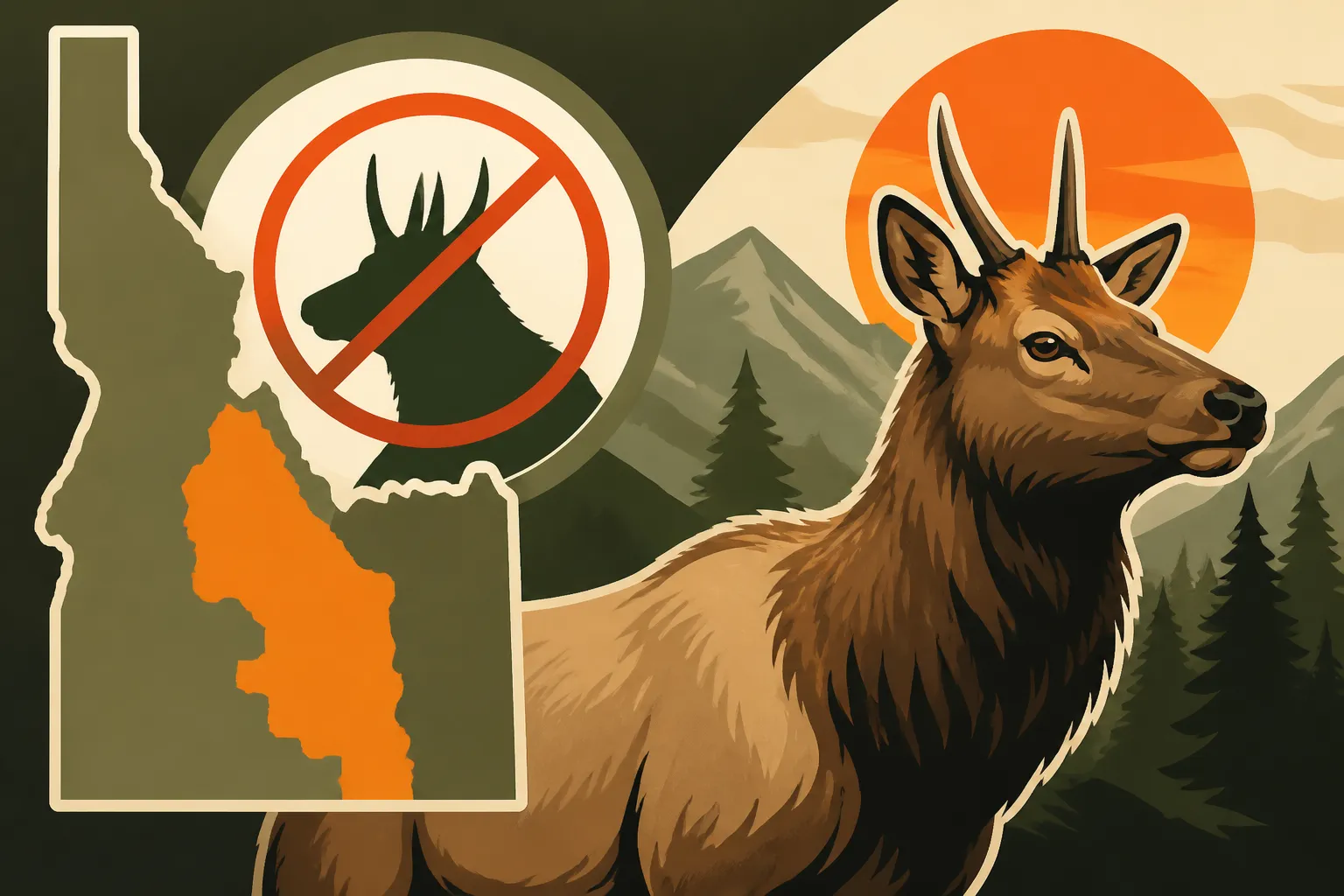
This is where clarity is non-negotiable. In Idaho, the official definition of a "spike bull" is an antlered elk with at least one antler that is a single, unbranched projection. Picture it clearly: a straight, pointy antler, utterly devoid of any tines or forks branching off it. The length of the spike is irrelevant; what matters is the complete absence of branching. If any part of an antler exhibits a discernable branch or fork, even the smallest bump or protrusion, it immediately disqualifies that animal from being classified as a legal spike bull for regulatory purposes. This distinction is absolutely critical to avoid the severe penalties associated with accidentally taking an illegal animal.
It can be surprisingly tricky to make this judgment call accurately in the field. Factors such as low light conditions, the dense cover of timber, or the quick movement of an animal can obscure your view and lead to misidentification. Many seasoned hunters will recount experiences where they were convinced they saw a legal spike, only to discover upon closer, calmer inspection that it was actually a small two-point or "fork-horn" bull, which would be unequivocally illegal in a spike-only unit. This underscores the paramount importance of achieving absolute positive identification before you even contemplate nocking an arrow or shouldering your rifle. Never rush the shot; take the extra seconds to confirm your target.
Distinguishing a Spike from Other Bulls
Beyond the simple, official definition, the ability to reliably distinguish a spike in dynamic field conditions is your biggest practical challenge. A 2×2 bull (meaning two points on each side) is obviously not a spike, presenting no confusion. But what about a bull that has one perfectly straight spike and one antler with a tiny, barely perceptible fork? Or a bull with two seemingly uniform spikes, but one has a small, suspicious-looking bump that might be a developing brow tine? These are the scenarios where ambiguity can quickly creep in and lead to costly errors. The rule is explicitly clear: "at least one antler that is a single, unbranched projection." This means that if either antler possesses any form of branching, no matter how minor, the animal is not a legal spike.
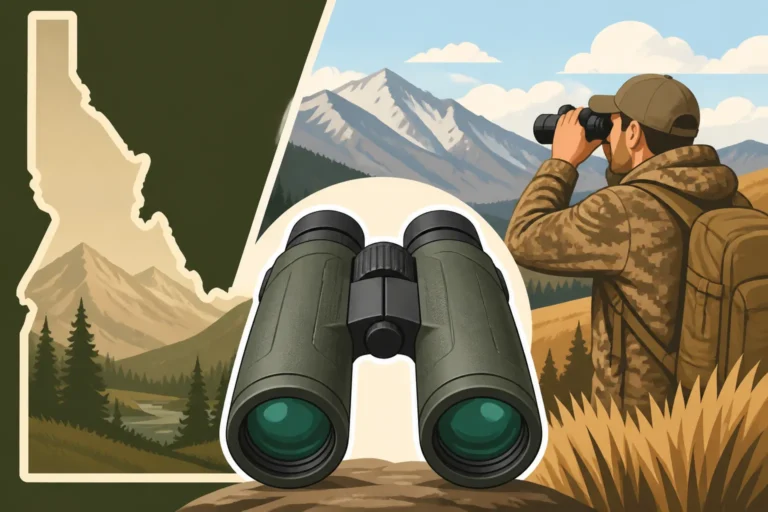
This strict interpretation necessitates that you dedicate ample time and thoroughly utilize your optical aids to confirm your target. Do not rely on a fleeting, quick glance or assumption. Your binoculars or spotting scope are indispensable tools for carefully examining both antlers of any bull you intend to harvest. For bowhunters, this requirement means getting even closer, ensuring not only that you have a clear, ethical shot opportunity but also an unimpeded, definitive view of the antlers. The adrenaline and pressure of the moment can significantly impair judgment, so it is highly advisable to practice identifying spikes during your scouting trips or by reviewing identification guides and videos to sharpen your skills before the season opens.
The Management Philosophy Behind Spike-Only Hunts
Idaho's wildlife management is built on scientific principles aimed at sustaining healthy game populations. The implementation of spike-only hunts is not arbitrary but rather a carefully considered strategy to achieve specific conservation and recreational objectives.
Protecting Mature Bulls for Herd Health and Opportunity
The primary and overarching reason Idaho Fish and Game implements spike-only rules in certain A Tag seasons is rooted in strategic conservation. By specifically limiting the harvest to young, unbranched bulls, the state aims to provide additional protection for the majority of its yearling and mature bull population. This protective measure allows these older bulls to survive another year, or even many more, providing them the crucial opportunity to grow larger, more developed antlers and, perhaps most importantly, to contribute significantly to the breeding pool. This strategy is instrumental in fostering overall herd health by helping to maintain a robust and desirable bull-to-cow ratio, ensuring a higher percentage of older, more genetically diverse bulls within the population structure.
This approach represents a long-term investment in Idaho's elk herds. While it's understandable that some hunters might prefer the opportunity to harvest any bull they encounter, the spike-only restriction serves as a vital tool to build and sustain a healthier, more balanced herd structure over time. This, in turn, can directly translate into better hunting opportunities in future seasons, particularly during B Tag or general rifle seasons where "any-bull" harvest is more commonly permitted. Ultimately, it's about striking a careful balance between providing diverse recreational opportunities for hunters and adhering to sound, science-backed wildlife management principles. This foresight ensures that Idaho's iconic elk populations remain strong, vibrant, and accessible for generations of hunters to come.
Balancing Hunter Pressure and Harvest Goals
Beyond genetic and population health, spike-only seasons also function as a sophisticated tool to strategically distribute hunting pressure and achieve specific harvest goals across various seasons and weapon types. The earlier archery and muzzleloader seasons, frequently associated with A tags, naturally attract a distinct demographic of hunters who value the challenge and unique experience these methods offer. By implementing spike-only rules during these periods, the overall take of mature bulls is intentionally reduced, preventing over-harvesting during the early part of the season. This careful management ensures that a greater number of mature bulls remain available for later general hunts, which typically experience higher hunter participation and cater to a broader range of weapon preferences.
This tiered system is a clever way to offer more diverse hunting experiences without unduly concentrating pressure on critical segments of the bull population. Some hunters genuinely prefer the specific challenge and immersive experience of an early season archery hunt, even if it means conscientiously targeting a spike. Others are willing to patiently wait for a later rifle season, holding out for a chance at a larger, mature bull. These regulations effectively create distinct layers of opportunity, preventing intense, concentrated pressure on mature bulls during key periods like the peak of the rut and ensuring sustainable, balanced harvest rates across the vast Idaho landscape. Hunters using platforms like GoHunt can often filter their research to find units and tags that align with these specific hunting preferences.
Effective Hunting Strategies for Spike-Only Seasons
Hunting for spike bulls in Idaho's A Tag seasons requires a refined approach. While the size of the animal might be smaller, the challenge of locating, identifying, and ethically harvesting a spike still demands skill and precision.
Adapting Your Scouting and Calling Techniques
When preparing for an A tag season, your scouting efforts need to be strategically focused. Instead of exclusively searching for areas with large, mature bull sign, shift your attention to locations where cows and calves tend to congregate. Spike bulls, being younger and often less dominant, will frequently be found either mixed in with these cow-calf groups or patrolling their immediate fringes, occasionally venturing to challenge smaller satellite bulls. You'll want to adjust your e-scouting using tools like GoHunt, which can provide detailed maps and data layers, and your physical scouting to pinpoint these types of groups. Don't overlook crucial resources like traditional feed-to-bed routes, water sources, and areas offering dense thermal cover, as these are places where younger, less dominant animals feel more secure and are more likely to spend their time.
Your calling strategy will also benefit from adaptation. While aggressive locator bugles can still be effective for initially locating elk in a broad area, you might find more consistent success with softer, more subtle cow calls and inquisitive calf calls when actively trying to draw in younger, curious bulls. Spike bulls are often less wary and more prone to investigate sounds, particularly if they perceive them as coming from a potential cow group. Be exceptionally patient once you start calling, set up carefully to conceal your presence, and be absolutely prepared to make a rapid, positive identification of your target once an animal comes into view. Remember, the ultimate goal isn't just to call an elk, but specifically a legal spike bull. Understanding Bugle and Cow Call Timing Through September can further refine your approach.
Patience, Positive Identification, and Ethical Shots
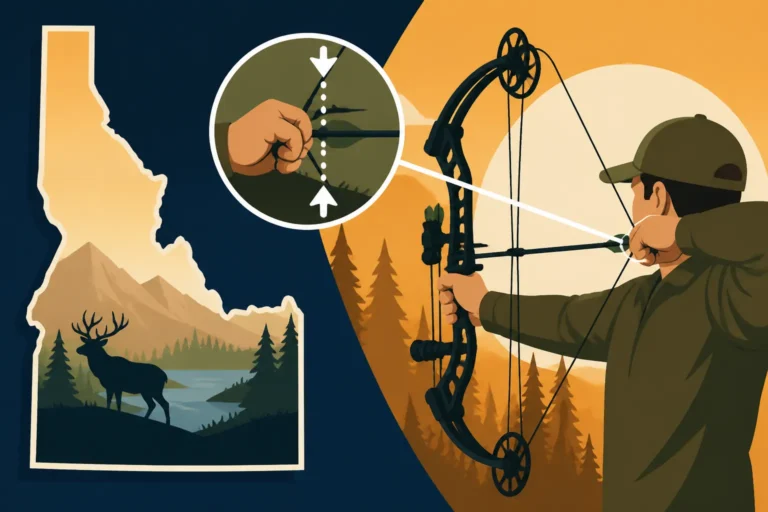
Patience truly is a cardinal virtue, perhaps even more so, in spike-only seasons. You might encounter several small bulls throughout your hunt, but only a select few may actually qualify as legal spikes. It is absolutely crucial to resist the intense temptation to rush a shot if you harbor any doubt whatsoever about the antler configuration. This cautionary principle is especially pertinent for archery hunters, where the need to close significant distance to the animal directly impacts your ability to make a definitive, positive identification. Get as close as you ethically and safely can, meticulously use your optics to confirm the spike status, and wait for a clear, broadside shot that allows for an unambiguous view of the antlers.
For those hunting with a bow, ensuring your arrow setup is optimally prepared for the task is non-negotiable. Considerations such as Arrow Weight That Gets Through an Elk are paramount for achieving sufficient penetration, regardless of the bull's perceived size. Delivering an ethical, clean shot is always your highest priority, and the fact that it's a spike bull certainly doesn't diminish its right to a quick and humane harvest. Remember that knowingly or unknowingly taking a non-spike bull in a spike-only unit can lead to severe and significant penalties, which may include hefty fines, the suspension of your hunting privileges, and the potential confiscation of the harvested animal. Always, without exception, err on the side of extreme caution and responsible judgment.
Navigating Idaho's Regulations and Resources
Successfully hunting in Idaho, especially within the specific parameters of A Tag spike-only seasons, hinges on a thorough understanding of the regulations and the effective use of available resources. The sheer volume of information can be overwhelming, but knowing where to find reliable, up-to-date guidance is half the battle.
How to Confirm Spike-Only Rules for Your Unit
The single most critical step any hunter must take is to always consult the official Idaho Fish and Game regulations specific to the current hunting year. This cannot be stressed enough. Never, under any circumstances, rely on outdated regulations, information from previous seasons, or casual forum discussions. The Idaho Fish and Game department makes slight adjustments and updates to regulations annually, and what applied to one unit last year, or even an adjacent unit this year, may not apply to your chosen hunt area. You bear the sole responsibility of verifying the precise rules for your selected Game Management Unit (GMU) and the exact A tag season you intend to hunt. The Idaho Fish and Game website is your definitive, primary source, providing clear, legally binding details that govern your hunt.
When you're navigating the Idaho Fish and Game website or utilizing comprehensive hunting platforms like GoHunt's Insider, pay meticulous attention to the "General Elk Seasons" tables. These tables are organized by unit and tag type and will explicitly state "spike bull only" if that restriction applies to your chosen hunt. Crucially, also review any footnotes or special provisions that pertain to your specific GMU and A tag. Beyond the harvest rules, take the time to understand Reading an Idaho Harvest Statistics Report for your chosen unit. This invaluable resource can offer deep insights into the types of bulls typically harvested in that area, providing you with a realistic sense of what to expect in terms of bull quality and herd composition.
Utilizing Digital Tools and Official Resources
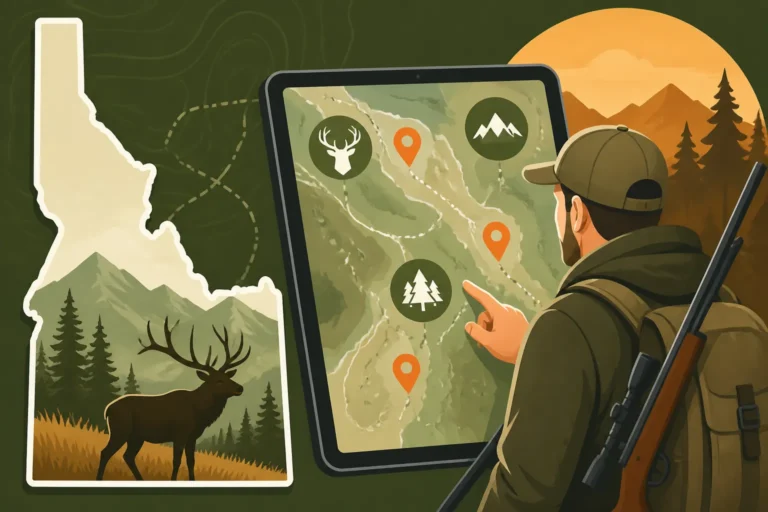
Idaho Fish and Game provides an array of excellent resources specifically designed to assist hunters in planning their trips and understanding the rules. The Idaho Hunt Planner Is the Tool to Start With for thoroughly researching units, checking drawing odds for controlled hunts, and confirming season dates. This robust, interactive map application allows you to overlay various layers, including precise unit boundaries and elk zones, which greatly simplifies the visualization and understanding of your potential hunt area. Many savvy hunters also significantly leverage sophisticated third-party mapping and planning tools, such as the GoHunt Insider platform. These platforms often consolidate much of the publicly available information, adding advanced data analysis for drawing odds, detailed public land access information, and more, all presented in an intuitive format.
Beyond these indispensable digital tools and general regulations, always remember that local Idaho Fish and Game offices are staffed with dedicated experts who are readily available to answer your specific questions. If you find yourself unsure about the precise definition of a spike in a particular field scenario, or if you need clarification on a complex unit boundary, do not hesitate to reach out to them. It is always, unequivocally, better to ask a question beforehand than to make a costly and potentially illegal mistake in the field. Furthermore, understanding the nuances of other relevant regulations, such as Idaho's Motorized Hunting Rule Keeps You on the Road, can significantly impact your overall hunting experience and ensure complete compliance with state laws.
The Realities and Rewards of Spike-Only Elk Hunting
While the pursuit of a massive, trophy-class bull often dominates the narrative of elk hunting, the realities of spike-only seasons offer a different, yet equally rewarding, experience. It's about adjusting expectations, appreciating the unique challenges, and recognizing the tangible benefits these hunts provide.
Managing Expectations and Embracing the Opportunity
For some hunters, the initial idea of a spike-only hunt might feel somewhat limiting, especially if their mental image of an elk hunt involves pursuing a colossal, mature bull. It is incredibly important to actively adjust your mindset and instead embrace the unique and valuable opportunity that an A tag spike-only season genuinely offers. These hunts, contrary to popular misconceptions, often provide a truly fantastic and engaging experience in the field, replete with ample opportunities to encounter elk, test your woodsmanship, and hone your hunting skills. A spike bull, regardless of its antler size, remains a magnificent animal, providing an abundance of delicious, ethically harvested meat and the profound satisfaction of a hard-earned, successful hunt.
Consider a spike-only hunt as an excellent stepping stone, particularly if you are new to elk hunting in Idaho's incredibly diverse and challenging terrain, or if you are specifically venturing into archery or muzzleloader hunting. It can serve as an exceptional way to build foundational experience, gain a deeper understanding of elk behavior and movement patterns, and meticulously refine your hunting techniques. This acquired knowledge and confidence will undoubtedly serve you exceptionally well on future "any-bull" hunts, where you can then leverage your refined skills to pursue larger, more mature animals. Furthermore, studying resources like When the Elk Rut Actually Peaks Out West can give you an edge in understanding elk movement during these early seasons.
The Meat and the Memories
While the size of antlers often serves as a common metric of success for many hunters, the deepest and most enduring rewards of any hunt invariably reside in the totality of the experience, the inherent challenge overcome, and, for many, the freezer full of lean, organic, wild game meat. A spike bull, despite its smaller stature, provides a substantial quantity of high-quality meat, often noted for its tenderness compared to that of a more mature, older bull. For a significant number of hunters, this bounty of sustenance is the ultimate prize, and a spike-only tag offers a very real and attainable chance at filling the freezer for the coming year.
Beyond the tangible meat, these hunts are rich in the creation of lasting memories. The invigorating crispness of the early morning air, the intense focus required for a challenging stalk, the breathtaking and often rugged landscape of Idaho — these are the quintessential elements that collectively render elk hunting such a profoundly special pursuit, entirely irrespective of the antler size. Whether this is your inaugural elk hunt or your tenth, the successful harvesting of a spike bull in Idaho's A tag season stands as a significant and commendable accomplishment, a true testament to your dedication, perseverance, and honed hunting skill. Considering Elk Herd Distribution by Zone can also help you plan where to create these memories.
Disclaimer
The information provided in this guide is intended for general informational purposes only and does not constitute legal advice. Hunting regulations are subject to change, and it is the hunter's sole responsibility to consult the most current Idaho Fish and Game regulations and statutes before engaging in any hunting activities. Always prioritize safety and ethical hunting practices.