Idaho Mountain Lion Pelt Tagging Rules
Hunting mountain lions in Idaho can be an incredibly rewarding experience, offering a unique challenge in stunning landscapes. However, once you've successfully harvested a cougar, the real work isn't over. Navigating Idaho's specific pelt tagging rules can feel like deciphering an ancient scroll, and making a mistake here can quickly turn a proud moment into a frustrating legal headache. This guide is here to walk you through every step of Idaho's mountain lion pelt tagging process, ensuring you stay compliant and can proudly display your hard-earned trophy.
Why Idaho's Mountain Lion Pelt Tagging Rules Exist
You might wonder why there are so many specific requirements just to tag a hide. It can feel like unnecessary bureaucracy after you've already put in the hard work of a successful hunt. But these rules aren't just for show; they're foundational to how Idaho manages its unique and elusive mountain lion population.
Understanding the Importance of Data for Lion Management
Let's be clear: these rules aren't just bureaucracy. They are absolutely vital for sound wildlife management in the Gem State. Idaho Fish and Game (IDFG) uses the data collected from every single tagged pelt to monitor mountain lion populations across various regions, understand harvest trends year over year, and ultimately ensure sustainable hunting opportunities for future generations of hunters. Without accurate reporting and tagging, the agency would be flying blind, unable to make informed decisions about seasons and quotas.
Mountain lion populations are notoriously tricky to estimate. Unlike deer or elk that might gather in open areas or on winter range, cougars are solitary, secretive, and masters of camouflage. Each tagged pelt, therefore, provides a crucial data point: it tells biologists the precise location, the sex, and sometimes even helps estimate the age of the harvested animal. This collection of data points helps biologists build more accurate population models and set appropriate quotas that reflect the health of the local lion numbers.
So, when you tag your lion, you're not just following a rule; you're actively contributing directly to the conservation efforts that keep Idaho's wild places thriving and huntable. It’s a critical part of our collective responsibility as ethical hunters to support the science that underpins sustainable hunting.
The Role of Quotas and Mandatory Reporting
Idaho manages its mountain lion population primarily through a quota system, which is often broken down by specific Game Management Units (GMUs) or larger regions known as Mountain Lion Quota Areas Explained. This isn't a general "free for all" where you can hunt indefinitely; each area has a set number of lions that can be harvested before the season automatically closes for that specific zone. Without mandatory, timely reporting and subsequent physical tagging, tracking those quotas would be utterly impossible.
The nature of a quota system demands rapid communication. Your prompt report allows Idaho Fish and Game to update the harvest numbers in near real-time and announce unit closures, which helps prevent overharvest. Many seasoned mountain lion hunters will tell you the stress of getting that call in before the quota fills can be as intense as the hunt itself, especially during peak season or in popular units. Knowing the status of the quota for your hunting unit is paramount.
Ultimately, the physical, tamper-proof tag on the pelt is the final, undeniable proof that the animal was legally harvested and properly accounted for under the quota. It’s the official stamp of approval, literally. This is precisely why understanding Idaho Mountain Lion Harvest Reporting Rules is so critical; it’s the gateway to legal possession.
The Step-by-Step Process for Tagging Your Mountain Lion in Idaho
Okay, you've done it! The shot was true, the tracking successful, and you're standing over a magnificent cougar. The adrenaline is pumping, and perhaps you're tired, but now the critical administrative process begins. Skipping any of these steps can turn a triumphant hunt into a very frustrating situation.
Immediate Steps After a Successful Harvest
First and foremost, ensure the animal is indeed a mountain lion and not a protected species. Once confirmed, you must immediately attach your valid mountain lion tag to the carcass. This is a non-negotiable step and must happen right there at the kill site, before you move the animal an inch. Your tag typically has instructions on how to properly attach it, usually to the hide or ear, ensuring it is secure and visible.
The next critical step is to report your harvest. Idaho requires you to report your mountain lion within a very specific and often short timeframe – usually within 72 hours, but you must always check the current year's regulations as these deadlines can change. For hunters deep in the remote backcountry, this often means scrambling to find cell service, hiking miles to a road, or driving to the nearest town. It’s a common frustration, but it’s a hard and fast rule that Idaho Fish and Game enforces strictly.
Reporting methods typically involve calling the nearest Idaho Fish and Game regional office or, in some cases, using an online reporting system if one is available. When you make that call, be ready with your tag number, the specific Game Management Unit (GMU) you harvested the lion in, and the exact date of harvest. This initial report is what puts your lion "on the books" and updates the statewide or unit-specific quota. It’s your official declaration of harvest.
The Physical Pelt Tagging Appointment
After you've made your initial report, the actual physical tagging of the pelt is the next hurdle. You are legally required to present the skull and the entire hide (with proof of sex naturally attached) to an Idaho Fish and Game official for validation and tagging within a specified period – consult the current regulations for the exact timeframe, but it's frequently within 10 days of harvest. This is not a step you can omit if you intend to legally possess the hide or have it professionally tanned or mounted.
So, where do you go, and when? You'll need to locate an Idaho Fish and Game regional office or a designated check station. It is highly, highly recommended to call ahead to schedule an appointment. This is crucial, especially if you're traveling a significant distance. Showing up unannounced might mean a very long wait or even a wasted trip if no one is available to process your animal. Trust me, you don't want a partially processed hide sitting in your cooler or truck longer than absolutely necessary.
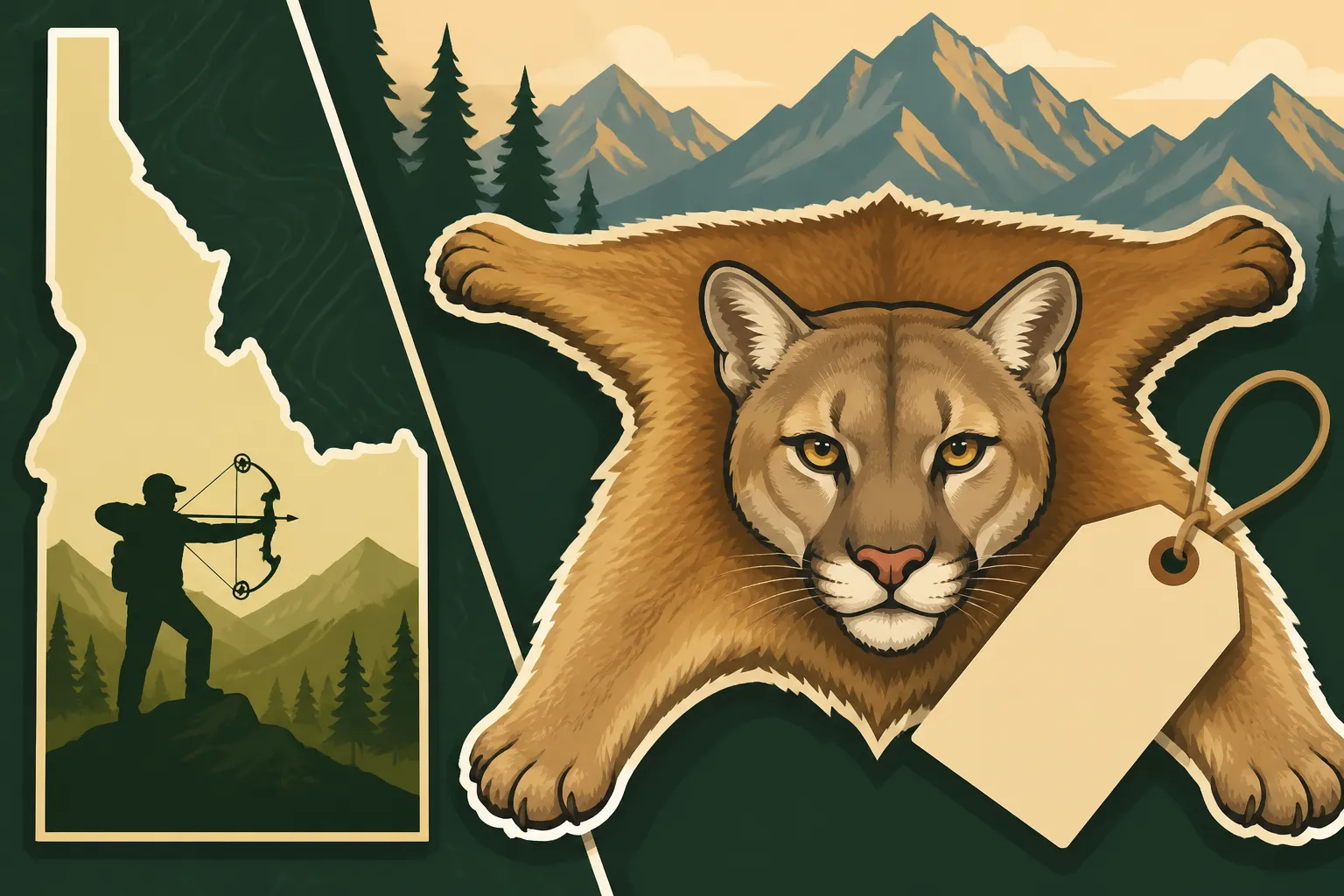
This appointment is where the actual "pelt tag" comes into play. The IDFG official will carefully inspect the hide, verify the sex of the animal (often by checking the reproductive organs, which must remain naturally attached to the hide), and then physically affix a tamper-proof tag to the pelt itself. This tag is unique to your specific lion and serves as its legal identification for possession and transport. Without this official tag, even a legally harvested and reported lion is considered untagged for possession purposes.
| Step | Action Required | Key Details | Timeframe (Always Consult Current Regulations) |
|---|---|---|---|
| 1. Harvest & Initial Tagging | Affix your valid mountain lion tag to the carcass | Must be done immediately at the kill site, before moving the animal. | Immediately |
| 2. Report Harvest | Contact Idaho Fish and Game | Provide tag number, GMU, date of harvest. Online or phone. | Often within 72 hours of harvest |
| 3. Physical Pelt Tagging | Present hide and skull (with proof of sex) | To an IDFG official at a regional office/check station. Call ahead for appointment. Tamper-proof tag affixed. | Often within 10 days of harvest |
What You Need to Bring to the Tagging Station
Don't show up empty-handed! To ensure your tagging appointment goes as smoothly as possible, you'll need a few essential items. First and foremost, bring your valid mountain lion license and the physical tag you attached to the animal. This proves you were legally authorized to hunt and harvest the animal. Without these, you are almost guaranteed to encounter significant issues.
Second, and crucially important, you'll need the entire hide with the skull still attached. The proof of sex, typically the reproductive organs, must also remain naturally attached to the hide. This allows the Idaho Fish and Game official to accurately verify the animal's sex, which is critical for their data collection and sometimes for specific quota management (as some quotas may differentiate by sex). Attempting to present a hide without the skull or the proper proof of sex will almost certainly result in the refusal to tag your animal.
Finally, it's always a good idea to have your general Idaho hunting license and any other relevant permits on hand. While not always explicitly required for this specific step, it helps streamline the overall process and demonstrates your full compliance as a hunter. You might also want to bring a cooler or strong plastic bags to keep the hide and skull cool, especially if you've done some initial fleshing, to prevent spoilage while waiting for your appointment. Remember, you might be transporting this back home after tagging, so proper care is essential.
The Consequences of Improper Tagging and Common Missteps
After all the effort, expense, and time invested in a mountain lion hunt, the last thing any hunter wants is to face legal trouble because of an oversight in the tagging process. It's an all-too-common frustration, but one that's entirely avoidable.
Why Skipping Steps Isn't an Option
It might feel like a lot of hoops to jump through, especially after a physically demanding and mentally draining hunt, but attempting to circumvent or ignore Idaho's pelt tagging rules can lead to serious repercussions. These aren't merely suggestions; they are explicit legal requirements designed to protect the resource, maintain fair chase, and ensure accurate data collection.
Many hunters, particularly those who are new to lion hunting or are non-residents unfamiliar with Idaho's specific protocols, might think they can just "report it later" or "tag it when they get around to it." This mindset is a recipe for disaster. The strict deadlines for both initial reporting and the physical tagging appointment are there for very good reasons, primarily to prevent illegal possession and to allow for real-time, accurate quota management. A delay, even an innocent one, could be misinterpreted as an attempt to hide a harvest or avoid compliance, leading to questioning and potential legal issues.
Imagine the sheer frustration: you've put in countless hours of scouting, hiked miles in rugged Idaho terrain, perhaps even invested in an outfitter and hounds for Idaho Hound Rules for Mountain Lion Hunting, only to have your legal harvest jeopardized by a simple oversight in the administrative process. It's a harsh lesson to learn, and one that is easily avoidable by paying close attention to every detail of the current regulations.
Penalties for Non-Compliance
Let's be blunt: failing to properly tag your mountain lion pelt in Idaho can result in significant legal trouble. We're not talking about a mere slap on the wrist; the penalties can be severe. Consequences can range from substantial monetary fines, potentially running into hundreds or even thousands of dollars, to the confiscation of your hard-earned trophy. Even worse, you could face revocation of your hunting privileges for a period, and in more egregious cases, even criminal charges depending on the severity and intent of the violation. It's simply not worth the risk.
Consider a hypothetical, yet all-too-real, scenario: you decide to try and cape your lion in the field and inadvertently forget to leave the proof of sex naturally attached to the hide. Or, you get busy with work or travel and miss the 10-day window for the physical tagging appointment. When a game warden inspects your hide – which they absolutely can and do, especially during transport or at a taxidermist – you will be found in violation. Even if your intent was pure and you had no malicious intent, ignorance of the law is rarely an acceptable excuse in a court of law.
The ultimate goal of these detailed rules is responsible wildlife management and maintaining the integrity of hunting as a lawful, regulated activity. When someone fails to comply, it undermines the entire system and can cast a shadow on all ethical hunters. Idaho Fish and Game takes these violations seriously to maintain the integrity of their programs and ensure that hunting remains a cherished privilege, not an unregulated free-for-all. Always double-check the latest regulations, perhaps using a platform like GoHunt or directly contacting IDFG, before and during your hunt.
Planning Your Idaho Mountain Lion Hunt with Tagging in Mind
Successful mountain lion hunting in Idaho isn't just about finding tracks or calling in a tom; it's about meticulous planning that extends beyond the shot and includes the critical step of pelt tagging. Being prepared for the administrative side of the hunt is just as important as being prepared for the physical challenges.
Monitoring Quotas and Season Dates
A truly smart mountain lion hunter starts planning well before the season opener, and that includes understanding how pelt tagging connects directly to the hunt itself. Idaho's lion seasons often run for extended periods, but they are almost always quota-driven. This means a unit can close at any time once its harvest quota is met for that specific area. Keeping an eye on these quota closures is absolutely paramount for any hunter.
Many savvy hunters regularly utilize online resources or specialized apps, often provided by services like GoHunt or directly from Idaho Fish and Game, to monitor the real-time status of quotas. It’s heartbreaking to hear stories of a hunter successfully taking a lion only to discover, upon attempting to report, that the unit had closed hours earlier. Always, always know the current status of the quota for your chosen unit, especially if you're pursuing a general season tag, as Idaho Mountain Lion Season and Quota Closures can happen with surprising speed.
Furthermore, be intimately aware of the exact season dates for your specific Game Management Unit (GMU). Some units may have different opening or closing dates, and some may have specific weapon restrictions or hunter densities that can influence your decision on where and when to hunt. Planning your hunt around these factors will significantly reduce the stress of getting your lion checked and tagged within the legal timeframe. Utilizing tools like E-Scouting an Idaho Unit Before the Season can give you a significant advantage in understanding these dynamics.
Logistical Considerations for Remote Hunts
Idaho is a vast state, offering plenty of rugged, remote country that is ideal for pursuing mountain lions. While these wilderness areas promise incredible hunting opportunities, they also present unique logistical challenges when it comes to complying with tagging rules. Cell service is often non-existent in the deep backcountry, making that immediate 72-hour harvest report a real logistical puzzle.
If you're planning a deep backcountry hunt, you need to think critically about how you'll get that initial report in. This might mean investing in a reliable satellite messenger device, planning a daily trip to a known cell service hotspot, or having a non-hunting partner stationed in a communication zone. Do not assume you'll "figure it out" after the shot; have a concrete plan well in advance. Also consider how your chosen access methods, for example, navigating rules like Idaho's Motorized Hunting Rule Runs August Into December, will impact your ability to quickly transport your harvest for reporting and tagging.
Beyond communication, consider the preservation of the hide and skull. You've got limited time before spoilage sets in, especially in warmer weather or if you anticipate delays in getting to a check station. Carrying supplies for initial fleshing, having proper game bags, and a large enough cooler or insulated container designed for pelt transport will save you a lot of grief. Remember, the journey from the kill site to the tagging station is an integral part of the hunt; plan for it as meticulously as you do your stalk. Hunting the Units Around Salmon or other remote areas will certainly require this level of foresight.
Non-Resident Considerations and Permit Requirements
For non-residents, the planning and tagging process often has an extra layer of complexity. Beyond securing a non-resident hunting license and a mountain lion tag, you need to be acutely aware of all Idaho's regulations, which may differ significantly from your home state's laws. Never just assume that rules you know from elsewhere will apply in Idaho.
Non-residents typically travel long distances to hunt, making the immediate reporting and physical tagging deadlines even more challenging. You might need to factor in extra days post-hunt specifically for completing the tagging process before you can even begin your journey home. This means budgeting for additional lodging, extra travel time, and perhaps even the cost of an expediting service if permitted (though for physical tagging, you typically must be present). Utilizing resources like Using onX Layers for Idaho Public Land can help non-residents scout and plan their logistics more effectively.
Always verify all permit requirements well in advance. Some controlled hunts might have different rules, or specific zones might have additional requirements beyond the general season. The GoHunt platform can be a valuable resource for non-residents looking to navigate these waters, but always cross-reference any information with the official Idaho Fish and Game regulations. Making sure you understand details like the nonresident equivalent of the Idaho Resident Hunting License Price and any additional tags is a crucial part of being thoroughly prepared. Even if mountain lions are often over-the-counter, understanding the system through resources like Checking Idaho Drawing Odds Before You Apply can give insight into IDFG's management philosophy.
Disclaimer
This article is for general informational purposes only and does not constitute professional advice. Laws, prices and regulations vary by location and change over time. Consult a qualified professional for guidance on your specific situation.