How Soon You Must Tag a Downed Animal
You've just made that perfect shot, the one you've been dreaming about all season. Your heart is pounding, adrenaline is surging, and there's a mix of immense pride and relief. But amidst that excitement, a crucial question often looms: "Now what? How fast do I need to tag this animal?" It's a question that trips up even seasoned hunters, especially when the regulations aren't clear, or the animal isn't exactly where you expected it to be. Navigating the immediate aftermath of a harvest in Idaho has specific rules, and understanding them perfectly ensures you stay on the right side of the law and respect the game you've taken. This guide is here to walk you through exactly how and when you need to tag your downed animal in Idaho, clarifying the process so you can focus on the incredible experience of the hunt.
The Idaho Requirement: Tagging At The Kill Site
One of the most common misunderstandings in the field is exactly when that tag needs to be on the animal. Many hunters assume they can get the animal back to camp or their truck before validating the tag, especially if it's a long haul. However, Idaho Fish and Game regulations are quite clear on this point, aiming to prevent any ambiguity or potential for illegal activity.
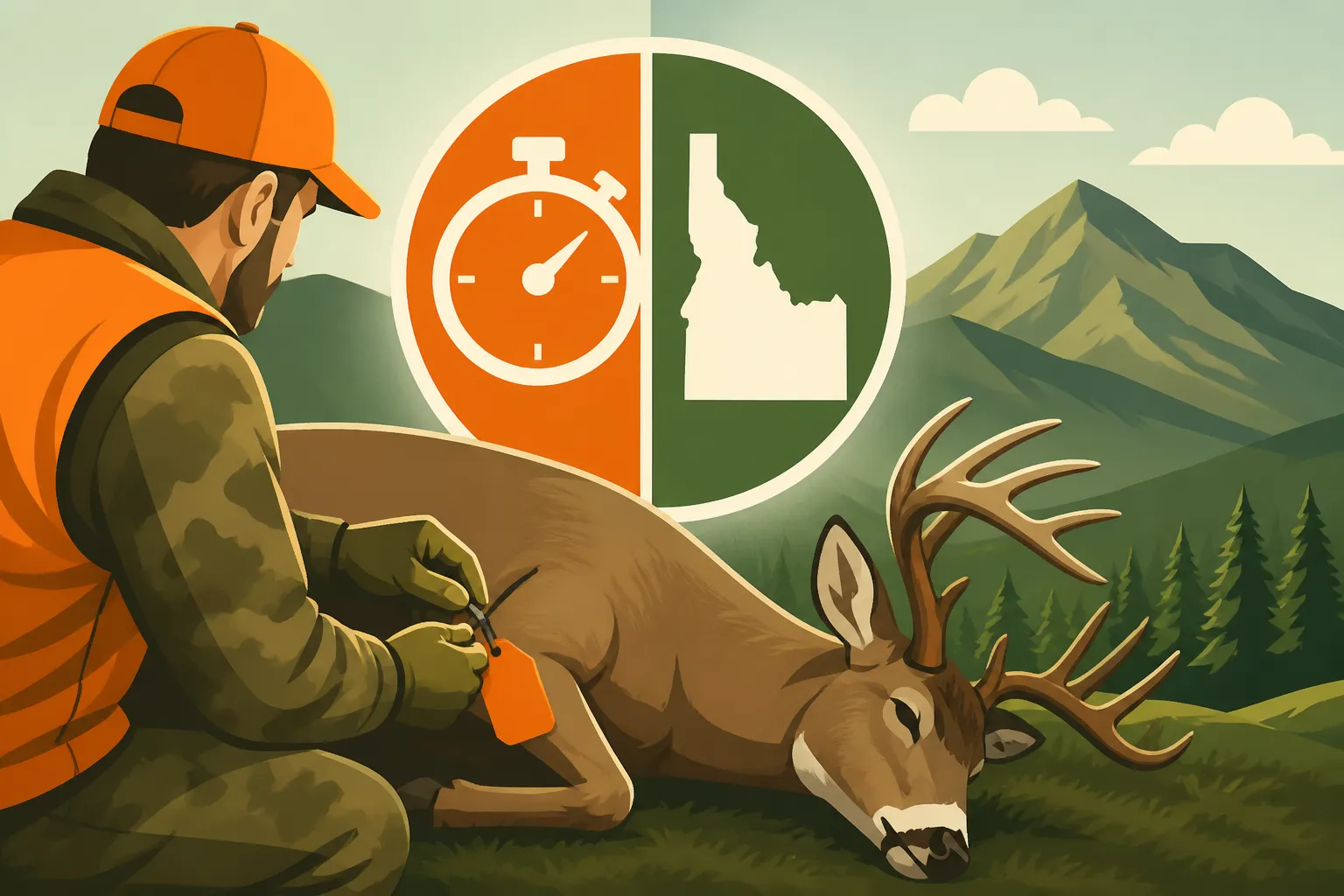
The law states that before you move any big game animal, including deer, elk, moose, bighorn sheep, or mountain goat, from the kill site, you must validate and attach your tag. The "kill site" is where the animal expired. This isn't just a suggestion; it's a mandatory step. Imagine the scenario: you've tracked your bull elk for an hour through thick timber, finally finding it expired in a ravine. The excitement is immense, but the very first official step, after ensuring the animal is truly deceased and safe to approach, is to get that tag punched and securely affixed. This immediate validation helps game wardens verify the legal take of an animal at its point of harvest, preventing issues like tag sharing or mistakenly claiming an animal that wasn't legally taken.
This rule emphasizes the integrity of the hunting process and ensures that every animal harvested is properly accounted for right at the moment of truth. It can feel like a burden, especially if you're alone and facing a massive field dressing job, but it's a critical component of ethical and legal hunting in Idaho.
What "Validate and Attach" Truly Means
It's not enough to just write on the tag. Idaho has specific requirements for validation. Your tag will typically have specific dates and times to notch or circle, indicating the day and hour of the kill. You'll also need to sign it. This process formally "validates" the tag, making it legally used for that specific animal.
Once validated, the tag must be securely attached to the largest portion of the carcass. For most big game animals, this usually means one of the hindquarters or the rib cage, if the animal is field-dressed whole. If you're quartering the animal for packing out, the tag must remain with the largest single portion of the meat. This isn't just about showing good faith; it's about providing clear evidence to anyone, especially a Fish and Game officer, that the animal was legally taken and claimed. You can use string, zip ties, or whatever means necessary to ensure it won't fall off during transport. Losing a tag on the way out of the backcountry can lead to a lot of headaches and potential legal issues, even if you have the best intentions.
Think of it as the animal's official receipt. Without it, verifying the legality of your harvest becomes incredibly difficult, both for you and for the state.
Field Dressing Before Tagging
Many hunters, myself included, will begin the field dressing process right at the kill site, especially if the animal is large and the weather is warm. This is perfectly acceptable and often encouraged for meat preservation. The regulations do not prohibit field dressing before tagging. In fact, it's often more practical to perform the initial field dressing (gutting) at the kill site, as it lightens the load and begins the cooling process for the meat.
However, the sequence is important: the tagging must happen before the animal is moved from that specific kill spot. So, you can field dress your deer or elk, get it ready for quartering or dragging, but you must validate and affix the tag before you physically displace the animal from the exact location where it fell. If you decide to quarter the animal right there, the tag stays with the largest quarter. This ensures that even if you're breaking the animal down into manageable pieces, the evidence of its legal harvest is still clearly present. Remember, even if you are processing the animal further, you still need to adhere to Idaho's rules for Field Dressing and Carcass Transport Rules Explained, which cover how to properly transport the meat and hide.
Practical Scenarios and Common Challenges
While the rules seem straightforward on paper, the reality of hunting often presents unique challenges that can make immediate tagging difficult or confusing. Understanding these scenarios can help you prepare and react appropriately.
The Long Retrieval
Sometimes, an animal doesn't drop in an easily accessible spot. It might run a significant distance after the shot, or roll down into a steep, nasty canyon. Finding the animal can take time, sometimes hours. The regulation states tagging occurs at the kill site. This means once you confirm the animal is dead and locate its final resting place, that's your kill site, and that's where the tag must be validated and attached before you even consider moving it.
This can be especially challenging in rugged terrain. You might be exhausted, it might be getting dark, and the thought of digging out your tag and filling it out in a precarious position might be the last thing you want to do. But it's essential. Make it part of your routine. Always have your license, tag, a pen, and something to attach the tag (like zip ties or string) easily accessible in your pack. Thinking ahead like this can save you a lot of hassle in a high-stress situation.
Hunting with a Party
When hunting with a party, communication is key. If multiple hunters are present when an animal is harvested, everyone needs to be clear about whose tag will be used. Only the hunter who legally took the animal (made the shot that resulted in its death) can use their tag. No, you can't decide to use your buddy's tag just because you forgot yours or already filled it. That's a serious violation.
Once the responsible hunter is identified, their tag must be validated and affixed to the animal at the kill site. If you're helping a friend pack out their animal, always confirm that the tag is properly attached before you start moving any meat. It's a team effort, but individual accountability for the tag is paramount.
Motorized Vehicle Rules and Retrieval
Idaho has strict rules regarding the use of motorized vehicles in hunting, especially when it comes to off-road travel. The Idaho's Motorized Hunting Rule Keeps You on the Road is enforced from August 30 through December 31 in most parts of the state. This rule generally prohibits driving off established roads and trails, which can significantly impact how you retrieve a downed animal.
It's tempting to think you can just drive your ATV or truck to a downed animal, especially if it's "just over there." However, the rule explicitly states you Can You Drive Off Road to Retrieve Downed Game? only if it is done on an established roadway or motorized trail. This means if your animal falls 100 yards off a designated road, you're packing it out on foot. The motorized vehicle rule is another strong incentive to tag the animal at the kill site, as the process of moving the animal could take a considerable amount of time and effort without vehicle assistance. It reinforces the fact that you need to complete the tagging procedure before anything else.
The Role of Evidence and Reporting
Proper tagging is just the first step in a chain of events that ensures a legal and ethical harvest. Idaho Fish and Game also has requirements for maintaining evidence of sex and mandatory reporting, all of which tie into the initial act of tagging.
Evidence of Sex Requirements
For some species and seasons in Idaho, maintaining evidence of the animal's sex until it's processed for consumption is crucial. For example, if you're hunting a "spike-only" or "antlered-only" season for elk, you need to retain a portion of the antler or head until the meat is processed. The tag should generally remain attached to the largest portion of the carcass, but understanding the Evidence of Sex Requirements on a Carcass is vital to avoid any issues later. This is especially true if you quarter the animal extensively in the field; you'll want to ensure the appropriate sex evidence accompanies the tagged portion.
Mandatory Harvest Reporting
After you've successfully tagged your animal and gotten it out of the field, the process isn't over. Idaho Fish and Game requires Mandatory Reporting After an Idaho Harvest for big game species. This typically involves reporting your harvest online or by phone within a specified timeframe, often within 10 days of the kill. The information you provide includes details like the unit where the animal was harvested, the date of kill, and the species. This data is critical for wildlife management, helping the department track harvest success rates, population trends, and allocate tags for future seasons. Your properly validated tag is the legal proof that allows you to make this report. Without it, your report may be invalid, leading to further complications.
Consequences of Improper Tagging
Ignoring the rules for tagging a downed animal isn't just a minor infraction; it can lead to serious legal consequences, including fines, confiscation of your animal, and even loss of hunting privileges. Game wardens take these regulations very seriously because they are fundamental to preventing poaching and ensuring fair chase.
Imagine being stopped by a game warden with an untagged animal in your truck, or a tag that's improperly filled out, or one that's clearly been moved from the kill site. It immediately raises red flags. Even if you have the best intentions, the burden of proof will be on you to demonstrate that you legally harvested that animal. Avoiding these headaches is simple: follow the rules. Validate and attach the tag immediately at the kill site, and ensure all information is accurate.
Summary of Tagging Best Practices
Here’s a quick rundown to keep you on track after you’ve made a successful harvest in Idaho:
| Step | Description | Timing | Key Consideration |
|---|---|---|---|
| Locate and Confirm | Find the downed animal and ensure it is deceased and safe to approach. | Immediately upon finding. | Safety first. |
| Retrieve Tag & Pen | Have your valid tag, license, and a working pen easily accessible. | Always carried during the hunt. | Store in a waterproof bag. |
| Validate Tag | Notch or circle the correct date and time of kill on the tag. Sign the tag. | Before moving the animal from the kill site. | Be precise. |
| Securely Attach Tag | Affix the validated tag to the largest portion of the carcass (e.g., hindquarter, rib cage). | Before moving the animal from the kill site. | Use zip ties or sturdy string; ensure it won't fall off. |
| Field Dress (Optional but wise) | Perform initial gutting to cool the meat and lighten the load. | After tagging, but still at the kill site. | Improves meat quality; reduces weight for transport. |
| Prepare for Transport | Quarter the animal if necessary, ensuring the tag stays with the largest portion. | After tagging and field dressing. | Keep blood out of other meat; respect The Meat Salvage Requirements for Big Game. |
| Transport | Move the animal/meat out of the field, adhering to motorized vehicle rules. | After tagging and initial processing. | No off-road driving unless on established roads/trails. |
| Report Harvest | Report your successful harvest to Idaho Fish and Game online or by phone. | Within 10 days of kill (check regulations). | Crucial for wildlife management; avoid penalties. |
Using tools like the hunting app from GoHunt can be a game-changer for field navigation and reminding yourself of regulations. You can mark your kill site, track your route out, and even quickly look up specific rules if you're in doubt. This kind of technology ensures you're prepared for every step, even the administrative ones.
Final Thoughts on Responsible Harvesting
The act of harvesting an animal is a deeply meaningful part of hunting. It's the culmination of effort, skill, and respect for wildlife. Following Idaho's tagging regulations isn't just about compliance; it's an extension of that respect. By properly and promptly tagging your downed animal, you demonstrate your commitment to ethical hunting practices and contribute to the effective management of Idaho's incredible wildlife resources. So, take a deep breath, savor the moment, and then make sure that tag is punched and attached before you even think about moving that prize.
Disclaimer
Please note that hunting regulations can change. While this article provides current information based on Idaho Fish and Game regulations, it is your responsibility as a hunter to consult the most recent official Idaho hunting regulations brochure or the Idaho Fish and Game website before heading afield.