The Minimum Age to Hold a Hunting Passport
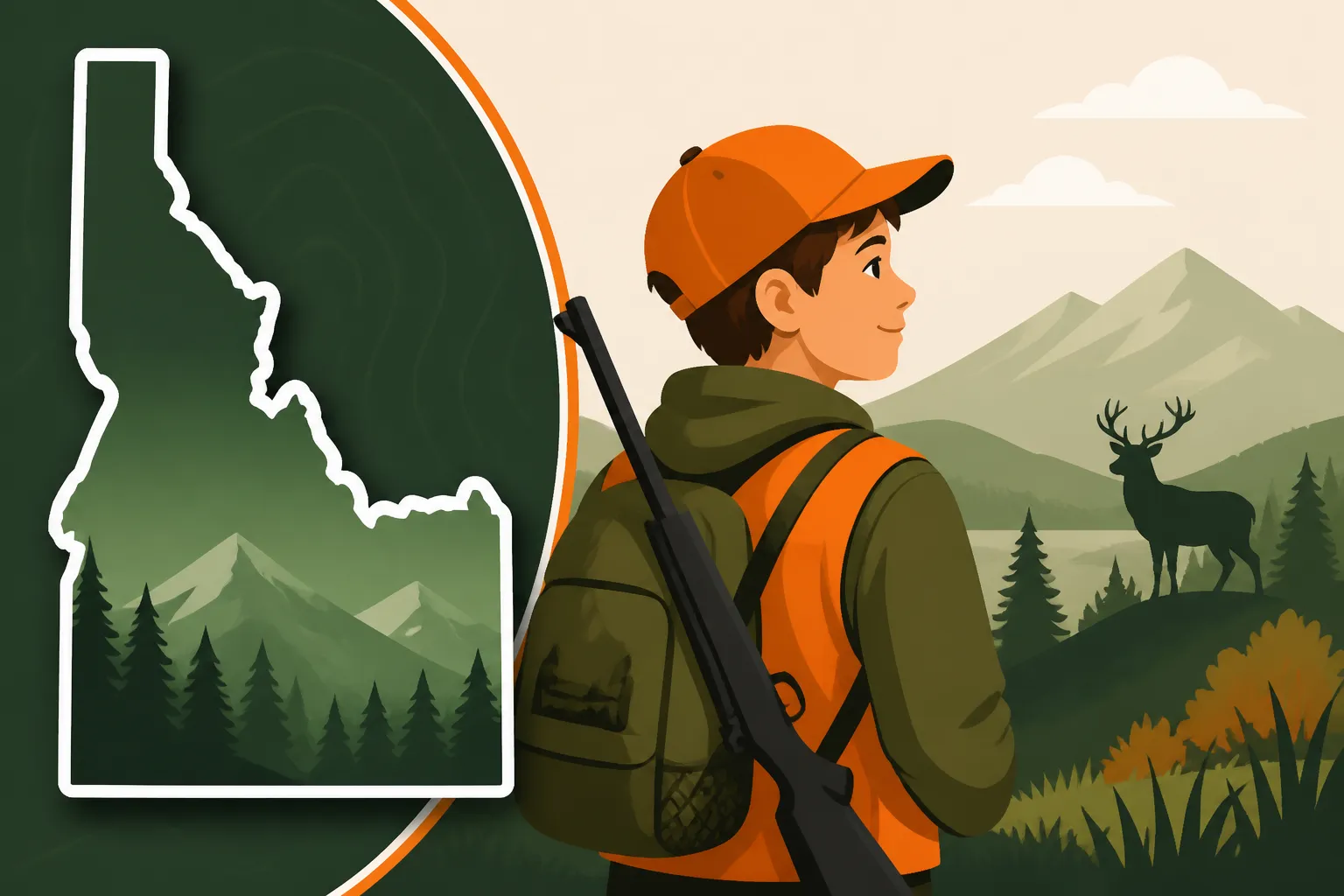
It can be incredibly confusing to navigate the labyrinth of hunting regulations, especially when you're trying to introduce a young, eager hunter to the field. Many parents and guardians feel a real pinch, wanting to share their passion but feeling overwhelmed by permits, licenses, and hunter education requirements. This guide is here to untangle the specifics of Idaho's Hunting Passport program, particularly focusing on the minimum age a youngster needs to be to hold one and how this unique program helps foster the next generation of ethical, responsible hunters.
Understanding Idaho's Hunting Passport Program
Idaho's Hunting Passport program is truly a gem, designed specifically to help new and young hunters get out into the field under direct supervision without first completing a full hunter education course. It's a fantastic stepping stone, allowing mentorship and hands-on experience to precede the formal certification process. This isn't just about getting a license; it's about making that critical first step into hunting accessible and supported.
What the Hunting Passport Actually Is
Think of the Hunting Passport as a provisional hunting opportunity. It's not a full hunting license in itself, but rather an endorsement that allows an uncertified hunter – regardless of age (as long as they meet the minimum age for a given species) – to legally hunt specific game under the direct, one-on-one supervision of a certified mentor. This means if you're keen to take your child, grandchild, or a young friend out for their first squirrel hunt, or even a shot at big game, this passport could be your ticket. The beauty of it is that it bridges the gap between interest and formal commitment, letting new hunters experience the sport firsthand before investing the time in a full hunter education course. This is a brilliant way to bypass that initial hurdle and see if hunting truly sparks a lifelong passion. The flexibility here is a game-changer for families. For a more detailed look into what it covers, you can check out The Idaho Hunting Passport and Who Qualifies.
The Philosophy Behind the Program
The Idaho Fish and Game Department recognized a common barrier: the upfront commitment of hunter education, which can sometimes deter potential new hunters. The passport program was established with a clear goal: to make it easier for individuals, particularly youth, to try hunting. It's rooted in the belief that real-world experience, guided by a knowledgeable and responsible mentor, is invaluable. This isn't about circumventing safety; it's about integrating safety and ethics into a practical learning environment. It’s also about ensuring that Idaho's hunting heritage continues to thrive by lowering the entry barrier for those who might otherwise never experience the outdoors with a firearm or bow in hand. The program really underscores Idaho's commitment to recruiting and retaining hunters, understanding that the best way to learn is often by doing, with the right guidance.
Age Requirements and Eligibility
When it comes to the nitty-gritty of eligibility for a Hunting Passport, the primary focus is often on the young hunters. It's crucial to understand that while there's a general minimum age for the passport itself, there are also specific minimum ages for hunting certain species, which can further impact when a young hunter can participate. It's a layer-cake of regulations, but we'll peel back each one.
The Specific Minimum Age
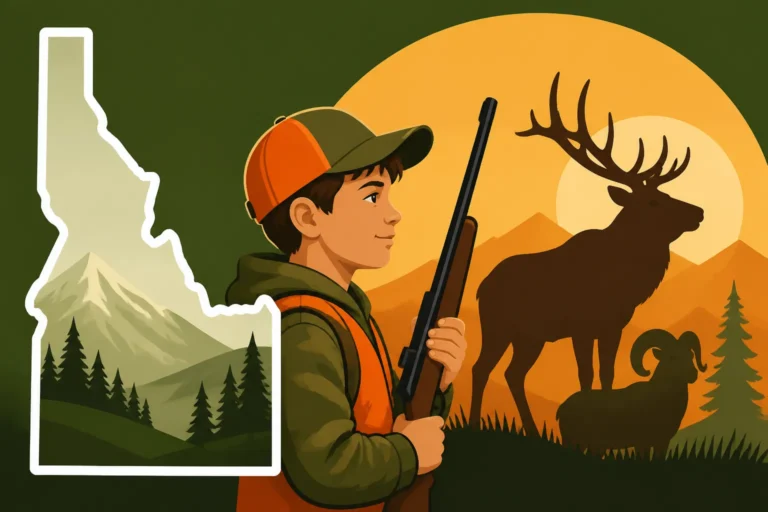
Here's where many people get tripped up: there isn't a single, universal minimum age just for the Idaho Hunting Passport itself in the way there is for a driver's license, for example. Instead, the "minimum age" for a Hunting Passport is directly tied to the minimum age requirements for hunting the specific species a young hunter wishes to pursue. For instance, to hunt big game like deer or elk, a person must be at least 10 years old, regardless of whether they have a Hunting Passport or full hunter education. So, while a 9-year-old could theoretically acquire a Hunting Passport, they wouldn't be able to utilize it for big game until they turn 10. For most small game and upland birds, there isn't a specific minimum age, allowing even younger children to participate with a passport and mentor, as long as they are physically capable and can safely handle a firearm. This nuanced approach allows for greater flexibility while still upholding safety standards appropriate for different types of hunting. If you're wondering about specific big game opportunities, remember that Idaho's Minimum Age for Big Game and Cranes outlines these details precisely.
How the Passport Complements Hunter Education
The Hunting Passport is designed to be a temporary alternative to formal hunter education, not a replacement. In Idaho, anyone born on or after January 1, 1975, is required to complete a certified hunter education course before they can purchase a hunting license to hunt without supervision. The passport program allows these individuals to get into the field before completing that course, but always under the direct supervision of a licensed adult. It's an invaluable tool for those who might be on the fence, or who simply haven't had the time to complete the course yet. It lets them dip their toes in the water, so to speak, building confidence and understanding before committing to the full hunter education program. Many find that the hands-on experience gained through the passport program makes the formal hunter education course much more meaningful later on. For more context on this, you should definitely read Anyone Born After 1974 Needs Idaho Hunter Education, as it clarifies the general requirements.
Who Qualifies to be a Mentor
Being a mentor isn't just about being an experienced hunter; it comes with significant responsibility. To qualify as a mentor under the Hunting Passport program, an individual must be at least 18 years old, possess a valid Idaho hunting license, and be a certified hunter education graduate (if born after January 1, 1975) or be exempt from the hunter education requirement. Furthermore, they can supervise only one mentored hunter at a time when that hunter is actively pursuing big game or dangerous game like bears or mountain lions. This one-on-one rule is critical for safety and effective teaching. For small game, a mentor can supervise up to two individuals at once. The mentor is legally responsible for the mentored hunter's actions, ensuring safe firearm handling, ethical hunting practices, and adherence to all hunting laws and regulations. This isn't a casual role; it's a commitment to shaping a future hunter. For specific details on mentor requirements, refer to Idaho Mentors May Take Two Hunters at Once and The Minimum Age a Mentor Must Be.
Practicalities of Using a Hunting Passport
So, you've got a young hunter ready to go, they meet the age requirements for the species, and you're a qualified mentor. What does using the Hunting Passport look like in practice? It's more than just buying a tag; it's about understanding the scope of the program, its limitations, and the unwavering responsibilities that fall on the mentor's shoulders.
Seasons and Species Covered
The Idaho Hunting Passport is remarkably versatile. It can be used for most general hunting seasons across a wide range of species, including upland game birds, waterfowl, furbearers, predators, and even big game like deer, elk, bear, and mountain lion (subject to species-specific minimum age requirements, as discussed). This flexibility means a young hunter isn't limited to just small game; they can join you on a full-fledged elk hunt, experiencing the thrill and challenge of pursuing larger animals. However, it's important to note that certain controlled hunts or specific lottery-drawn tags might have additional stipulations or require full hunter education for all participants, regardless of mentorship. Always double-check the specific regulations for the hunt you're planning. General season hunts are usually fair game, offering a fantastic opportunity for a mentored hunter to get a taste of almost any type of hunting Idaho offers.
Passport Duration and Renewal
A significant aspect of the Hunting Passport is its temporary nature. The passport is valid for one year from the date of purchase. This means it's not a once-and-done purchase; you'll need to renew it annually if the mentored hunter wishes to continue participating in the program. This annual renewal acts as a gentle nudge for the individual to eventually complete their formal hunter education course. It's designed to provide a limited window for introductory experiences, encouraging the progression towards becoming a fully certified, independent hunter. The hope is that after a year or two of mentored hunting, the young person will be excited enough to complete the hunter education course and embrace hunting as a lifelong pursuit. For precise details on its validity, you can check out How Long an Idaho Hunting Passport Lasts.
Responsibilities of the Mentored Hunter and Mentor
The mentor's role is paramount in the Hunting Passport program. They must maintain direct, one-on-one supervision with the mentored hunter at all times when hunting big game or dangerous game. "Direct supervision" means being close enough to maintain immediate control, give verbal commands, and physically assist if necessary. For smaller game, the supervision can be a bit more relaxed, allowing one mentor to supervise two mentored hunters. The mentor is responsible for ensuring the mentored hunter adheres to all laws, including bag limits, season dates, weapon restrictions, and ethical practices. The mentored hunter, even with a passport, must purchase the appropriate tags for the species they intend to hunt. This isn't a free pass; it's a guided learning experience. For the mentored hunter, their responsibility is to listen, learn, and absorb the lessons of safety, ethics, and conservation. Tools like GoHunt can be incredibly useful for both mentors and mentees to review regulations, scout areas, and ensure they're always compliant with Idaho Fish and Game rules before heading afield.
Here's a quick reference table to help clarify some of the age-related regulations:
| Type of Activity | Minimum Age (General) | Hunter Education Required? | Supervision Required? | Notes |
|---|---|---|---|---|
| Purchase Hunting Passport | No fixed minimum | No | Yes, by mentor | Tied to species-specific minimum hunting age |
| Hunt Big Game (e.g., Deer, Elk) | 10 years old | No (with Passport) | Yes, 1:1 by mentor | Requires appropriate big game tag |
| Hunt Small Game/Upland Birds | No fixed minimum | No (with Passport) | Yes, 1:1 or 1:2 | Mentor: 1 hunter for dangerous game, 2 for non-dangerous |
| Hunt without Supervision | 18 years old | Yes (if born after 1975) | No | Requires full hunting license & hunter education certification |
| Be a Mentor | 18 years old | Yes (if born after 1975) | N/A | Must hold valid Idaho hunting license and be hunter-ed certified |
Common Misconceptions and Planning Tips
Even with the best intentions, it's easy to get confused by the nuances of Idaho's hunting regulations, especially programs designed for youth. Clearing up these common misconceptions and offering some solid planning advice can make all the difference in ensuring a positive and legal experience for everyone involved.
Passport vs. Full License for Youth
One of the biggest misunderstandings is treating the Hunting Passport as equivalent to a full youth hunting license. It's not. A traditional youth hunting license (for those who have completed hunter education) allows a young hunter (typically 12-17 years old, depending on the license type) to hunt unsupervised for certain species, or with less stringent supervision requirements than the passport demands. The Hunting Passport, however, always requires direct, one-on-one supervision from a qualified mentor. The passport is truly designed for that initial "try-it-out" phase. It provides a pathway to experience hunting without the prior hunter education, but it comes with that absolute mandate for constant, close supervision. Once a young hunter gets comfortable and committed, the next logical step is to complete a hunter education course to gain that independence. This move from mentored hunting to independent hunting is a significant milestone for any young hunter. For deeper insights into this transition, consider reading Youth Requirements to Hunt Unsupervised in Idaho.
Maximizing the Mentored Hunting Experience
To truly make the most of the Hunting Passport, meticulous planning is key. First, ensure your mentor is fully aware of their responsibilities and commitment. Second, use this time as a genuine teaching opportunity. Don't just focus on the harvest; emphasize safety, wildlife identification, tracking, ethical shot placement, field dressing, and especially, the conservation aspect of hunting. GoHunt, for instance, offers robust mapping and information resources that can help you scout areas for optimal learning experiences, identifying public lands, understanding terrain, and even predicting game movement. This isn't just a hunt; it's a mobile classroom. Take the time to explain why certain rules exist, like the motorized hunting rules that prohibit driving off established roads, or why understanding wind direction is crucial. These are the formative lessons that build a responsible hunter. Practicing shooting skills in a safe environment before the hunt is also vital for confidence and ethical hunting.
Looking Beyond the Passport
The Hunting Passport is a fantastic starting point, but it's important to view it as just that – a start. The ultimate goal should be for the young hunter to complete their full hunter education course. This certification opens up a world of possibilities, allowing them to hunt independently as they get older, purchase tags without needing a mentor, and potentially even hunt in other states that recognize Idaho's certification. Encourage them to take the online course, followed by any required field day, to solidify their knowledge and skills. It’s an investment in their future as a hunter, equipping them with the comprehensive knowledge to be safe, ethical, and self-reliant in the field. After all, the joy of hunting is truly amplified when you have the skills and confidence to pursue game responsibly on your own terms. Getting their hunter education done is how they secure that independence, and The Idaho Hunter Education Birth Year Cutoff is a good resource to understand when that becomes a strict requirement.
Disclaimer
Please note that hunting regulations, including age requirements and passport program details, can change. Always consult the most current Idaho Fish and Game regulations or contact the Idaho Fish and Game Department directly for the most up-to-date and accurate information before planning any hunting activity.