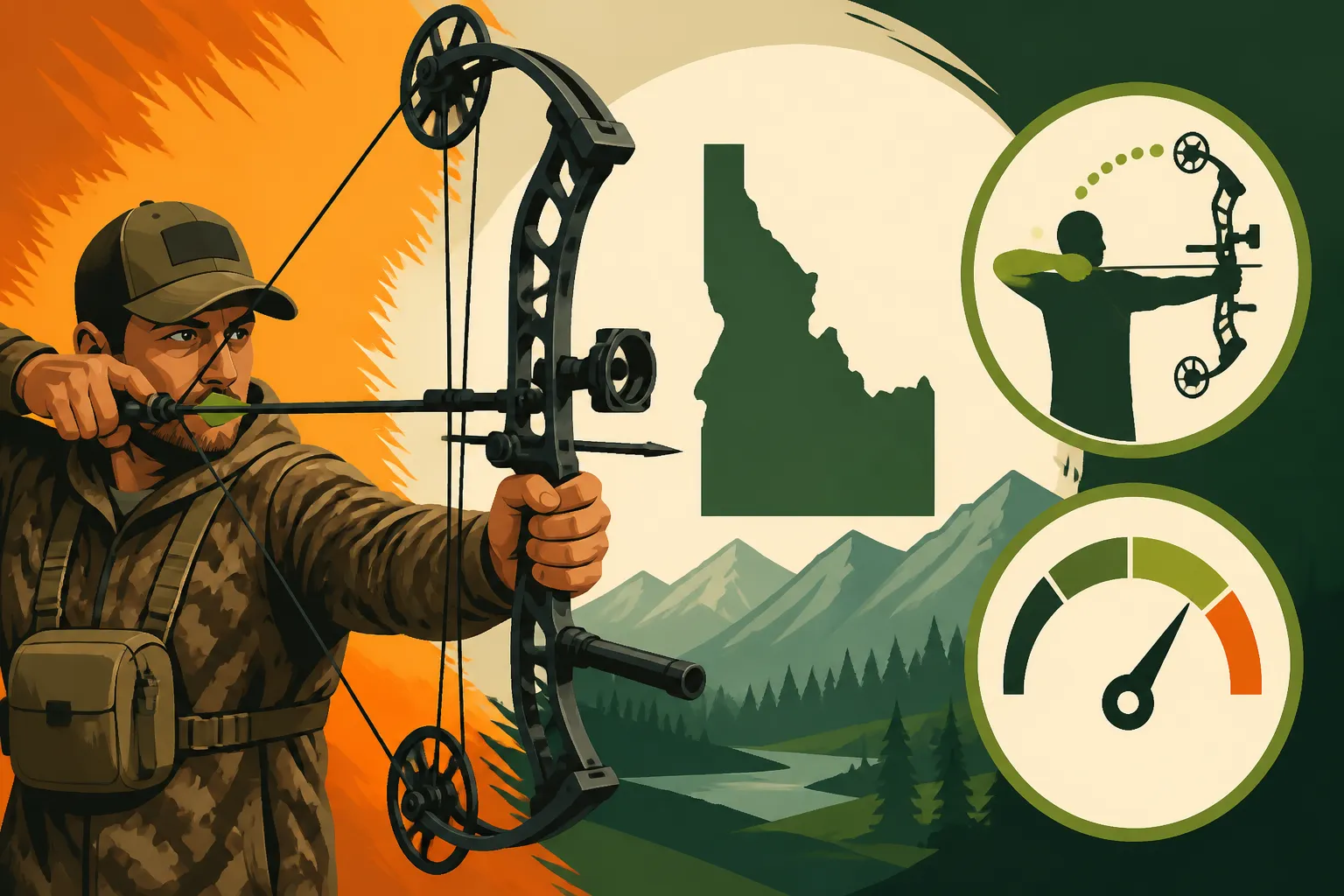
Compound Bow Let-Off and Measured Draw Weight
It's incredibly frustrating when you're trying to dial in your archery setup for an Idaho hunt, only to get bogged down in the technical jargon of "let-off" and "measured draw weight." You just want to know your bow is legal and effective, but the details can feel like a foreign language. This guide is here to cut through the confusion, explaining exactly what these terms mean, how they interact, and why understanding them is crucial for a successful and ethical hunting experience in the Gem State.
The Science Behind Compound Bow Let-Off
When you pick up a compound bow, one of the first things you notice is how much easier it is to hold at full draw compared to a traditional recurve or longbow. That relief you feel? That's let-off in action. It's a game-changer for bowhunters, but it's also a concept that often gets misunderstood.
What Let-Off Actually Means for an Archer
Simply put, let-off is the percentage reduction in the amount of weight you need to hold at full draw compared to the peak weight you pulled to get there. Imagine pulling a 70-pound bow. Without let-off, you'd be holding all 70 pounds, straining your muscles and making it tough to aim steadily. But with modern compound bows, as you near the end of your draw cycle, the cams rotate and let off a significant portion of that weight. This means you might only be holding 10-20 pounds at full draw, even though you pulled 70 pounds to get it back. This mechanical advantage allows for more stable aiming, longer hold times, and ultimately, more precise shot placement, especially when that trophy animal is giving you a narrow window of opportunity. It's truly a marvel of engineering, making archery accessible and effective for many more hunters than traditional bows alone.
How Cams Create Mechanical Advantage
The magic of let-off lies entirely in the eccentric wheels, or "cams," at the ends of your bow's limbs. Unlike the round wheels of an older compound or the fixed tips of a traditional bow, modern cams are distinctly egg-shaped or elliptical. As you draw the bowstring back, these uniquely shaped cams rotate, creating a leverage system. Initially, as you begin the draw, the mechanical advantage is low, so you feel the full resistance of the limbs – this is your peak draw weight. However, as the cams continue their rotation towards the very end of the draw cycle, their geometry shifts dramatically. The string effectively rolls around a different radius on the cam, creating a much higher mechanical advantage. This is the "valley" where the let-off kicks in, dramatically reducing the force required to hold the string back. It's a finely tuned system designed to maximize energy storage in the limbs during the draw, then release it efficiently and with minimal effort from the shooter at full draw. This sophisticated interaction is why Compound Bow Let-Off and Measured Draw Weight are so intertwined.
Common Let-Off Percentages and What They Feel Like
Let-off percentages on compound bows typically range from about 65% to 90%, though some newer models might push beyond that. A bow with 65% let-off means if you have a 70-pound peak draw weight, you're still holding around 24.5 pounds at full draw (70 * 0.35). On the other hand, a bow with 85% let-off would only require you to hold 10.5 pounds (70 * 0.15) at the same peak weight. The difference in feel is substantial. Higher let-off percentages are generally more comfortable, allowing you to hold at full draw longer without fatigue. This can be a huge advantage when waiting for an animal to step into an open shooting lane or for the perfect quartering-away shot angle to present itself.
However, a higher let-off can also mean a shorter "valley" in the draw cycle, making the bow feel a bit more "touchy" or prone to wanting to jump forward if you relax too much. Conversely, lower let-off bows tend to have a longer, more forgiving valley, but you'll feel the increased holding weight much sooner. It’s a trade-off between comfort and stability versus potential forward creep. Ultimately, the best let-off percentage is a personal preference, one that you'll discover through practice and by feeling out different bows at your local pro shop.
Understanding Measured Draw Weight for Hunting Success
While let-off dictates how comfortable your bow feels at full draw, it's the measured draw weight that truly defines the power and legality of your setup. This is a critical factor for any hunter, especially when navigating Idaho's regulations for big game.
Peak Draw Weight: The Initial Pull
Peak draw weight refers to the maximum force, measured in pounds, that you exert to pull the bowstring back during the draw cycle. It's the highest point of resistance you'll encounter before the let-off kicks in. For Idaho hunters, this measurement is paramount because the state has minimum draw weight requirements for certain species. For example, to hunt deer, elk, moose, or bighorn sheep with a bow, your setup must meet Idaho Requires a 40-Pound Bow at a 28-Inch Draw. This isn't just an arbitrary number; it's a standard established to ensure sufficient kinetic energy and momentum for an ethical kill. The idea is to have enough power to drive a broadhead through the vital organs, ensuring a quick and humane harvest. Your bow's limbs are typically rated for a specific range of peak draw weights, like 60-70 pounds, which can often be adjusted within that range by tightening or loosening limb bolts.
Holding Weight: The Sustained Aim
Distinct from peak draw weight, holding weight is the actual force you need to sustain at full draw, thanks to the mechanical advantage of your cams. As discussed, this is where let-off truly shines. If your bow has 80% let-off and a 60-pound peak draw weight, your holding weight would only be 12 pounds. This reduced weight allows for much steadier aiming, giving you precious extra seconds to settle your pin on a deer's vitals as it walks through an opening. It significantly reduces muscle fatigue, which is a massive advantage during those moments of intense focus. Imagine holding 60 pounds for 30 seconds versus 12 pounds – the difference in your ability to make a clean shot is profound. The ability to hold steady is also directly related to your Realistic Archery Practice Distance for Big Game. Without a comfortable holding weight, consistent accuracy at hunting distances becomes much more challenging.
Why Idaho Cares About Peak Draw Weight
Idaho Fish and Game regulations are quite clear about minimum peak draw weights for big game, primarily because they are directly tied to the ethical harvesting of animals. The regulations often specify Idaho Minimum Peak Draw Weight for Any Bow, which for many big game species is 40 pounds, measured at a 28-inch draw length. This standard is in place to ensure that a bow is capable of generating enough kinetic energy to achieve a clean pass-through with a sharp broadhead, maximizing the chances of a quick, humane kill. A bow with insufficient draw weight might wound an animal, leading to unnecessary suffering and a lost harvest.
It’s not enough for your bow to simply feel powerful; it must meet the legal standard when measured accurately. This is why understanding How Idaho Measures Draw Weight at 28 Inches is so important. Pro shops have specialized scales and methods to verify your bow meets these requirements. Hunters should regularly check their bow's actual draw weight, especially after making adjustments or if they've acquired a used bow. Don't leave this to chance – compliance with these regulations isn't just about avoiding a citation; it's about upholding ethical hunting practices that respect the animals we pursue.
Balancing Let-Off and Draw Weight for Idaho Hunts
Finding the sweet spot between comfortable let-off and sufficient draw weight is a personal journey, but it's a critical one for success in Idaho's diverse hunting landscapes. There's no one-size-fits-all answer, but understanding the interplay between these two factors will help you make an informed decision.
Maximizing Comfort Without Sacrificing Power
The goal for any bowhunter should be to shoot the heaviest draw weight you can comfortably and accurately control, not just pull back. Many hunters make the mistake of cranking their bow to the maximum 70 pounds, only to find they shake, rush the shot, or can't hold steady when an animal presents itself. While a higher peak draw weight generally translates to more kinetic energy and momentum, a heavier draw weight that compromises your shooting form or stamina is actually detrimental. It’s far better to shoot 60 pounds smoothly and accurately than 70 pounds with a struggle.
This is where let-off becomes your friend. A higher let-off percentage can make a heavier peak draw weight feel much more manageable, giving you the best of both worlds: ample power and comfortable holdability. When you're out in the field, cold and fatigued, those extra seconds of steady aim provided by high let-off can be the difference between a clean harvest and a missed opportunity. This balance is especially important when you consider a strenuous climb to get to your hunting spot in the mountains, where Physical Conditioning for Idaho Backcountry is paramount.
Choosing the Right Setup for Your Target Species
Idaho is home to a wide array of big game, from whitetail and mule deer to elk and moose. While the 40-pound minimum draw weight applies to most big game, optimizing your setup for a specific species can significantly improve your odds. For smaller animals like deer, a 40-50 pound bow with a solid arrow and sharp Fixed Blade Against Mechanical Broadheads on Elk can be perfectly effective. You might prioritize a slightly higher let-off for comfort during longer waits in a stand.
However, if you're chasing bull elk or even moose, you might consider bumping up your peak draw weight to 60-70 pounds, if you can comfortably shoot it. More draw weight, combined with a heavier Arrow Weight That Gets Through an Elk, will deliver greater kinetic energy and momentum, which is vital for penetrating the thicker hides and denser bone structures of larger animals. A lower let-off might offer a slightly more aggressive shot cycle, preferred by some, but always prioritize accuracy. Researching the typical shot scenarios for your target species can guide your decision. Will you be shooting long distances from a sagebrush flat, or up close in the timber? Your anticipated shot distance and animal size should heavily influence your draw weight and arrow combination.
Considering Shot Placement and Ethics
Regardless of your bow's peak draw weight or let-off, ethical hunting always comes down to shot placement. A perfectly placed shot with a minimum legal draw weight bow will be far more effective than a poorly placed shot with the most powerful setup on the market. Understanding the anatomy of the animal you're pursuing and practicing to consistently hit the vitals is non-negotiable.
Your equipment plays a supportive role in this. A bow that you can comfortably draw, hold steady, and shoot accurately will increase your chances of making that ethical shot when it matters most. Never choose a setup that pushes your physical limits to the point where accuracy suffers. The ethical responsibility of a hunter is to ensure a quick, humane harvest, and that starts with knowing your equipment and your capabilities. This means rigorous practice, proper bow tuning, and a deep respect for the animals we pursue. Remember, the goal is not just to hit the animal, but to hit it well.
Practical Tips for Bowhunters in Idaho
Getting your bow setup just right is an ongoing process, not a one-time event. For Idaho hunters, consistent practice, diligent maintenance, and smart planning are key to maximizing the effectiveness of your draw weight and let-off.
Testing Your Setup: The Range and Beyond
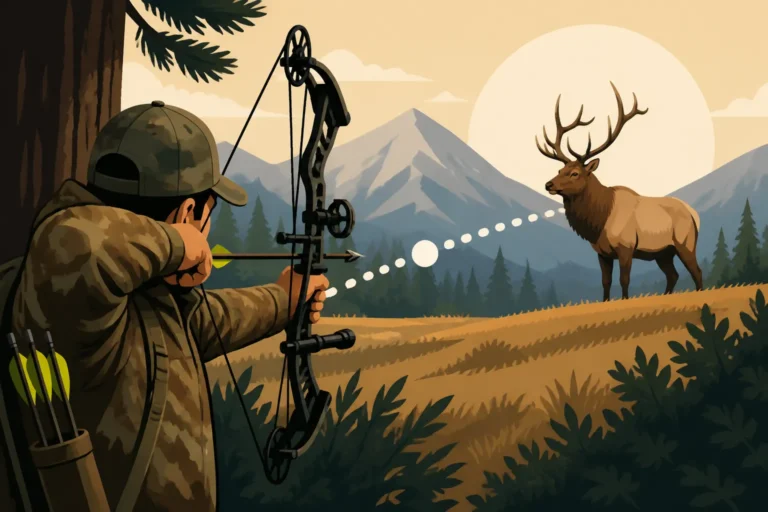
The archery range is your best friend. Don't just fling arrows; practice under realistic hunting conditions. Test your bow at various draw weights if it's adjustable, and get a feel for how different let-off percentages impact your hold and aiming stability. Practice drawing your bow quietly and smoothly, especially if you have a lower let-off that can be more prone to "creeping" forward. Shoot from different positions – standing, kneeling, sitting – and practice drawing with your hunting layers on. If you plan to hunt in the mountains, practice after a strenuous hike to simulate the fatigue you might feel in the field. This also helps you determine your true Realistic Archery Practice Distance for Big Game.
Consider using tools like a bow scale to verify your actual peak draw weight and ensure it meets Idaho's legal minimums for the species you're pursuing. Many bow shops will do this for you, and it's a small investment for peace of mind and legal compliance. Remember, a bow that feels comfortable in the backyard might feel like a beast after a long climb up a steep ridge.
Maintenance and Tuning for Optimal Performance
Even the most expensive bow won't perform optimally without proper maintenance and tuning. Your let-off and draw weight are tied directly to the health of your cams, strings, and cables. Regularly inspect your bow for any frayed strings, worn cam bearings, or loose limb bolts. Take it to a reputable pro shop for annual tuning. They can ensure your cam timing is perfect, which directly affects how your let-off feels and performs. A well-tuned bow is quieter, shoots more consistently, and maximizes the energy transfer to your arrow.
This meticulous attention to detail is just as important as your arrow weight or broadhead choice. A slight inconsistency in cam timing can change your actual draw weight or let-off, impacting accuracy and possibly even putting you out of compliance with regulations. Investing in a proper Bow Tuning Worth Doing Before a Mountain Hunt will pay dividends when it's time to make the shot count.
Leveraging Tools for Planning and Preparation
In today's digital age, there are incredible resources available to help you plan your Idaho hunt, even down to fine-tuning your archery setup. Platforms like GoHunt offer detailed maps, drawing odds, and harvest statistics that can help you understand the terrain and challenges of specific hunting units. While GoHunt focuses on hunt planning, the insights you gain about terrain and expected shot distances can inform your bow setup. If you're going after mule deer in open country, you might anticipate longer shots, reinforcing the need for maximum accuracy and a comfortable holding weight. Conversely, if you're stalking whitetails in dense timber, quick, quiet draws might be more critical, influencing your let-off preference.
Utilize these planning tools to visualize your hunt. Think about the physical demands and how they might affect your ability to draw and hold your bow. This proactive approach ensures that when you finally step foot in Idaho's breathtaking wilderness, you're not just equipped with a legal bow, but with a system that you've practiced with, understand, and trust implicitly.
Navigating the nuances of compound bow let-off and measured draw weight is a fundamental part of becoming a proficient bowhunter, especially in a state like Idaho with its specific regulations. By understanding how these mechanics work, why they matter, and how to optimize them for your individual capabilities and target species, you're not just ensuring legal compliance, but setting yourself up for a more ethical, confident, and ultimately, more successful hunting experience. May your draws be smooth and your arrows fly true!
Disclaimer
The information provided in this guide is for general educational purposes only and is not intended as legal advice. Hunting regulations, including those pertaining to archery equipment, can change frequently. Hunters are solely responsible for consulting the most current official Idaho Fish and Game regulations and any local ordinances before participating in any hunting activity. Always confirm your equipment meets all legal requirements for the species and season you intend to hunt.