Does Hunter Education Include a Field Day?
Navigating the world of hunting regulations, especially when you're just starting or coming from another state, can feel like trying to read a map in a blizzard. One of the most common questions and sources of confusion for new hunters, or even seasoned folks looking to get certified in Idaho, revolves around hunter education: specifically, whether a "field day" is part of the deal. It's a valid concern because hands-on experience can make all the difference, and you want to be sure you're meeting all the requirements. This guide is here to untangle those rules and clearly explain what Idaho's hunter education entails, particularly regarding practical field components.
Understanding Idaho's Hunter Education Requirements
Before we dive into the nitty-gritty of field days, it’s crucial to understand the foundation of Idaho’s hunter education program. This program isn't just a hurdle to jump through; it's a vital component designed to ensure hunters are safe, responsible, and knowledgeable about wildlife, conservation, and ethical practices. The state takes its hunting heritage seriously, and with that comes the responsibility of making sure everyone participating is well-prepared.
Who Needs Hunter Education in Idaho?
The first thing you need to figure out is whether you even need to take a hunter education course in the first place. Generally speaking, if you were born on or after January 1, 1975, and you plan to purchase a hunting license in Idaho, you're going to need to show proof of hunter education certification. This applies to both residents and non-residents alike, so don't think you can just show up from out of state without it. It's a clear-cut rule that helps maintain a baseline of safety and knowledge across the hunting community. You can read more about this specific requirement in our detailed guide on Anyone Born After 1974 Needs Idaho Hunter Education.
There are a few exceptions, of course. For instance, if you’ve held a hunting license in another state or country that had an equivalent hunter education program, Idaho might accept that certification. However, you'll need to provide verifiable proof. Another common exception is for those participating in Idaho's mentored hunting program, which allows eligible individuals to hunt under the direct supervision of a licensed adult mentor without first completing hunter education. But even in these cases, understanding the core principles taught in hunter education is incredibly beneficial for a safe and ethical hunt.
The Core Goal of Hunter Education
At its heart, hunter education aims to instill a strong sense of responsibility and safety. It covers everything from firearm handling and archery safety to wildlife identification, shot placement, and ethical hunting practices. Think of it as your foundational course in becoming a truly conscientious outdoors person. It's not just about passing a test; it's about internalizing principles that protect you, other hunters, and the wildlife you pursue.
The curriculum is designed to prevent accidents, promote respectful interaction with private landowners, and ensure that hunters understand their role in wildlife conservation. You'll learn about game laws, responsible shot angles, field dressing techniques, and even basic survival skills. It’s a holistic approach, recognizing that hunting involves more than just pulling a trigger or releasing an arrow. It's a commitment to a tradition and an ecosystem.
Does the Idaho Hunter Education Course Include a Field Day?
This is where much of the confusion lies, and it's a perfectly valid question because the answer isn't a simple "yes" or "no" across the board. Idaho's hunter education program offers different pathways to certification, and whether a field day is required often depends on the specific course format you choose.
The Online Course Experience
For many busy individuals, the convenience of an online hunter education course is incredibly appealing. You can complete the coursework at your own pace, from the comfort of your home, fitting it around your work and family commitments. The online curriculum typically covers all the theoretical knowledge: firearm safety, ethical hunting, wildlife identification, game laws, and much more. Sites like hunter-ed.com or Kalkomey’s offerings provide comprehensive online programs that meet Idaho’s standards.
However, here’s the crucial part: completing an online-only course in Idaho does not automatically grant you full certification. After finishing the online portion, you'll typically receive a voucher or certificate of completion for the online segment. To become fully certified and get that official Idaho Hunter Education card, you are generally required to attend a follow-up "field day" or "field course." The online portion teaches you the "book smarts," but the state wants to see you apply some of that knowledge hands-on and demonstrate safe practices. It’s a two-step process: online learning, followed by a practical assessment. Our guide on How Long the Online Hunter Education Course Takes provides more detail on the time commitment for this first phase.
The Traditional Classroom Setting
If you prefer a more structured, in-person learning environment, Idaho also offers traditional classroom courses. These courses are typically taught by certified volunteer instructors over a series of days or evenings. The advantage here is the direct interaction with experienced hunters and the opportunity to ask questions in real-time. Often, these traditional classroom courses do integrate the practical, hands-on elements, including live-fire exercises, as part of their comprehensive curriculum.
In many cases, choosing a traditional classroom course means the "field day" component is already built into the schedule. The instructors will guide you through safe firearm handling, proper shooting techniques, and other practical skills directly within the course timeframe. This can be a great option for those who learn best with direct instruction and appreciate the camaraderie of learning with fellow aspiring hunters. Comparing these options is key, and our article Online and Classroom Hunter Education Compared can help you weigh the pros and cons.
Practical Skills and Live Fire Requirements
Regardless of whether you start with an online course and then attend a field day, or take a comprehensive in-person class, Idaho's hunter education certification process places a strong emphasis on practical skills. This often includes a live-fire exercise where you demonstrate safe firearm handling, loading, unloading, and shooting proficiency under the direct supervision of an instructor. It's not about being a sharpshooter, but rather proving you can safely operate a firearm.
Beyond shooting, field days or integrated practical sessions also cover other vital skills. You might learn how to properly cross a fence with a firearm, safely negotiate rough terrain, identify different types of game animals, or practice responsible shot placement on a target. These hands-on elements are designed to bridge the gap between theoretical knowledge and real-world application, ensuring that certified hunters are not only knowledgeable but also competent in the field. This direct experience is often what people are asking about when they wonder, "Does hunter education include a field day?" — and the answer for full certification in Idaho is almost always a resounding yes, in one form or another. This is crucial for proving your certification out in the field.
Choosing the Right Hunter Education Path for You
Deciding which route to take for your hunter education in Idaho can feel like a big decision, but it really comes down to your personal learning style, schedule, and comfort level with firearms and outdoor skills. Both the online-plus-field-day and the traditional classroom options lead to the same certification, so it's about what works best for you.
Online vs. In-Person: A Closer Look
Let's break down the two primary paths more clearly. The online course offers unparalleled flexibility. You can chip away at the modules during your lunch break, late at night, or whenever you have a spare moment. This is ideal for those with unpredictable schedules or for self-starters who prefer to learn at their own pace. However, the trade-off is that you must then locate and register for a separate field day. This often means coordinating with the Idaho Department of Fish and Game (IDFG) schedule and potentially traveling to a specific location on a set date. Sometimes these field days can fill up quickly, especially closer to hunting seasons, so planning ahead is crucial.
On the other hand, the traditional classroom course provides a more immersive, all-in-one experience. You get direct instruction, peer interaction, and often the practical field exercises are baked right into the multi-day schedule. This is excellent for visual and auditory learners, or for anyone who appreciates the discipline of a set class schedule. It also eliminates the need to separately find and register for a field day, as it's typically part of the package. The main downside here is the fixed schedule, which might not work for everyone. Many find that going this route is more engaging, especially when learning things like Reading Wind in Steep Timbered Country which benefits from interactive discussion.
| Feature | Online Course (Plus Field Day) | Traditional Classroom Course |
|---|---|---|
| Flexibility | High (self-paced online) | Low (fixed schedule) |
| Learning Style | Independent, self-motivated | Interactive, group-based |
| Time Commitment | Online: 6-8 hours; Field Day: 4-6 hours | Typically 10-16 hours total |
| Field Day Included? | Required after online portion | Usually integrated into the course |
| Instructor Access | Limited (via email/online forum) | Direct and immediate |
| Peer Interaction | Limited (mostly field day) | High |
| Cost | Online fee (~$20-30) + Field day (often free) | Often free (some charge a small fee) |
| Prerequisites | Online course completion for field day | None, just attendance |
What to Expect from a Field Day
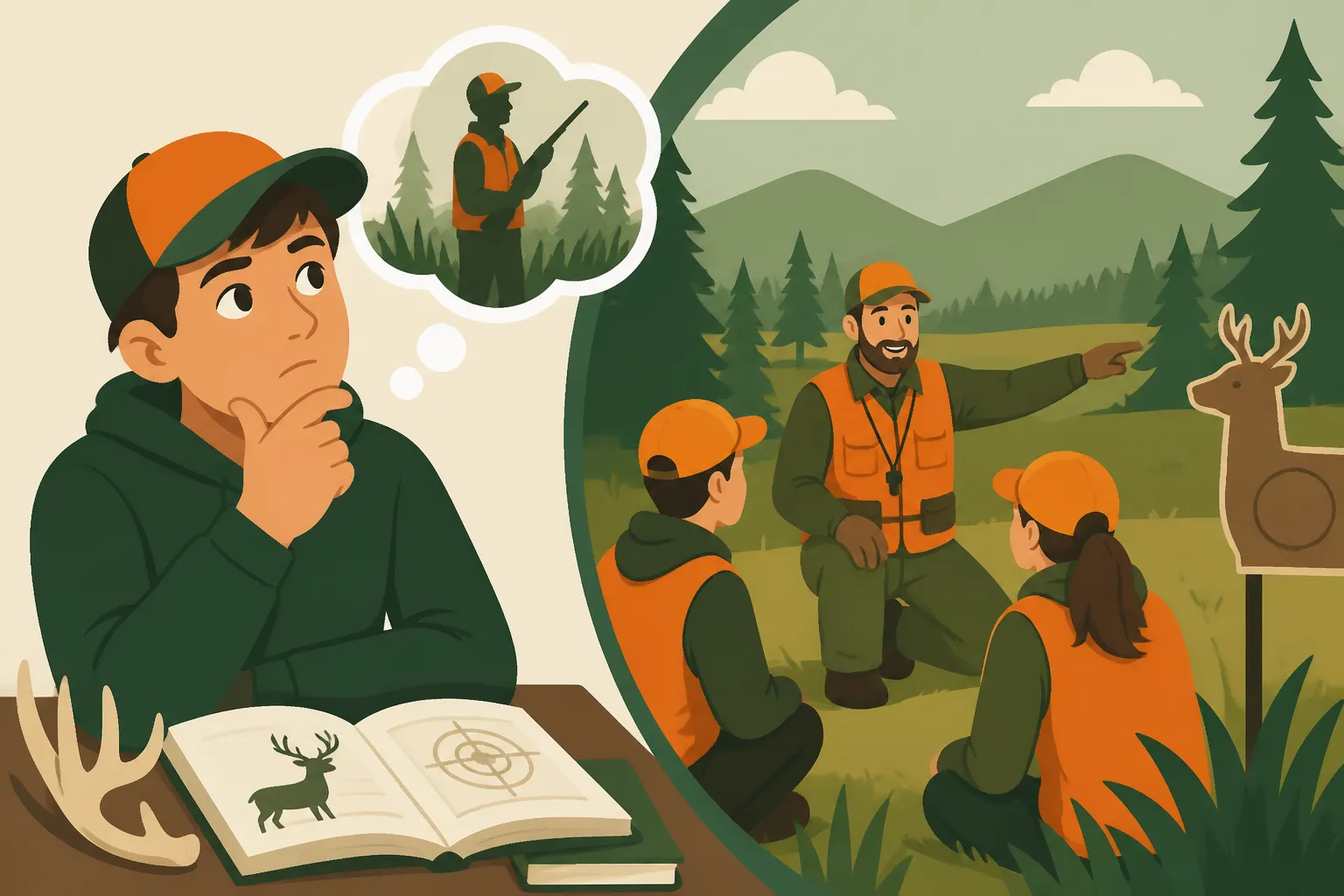
If you opt for the online course, you'll eventually attend a field day. These are typically half-day events, lasting around 4 to 6 hours, and they're run by certified Idaho Fish and Game volunteer instructors. It’s a chance for you to demonstrate the safe gun handling, ethical decision-making, and basic outdoor skills you learned online. Expect a mix of classroom review, practical exercises, and usually a live-fire component at a shooting range.
Instructors will often walk you through critical safety procedures, proper shooting stances, and how to carry a firearm safely in the field. They might even set up mock hunting scenarios to test your judgment. Don't be nervous; the goal isn't to trick you but to ensure you're capable of handling situations safely and responsibly. It’s an invaluable opportunity to get hands-on experience under expert supervision before you ever step into the woods for real. For young hunters, understanding Youth Requirements to Hunt Unsupervised in Idaho is also a key part of these discussions.
Finding Hunter Education Courses
So, once you've decided on your path, how do you find a course? The official Idaho Fish and Game website is your go-to resource. They maintain an updated schedule of all available traditional classroom courses and field days throughout the state. You can usually search by location and date to find something convenient for you. It's smart to register early, especially for field days, as they can fill up quickly, particularly in popular areas or leading up to hunting season. Many hunters use tools like the GoHunt platform to not only scout for units and draw odds but also to find information about hunter education courses and other regulatory details, making it a valuable resource for comprehensive hunt planning.
Beyond the official IDFG site, some private shooting ranges or conservation organizations may also host courses or field days, often partnering with IDFG. A quick search online, perhaps using terms like "Idaho hunter education field day near me," can help uncover additional options. Just always ensure any course you register for is officially recognized and certified by the Idaho Department of Fish and Game to guarantee your certification will be valid.
Beyond the Certification: Continued Learning and Mentorship
Getting your hunter education certification is a fantastic achievement and a necessary step, but it’s really just the beginning of your journey as a responsible hunter. The learning doesn’t stop once you have that card in your wallet. The true wisdom comes from continued education, practical experience, and the invaluable guidance of mentors.
The Importance of Mentorship
Idaho, like many other states, recognizes the profound impact that experienced hunters can have on newcomers. This is why the state offers programs like the mentored hunting option, allowing an uncertified hunter to go afield under the direct, close supervision of a certified, licensed adult mentor. This isn't just a loophole; it's a structured opportunity for new hunters to gain real-world experience in a safe and controlled environment. A mentor can teach you things that no textbook ever could: how to read game sign, interpret weather patterns, choose the right equipment (like the Best All-Around Caliber for Timber and Breaks), or even simply how to sit still and observe the natural world. Our article on Idaho Mentors May Take Two Hunters at Once highlights the specifics of this program.
Finding a good mentor can be one of the most rewarding parts of becoming a hunter. They can share generations of knowledge, helping you refine skills like proper stalking, effective calling, or even just how to pack an elk out of steep country. This kind of experiential learning, combining the theoretical knowledge from hunter education with practical, real-time guidance, is what truly builds a competent and ethical hunter. Don't be afraid to ask experienced hunters you know if they'd be willing to share their wisdom.
The Idaho Hunting Passport as an Alternative
For those who are new to hunting and want to try it out before committing fully to hunter education, Idaho offers the Hunting Passport. This program allows eligible individuals, regardless of age, to hunt specific game animals under the direct supervision of an experienced mentor, without first completing hunter education. It’s a fantastic "try before you buy" option for those who are curious but not yet ready to commit to the full certification process. The Hunting Passport is designed to lower barriers to entry, encouraging more people to experience hunting and see if it's for them. You can find more information about this pathway in our guide, The Idaho Hunting Passport and Who Qualifies.
However, it's important to remember that the Hunting Passport is a temporary measure. It usually has limitations on how many times it can be used, and eventually, to hunt independently, you will still need to complete hunter education. Think of it as an introductory course with on-the-job training. It’s an excellent way to get a taste of hunting and gain some initial experience, but the full hunter education certification remains the ultimate goal for independent hunting. Many serious hunters, including those who rely on tools like GoHunt for planning, will advise you to get your full certification as soon as possible.
Essential Skills Learned
Beyond the formal certifications, hunter education and mentorship introduce you to a wide array of essential skills that will serve you well in the Idaho outdoors. These include navigating with a map and compass or GPS, understanding basic first aid for emergencies, and knowing how to properly field dress and care for game meat. You'll also learn the importance of physical conditioning for Idaho's rugged terrain and how to apply regulations such as Idaho's Motorized Hunting Rule Keeps You on the Road, which defines where you can and cannot drive a vehicle while hunting.
Hunter education also emphasizes the critical role of conservation and habitat management. Understanding wildlife biology, population dynamics, and the impact of human activity on ecosystems becomes part of your learning journey. This holistic understanding not only makes you a more effective hunter but also a more engaged and responsible steward of Idaho's incredible natural resources. Platforms like GoHunt can also provide insights into specific unit characteristics, helping you apply your skills in varied terrains and conditions.
Ultimately, whether through an online course followed by a field day, a traditional classroom setting, or the mentored hunting passport program, Idaho is committed to ensuring its hunters are well-prepared and responsible. The field day component, in particular, is a crucial step in translating theoretical knowledge into practical, safe, and ethical hunting practices, making Idaho's hunting grounds safer for everyone.
Disclaimer
Please remember that hunting regulations can change. While we strive to provide the most accurate and up-to-date information, it is your responsibility to always consult the current Idaho Fish and Game regulations and official publications before heading afield. This content is for informational purposes only and does not constitute legal advice.