Bow Tuning Worth Doing Before a Mountain Hunt
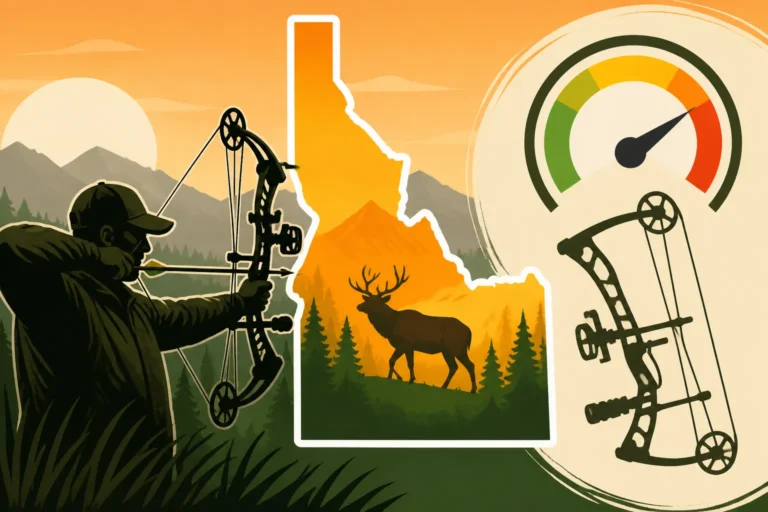
You've spent months, maybe even years, dreaming about your Idaho mountain hunt. You’ve put in the sweat equity at the gym, poured over maps, and invested serious cash into gear and tags. The last thing any hunter wants is for all that dedication to be undone by a bow that isn't performing perfectly when that once-in-a-lifetime shot opportunity finally presents itself. This guide dives deep into why proper bow tuning isn't just a suggestion—it's an absolute necessity for success in Idaho's rugged backcountry, and what steps you need to take to ensure your setup is truly field-ready.
Why Precision Bow Tuning is Crucial for Mountain Hunts
Hunting in Idaho, especially in the steep, unforgiving mountains, is a game of fine margins. An arrow that isn't flying true can mean the difference between filling your tag and walking away with a heavy heart. When you’re miles from the truck, battling elevation, weather, and the sheer unpredictability of wild animals, your bow needs to be an extension of yourself, delivering consistent, pinpoint accuracy every single time. Neglecting tuning is like bringing a dull knife to a butchering job—it just makes everything harder and less effective.
The Harsh Realities of Mountain Terrain and Shot Angles
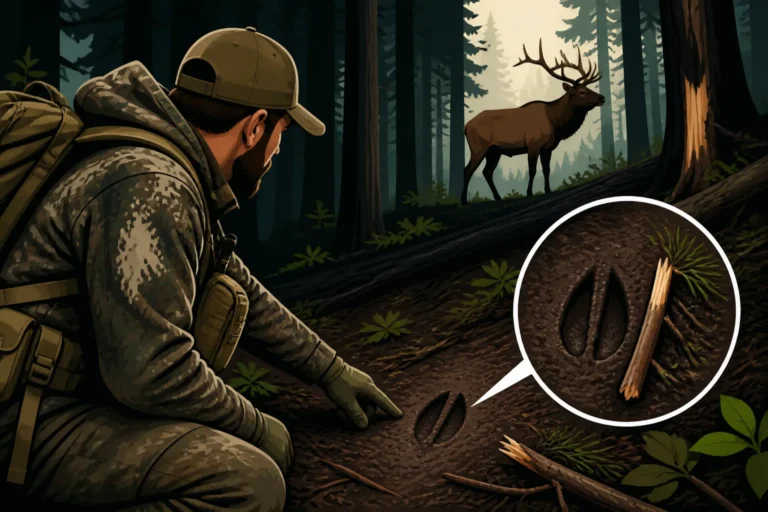
Imagine finally getting within range of that bull elk you've been chasing for days. He’s standing on a steep hillside, either high above you or significantly below. These aren't your typical flat-range shots. Gravity plays a much more significant role on steep angles, and a bow that's not properly tuned can magnify any inconsistencies in arrow flight. A slight nock tear that might be negligible at 20 yards on flat ground can become a wild flyer at 40 yards on a 30-degree downhill shot. The terrain itself often dictates awkward shooting positions, forcing you to contort your body, which further highlights any tuning deficiencies.
Beyond the angles, environmental factors constantly work against you. From the biting cold of an early morning start to the warmth of midday, temperature fluctuations can affect string and limb materials, altering how your bow performs. Humidity changes, sudden gusts of wind ripping through a canyon – these are all elements that demand a perfectly tuned system. You need absolute confidence that when you draw back, your arrow will go precisely where you aim, regardless of what the mountain throws at you. For more insights on mitigating environmental factors, check out our piece on reading the wind in steep timbered country, which can indirectly influence arrow flight even with a well-tuned bow.
Maximizing Every Ethical Shot Opportunity
Every ethical hunter strives for a quick, clean kill. This means hitting the animal in its vital zone, which for a bowhunter, is a relatively small target. On an Idaho elk hunt, where opportunities can be few and far between, you cannot afford to have your equipment betray you. A well-tuned bow sends your arrow downrange with maximum kinetic energy and perfect flight, ensuring the broadhead can do its job effectively.
Think about the sheer effort involved in getting within range of a mature mule deer buck or an elusive elk. The long stalks, the patient glassing, the physical toll of climbing thousands of feet. To then have an arrow plane off target due to a minor tuning issue is heartbreaking. Proper tuning isn't just about accuracy; it's about respecting the animal and maximizing your chances for a humane harvest. Your bow, along with your choice of broadhead, forms the critical link in this chain, making it essential to understand the difference between fixed blade against mechanical broadheads on elk to ensure you’re making the best choice for penetration and flight.
Essential Pre-Hunt Bow Tuning Processes
Before you ever set foot in the Idaho wilderness, your bow needs to undergo a rigorous tuning regimen. This isn't a one-and-done deal; it's a systematic process that builds confidence and ensures your equipment is truly dialed in. Don't skip these steps, no matter how seasoned you are.
Paper Tuning: Your Foundation for Perfect Arrow Flight
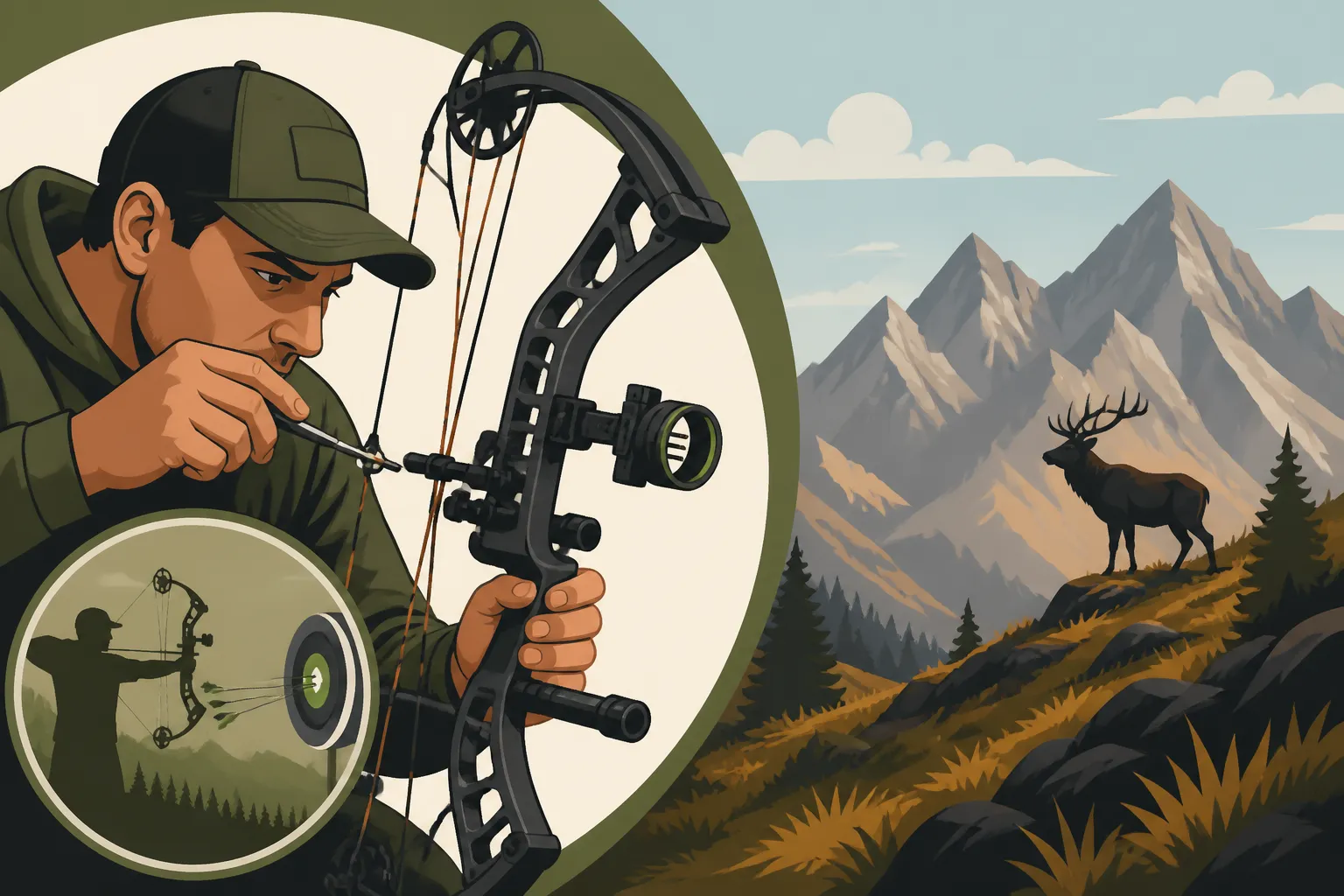
Paper tuning is often the first step in aligning your bow and arrow. It involves shooting an arrow through a sheet of paper or a specialized paper tuner frame, looking at the tear the fletching and broadhead make. The goal is a perfect bullet hole, indicating that the arrow is leaving the bow without any horizontal or vertical oscillations.
- Understanding the Tears:
- Nock High/Low: If the fletching end of the arrow tears above or below the point, it indicates your nocking point is too high or too low. Adjusting your D-loop or nocking points up or down by small increments can correct this.
- Left/Right Tear: A tear to the left or right means your rest is out of alignment, or your cam timing might be off. For a right-handed shooter, a left tear typically means the rest needs to move slightly to the right, or the cam needs to be timed differently (though rest adjustment is often the first, simpler fix). A right tear means the opposite.
Paper tuning is a dynamic process. You make a small adjustment, shoot again, analyze, and repeat. It’s crucial to shoot at a consistent distance, usually 6-10 feet, to get reliable feedback. Take your time here; a solid paper tune sets the stage for everything else. Remember that proper arrow weight that gets through an elk also plays a role in consistent arrow flight, so ensure your arrows are matched to your setup.
Bare Shaft Tuning: Revealing the Naked Truth
Bare shaft tuning takes things a step further, removing the fletching from a few of your arrows and shooting them alongside fletched arrows. This method is incredibly revealing because without the stabilizing effect of fletching, any inconsistencies in your bow's tune, your arrow's spine, or your shooting form become immediately apparent.
You'll shoot bare shafts and fletched shafts at increasing distances, typically starting around 10-20 yards and working your way out. The goal is for the bare shaft to impact the target at the same spot as your fletched arrows. If your bare shafts are impacting high, low, left, or right compared to your fletched arrows, it's a clear sign that your tune isn't perfect. This could be due to subtle cam lean, a slight rest misalignment, or an arrow spine that's not quite right for your draw weight and length. This tuning method helps eliminate variables and fine-tune your setup, giving you supreme confidence when you're considering a realistic archery practice distance for big game. Many archers find this method incredibly beneficial for achieving the kind of precision needed for a western hunt.
Broadhead Tuning: The Ultimate Test for Hunting Accuracy
This is arguably the most critical tuning step for a mountain hunt, especially when using fixed-blade broadheads, which are often preferred for their reliability and penetration on tough animals like elk. Broadhead tuning ensures your hunting broadheads fly identically to your field points. If your broadheads are hitting in a different spot than your field points, then your bow isn't truly tuned for hunting.
- The Process: Start by getting your field points hitting dead-center at 20 yards. Then, switch to your hunting broadheads and shoot them at the same distance. If they hit differently, you'll need to make minor adjustments to your arrow rest (horizontally) until both field points and broadheads impact the same spot. Once they're grouping together at 20 yards, step back to 30, then 40, and even 50-60 yards, verifying that they continue to fly together.
- Why It Matters: Fixed-blade broadheads have a much larger surface area than field points, acting like miniature airplane wings. Any imperfections in your bow's tune will cause these "wings" to steer the arrow off course. This is less noticeable with mechanical broadheads because their blades remain closed in flight, but even then, a perfectly tuned bow will always yield better results. When you're facing down an Idaho bull, you need every ounce of confidence that your arrow will fly true.
A quick reference table for tuning issues:
| Tear/Impact Issue | Common Cause | Potential Fix |
|---|---|---|
| Paper Tuning (R.H. Shooter) | ||
| Nock High Tear | Nocking point too low, rest too high | Lower rest, raise nocking point/D-loop |
| Nock Low Tear | Nocking point too high, rest too low | Raise rest, lower nocking point/D-loop |
| Left Tear | Rest too far left, stiff arrow spine, cam lean | Move rest right, weaker arrow spine, adjust cam |
| Right Tear | Rest too far right, weak arrow spine, cam lean | Move rest left, stiffer arrow spine, adjust cam |
| Bare Shaft Tuning | ||
| Bare Shafts hit differently | Poor paper tune, wrong arrow spine, form issues | Re-evaluate paper tune, check arrow charts, review form |
| Broadhead Tuning | ||
| Broadheads hit differently | Imperfect paper tune, rest alignment, arrow spine | Fine-tune rest horizontally, check arrow spine matches BH |
Chronographing Your Setup for Sight Tape Confidence
Knowing your arrow's actual speed is essential, especially when setting up a single pin or multi pin in steep country. While bow manufacturers provide IBO/ATA ratings, these are often achieved under ideal conditions that rarely match your hunting setup. Your arrow weight, draw length, and specific cam timing will result in a different actual speed.
Using a chronograph allows you to measure your arrow's velocity accurately. This data is crucial for:
- Sight Tape Calibration: Many modern sights come with customizable sight tapes. An accurate velocity measurement helps you print or create a tape that precisely matches your arrow's trajectory at various distances, leading to greater accuracy on longer shots.
- Kinetic Energy Calculation: Knowing your arrow speed and weight lets you calculate your kinetic energy (KE) and momentum. This helps confirm your setup has sufficient power to penetrate big game animals like elk, especially if you’re concerned about the compound bow let-off and measured draw weight affecting performance.
- Form Consistency: Repeatedly shooting through a chronograph can also highlight inconsistencies in your shooting form. If your speeds vary widely shot to shot, it could indicate issues with your draw cycle or release.
Getting these numbers locked in gives you an incredible edge when you're out in the field, making quick decisions on yardage and aim points.
Field Tuning and Practice for Real-World Scenarios
Once your bow is technically tuned on the range, the next step is to prepare it for the actual hunting conditions you'll encounter in Idaho. This goes beyond static target shooting and delves into practical application.
Master the Art of Angle Compensation
Hunting in the mountains means constant uphill and downhill shots. Gravity doesn't care if an animal is 40 yards away horizontally or 40 yards away straight down a cliff—it will pull your arrow towards the earth. However, the effective horizontal distance your arrow travels is what matters for aiming. On steep shots, the effective horizontal distance is always less than the actual line-of-sight distance.
- Uphill/Downhill Practice: Regularly practice shooting at targets placed on hillsides. You’ll quickly learn that you need to aim for a closer distance than what your rangefinder reads. For example, if your rangefinder says 40 yards on a steep downhill, your aiming solution might be closer to 30-35 yards.
- Angle Compensating Rangefinders: Many modern rangefinders, like those offered by brands such as Vortex or Sig Sauer, feature angle compensation technology. These tools will give you the "shoot-to" distance, simplifying your aiming solution. However, don't rely solely on the technology; understand the principles behind it and practice so it becomes intuitive. If you're physically packing an elk out of steep country alone, you'll appreciate any tool that makes the hunt itself easier and more effective.
Practice from Hunting Positions and with Gear
How often do you get to shoot an elk from a perfectly flat, open shooting lane with no obstacles? Almost never in Idaho’s mountains! You'll find yourself shooting from a knee, sitting, leaning around a tree, or contorted around a backpack.
- Replicate Hunting Scenarios: Set up targets in awkward positions. Practice drawing your bow while sitting or kneeling, ensuring your form remains consistent and you don't torque the bow. If you hunt from a tree stand (less common for western big game, but possible for whitetails in some Idaho areas), practice shooting from an elevated platform.
- Shoot with Your Hunting Pack On: Your backpack can interfere with your string path or create an uncomfortable anchor point. Practice shooting with the same pack you’ll carry in the field, fully loaded with your gear. This ensures that nothing snags and your anchor remains consistent.
- Layered Clothing: In Idaho, you’ll likely wear multiple layers of clothing, especially during early morning or late evening hunts. Bulky jackets can affect your string clearance or anchor point. Practice shooting in your full hunting attire to identify and correct any issues before they arise in the field. This also ties into the overall gear decisions you make, such as forgoing a scope in muzzleloader-only hunts if you're exploring other seasons.
Ongoing Checks and Mid-Season Confidence Boosts
Bow tuning isn't a "set it and forget it" task. Your bow's string can stretch, cams can subtly shift, and wear and tear from use or travel can throw things off.
- Pre-Trip Check: Always re-check your tuning before a major hunting trip, especially if your bow has been stored for a while or traveled across state lines. A quick paper tune and broadhead flight check can save immense heartache.
- During-Season Checks: If you're on a multi-day hunt and your bow takes a tumble, or you notice an odd flyer, take a few minutes at camp to shoot a test arrow into a small target. Better to discover a problem during downtime than on an animal.
- Utilize E-Scouting for Practice Insights: Tools like GoHunt can help you analyze the terrain of your chosen unit, giving you an idea of the typical shot distances and angles you might encounter. This information is invaluable for tailoring your practice sessions. If you know you'll be hunting steep, timbered canyons, you'll focus more on angle compensation and shooting through small windows. Conversely, if you're in more open sage country, you might emphasize longer, flatter shots. This strategic planning, like considering how close a bowhunter needs to get on elk, enhances your readiness.
GoHunt for Research & Ongoing Maintenance
In today's hunting world, information is power. Utilizing modern scouting tools and understanding the terrain you're about to enter can greatly inform your tuning and practice strategy.
Utilizing Scouting Tools for Tuning Insights
Brands like GoHunt provide incredible resources for hunters, including detailed maps, unit data, and drawing odds. While primarily known for helping you plan your hunt and apply for tags, these tools also offer valuable insights that indirectly inform your bow tuning strategy.
By using GoHunt's mapping features, you can analyze the specific topography of your hunting unit. Are there long, open benches where 60-yard shots might be common? Or is it tight, dark timber where 20-yard snap shots are the norm? Knowing this helps you prioritize your practice. If you anticipate longer shots, your broadhead tuning needs to be absolutely flawless out to those distances. If it's close-quarters timber, rapid target acquisition and silent drawing become paramount, requiring equally meticulous tuning and practice. The more you know about your chosen unit, the better you can prepare your gear for it, often finding areas that offer unique challenges and opportunities. This kind of detailed E-Scouting an Idaho Unit Before the Season can directly inform how you train and tune.
The Importance of Regular Maintenance and Checks
Your bow is a precision instrument, and like any fine tool, it requires regular care and attention. Consistent maintenance ensures your tuning efforts last and your bow performs reliably throughout the season.
- Pre-Season Inspection: Before each season, give your bow a thorough inspection. Check the string and cables for fraying, serving separation, or wear. Inspect limbs for cracks or delamination. Ensure all screws on your sight, rest, and stabilizer are tight. A loose screw can completely derail your tune.
- Post-Travel Check: If your bow has been shipped or traveled extensively in a vehicle, always perform a quick check upon arrival at your hunting destination. Vibrations and temperature changes can cause things to loosen or shift. A few practice shots can confirm everything is still in spec.
- Professional Tune-Ups: Even with diligent DIY efforts, it’s a good idea to have a professional bow technician inspect and tune your bow once a year or every other year. They have specialized tools like presses, draw boards, and chronographs to ensure everything is perfectly aligned, timed, and within manufacturer specifications. They can spot issues you might miss and ensure the long-term health of your bow. This can be especially important if you're pushing the limits of your equipment, or if you're dealing with specific requirements like why draw weight is measured at 28 inches.
Making bow tuning a continuous process, from the initial setup to ongoing maintenance and pre-hunt checks, will give you the confidence you need to make the most of your Idaho hunting adventure. Your bow is your primary tool in the field; treat it with the respect it deserves, and it will serve you well when it matters most.
Disclaimer
Hunting involves inherent risks, including but not limited to injury or death. This article provides general information and should not be considered a substitute for professional instruction, adherence to all applicable hunting regulations, or personal responsibility in the field. Always prioritize safety, understand and follow local, state, and federal hunting laws, and practice ethical hunting principles. Verify all regulations with the Idaho Department of Fish and Game before engaging in any hunting activities.