Registering a Bear Bait Site
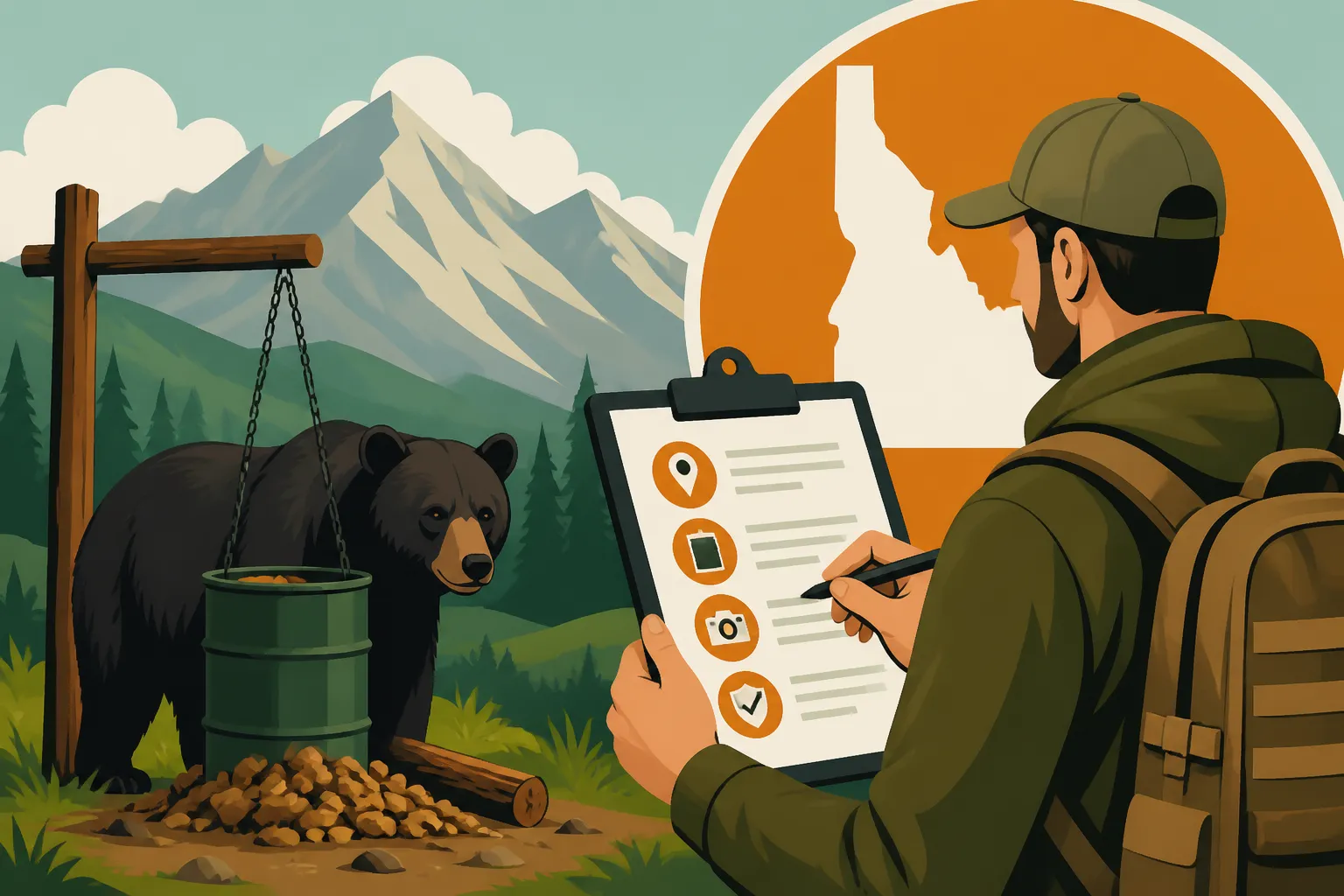
Ah, bear baiting in Idaho! It's an age-old tradition for many hunters, offering a unique opportunity to interact with these incredible animals up close. But it's not as simple as tossing out a few donuts and setting up a stand. One of the most critical, yet sometimes overlooked, steps is properly registering your bear bait site. Failing to do so can turn an exciting hunt into a frustrating, and potentially costly, legal headache. This guide is here to walk you through the ins and outs of registering your bear bait site in Idaho, ensuring you're squared away with the regulations and ready for a successful, ethical hunt.
Why Idaho Has Rules Around Bear Baiting Sites
It's easy to look at regulations and feel like they're just getting in the way of a good time, but when it comes to something as impactful as bear baiting, there's a lot of thought behind the rules. Idaho, like many states, has a vested interest in managing its wildlife responsibly and ensuring that hunting remains both ethical and sustainable. These aren't just arbitrary hoops to jump through; they're safeguards for the bears, the land, and the hunting community as a whole.
Managing Fair Chase and Ethical Hunting
At its heart, bear baiting is a highly effective method, but because it draws animals to a specific location, it requires careful management to ensure it aligns with the principles of fair chase. The regulations around registering a bait site, for example, help prevent an individual from monopolizing prime bear habitat, giving other hunters a fair shake at pursuing game in the area. It's about balancing opportunity with responsibility, making sure that one hunter's actions don't inadvertently spoil the experience for others or lead to an imbalance in local bear populations.
Moreover, these rules help shape public perception. We all want hunting to be seen in a positive light, and clearly defined, enforceable regulations demonstrate a commitment to ethical practices. By registering your site, you're essentially putting your stake in the ground in a transparent way, showing that you're operating within the established framework, which contributes to the overall integrity of the sport. It's a way to demonstrate accountability and good stewardship.
Beyond just preventing an overconcentration of hunting pressure, registration helps Idaho Fish and Game monitor activity. If they know where bait sites are located, they can better understand the distribution of hunting effort, how it relates to bear populations, and make informed decisions about future season structures and quotas. It’s a cooperative effort that contributes to the long-term health of Idaho Black Bear Population and Density.
Preventing Unintended Consequences
Unregistered or improperly managed bait sites can quickly lead to a host of problems that extend far beyond the hunting season. Bears, being incredibly intelligent and opportunistic, can become habituated to human food sources. If a bait site isn't properly cleaned up or is left active for too long, it can teach bears that human areas mean easy meals. This can lead to nuisance bears wandering into campgrounds, residential areas, or even livestock pastures, creating dangerous situations for both people and animals. These are the kinds of conflicts that often lead to bears needing to be relocated or, unfortunately, euthanized.
Another significant concern is disease transmission. Concentrating animals at a bait site, especially with certain types of bait, can increase the risk of spreading diseases among wildlife. While Idaho's specific rules on bait materials and placement aim to mitigate this, registration provides a layer of oversight. It ensures that baiting is conducted in a way that minimizes environmental impact and protects the health of the entire ecosystem. Proper registration and adherence to guidelines are crucial for preventing these negative outcomes and maintaining the delicate balance between wildlife and human activity.
Finally, unregistered sites create an accountability void. If there's an issue—say, a local resident finds a bear digging through their trash after a nearby, unmonitored bait site closed—there's no clear responsible party. Registration gives Fish and Game the information they need to address concerns, educate hunters, and enforce regulations, thereby protecting everyone's interests.
The Step-by-Step Process for Registering Your Bear Bait Site
Navigating the registration process doesn't have to be daunting. Think of it as simply another part of your hunt planning, just like scouting your area or checking the weather. Idaho Fish and Game has a fairly straightforward system, but the key is understanding the timeline and what information you’ll need to provide. Being prepared will save you a lot of grief and ensure you don’t miss out on your Idaho Spring Bear Runs From April Into Summer.
Timing and Application Windows
First and foremost, you can’t just decide to bait a bear whenever the mood strikes. Idaho, like most states, has specific seasons and timelines for bear hunting, and this extends to when you can register a bait site and when you can actually set out bait. These periods are carefully aligned with bear biology and management goals. Generally, you'll find that the application window for registering a bait site opens shortly before or at the very beginning of the spring bear season. This is when you should be reaching out to your local Idaho Fish and Game office or checking their website for the most current information.
It's absolutely essential to consult the official Idaho Fish and Game regulations for the current year, as these dates can shift slightly. Don't rely on last year's calendar or hearsay! Missing the registration window means you simply won't be able to legally bait that season. Given that Fish and Game offices can get quite busy during these peak periods, it's wise to plan ahead. Call them, check their website, or use online mapping tools like GoHunt well in advance to scout potential locations and be ready to submit your registration as soon as the window opens.
Keep in mind that even once your site is registered, there might be a waiting period before you can actually put bait out, or specific dates during which baiting is permitted. These details are always outlined in the official regulations, so a thorough review is non-negotiable for any aspiring bear baiter.
Required Information and Documentation
When you go to register your bait site, whether in person or potentially online, you'll need to have certain information at your fingertips. This isn't just busy work; it’s about providing clear, unambiguous details so that your site can be properly identified and monitored. The core pieces of information typically include your full name, your hunting license and bear tag numbers, and critically, the precise location of your bait site.
For location, think precision. GPS coordinates are usually mandatory. Not just a general area, but a set of latitude and longitude coordinates that can be easily plugged into a GPS device or mapping application to pinpoint the exact spot. Tools like GoHunt can be incredibly helpful for E-Scouting an Idaho Unit Before the Season and getting those accurate GPS coordinates. You'll also likely need to specify the intended start and end dates for your baiting activity. This helps Fish and Game understand how long the site will be active and when it should be cleaned up.
There may be a small administrative fee associated with registering a bait site. This fee helps offset the costs of managing the program, including staff time for processing applications and monitoring compliance. Be prepared to pay this fee at the time of registration. Always double-check the fee amount and acceptable payment methods with Idaho Fish and Game. They usually prefer credit/debit card payments online or in person, but it’s always good to confirm beforehand.
Physical Tagging and Posting Requirements
Once your bear bait site is officially registered and you have your confirmation, the process isn’t quite finished. Idaho regulations almost certainly require you to physically mark your bait site with a specific tag or sign. This isn't just a suggestion; it's a legal requirement designed to clearly identify the site as an active, registered baiting location. This signage typically needs to be visible, durable, and clearly display your registration number, and sometimes your name and address.
Imagine someone else stumbling upon your bait site. Without a clear sign, they might not know it’s a legal, registered activity. The physical tag prevents confusion and helps other hunters or outdoor enthusiasts understand that the site is authorized. It also helps Fish and Game officers confirm that the site is indeed registered and that the individual managing it is compliant. A good practice is to use a weather-resistant material for your sign, securing it firmly so it doesn’t blow away or become illegible over the course of the season. You want that sign to hold up through rain, wind, and whatever else the Idaho backcountry throws at it.
The exact dimensions or specific wording required for the sign will be detailed in the annual regulations. Make sure to adhere to these specifications exactly. Failure to properly post and maintain this physical marker can be a violation of the rules, even if you’ve completed all the paperwork. Think of it as your public declaration that you’re hunting ethically and legally.
Critical Rules and Considerations for Bear Baiting in Idaho
Registering your site is a huge first step, but it’s just one piece of the puzzle. Idaho’s bear baiting rules delve into the nitty-gritty of how you can bait, where you can bait, and what you can use. Understanding these finer points is crucial for a successful and legal hunt, and it speaks directly to The Black Bear Baiting Rules Idaho Applies.
Proximity to Roads, Trails, and Water Sources
One of the most common mistakes baiters make, especially those new to the game, is not paying close enough attention to setback distances. Idaho regulations will specify minimum distances your bait site must be from established roads, designated trails, and even water sources. These rules are in place for several very good reasons. For roads and trails, it’s primarily about public safety and reducing conflicts. You don't want a curious bear lingering too close to where families are hiking or driving, creating a potentially dangerous encounter.
Imagine you've used GoHunt to scout a beautiful piece of timber that looks perfect for a bait site. Before you commit, you need to verify that it’s not too close to a forest service road or a popular mountain biking trail. Violating these proximity rules isn’t just a technicality; it’s a direct violation of the ethical framework designed to ensure harmonious coexistence in the outdoors. For water sources, it can be about preventing contamination and ensuring bears don't associate critical resources with human-provided food.
These distances can vary, so always refer to the current Idaho Fish and Game regulations. Some areas might have even stricter local rules, especially within Idaho Wildlife Management Areas by Region or specific zones. Always factor these distances into your initial scouting plans, perhaps even carrying a rangefinder or using your GPS app to verify distances from known features. This diligence will save you a lot of headache down the road.
Allowed and Prohibited Bait Materials
What you put out at your bait site is just as important as where you put it. Idaho regulations are quite specific about what constitutes legal bait and what is strictly prohibited. Generally speaking, bears are omnivores, and they're attracted to a wide variety of high-energy foods. Often, sweet treats like pastries, candy, and grains are popular choices. Some hunters might use certain meat scraps, but there are usually very clear stipulations about this, often prohibiting the use of domestic animal carcasses to prevent disease transmission or attracting non-target predators that could cause issues.
On the flip side, there are materials that are absolutely forbidden. This often includes anything that isn't readily biodegradable, such as plastics, glass, or excessive metal containers. Leaving behind non-biodegradable trash is not only unethical but also illegal, and it's a surefire way to damage the environment and give hunting a bad name. Furthermore, some baits might be prohibited if they are known to attract specific non-target species that could become nuisance animals or create other ecological problems.
The golden rule here is to consult the Idaho Fish and Game regulations for a precise list of approved and prohibited bait materials for the current season. What was legal last year might have changed. Don’t experiment or assume; verify. Choosing your bait wisely ensures you’re not only compliant but also being a responsible steward of the land and its wildlife.
Maintaining Your Site and Post-Season Cleanup
Your responsibility as a bear baiter doesn't magically end once you've registered your site or even after you've hopefully harvested a bear. Proper maintenance of your site throughout the season and a thorough cleanup afterwards are absolutely crucial. Think about it: an active bait site needs to be monitored regularly. This means checking on it, refreshing the bait, and ensuring that your physical marker is still in place and visible. Regular visits also give you a chance to assess bear activity and ensure everything is going according to plan. You can use your Trail Camera Rules on Idaho Public Land knowledge to set up cameras to help with monitoring between visits.
However, the most critical part of site management is often the post-season cleanup. Idaho Fish and Game takes "Leave No Trace" very seriously, and that applies doubly to bait sites. You are required to remove all bait materials, containers, and your physical markers by a specified date, usually shortly after the bear season closes. Failing to do so can lead to continued bear habituation, environmental pollution, and serious penalties. This isn't just about avoiding a fine; it's about respecting the land, the wildlife, and other outdoor users.
Imagine leaving a bucket of expired bait or discarded wrappers in the woods. Not only does it create an eyesore, but it conditions bears to look for human food sources, which, as we discussed, often leads to conflict. A responsible hunter ensures that when they walk away from their bait site after the season, there is absolutely no evidence that it was ever there. This commitment to cleanliness and environmental responsibility is a hallmark of an ethical hunter.
Understanding Your Responsibilities as a Baiter
Being an Idaho bear baiter is a privilege, not a right. With that privilege comes a significant set of responsibilities that go beyond merely following the letter of the law. It’s about being an ethical, conscientious participant in wildlife management and upholding the positive image of hunting in our state.
Monitoring Your Site Ethically and Legally
When you're running a bear bait site, you become an active manager of that small piece of habitat. Part of that management involves monitoring the site, but this also needs to be done ethically and legally. Many hunters use trail cameras to observe bear activity, which is an excellent way to determine patterns and identify target animals without constant human presence. However, always be aware of Trail Camera Rules on Idaho Public Land, as regulations can sometimes govern their placement or use, especially if they transmit data. You want to ensure your monitoring doesn’t disturb the bears or other wildlife unnecessarily.
Moreover, ethical monitoring means being a discerning hunter. When you finally get a bear coming to your bait, it's paramount to properly identify the animal. This means confirming it's a legal bear (e.g., not a sow with cubs, if that's prohibited in your area), and making a clean, ethical shot within Idaho Legal Shooting Hours for Big Game. Rushing or taking an uncertain shot can lead to wounded animals and prolonged suffering, which is exactly what ethical hunting seeks to avoid. Patience and good judgment are your best allies here.
Responsible baiting also means checking your site regularly enough to ensure the bait isn't spoiling or attracting non-target animals excessively. This active oversight prevents your bait site from becoming a magnet for every critter in the woods, which could inadvertently lead to issues with protected species or create unsanitary conditions.
Public Land vs. Private Land Baiting
The vast majority of Idaho offers incredible public land hunting opportunities, and bear baiting is often conducted on national forests or BLM lands. However, the rules for baiting can sometimes have nuances depending on whether you’re on public or private property. Even on public land, remember that you’re sharing the resource with hikers, campers, and other hunters. This means exercising extra caution, being courteous, and ensuring your bait site is well out of the way of general public access. Always review Idaho's Motorized Hunting Rule Keeps You on the Road if you plan to use a vehicle to access your bait site, as driving off established roads is generally prohibited.
If you are considering setting up a bait site on private land, you absolutely must have explicit permission from the landowner. This isn’t an option; it’s a legal necessity. Even if you have a general understanding with a landowner to hunt their property, bear baiting might be seen differently. It's crucial to have a clear, often written, agreement about where the bait site will be, for how long, and who is responsible for cleanup. This goes back to Getting Landowner Permission in Idaho. This clear communication protects both you and the landowner from potential issues or misunderstandings down the road. Don't assume; always ask and get it in writing if possible.
Whether on public or private land, familiarity with the specific rules of that area is paramount. Some Idaho Wildlife Management Areas by Region may have additional restrictions beyond statewide regulations, so always check those local rules. Your responsibility is to know the boundaries and the unique conditions of where you choose to hunt.
Penalties for Non-Compliance
Let’s be blunt: ignoring bear baiting regulations in Idaho comes with serious consequences. This isn't a game where you can just hope not to get caught. Idaho Fish and Game officers are out there, and they take these rules very seriously. An unregistered bait site or a site that violates location, bait material, or cleanup rules can lead to a range of penalties, none of which are pleasant.
These penalties can include substantial fines, which can quickly outweigh any perceived convenience of cutting corners. Beyond monetary penalties, you could face the loss of your hunting license and privileges for a period, meaning no hunting at all, anywhere in Idaho, for potentially several years. In some cases, equipment used in the violation—like firearms, bows, or even vehicles—could be confiscated. And for more egregious violations, such as creating a public safety hazard or causing significant environmental damage, you could even face criminal charges.
The message is clear: the Idaho Fish and Game Department enforces The Black Bear Baiting Rules Idaho Applies rigorously. These rules are in place for the protection of the resource, the public, and the integrity of hunting. Don’t risk your hunting future or your reputation by failing to adhere to them. A little extra effort in registration and compliance is a small price to pay for an ethical, successful, and legal bear hunt.
| Aspect | Requirement/Consideration | Importance |
|---|---|---|
| Registration Timing | Check annual Idaho Fish and Game regulations for specific application and baiting dates. | Ensures compliance with season structure and allows for proper oversight. |
| Location Precision | Provide exact GPS coordinates for your site. | Prevents conflicts, verifies public land use, and aids enforcement. |
| Physical Marking | Post a visible, durable sign with your registration number at the bait site. | Clearly identifies the site as legal, deters interference, shows compliance. |
| Proximity Rules | Adhere to minimum distances from roads, trails, water, and private property. | Reduces user conflict, maintains wildlife behavior, ensures public safety. |
| Bait Material | Use only approved materials (e.g., sweets, grains, certain meats). Avoid non-biodegradables. | Prevents attracting non-target species, reduces pollution, ensures ethics. |
| Post-Season Cleanup | Mandatory removal of all bait, containers, and markers by the specified deadline. | Critical for environmental ethics, public perception, and avoiding fines. |
| Private Land Access | Secure explicit, documented permission from the landowner for baiting. | Legally required to avoid trespassing, builds trust. |
| Motorized Access | Understand and follow Idaho's Motorized Hunting Rule Runs August Into December for access. | Avoids fines, protects habitat, and ensures legal travel to your site. |
Disclaimer
This article is for general informational purposes only and does not constitute professional advice. Laws, prices and regulations vary by location and change over time. Consult a qualified professional for guidance on your specific situation.