Why Goat Tags Are So Limited in Idaho
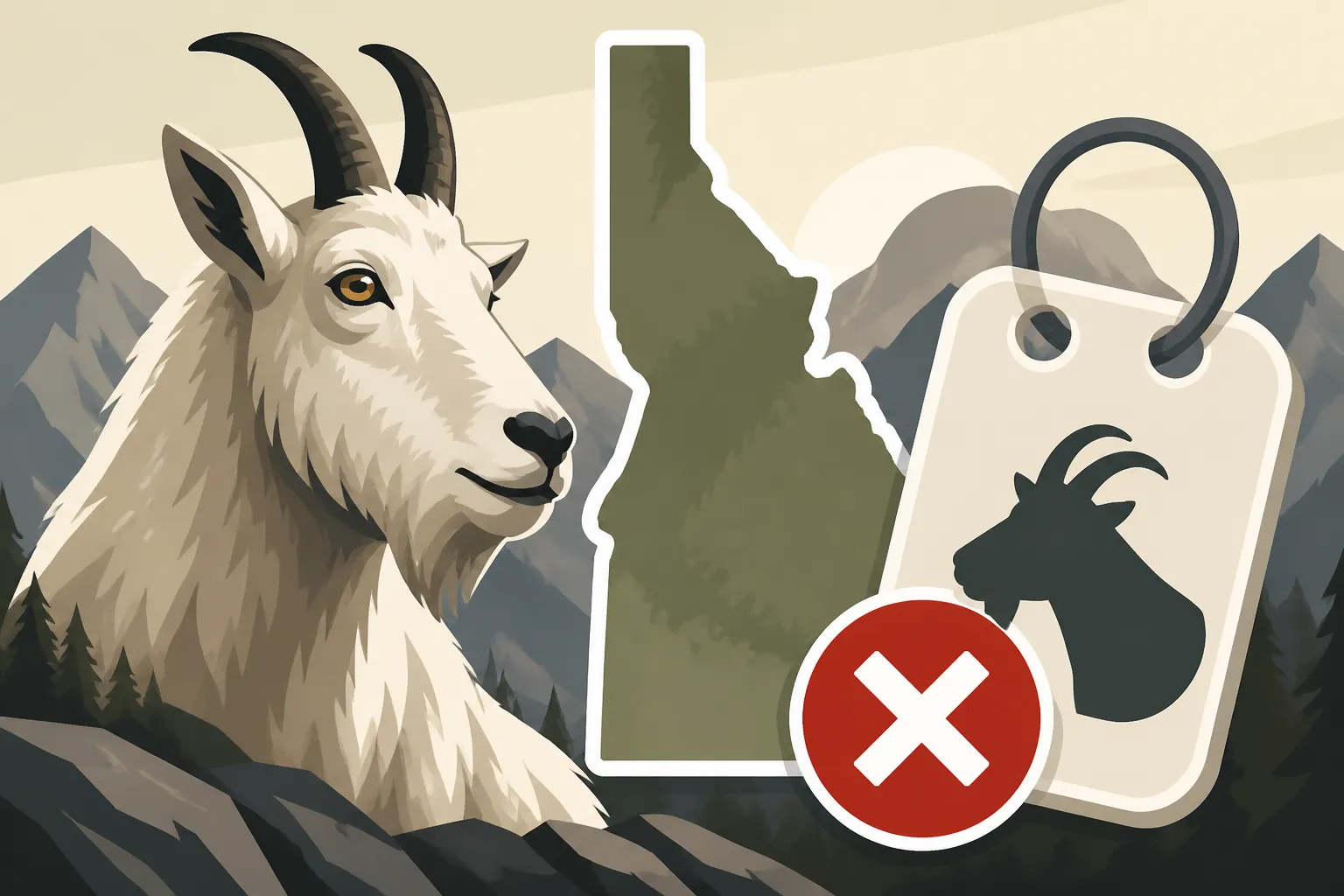
If you've ever found yourself staring at the Idaho Fish and Game regulations, dreaming of a mountain goat hunt, you've probably noticed a stark reality: those tags are incredibly scarce. It can feel like winning the lottery just to get a chance to pursue these magnificent animals in their rugged, high-alpine homes. This guide is here to shed some light on why Idaho goat tags are so limited, diving deep into the biological, environmental, and management reasons behind their rarity and what it means for hopeful hunters.
Understanding the Unique Biology of Mountain Goats in Idaho
The extreme scarcity of mountain goat tags in Idaho isn't some arbitrary decision; it's rooted deeply in the unique biological characteristics of these incredible creatures. Unlike more prolific game animals, mountain goats operate on a completely different ecological clock, making their populations inherently vulnerable and requiring very cautious management.
Slow Reproductive Rates and Small Herds
One of the most significant factors limiting goat tag availability is their notoriously slow reproductive rate. We're not talking about deer or elk here, where a healthy doe or cow can produce offspring annually, sometimes even twins. Mountain goats typically don't breed until they're 2 or 3 years old, and then they usually only have a single kid, maybe twins on rare occasions, every year or two. This slow pace of reproduction means that it takes a long, long time for a goat population to rebound if it experiences a decline. A few tough winters, a disease outbreak, or even slightly elevated harvest rates can set a herd back for years, if not decades.
Imagine a small, isolated band of goats living high on a remote Idaho peak. If that group only adds one or two new members a year, losing even a handful of adults to hunting, predation, or avalanches represents a substantial percentage of the population. This vulnerability means that wildlife managers have to be conservative. They can't afford to issue many tags because the species simply can't replace those numbers quickly. This biological reality forms the bedrock of why permits for Idaho Mountain Goat Hunts Are Held in such limited numbers.
Specific Habitat Requirements and Vulnerability
Mountain goats are true specialists, living in some of the most extreme and inaccessible terrain Idaho has to offer. They thrive in rocky, cliff-laden environments above timberline, where they can escape predators and find unique forage. While this rugged habitat provides some natural protection, it also makes their populations quite isolated and susceptible to specific environmental pressures. Each mountain range or isolated peak tends to host its own relatively small, distinct herd, with limited genetic interchange between them.
This hyper-specialized habitat means that any disturbance to their alpine home can have disproportionate effects. Climate change, for instance, can alter snowpack, increase avalanche frequency, or shift vegetation zones, directly impacting their food sources and winter survival. Human encroachment, even in the form of increased backcountry recreation, can stress these animals, leading to displacement from critical areas. When you combine their slow breeding with these specific, vulnerable habitat needs, it paints a clear picture: mountain goat populations simply cannot sustain high levels of pressure, whether from hunting or other environmental factors. Their future is always a delicate balance.
Idaho's Conservation-First Management Approach
Given the sensitive nature of mountain goat populations, Idaho Fish and Game (IDFG) employs a rigorous, conservation-first management strategy. Their primary goal is to ensure the long-term health and viability of these unique herds, and that means being incredibly conservative with harvest opportunities. It’s not about maximizing hunter opportunity; it’s about protecting the species first and foremost.
Population Surveys and Harvest Quotas
Every year, IDFG biologists undertake the challenging and often dangerous task of surveying mountain goat populations across the state. This usually involves helicopter surveys, flying into treacherous alpine terrain to count animals, assess herd composition (how many kids, nannies, and billies), and track population trends. This data is absolutely crucial. They're looking for signs of population growth, stability, or decline in specific Idaho Mountain Goat Hunt Areas. If the numbers are stable or increasing, they might consider issuing a handful of tags. If populations are stagnant or declining, tags will likely be cut, or even eliminated in certain units.
The harvest quotas for mountain goats are incredibly strict, often set at just one or two animals per unit, sometimes even zero. These quotas are not arbitrary; they are directly derived from the survey data and a deep understanding of goat biology. The goal is always to harvest below the sustainable yield, ensuring that the hunting pressure doesn't negatively impact the overall population. Sometimes, specific quotas target mature billies to minimize impact on breeding nannies. This meticulous, data-driven approach is why you’ll see Idaho Mountain Goat Draw Odds Explained as being so astronomically low – because the available tags are a tiny fraction of the total population, and often just a fraction of the harvestable surplus.
The Role of Limited Entry Controlled Hunts
Idaho utilizes a limited entry controlled hunt system for species like mountain goats, moose, and bighorn sheep. This isn't like general deer or elk tags you can buy over the counter. Instead, hunters must apply for specific units, and a public drawing determines who gets the coveted tags. This system is the direct mechanism IDFG uses to precisely control harvest. Without it, there would be a free-for-all, and goat populations would quickly be decimated.
The application window for these hunts typically falls in April, as part of the broader Idaho Controlled Hunt Calendar, April Through August. Because the number of tags is so small, and the demand is so high, the odds of drawing are often less than 1%. This controlled hunt structure allows IDFG to manage each individual herd with surgical precision, adjusting tag numbers based on annual surveys and specific unit conditions. It’s a painstaking process, but it’s essential for ensuring these magnificent animals continue to roam Idaho's high peaks for generations to come. Many hunters rely on resources like GoHunt to analyze these odds and make informed application choices, understanding that every single tag is a precious commodity.
The Impact of High Hunter Demand on Limited Tags
Even with strict biological and conservation-driven limitations, the human factor plays a huge role in why Idaho goat tags feel so impossible to get. Mountain goats represent a pinnacle hunting experience for many, and that intense desire translates directly into overwhelming competition for the few available permits.
Draw Odds and Applicant Pool
Let's be blunt: the draw odds for an Idaho mountain goat tag are brutal. We're talking about hundreds, if not thousands, of applicants for a single tag in many units. Unlike some states, Idaho Has No Preference Points, and What That Changes means every applicant, whether it's their first year or their twentieth, theoretically has the same chance in the random drawing. While this system offers a fair shake to newcomers, it also means there's no accumulated advantage for long-term loyalty, which can be frustrating for those who've been applying for years.
Consider a unit where IDFG determines only one goat can be harvested. If 1,000 people apply for that single tag, your odds are 1 in 1,000 – or 0.1%. These numbers can be even more extreme. This incredible competition is a direct reflection of the desirability of a mountain goat hunt. It's a true once-in-a-lifetime opportunity for most. Many dedicated hunters use detailed platforms like GoHunt to research historical draw odds, analyze unit-specific success rates, and identify trends that might give them the slightest edge in a system where every little bit of information counts.
The Trophy Species Mentality
For many, pursuing a mountain goat isn't just about harvesting an animal; it's about the ultimate challenge, the breathtaking scenery, and the sheer accomplishment of hunting one of North America's most iconic and elusive big game animals. This "trophy species" mentality fuels the demand. Hunters view a mountain goat as a capstone achievement in their hunting career, a testament to physical endurance and wilderness skills.
Because of this, demand far outstrips supply, exacerbating the tag limitation. People are willing to apply for years, spending the application fees annually, just for that slim chance. The sheer difficulty of the hunt itself – requiring extreme physical conditioning, precise shot placement, and often dangerous recovery – only adds to its mystique and allure. It's not a hunt for the faint of heart, and that exclusivity further drives the desire. This high value, both intrinsic and perceived, places immense pressure on the few tags IDFG can responsibly issue.
Factors Affecting Goat Populations and Future Outlook
Understanding the current limitations on goat tags also requires looking at the broader environmental landscape. Mountain goat populations are influenced by a complex web of ecological factors, and challenges in these areas directly impact how many tags can be issued each year.
Habitat Degradation and Climate Change Threats
While mountain goats often inhabit remote, seemingly untouched wilderness, their high-alpine ecosystems are not immune to external pressures. Habitat degradation, though sometimes subtle, can significantly impact their populations. Things like increased backcountry use, mineral exploration, or even the cumulative effects of fire suppression can alter the delicate balance of their home. Perhaps most concerning is the overarching threat of climate change.
Mountain goats are adapted to cold, snowy environments. Warming temperatures can reduce critical snowpack, alter the timing of seasonal vegetation growth, and potentially increase the frequency of extreme weather events like prolonged droughts or intense rain-on-snow events, which can be devastating for young kids. A significant concern is the upward shift of vegetation zones, potentially pushing them into even smaller, more fragmented areas, or increasing competition with other species. As their specialized habitat shrinks or changes, so does the carrying capacity of the land for mountain goats, directly translating to fewer animals and, consequently, fewer tags. Protecting their rugged domain is paramount to maintaining their numbers and, by extension, the few hunting opportunities available.
Predator Management and Disease
Like all wild animals, mountain goats are part of a broader ecosystem and face threats from predators and disease. While their steep, rocky refuges offer excellent protection from many predators, young kids can be vulnerable to golden eagles, coyotes, and even wolves in certain areas. Large predators like mountain lions are also known to take goats. IDFG's management plans consider these natural predation rates when assessing population health and setting harvest quotas.
Disease outbreaks, though perhaps less common in their isolated habitats than in denser populations of other species, can also be devastating. Respiratory diseases, for example, can spread quickly through small, localized herds. Biologists constantly monitor for signs of illness, understanding that a single outbreak could wipe out a significant portion of a herd, leading to immediate and drastic cuts in tag allocations. It's a constant balancing act for wildlife managers, trying to account for all these natural stressors while also providing limited hunting opportunities. When considering a goat hunt, understanding the full picture of goat ecology, including potential threats, provides a deeper appreciation for the strict limitations on hunting them.
Navigating the Idaho Controlled Hunt System for Goats
So, if you're determined to pursue an Idaho mountain goat, understanding the application process and how to maximize your slim chances is crucial. It’s a system built on precision and patience, and knowing the ins and outs can make a difference, even if the odds remain long.
Application Strategies and Research Tools
Applying for an Idaho mountain goat tag isn't something you do on a whim. It requires careful planning and research, especially since it's typically a once-in-a-lifetime tag in most areas (though this can vary by subspecies, as discussed in Why Idaho's Once-in-a-Lifetime Rule Is Per Subspecies). The first step is diving into the current Idaho regulations, paying close attention to the specific units open for goat hunting and their respective quotas. The Idaho Hunt Planner Is the Tool to Start With is an invaluable online resource provided by IDFG, offering maps, harvest statistics, and draw odds from previous years.
Many serious applicants also turn to commercial platforms like GoHunt for even more in-depth data analysis and strategy tools. These platforms often break down draw odds by residency, weapon type, and even historical success rates for specific units, giving you a clearer picture of where your best (though still incredibly slim) chances might lie. You'll want to consider applying for units with slightly "better" odds, even if that still means 1-2%, or looking at less popular units that might have a few tags. It's a game of inches, and every piece of information helps. Don't forget to check the Idaho Mountain Goat Season Length Explained to ensure the season dates align with your availability.
The Once-in-a-Lifetime Rule
A critical aspect of Idaho's mountain goat management that directly impacts tag availability and your application strategy is the once-in-a-lifetime rule for many goat units. This rule dictates that if you successfully draw and harvest a mountain goat in certain units, you are generally prohibited from ever applying for another mountain goat tag in the state. This regulation is designed to spread out the limited opportunity among as many hunters as possible over time. It reinforces the idea that drawing an Idaho goat tag is a truly singular event.
This rule adds significant weight to your application decision. You're not just applying for a hunt; you're applying for the hunt of a lifetime. This is why thorough research on potential hunt areas, trophy quality, and overall experience becomes even more paramount. You want to make sure that if you are fortunate enough to draw, you're prepared for the hunt you've always dreamed of. While there might be nuances or specific unit exceptions, generally, if you punch that goat tag, you've reached the summit of Idaho goat hunting. For those who don't draw in the initial period, keep an eye out for potential leftover tags during Idaho's Second Controlled Hunt Drawing Works, though these are extremely rare for goats.
| Year | Total Applicants (Resident) | Tags Issued (Resident) | Draw Odds (Resident) | Total Applicants (Nonresident) | Tags Issued (Nonresident) | Draw Odds (Nonresident) |
|---|---|---|---|---|---|---|
| 2023 | ~4,500 | ~10-15 | <1% | ~800 | ~1-2 | <0.5% |
| 2022 | ~4,200 | ~12-16 | <1% | ~750 | ~1-2 | <0.5% |
| 2021 | ~4,000 | ~10-14 | <1% | ~700 | ~1-2 | <0.5% |
Note: These numbers are generalized and approximate based on recent IDFG data. Specific unit odds vary greatly and can change year to year. For precise, up-to-date information, always consult the Idaho Fish and Game Hunt Planner and current regulations.
Disclaimer
Please remember that hunting regulations, seasons, and tag availability are subject to change by the Idaho Department of Fish and Game. Always consult the most current official regulations directly from IDFG before planning any hunt. This guide is for informational purposes only and should not be considered legal advice.