How Many Years It Takes to Draw Idaho Moose
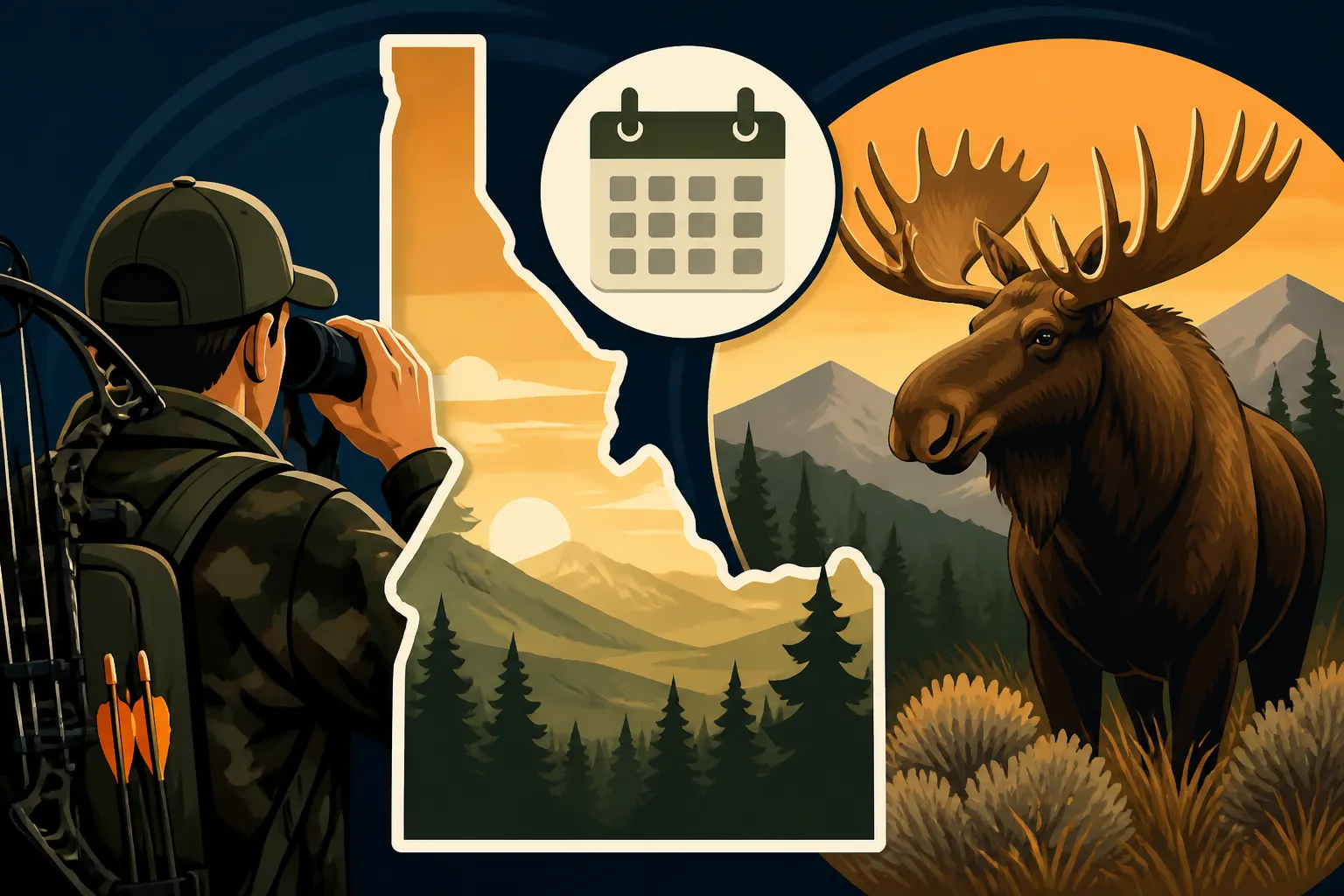
Trying to draw a moose tag in Idaho can feel like an exercise in futility, a test of patience that stretches years, sometimes even decades. It’s a dream hunt for many, and the sheer challenge of securing one of these coveted tags often leaves aspiring hunters feeling discouraged and wondering if they'll ever get their chance. This guide aims to pull back the curtain on Idaho's moose controlled hunt system, offering a realistic look at the draw process, what factors truly influence your wait, and how you can strategically plan for this once-in-a-lifetime opportunity.
The Harsh Reality of Idaho Moose Tags
Let's not sugarcoat it: drawing a moose tag in Idaho is tough. It's not like purchasing an over-the-counter deer tag; these are extremely limited, highly sought-after permits that require participation in a controlled hunt drawing. The state manages its moose population carefully, and as a result, the number of tags issued each year is quite small, especially when you consider the immense interest from both resident and nonresident hunters.
Many hunters apply year after year, faithfully submitting their applications, only to be met with the same "unsuccessful" notification. This can be incredibly frustrating, especially when you've been nurturing this dream for a long time. It can feel like playing a lottery with incredibly long odds, and in many ways, it is. The rarity of the opportunity is precisely what makes drawing a tag so special, but it also means you need to go into the process with open eyes and realistic expectations about the commitment it takes. Understanding the draw process is the first step in managing that long game.
Demystifying the Idaho Controlled Hunt System for Moose
Idaho operates on a true lottery system for its controlled hunts, meaning there are no preference points or bonus points that accumulate over time. This can be a double-edged sword. On one hand, it means every applicant, whether it's their first time applying or their twentieth, theoretically has an equal chance each year the draw is run. This is a stark contrast to states that heavily favor applicants with decades of points, often shutting out newer hunters entirely. If you're looking for detailed statistics on success rates, the Idaho Fish and Game website and resources like GoHunt often publish Idaho Moose Controlled Hunt Draw Odds which can give you a clearer picture of the unit-specific chances.
On the other hand, the lack of a preference point system means you can't "build up" your chances over time. There's no guarantee that diligent application will eventually pay off sooner rather than later. You might draw a tag your very first year, or you might apply for 30 years and never see one. It's this pure randomness that can be both exciting and disheartening. It makes the "years to draw" question less about a predictable accumulation and more about the whims of a computer algorithm.
The application period for these highly coveted tags typically falls in the spring. You’ll want to pay close attention to When Idaho Controlled Hunt Applications Open and ensure you submit everything well before The Controlled Hunt Application Deadline in Idaho. Missing that window means another year slips by.
The Role of Controlled Hunt Areas
Idaho divides its hunting areas into distinct units and controlled hunt zones, each with specific tag allocations. For moose, these tags are tied to very particular units and hunt codes. A tag for a bull moose in the Lolo Zone is entirely different from a cow moose tag in the Island Park area, and the draw odds will reflect that. Some areas known for larger bulls or easier access might have astronomically low draw odds, while more remote or less productive areas might offer a slightly better (though still slim) chance.
When you apply, you're not just applying for "a moose tag"; you're applying for a specific moose tag in a specific hunt area. This level of detail requires diligent research before you even consider applying. Resources like the official Idaho Hunt Planner are indispensable here, as they provide maps and regulations for each unit and controlled hunt. Understanding these Moose Hunt Area Boundaries Explained is critical to making an informed application choice.
Nonresident Tag Allocation
If you're a nonresident, the wait time discussion takes on another layer of complexity. Idaho, like many western states, has a cap on the number of nonresident big game tags it issues each year. This means that even with the same "equal odds" lottery system, there are simply fewer nonresident tags available overall compared to resident tags. While there are a limited number of non-resident tags for moose, they are still highly competitive. This usually translates to even longer wait times for nonresidents who are trying to secure one of these highly prized permits. It also means that the financial commitment of applying each year, including the non-refundable license fee, can add up significantly over a potential multi-decade wait.
Navigating the Odds: Factors That Dictate Your Wait
While the core of the Idaho moose draw is a lottery, several factors can subtly influence how many years it might take for your name to finally be pulled. Understanding these can help you strategize your applications, even if they don't guarantee a quicker outcome.
Resident vs. Nonresident Status
As touched on before, this is perhaps the single biggest factor. Residents benefit from a much larger pool of tags. While the odds are still tough, a resident hunter statistically has a better chance of drawing a moose tag over a given period than a nonresident. For example, a resident might face a 1% draw odds, while a nonresident applying for the exact same tag could be looking at 0.1% or less, simply due to the drastically lower allocation for out-of-state hunters. This disparity is just the reality of hunting in states with limited resources and high demand.
Bull Moose vs. Cow Moose Tags
This is another significant differentiator. Generally, tags for bull moose are far more desirable and, consequently, much harder to draw than cow moose tags. Hunters often dream of a big bull, and the opportunity to pursue one is a major draw. However, cow moose tags still offer an incredible hunting experience and can be significantly easier to draw, making them a viable option for those prioritizing the experience of a moose hunt over antler size. If your goal is simply to hunt a moose, regardless of sex, applying for a cow tag could dramatically reduce your wait time. It's worth researching Cow Moose Tags and Where They Go to see which units offer these opportunities.
Specific Hunt Area Choices
Idaho has a diverse landscape, and some moose hunt areas are inherently more popular than others. Areas with a history of producing large bulls, or those with more accessible terrain, tend to see a higher volume of applications, driving down the draw odds. Conversely, units that are extremely remote, require significant effort to access, or have lower moose densities might offer slightly better odds.
A wise strategy is to carefully research the historical draw odds for various units and consider applying for those that are less popular. This doesn't mean they are "bad" units; it simply means they require a different kind of hunter – one willing to put in the work. You can use tools like the Idaho Hunt Planner Is the Tool to Start With to dig into these details. It’s an invaluable resource for understanding harvest statistics, public land percentages, and the lay of the land, all of which can inform your application strategy.
The Impact of Idaho's No Preference Point System
Because Idaho operates without preference points, as highlighted in Idaho Has No Preference Points, and What That Changes, there's no way to 'game' the system by accumulating points. This means every year is a clean slate. You don't lose anything by not applying for a year, nor do you gain anything by consistently applying for twenty years. This can be liberating for some, as it removes the pressure of continuous application, but frustrating for others who desire a more predictable path to a tag. It fundamentally means that the "number of years to draw" isn't a linear progression but rather a continuous series of individual lottery attempts.
Planning While You Wait: Maximizing Your Chances and Readiness
Even if you're facing a long wait, there's plenty you can do to enhance your chances and ensure you're fully prepared when that coveted tag finally arrives.
Research and Application Strategy
The time spent waiting is prime time for research. Become an expert on moose behavior, habitat, and the specific units you're interested in. Use tools like GoHunt, and scour the Idaho Fish and Game website for detailed regulations, maps, and harvest reports. The more you know about the units, their terrain, access points, and historical success rates, the better equipped you'll be to choose the right hunt code when it's time to apply.
Consider applying for a secondary draw if you're unsuccessful in the initial lottery. Idaho often has a Idaho's Second Drawing in Early August for leftover tags in less popular units or for cow moose. While these tags are often snapped up quickly, staying vigilant can present an unexpected opportunity.
| Moose Tag Type | Typical Draw Odds (Qualitative) | Wait Time Expectation (Qualitative) | Considerations |
|---|---|---|---|
| Resident Bull Moose | Very Low | Many Years / Decades | High demand, limited tags. Top trophy areas are extremely difficult. |
| Nonresident Bull Moose | Extremely Low | Likely Decades / Unlikely | Very few allocated. Essentially a once-in-a-lifetime lottery with long odds. |
| Resident Cow Moose | Low to Moderate | Several Years to Over a Decade | Better odds than bull tags, still competitive. Great hunting experience. |
| Nonresident Cow Moose | Very Low | Many Years / Potentially Decades | Still very tough, but a better chance for nonresidents seeking any moose. |
| Less Popular Units (Both) | Slightly Better | Shorter End of Range (but still long) | Requires more research, potentially harder access or less dense populations. |
Physical and Mental Preparation
A moose hunt in Idaho can be incredibly demanding, especially in the rugged backcountry where many of these animals reside. The years you spend waiting for a tag are the perfect time to get in peak physical condition. Think about the kind of terrain you'll likely encounter – steep mountains, thick timber, potentially wet and cold conditions. Regular hiking, strength training, and endurance building will serve you well. Being physically ready means you can capitalize on the opportunity when it comes, rather than being limited by your conditioning. Preparing for a hunt involves more than just shooting; it also includes Physical Conditioning for Idaho Backcountry.
Mentally, it’s about patience and resilience. Moose hunting can involve long days, challenging conditions, and periods of no activity. Cultivate a mindset that embraces the wilderness experience, regardless of immediate success.
Financial Planning
Moose hunts aren't cheap. Beyond the tag itself, you'll need to factor in travel, gear, meat processing, and potentially taxidermy. If you plan to hire an outfitter (which is often a wise choice for a first-time moose hunt, or if you're hunting in wilderness areas where Idaho Forces Nonresidents to Hire a Guide for Wilderness Elk), that's a significant additional cost. Use the waiting years to save diligently so that when your name is drawn, you have the financial resources to make the most of the experience without undue stress.
Scouting and Learning the Land
Even without a tag in hand, you can begin to learn prospective units. E-Scouting an Idaho Unit Before the Season using satellite imagery, topographical maps, and public land layers is an excellent way to familiarize yourself with the terrain. Look for potential moose habitat, water sources, bedding areas, and travel corridors. While specific moose locations will change, understanding the general patterns and characteristics of a unit will give you a huge advantage when you finally do draw. Consider a summer scouting trip to a general area of interest. You might not be looking for a specific moose, but you can learn the country, understand the vegetation, and identify potential access challenges. Learning about Shiras Moose Across Idaho and their specific habitat preferences will make your scouting efforts far more efficient.
The wait for an Idaho moose tag is long, no doubt about it. But by embracing the reality of the draw, strategically applying, and diligently preparing, you transform those years of waiting into an investment in an unforgettable hunting adventure.
Disclaimer
This article is for general informational purposes only and does not constitute professional advice. Laws, prices and regulations vary by location and change over time. Consult a qualified professional for guidance on your specific situation.