When the Mule Deer Rut Actually Starts
There's nothing quite like the anticipation of the mule deer rut. Many hunters feel that nagging uncertainty about when the real action is going to kick off, worried they'll miss the prime window for chasing those big Idaho bucks. This guide is all about helping you understand the true rhythm of the mule deer rut in Idaho, so you can plan your hunt around the most opportune times and increase your chances of connecting with that buck of a lifetime.
Understanding the Phases of the Mule Deer Rut in Idaho
The idea of "the rut" isn't a single, fixed date on a calendar. It’s a dynamic period with distinct phases, each offering unique opportunities and challenges for hunters. Knowing these phases is critical to understanding when the mule deer rut actually starts in Idaho and how it progresses.
The Pre-Rut: Scrapes, Rubs, and Increased Activity
Before the full-blown chaos of the breeding season, mule deer enter what we call the pre-rut. This phase typically kicks off in late October and builds through the first two weeks of November, though it can vary. During the pre-rut, bucks are feeling the hormonal surge and are starting to become much more visible and active. They're establishing dominance hierarchies, aggressively scraping the ground, and rubbing their antlers on saplings and brush to mark territory. You’ll see a significant increase in buck movement, often traveling widely as they begin searching for does that are approaching estrus.
This is a fantastic time to hunt because bucks are predictable in their patterns, focused on food sources and staging areas, but also starting to expand their movements to find does. They're still somewhat callable and respond well to rattling or grunting, as they're eager to assert their dominance. Paying attention to fresh rubs and scrapes can tell you a lot about the quality of the bucks in an area and their travel routes.
The Peak Rut: Chasing and Breeding Frenzy
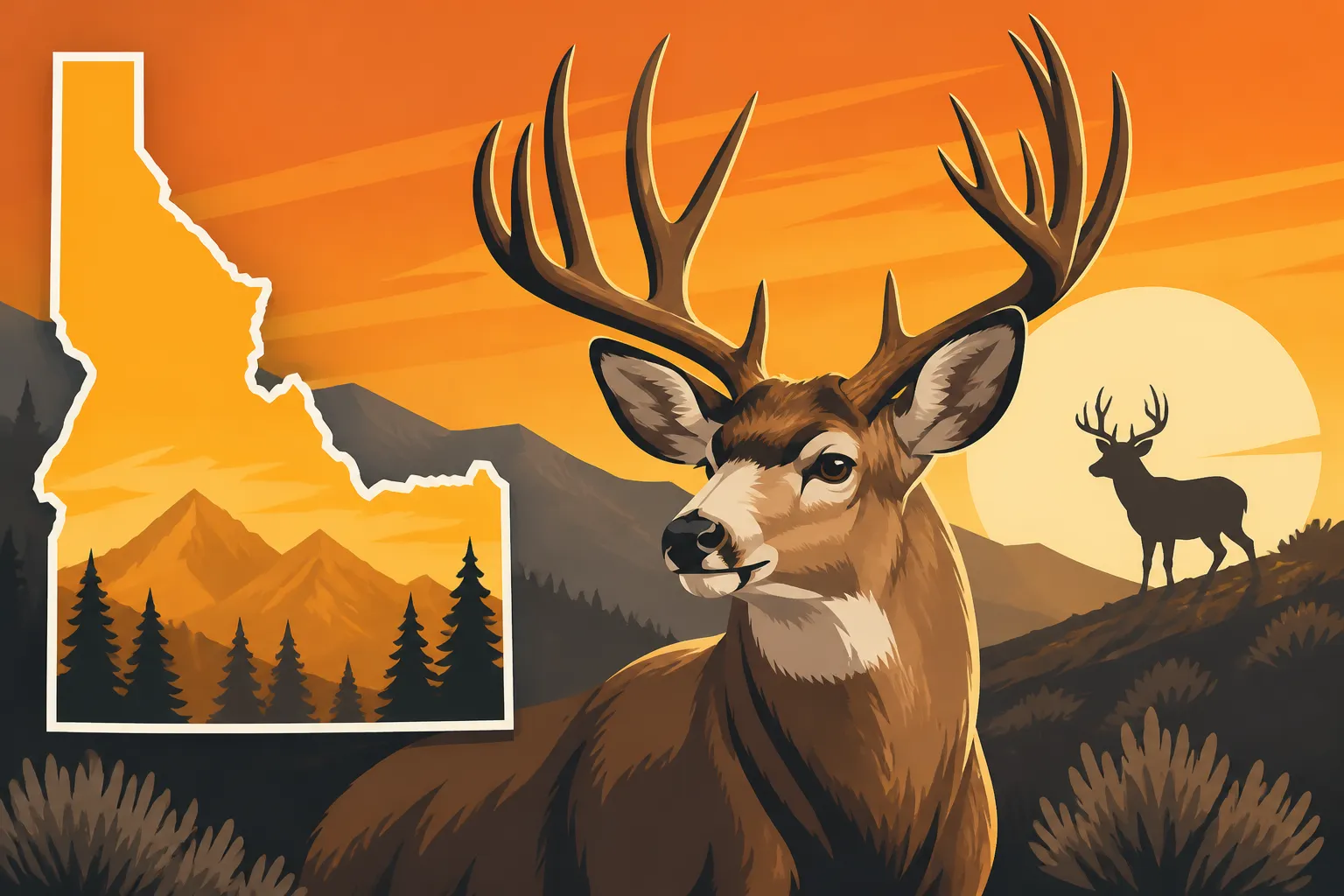
This is what most hunters dream about, and it's generally when the mule deer rut actually starts in its most intense form. In many parts of Idaho, the peak rut usually hits between mid-November and early December. During this period, the majority of does come into estrus, and bucks are completely consumed by breeding. Forget about stealth and caution; their single-minded focus is on finding and breeding receptive does.
You'll observe bucks relentlessly chasing does, often to the point of exhaustion. They might be seen actively "tending" a doe, staying close by her side, often for a day or two, to ensure they are the ones to breed her. During the peak rut, bucks might travel long distances, sometimes out of their normal range, following a hot doe. This is when patience and extensive glassing really pay off, as bucks can appear almost anywhere. You might even find mature bucks making mistakes they wouldn't normally make, exposing themselves in open country. This is also a time when understanding Mule Deer Migration Corridors Worth Knowing can be highly beneficial, as deer may be moving between winter ranges and breeding grounds.
The Post-Rut: Recovery and Relocation
Once the frenzy of the peak rut subsides, usually by mid-December, bucks enter the post-rut phase. This is a period of recovery. Bucks have expended an enormous amount of energy, often losing a significant percentage of their body weight during the breeding season. Their primary focus shifts back to feeding heavily, trying to replenish their reserves and prepare for the coming winter.
During the post-rut, bucks tend to become much more reclusive and wary again. They often relocate to wintering grounds, which might be lower elevations or south-facing slopes that offer better forage and protection from the elements. While they can still be taken, the tactics change significantly. Instead of looking for active chasing, you'll need to focus on feeding areas, bedding cover, and often, areas where deer consolidate for the winter. This phase can be tough but offers opportunities for patient hunters who are willing to brave colder weather and understand where deer are trying to survive the lean months.
Factors Influencing the Start of the Rut: More Than Just a Calendar Date
While we talk about general timeframes, the exact timing and intensity of the mule deer rut can fluctuate. It’s not just a switch that flips; several factors play a crucial role in dictating when the mule deer rut actually starts and how long it lasts.
Environmental Triggers: Photoperiod and Weather
The primary driver of the rut, scientifically speaking, is photoperiod – the decreasing amount of daylight after the autumnal equinox. As days shorten, it triggers hormonal changes in deer that lead to the rut. This is why the rut generally occurs in the same window each year. However, weather conditions can significantly impact the visible activity of the rut. A sudden cold snap or the first significant snowfall can often kick deer activity into high gear. These changes can concentrate deer, force them to move more for food, and make bucks more eager to find does before harsh winter weather sets in. Mild, prolonged autumns, on the other hand, can sometimes make the rut feel more drawn out or less intense, as deer aren't as pressured to breed quickly.
Herd Dynamics: Buck-to-Doe Ratios and Nutrition
The health and balance of the local mule deer herd also influence rut timing and intensity. In areas with a healthy buck-to-doe ratio, where there are enough mature bucks to breed the available does, the rut tends to be more concentrated and intense. Bucks don't have to wander as far to find receptive does, and competition among bucks can be higher, leading to more visible activity. Conversely, in areas with imbalanced ratios or poor nutrition, the rut might be less pronounced or spread out. Does might come into estrus over a longer period, and bucks might be less aggressive due to poorer physical condition. This is why looking at Reading an Idaho Harvest Statistics Report can give you clues about the health and demographics of a deer herd in a particular unit.
Regional Variations Across Idaho
Idaho is a huge state with incredible diversity in terrain and climate, and these regional differences certainly affect when the mule deer rut actually starts and how it plays out. For example, mule deer in the high desert regions of southern Idaho might experience a slightly different rut timeline or intensity compared to those in the timbered mountains of central or northern Idaho. Higher elevations or more northern latitudes might see earlier, more compressed rut activity due to colder weather arriving sooner. Lower elevation, drier areas might have a slightly later peak. It's crucial not to assume that what applies to one part of the state automatically applies to another. Hunters should delve into specific unit information to get the most accurate picture, which platforms like GoHunt can greatly assist with by providing localized data.
How to Use Rut Timing to Plan Your Idaho Mule Deer Hunt
Knowing the phases of the rut is just the first step. The real art is in translating that knowledge into a successful hunting strategy. Planning your trip to align with the anticipated rut activity can make all the difference.
Scouting for Rut Sign Before Your Hunt
The work begins long before opening day. Even if you can't be in your hunting unit in late October or early November, e-scouting can give you a massive advantage. Look for historical buck usage areas, potential bedding zones, and traditional feeding grounds. Then, once you are in the field, even if it's during an early season, actively look for pre-rut signs. Fresh rubs, especially larger ones, indicate a buck in the area. Scrapes, particularly those under low-hanging branches (scrape trees), are like calling cards for bucks. The more fresh sign you find, the closer you know the rut is.
Understanding where mature bucks typically hold before the rut can help you anticipate their movements. Many hunters use E-Scouting an Idaho Unit Before the Season to identify potential locations for these pre-rut signs, giving them a head start. Think about escape cover, water sources, and reliable forage. Bucks often transition from summer bachelor groups to more solitary pre-rut movements, becoming more unpredictable, but their activity around these prime areas will ramp up.
Adapting Hunting Strategies to Each Rut Phase
Your tactics absolutely need to change as the rut progresses. During the pre-rut, bucks are still relatively focused on food and can be found near transition areas between bedding and feeding. Calling and rattling can be very effective as bucks are eager to challenge rivals. Try to imitate the sounds of a territorial buck or a small fight. In contrast, during the peak rut, your best bet is often covering ground and glassing extensively. Bucks are constantly on the move, chasing does. Setting up on high vantage points and performing Glassing Breaks and Benches for Mule Deer can reveal surprising amounts of activity. They might be in unexpected places, following a doe through open country or pushing her through sparse timber.
For the post-rut, switch gears entirely. Bucks are tired and hungry. Focus on secure bedding areas near prime forage, especially on south-facing slopes that receive more sun and hold less snow. Still-hunting slowly through known wintering areas, or checking Where Mule Deer Winter in Sage Country, can be productive. They're trying to conserve energy, so you might find them bedded down for longer periods, but they will be extremely wary.
Timing Your Leave for Prime Opportunity
If you have flexibility, aiming for the two weeks surrounding Thanksgiving (mid-November to early December) often provides the sweet spot for peak rut activity in many Idaho mule deer units. This is when buck activity is usually at its highest, and their guard is often at its lowest. However, don't dismiss the pre-rut, especially if you prefer targeting bucks that are still somewhat patternable. The early weeks of November can be phenomenal if you catch the bucks when they're ramping up their breeding efforts but haven't gone totally nomadic. Use resources like the Best Units to Draw for a Mature Buck and analyze their historical rut success rates when planning your timing.
| Rut Phase | Typical Timing (Idaho) | Key Buck Behavior | Hunting Strategy Focus |
|---|---|---|---|
| Pre-Rut | Late Oct – Mid-Nov | Increased rubs & scrapes, sparring, seeking does | Calling, rattling, ambushing food sources/travel routes |
| Peak Rut | Mid-Nov – Early Dec | Aggressive chasing, tending, breeding | Extensive glassing, still-hunting bedding areas near does |
| Post-Rut | Mid-Dec – End of Season | Heavy feeding, recovering, moving to winter range | Still-hunting wintering grounds, focus on forage & cover |
Tools and Resources for Pinpointing the Rut in Your Unit
It's one thing to know the general timing, but getting specific for your chosen Idaho unit requires leveraging modern tools and local knowledge.
Leveraging Online Mapping and Data Platforms
In today's hunting world, digital mapping platforms are invaluable for understanding How Idaho Numbers Its Game Management Units and predicting game movement. Tools like GoHunt, for instance, offer detailed unit breakdowns, historical harvest statistics, and mapping layers that can show you terrain features, public/private land boundaries, and even historical game locations. By diving into a unit's specific data, you can often identify areas that consistently produce during the rut. Look for concentrations of observations or harvest locations in mid-November on an interactive map.
These platforms can help you identify prime bedding areas, likely travel corridors, and Reading an Idaho Harvest Statistics Report can sometimes reveal peak activity windows through harvest dates. Combining this data with your personal scouting notes and topo maps (perhaps Using onX Layers for Idaho Public Land for detailed land ownership info) creates a powerful predictive model for when the mule deer rut actually starts in your specific hunting ground.
Connecting with Local Knowledge and Biologists
Never underestimate the power of local knowledge. Chatting with local biologists, game wardens, or even seasoned resident hunters (if you can find them willing to share!) can provide insights that no online tool can. They'll have a pulse on specific herd health, current conditions, and recent observations. Idaho Fish and Game often publishes reports or updates on herd conditions and general rut activity, especially as the season progresses. These reports might not give you an exact day, but they'll confirm if the rut is on track, early, or late for a particular region.
Social media groups focused on Idaho hunting can also be a source of anecdotal, real-time information, but always take those with a grain of salt. Look for consistent themes rather than isolated reports.
Reading the Real-Time Signs in the Field
Ultimately, the deer themselves are your best source of information. When you're in the field, keep your eyes peeled for those tell-tale signs. Are bucks chasing does? Are they sparring? Are you seeing fresh rubs and scrapes pop up daily? Pay attention to the behavior of does too; a doe acting skittish and trying to evade a buck is a clear sign she's coming into estrus. Also, note the presence of younger bucks, often called "satellite" bucks, hanging around the edges of a breeding group, waiting for their chance.
Your optics, such as those discussed in Optics Power for Idaho's Long Canyon Sightlines, will be your best friend for observing these behaviors from a distance without disturbing the animals. The more time you spend observing, the more accurately you'll be able to judge exactly where your hunting area is in the grand scheme of the mule deer rut. It's a continuous learning process, but one that richly rewards the observant hunter.
Disclaimer
This article is for general informational purposes only and does not constitute professional advice. Laws, prices and regulations vary by location and change over time. Consult a qualified professional for guidance on your specific situation.