The Controlled Hunt Application Deadline in Idaho
Oh, the controlled hunt application deadline in Idaho. If you’ve ever found yourself frantically checking dates, refreshing webpages, or kicking yourself for missing a critical window, you are absolutely not alone. It’s a nail-biting, often frustrating part of the hunting process, but getting your application in on time is the single most important step to securing one of those coveted tags. This guide is here to walk you through the essential application deadlines for Idaho's controlled hunts, helping you keep track so you don't miss out on another season.
Navigating the Primary Controlled Hunt Application Window
Idaho’s controlled hunts are a big deal, offering limited entry opportunities for specific species and areas that often provide higher quality or less pressured experiences. But to even have a shot at these, you have to play by the rules, and the first rule is knowing exactly when to apply.
Understanding the Main Application Period
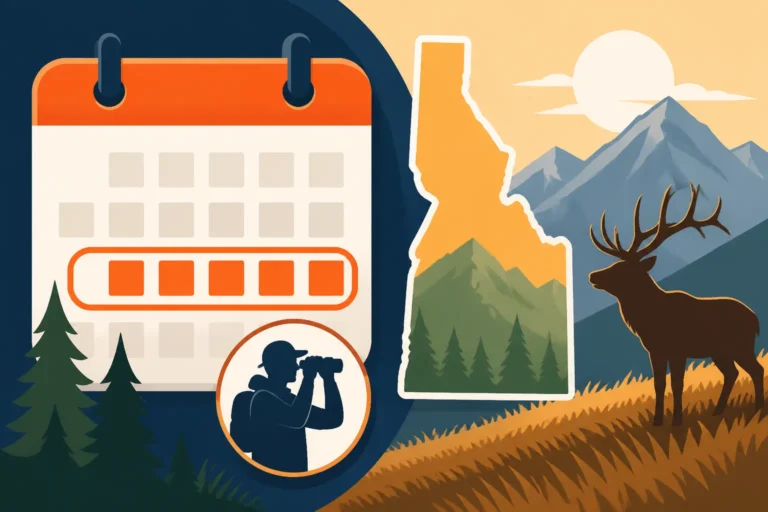
For the vast majority of deer, elk, bear, and antelope controlled hunts, Idaho Fish and Game (IDFG) opens its primary application period in the spring. Typically, this window kicks off in April and runs straight through to June 5th. That June 5th deadline is absolutely critical and unyielding. It's not a suggestion; it’s a hard cutoff. If your application isn't submitted and confirmed by that date, it won't be considered, no matter how good your intentions were.
This period is when most hunters will apply for their desired species and units. You’ll be selecting specific hunt codes that detail the species, unit, season dates, and even the weapon type (archery, muzzleloader, or any weapon). It’s a comprehensive application, and while June 5th might seem a long way off when April rolls around, those weeks fly by faster than an elk sprinting across an open sage flat. Trust me, I’ve seen countless hunters express deep regret for letting it slip their minds. This is where tools like GoHunt become invaluable, offering reminders and streamlined application tracking to help avoid that devastating "oops."
Species Covered by the Primary Deadline
The June 5th deadline is primarily for your bread-and-butter big game species:
- Deer: This includes both mule deer and whitetail deer, covering a wide range of controlled hunts across the state. Whether you're dreaming of a trophy buck in the high desert or a thick-antlered whitetail in the Panhandle, these tags fall under this primary application.
- Elk: Idaho's elk hunts are highly sought after, and the primary draw is your best bet for a controlled elk tag. Many of these controlled hunts are tied to specific Idaho Elk Zones and the A Tag or B Tag Choice where general season tags might be harder to come by or less flexible.
- Bear: Both spring and fall bear controlled hunts are typically part of this June 5th deadline. These can offer opportunities in areas with strong bear populations or for specific weapon types.
- Antelope: Pronghorn hunting in Idaho is exclusively controlled hunt only, making this deadline particularly crucial for anyone hoping to chase these speed goats.
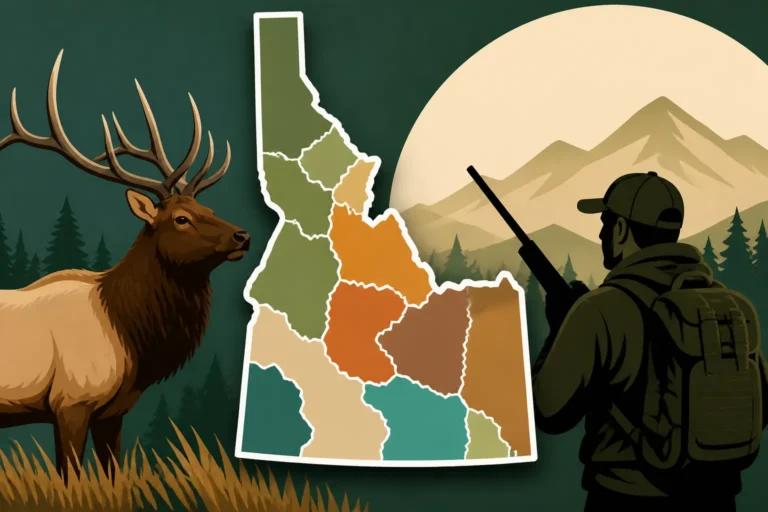
Each of these species will have numerous controlled hunt options listed in the regulations, broken down by game management unit (GMU) and specific hunt codes. It’s a lot to sift through, which is why giving yourself plenty of time before that June 5th deadline is paramount. You need to research your units, understand the drawing odds, and make an informed decision on where to put your tag. For comprehensive details on all the controlled hunt opportunities and their specific timeframes, The Idaho Controlled Hunt Calendar, April Through August is an indispensable resource.
The Critical Importance of Submission Deadlines
Missing a deadline isn't just an inconvenience; it can mean sitting out an entire season for a species you've been planning to hunt for years. In the world of limited-entry draws, timing is everything.
Consequences of a Missed Deadline
Let's be brutally honest: if you miss the June 5th deadline for Idaho's primary controlled hunts, you're out of luck for that year’s draw. There are no extensions, no "my dog ate my homework" excuses, and no sympathy from the system. Your application simply won't be processed. This can be incredibly frustrating, especially for non-residents who invest significant time and money into planning these hunts. Imagine spending months e-scouting, only to realize you let the application window slip by. The feeling of disappointment is immense, and it sets your hunting plans back a full year.
Unlike some states, Idaho Has No Preference Points, and What That Changes for the main big game draws. This means every applicant, whether it's their first time applying or their tenth, has the same mathematical odds of drawing a specific tag each year. While this offers hope to newcomers, it also means that missing a deadline costs you a chance at an equally fair shot, not just a chance to build points. You also lose the application fee, which is a small cost, but adds insult to injury when you have nothing to show for it.
Very occasionally, some leftover tags might become available after the primary and secondary draws, but these are usually extremely limited, often for less desirable units or difficult-to-access areas, and they sell out in minutes. Relying on a leftover tag is like planning your elk hunt around winning the lottery—it's not a sound strategy.
Planning Ahead with the Idaho Hunt Planner
To avoid the heartbreak of a missed deadline, proactive planning is your best friend. The Idaho Department of Fish and Game provides an excellent online resource called The Idaho Hunt Planner Is the Tool to Start With. This interactive map and data portal allows you to research units, review harvest statistics, check public land percentages, and, crucially, look up all the application dates. You can filter by species, weapon type, and even specific controlled hunts.
Beyond the official IDFG resources, many hunters swear by third-party services like GoHunt. These platforms often aggregate all the state regulations, deadlines, and drawing odds into a user-friendly interface. They can send you email and text reminders, ensuring you're alerted well in advance of impending deadlines. This kind of robust notification system can be a lifesaver, especially when you’re juggling work, family, and a hundred other things that could distract you from that crucial application date.
Starting your research early—even months before the application window opens—allows you to:
- Identify Potential Hunts: Decide which controlled hunts align with your goals and research their historical drawing odds.
- Confirm Requirements: Ensure you meet all prerequisites, such as Anyone Born After 1974 Needs Idaho Hunter Education if applicable, or specific license requirements.
- Secure Your License: Remember, you must purchase your annual hunting license before you can apply for a controlled hunt. We'll get into that a bit more later, but it’s a common stumbling block.
Specific Controlled Hunt Deadlines Beyond the Main Draw
While the June 5th deadline covers the bulk of Idaho's controlled hunts, there are other species and opportunities that operate on different schedules. It’s important to know these dates if you’re hoping to chase some of Idaho’s more unique or highly sought-after game.
Trophy Species Application Windows
When it comes to the true "once-in-a-lifetime" species in Idaho—moose, bighorn sheep, and mountain goat—the application period is earlier than the primary deer and elk draw. For these magnificent animals, applications typically open in April and close around April 30th.
This earlier deadline underscores the rarity and prestige of these tags. Because draw odds are often incredibly low, sometimes taking decades of applying to be successful, missing this April deadline is a particularly bitter pill to swallow. If you're serious about pursuing these animals, mark this April 30th date in permanent ink on every calendar you own. The thrill of potentially drawing one of these tags is immense, but the journey starts with a timely application. You can find all the specific details on this application period in the guide for Idaho's April Window for Moose, Sheep and Goat.
Idaho's Second Controlled Hunt Drawing and Leftover Tags
Not every controlled hunt tag is claimed in the primary draw. Sometimes applicants fail to purchase their drawn tag, or tags are returned for various reasons. When this happens, Idaho Fish and Game often holds a "second drawing" in early August. The application period for this second drawing usually opens in early August and closes just a few days later, typically around August 15th.
These second-draw opportunities are often even more competitive because there are far fewer tags available. They might be for specific zones, often spike-only elk tags, or areas that had lower success rates in the initial draw. While it’s a second bite at the apple, it's not something to rely on as your primary strategy. You can learn more about how this draw works in How Idaho's Second Controlled Hunt Drawing Works.
Following the second drawing, any remaining unclaimed or returned tags are usually sold on a first-come, first-served basis. This typically happens in late August, and these tags can sell out in literally seconds. It’s a mad dash, and you need to be logged in and ready the moment sales open. Websites like GoHunt often provide alerts the moment these Returned Tag Sales Are Idaho's Back Door become available, giving dedicated hunters a slight edge in this frantic rush.
Here’s a quick overview of these critical deadlines:
| Controlled Hunt Type | Application Window (Approximate) | Deadline (Typical) | Notes |
|---|---|---|---|
| Primary Draw | April – Early June | June 5th | Main application for deer, elk, bear, antelope. Critical for most hunters. |
| Trophy Species | April | April 30th | For moose, bighorn sheep, and mountain goat. Much earlier deadline. |
| Second Drawing | Early August | August 15th | For unclaimed or returned tags from the primary draw. Limited tags, very competitive. |
| Leftover Tag Sales | Late August | First-come, first-served | Very limited, often less desirable units or specific species. Sell out instantly. |
Best Practices for Ensuring Your Application is On Time
Given the high stakes and strict deadlines, having a robust system for managing your applications is essential. A simple oversight can cost you a hunting season.
Setting Up Reminders and Verification Steps
Don't just rely on your memory. In today's digital age, there's no excuse for missing a deadline due to forgetfulness.
- Calendar Alerts: Set multiple reminders on your digital calendar (Google Calendar, Outlook, etc.) for a few weeks out, a week out, and the day before each critical deadline. Use specific titles like "Idaho Primary Controlled Hunt Deadline – June 5th!"
- Physical Reminders: Go old school. Write the dates on a physical calendar in your kitchen or office. Stick a note on your computer monitor. Sometimes seeing it in a different format helps it stick.
- Use Third-Party Services: As mentioned, services like GoHunt are excellent for this. Their alert systems are designed specifically for hunters and can be customized to your preferred communication methods (email, text).
- Application Confirmation: After you submit your application, always verify. Idaho Fish and Game will send you a confirmation email. Log into your IDFG account and check your purchase history to ensure the application is listed. If you don't see it, follow up immediately. Don't assume it went through. There’s nothing worse than thinking you’ve applied, only to find out later there was a glitch.
The Role of the Idaho Hunting License
This is a step that trips up many hunters, especially non-residents who might not be familiar with Idaho’s specific process. You must purchase a valid Idaho hunting license before you can apply for any controlled hunt. This isn't just for residents; non-residents need to buy their The Idaho Nonresident Hunting License Price upfront as well.
This means you’ll typically buy your annual hunting license in the early spring, usually around March or April, before the controlled hunt application windows even open. It’s an added expense upfront, and it’s non-refundable, even if you don't draw a controlled tag. Understanding Why Idaho Charges the License Before the Draw is crucial for planning your hunting budget and timeline. For non-residents, this often means committing a significant amount of money (hundreds of dollars for the license alone) before you even know if you'll get a tag.
For example, if you're a non-resident hoping to draw an elk tag, you'll purchase your non-resident hunting license (which includes the base fee) and then apply for the controlled hunt. If you draw, you then purchase the elk tag itself. If you don't draw, you still keep the hunting license, which allows you to buy general season tags if available, but the controlled hunt application fee and the license cost are sunk. For hunters looking ahead to future changes, be aware that Idaho Moved Nonresident Deer and Elk Tags Into a Draw for 2026, which will further impact planning for non-residents.
Always double-check the current year's regulations for exact dates and fees, as these can sometimes shift slightly from year to year. The Idaho Fish and Game website is your ultimate source of truth, but don't hesitate to call their licensing department if you have any questions or uncertainties. It’s far better to ask than to miss an opportunity.
Disclaimer
Please note that hunting regulations, seasons, and application deadlines can change. Always consult the official Idaho Department of Fish and Game (IDFG) website and the current year's hunting regulations booklet for the most accurate and up-to-date information before planning any hunt or submitting an application. This guide provides general information and should not be considered a substitute for official IDFG publications.