Hungarian Partridge Across Dryland Farm Ground
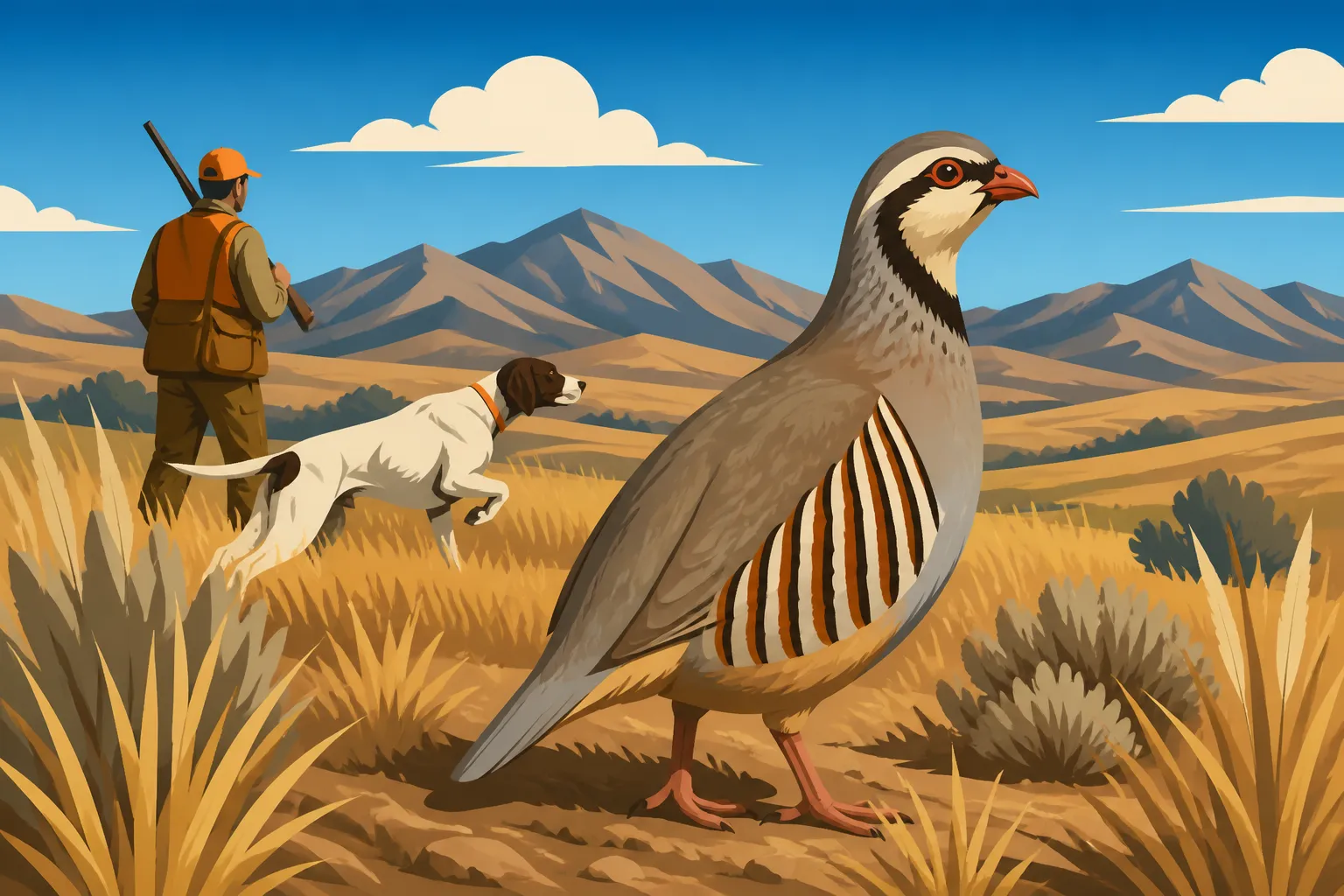
If you've ever spent a crisp fall morning tramping through seemingly endless Idaho stubble fields, only to come up empty-handed for Hungarian partridge, you know the frustration. These wily little birds can be incredibly elusive, disappearing into the sparse cover of dryland farm ground as if they'd vanished into thin air. It’s enough to make you wonder if they're even there sometimes! This guide aims to help you unravel the mystery of Hungarian partridge hunting, providing practical, in-depth strategies for finding and successfully pursuing these fast-flying game birds across Idaho's agricultural landscapes.
Understanding Hungarian Partridge Habitat on Dryland Farm Ground
Hunting Hungarian partridge, often affectionately called Huns, is a unique challenge, primarily because their preferred habitat on dryland farm ground can look deceptively barren to the uninitiated eye. It’s not about big timber or thick brush; it's about subtle changes in agricultural landscapes that provide just enough cover and sustenance to hold a covey.
What "Dryland Farm Ground" Really Means in Idaho
When we talk about dryland farm ground in Idaho, we’re referring to agricultural areas that rely solely on natural precipitation rather than irrigation. This distinction is crucial, as it dictates the types of crops grown and the density of cover available. Think vast expanses of wheat, barley, or oat fields, often with sections left fallow for a season or two to replenish soil nutrients. After harvest, these fields are often left with a stubble that ranges from a few inches to a foot or more high, providing surprisingly effective camouflage for small birds. You'll also find old hayfields, sometimes reverting to native grasses and weeds, and areas that farmers might leave ungrazed or uncultivated near property lines or natural drainage areas. These spaces are often punctuated by brushy draws, rocky outcrops, or sparse shelterbelts planted decades ago. The key is that these areas aren't uniformly cultivated; they have "edges" where farming practices meet wilder, less managed terrain.
Why Partridge Thrive in Agricultural Edges and Fallow Fields
Hungarian partridge are truly creatures of the edge. They thrive where the cultivated world meets the wild, using these transitional zones for almost everything they need to survive. The primary draw of dryland farm ground for Huns is the abundance of food sources. After harvest, waste grain like wheat, barley, and peas provides a critical and readily available food supply. Beyond waste grain, fallow fields and field edges are often rich with the seeds of various weeds, which form a significant portion of their diet. During warmer months, these areas also teem with insects, another vital food source, especially for young chicks.
But food isn't the only factor. These same edges, stubble fields, and fallow areas provide essential protection from predators, both aerial and terrestrial. The height of stubble, even if it seems thin to us, can break up a bird's outline and offer concealment from hawks or coyotes. Brushy draws, fencelines overgrown with weeds, and even larger rock piles offer dense pockets of cover where a covey can hunker down and escape detection. These areas also serve as vital nesting cover in the spring and provide crucial thermal protection during the harsh Idaho winters. A patch of tall, unharvested weeds or a dense shelterbelt can be the difference between life and death for a covey when the snow starts to fly. Understanding these subtle habitat preferences is the first step to successful hunting.
Scouting and Locating Hun Coveys in Idaho's Farm Belt
Finding Hungarian partridge isn't just about showing up with your shotgun; it's about smart scouting, both before and during the season. These birds are not evenly distributed, and knowing where to focus your efforts can save you miles of fruitless walking.
The Best Times to Scout for Hungarian Partridge
Pre-season scouting is invaluable for Huns. I always recommend getting out in late summer or early fall, before the season even opens. The vegetation is mature, and you can get a good feel for the landscape without the pressure of hunting. Drive county roads slowly, pulling over frequently to glass fields and fence lines with binoculars. Look for coveys feeding in stubble fields, especially early in the morning or late in the evening. Pay attention to areas where multiple types of cover converge – a stubble field meeting a brushy draw, or a fallow field bordering a creek bottom. This pre-season intel will give you a solid starting point for opening day.
Once the season starts, the best times to locate Huns are typically the first two hours after sunrise and the last two hours before sunset. This is when birds are most active, often feeding in more open areas before retreating to denser cover for the rest of the day. During mid-day, they'll typically be tucked away, digesting and loafing in protective cover, making them harder to find unless you walk directly into them. Using quality optics, like a pair of 10x binoculars, is a must. Spend time glassing the edges of fields, the tops of low rises, and any distinct features in the landscape. Sometimes, you'll spot them running along the ground or sunning themselves.
Key Features to Look For: Cover, Water, and Food
When you're out scouting, you're essentially looking for the partridge's daily necessities, all bundled into one general area. Cover is paramount. Look for areas with a mix of short and tall vegetation. Ideal spots include brushy draws that cut through fields, shelterbelts (rows of trees or shrubs planted to protect from wind), fencelines choked with weeds and small bushes, old farmsteads with abandoned buildings or equipment, and rock piles or rocky outcrops that offer elevated vantage points and hiding spots. The more broken and diverse the cover, the more likely you are to find birds.
Water sources, even if they seem minor, are also critical. While Huns can go for periods without direct water, they often gravitate towards areas with some moisture. This could be a natural seep in a draw, a small, seasonal pond, or even irrigation ditches that might still hold residual water early in the season. Observe where the vegetation is greener or denser, as this often indicates more moisture. Finally, identifying specific food sources is key. Stubble fields from wheat, barley, oat, or pea harvests are prime feeding grounds. Fallow fields often grow a variety of seed-producing weeds that Huns relish. A field that was cut weeks ago might still hold enough waste grain to attract and hold birds. Pheasant and Quail on Idaho Farmland also share similar needs for food and cover in agricultural settings.
Using Mapping Tools and Hunter Forums for Intel
In this day and age, technology is your best friend for scouting, especially for private land birds like Huns. Digital mapping applications, such as onX Hunt or even the mapping features available through platforms like GoHunt, are indispensable. These tools allow you to overlay public and private land boundaries, identify land ownership, and visualize terrain features like draws, elevation changes, and field types from satellite imagery. You can mark potential hotspots, plan your routes, and ensure you're not inadvertently trespassing. I always recommend using them to identify potential public land access points or areas where private land borders public, creating natural travel corridors for birds. You can also zoom in and identify those subtle habitat edges that might not be obvious from the road.
Hunter forums and local social media groups can also be a goldmine of information. While specific spots are rarely shared, you can often glean general area knowledge, understand recent harvest patterns, or get a feel for how the bird populations are doing in a particular region. Just remember to take everything with a grain of salt and verify information yourself. Before hunting any private ground, always make it a point to seek permission from the landowner. A friendly knock on the door or a phone call can open up opportunities you wouldn't otherwise have. Getting Landowner Permission in Idaho is a skill worth honing, as it significantly expands your hunting opportunities.
| Feature Type | Description for Hun Habitat | Ideal Location | Notes for Hunters |
|---|---|---|---|
| Stubble Fields | Harvested grain fields (wheat, barley, oats, peas) with residual stalks. | Adjacent to cover, near water. | Provides waste grain for food, light concealment. |
| Fallow Ground | Fields left uncultivated for a season, often growing weeds. | Any size, especially larger blocks. | Excellent for seeds, insects, and nesting cover. |
| Brushy Draws/Coulees | Natural drainage paths, often with thicker brush, small trees, and tall weeds. | Running through or bordering fields. | Critical escape cover, thermal protection, travel routes. |
| Fencelines/Shelterbelts | Overgrown fencelines or planted rows of trees/shrubs. | Dividing fields or property lines. | Linear cover for travel and loafing, especially in open country. |
| Old Farmsteads | Abandoned buildings, machinery, rock piles, overgrown yards. | Scattered throughout agricultural areas. | Dense, varied cover, often near residual water. |
| Water Sources | Seasonal ponds, irrigation ditches, small springs, seeps. | Any low-lying area, often associated with draws. | Attracts birds, look for greener vegetation. |
Hunting Strategies for Hungarian Partridge on Dryland
Once you’ve identified potential partridge habitat, the real fun (and challenge) begins. Huns are notorious for their explosive flushes and uncanny ability to disappear, so having a solid strategy is key to putting birds in the bag.
Walking Smart: Pushing Cover and Controlling Your Dog
Hunting Huns on dryland farm ground is often a game of methodical walking and strategic pushing of cover. Unlike pheasants that might run for hundreds of yards, partridge tend to hold tighter in small coveys, but when they flush, they do it as a unit and with incredible speed. Your approach needs to reflect this. I like to walk in a zig-zag pattern along fencelines, through brushy draws, or across fallow fields, constantly aware of where the best escape cover is. When you approach a patch of cover, assume there are birds there and be ready. Huns often prefer to run first, so a fast, wide-ranging dog might push them out of range before you even know they are there.
This brings me to the importance of your bird dog. A well-trained dog is an absolute asset for Huns, but control is paramount. For partridge, a pointing dog that holds tight is fantastic, allowing you to walk up to the flush. If you have a flushing dog, teach it to work closer than you might for pheasants, ideally within 20-30 yards. This keeps the birds from flushing too far out. Working into the wind can sometimes help your dog scent the birds better and gives you a slight advantage in hearing the flush. Remember, Huns are small, so if you're not using a dog, you need to be especially vigilant in thick cover. Always move slowly and deliberately, pausing frequently to listen and scan. Consider internalizing some of the advice from Bird Dog Rules for Upland Game Hunting to refine your approach.
Shotgun and Ammunition Choices for Fast-Flying Huns
When those Hungarian partridge erupt from the cover, they are gone in a flash. This means you need a shotgun setup that allows for quick, instinctive shooting. Many hunters opt for a 12 or 20 gauge, but a 28 gauge can also be incredibly effective due to its lighter recoil and fast handling characteristics. The key is to pick a gun that you can swing smoothly and get on target quickly. For chokes, I typically start with an improved cylinder or modified choke, which provides a good spread for close-range flushes while still having enough pattern density for birds that break a little further out.
As for ammunition, stick with smaller shot sizes. Number 7.5 or 6 shot is ideal for Hungarian partridge. These smaller pellets provide a dense pattern, which is crucial for these small, fast-moving birds. You don't need heavy loads; standard field loads are usually more than sufficient. The objective is to put enough pellets on target to cleanly bring the bird down without excessive damage. Always choose high-quality shells that cycle reliably in your shotgun. Practice mounting and swinging your gun quickly at home so that when a covey flushes, you're not caught off guard.
Ethical Considerations and Respecting Landowners
Hunting Hungarian partridge on agricultural land often means navigating public and private property. Always, and I mean always, verify land ownership before stepping foot onto private property. Digital maps like GoHunt can help immensely with this, but nothing beats asking for permission directly from the landowner. A little courtesy goes a long way, and many farmers are receptive to hunters who respect their property. Leave gates as you found them, stay off crops still in the ground, and pack out all your trash, including spent shell casings. Leaving a clean, tidy area is a huge part of being a responsible hunter and helps ensure continued access for everyone.
Beyond landowner relations, ethical shooting is paramount. Huns are small, and in the excitement of a flush, it's easy to take an irresponsible shot. Ensure you have a clear shot at a single bird and a safe background. Avoid "sky-busting" – shooting at birds that are too far out, which often results in wounded birds that are never recovered. The goal is a clean, quick harvest. Be mindful of property lines and any livestock in fields. A well-placed shot from a responsible hunter ensures the birds are respected and the hunting tradition continues in good standing. Idaho Upland Bird Season Opening Dates are essential knowledge, ensuring you're only hunting during legal seasons.
Post-Harvest and Seasonal Behavior Shifts
The landscape of dryland farm ground is ever-changing, particularly through the hunting season, and understanding these shifts is crucial for continued success with Hungarian partridge.
How Harvest Season Impacts Partridge Movement
The biggest game-changer on dryland farm ground is the harvest. One day you might be hunting a standing stubble field full of birds, and the next, it's a freshly tilled landscape with nowhere for a partridge to hide. As combines roll through, they drastically alter the cover available. Birds that were spread out across a large field will consolidate, often moving to the nearest available dense cover. This might be a brushy draw, a thick fenceline, an untouched corner of a field, or an old farmstead. This consolidation can make finding birds easier, as they're concentrated in smaller areas, but it also means they might be warier due to increased pressure.
It's vital to adapt your strategy immediately after harvest. Re-scout areas that have recently been cut. Look for those "islands" of cover that remain. These will be high-priority spots. Often, birds will simply move to an adjacent field that hasn't been harvested yet, or to an area that won't be tilled until spring. Pay close attention to any remaining standing crops, like corn or sunflower fields, as these can become magnets for Huns and other upland birds when surrounding cover disappears. Remember, the birds don't disappear; they just relocate to the best available real estate.
Late Season Tactics: Finding Birds in Winter Cover
As the season progresses and winter approaches, Hungarian partridge behavior shifts even more dramatically. Colder temperatures and especially snow cover push birds into the heaviest, most protective cover they can find. This means abandoning those thinner stubble fields and seeking refuge in dense brush, thick draws with mature vegetation, unharvested strips of crops, or even the thickets around riparian areas. The goal now is thermal cover and maximum protection from the elements and predators.
Hunting late season Huns often means focusing on these thicker, harder-to-reach spots. You might have to push through denser brush than you would earlier in the season. Walking slow and deliberate, with a well-controlled dog, becomes even more important. A covey that would have flushed wild in September might hold incredibly tight in deep snow for the warmth and concealment. Snow can also be your friend, as tracks can reveal recent activity and show you where birds are concentrating. Just be sure to dress warmly, protect your dog's paws from the cold and ice, and always be aware of changing weather conditions. Chukar, Grouse and Idaho's Upland Country provides a good overview of the different upland species you might encounter, and how their habitats can sometimes overlap or shift with the seasons.
Disclaimer
This article is for general informational purposes only and does not constitute professional advice. Laws, prices and regulations vary by location and change over time. Consult a qualified professional for guidance on your specific situation.