Wilderness First Aid on a Guided Hunt
Stepping into the rugged embrace of Idaho's wilderness for a guided hunt is an experience many dream of, filled with the promise of adventure and incredible memories. However, even with the expertise of a seasoned outfitter, the backcountry remains an unpredictable environment where unexpected injuries or sudden illnesses can quickly turn a once-in-a-lifetime trip into a critical situation. This guide will walk you through the essential considerations for wilderness first aid on a guided hunt, clarifying what you can expect from your outfitter and, crucially, what personal preparations you should make to ensure safety for yourself and your hunting party.
The Reality of Remote Medical Care in Idaho's Backcountry
When you're deep in the Selway-Bitterroot or the vastness of the Frank Church Wilderness, the sense of isolation is part of the allure. But that same isolation also presents a stark reality: professional medical help is not just a quick phone call and a few minutes away. Understanding this fundamental difference from urban or even front-country settings is the first step toward true wilderness preparedness.
Why Traditional EMS Isn't an Option in the Wilderness
Imagine twisting an ankle badly ten miles from the nearest road, or worse, experiencing a severe allergic reaction to a bee sting far from a trailhead. In most towns, you'd call 911, and paramedics would be on the scene in minutes. Out here, deep in Idaho's timbered zones or high alpine basins, that simply isn't the case. The terrain itself—steep canyons, dense forest, river crossings, and rocky scree fields—makes rapid access by vehicle impossible. Even air ambulance services are often dependent on weather, available landing zones, and daylight, not to mention the time it takes to mobilize.
What this means for you, the hunter, is that there will be a significant delay between an incident occurring and professional medical personnel reaching you. This isn't a criticism of emergency services; it's just the inherent nature of remote wilderness. Your guide will certainly have communication devices like satellite phones or messengers, but even a successful call for help initiates a complex, multi-hour, or even multi-day, rescue operation. This critical time gap highlights why immediate, on-site first aid is absolutely non-negotiable, and why you can't assume a guide means instant medical care. When you're dreaming of a Idaho Forces Nonresidents to Hire a Guide for Wilderness Elk hunt, it's vital to grasp the logistical challenges of such remote areas, especially when pack stock is the primary means of transport, as outlined in Pack Stock Rules Inside Designated Wilderness.
The Importance of Immediate Action
In the moments immediately following an injury or the onset of a sudden illness, what happens on the spot can dramatically influence the outcome. Medical professionals often refer to the "Golden Hour" for severe trauma, emphasizing that early intervention can save lives. While not every backcountry incident is life-threatening, prompt and correct first aid can prevent minor issues from escalating, stabilize serious conditions, reduce pain, and make a patient more comfortable for a potentially long wait for rescue.
Consider a deep laceration from a knife while field dressing an elk. Without immediate pressure and proper bandaging, blood loss can quickly become dangerous. Or think about a broken bone: correctly splinting it not only minimizes pain but prevents further injury during movement or transport. Even for environmental issues like hypothermia or heatstroke, recognizing the symptoms early and applying basic warming or cooling techniques can be life-saving. Your outfitter will be trained, but knowing some basics yourself provides an extra layer of readiness and empowers you to be an active participant in your own safety and the safety of your hunting partners.
What to Expect from Your Idaho Outfitter Regarding First Aid
When you book a guided hunt, you're rightfully expecting a certain level of professionalism and safety. Idaho's outfitting industry is regulated, and this includes specific requirements for guides and outfitters regarding emergency preparedness and first aid. Knowing these expectations will help you vet potential outfitters and ensure you're comfortable with their safety protocols.
Outfitter and Guide Licensing Standards
In Idaho, outfitters and their guides operate under regulations set forth by the Idaho Outfitters and Guides Licensing Board. This board ensures a baseline of professionalism and safety, including requirements for first aid certification. Generally, licensed Idaho guides are required to hold current certifications in basic first aid and CPR. This isn't just a suggestion; it's a legal obligation that helps ensure a minimum level of competence in emergency situations. For an in-depth look at the regulatory body, check out The Idaho Outfitters and Guides Licensing Board Explained.
While a basic first aid certification covers many common scenarios, it's important to understand its scope. It teaches how to respond to common injuries and medical emergencies until more advanced help arrives. However, a basic course often doesn't delve into the complex decision-making, prolonged care, or advanced techniques taught in a Wilderness First Responder (WFR) or Wilderness Advanced First Aid (WAFA) course. When you're looking to Vetting an Idaho Outfitter Before You Send a Deposit, it's always a good idea to inquire about their specific certifications. Some top-tier outfitters, or those operating in extremely remote areas, might go above and beyond, requiring their guides to have higher-level wilderness medical training, which is a significant bonus for your safety. You can often find details about an outfitter's credentials and even reviews on platforms like BookYourHunt, which can help you compare their safety provisions. The Camp Inspection Requirements for Idaho Outfitters also touch upon safety, including preparedness in the field.
Their Protocols for Medical Emergencies
A reputable Idaho outfitter won't just have first aid certification; they'll have a comprehensive emergency action plan. This plan should cover everything from immediate patient care to communication and evacuation. During your initial discussions with an outfitter, don't hesitate to ask specific Questions to Ask an Idaho Outfitter about their emergency protocols. You want to hear about their communication tools, like satellite phones or satellite messengers, and how they use them to contact emergency services.
Ask them how they handle different scenarios: "What's your plan for a severe allergic reaction from a bee sting ten miles in?" or "How would you evacuate a client with a broken leg from a remote drainage?" They should be able to articulate their process, including designated rendezvous points with emergency responders if accessible, and their strategy for stabilizing a patient for a potentially lengthy wait. This involves understanding How Outfitters Plan Emergency Evacuations from deep within the backcountry. Furthermore, make sure to openly share any pre-existing medical conditions, allergies, or necessary medications with your outfitter well before the hunt. This transparency is crucial for them to be adequately prepared for your specific needs, allowing them to tailor their response plan.
Your Personal Role in Wilderness First Aid Preparedness
While your outfitter bears a significant responsibility for safety, thinking that their presence completely absolves you of personal preparedness is a dangerous misconception. In the wilderness, every member of the party plays a role in safety, and your personal readiness can make a critical difference.
Taking Personal Responsibility
You've invested time, money, and emotional energy into your Idaho hunt, whether it's for a prized elk or a wily mule deer. Part of honoring that investment means preparing yourself physically and mentally for the demands of the backcountry. This includes taking ownership of your personal health and safety. Even with a highly skilled guide, you are still your own first line of defense. Small scrapes, blisters, headaches, or even minor cuts are part of hunting, and having your own basic kit means you can handle these without relying solely on your guide's resources, saving their more extensive kit for bigger emergencies.
Furthermore, consider investing in a basic wilderness first aid course yourself. A Wilderness First Aid (WFA) course, often taught over a weekend, can equip you with invaluable skills specific to remote environments. It teaches you how to assess a situation, stabilize injuries, treat common illnesses, and make critical decisions when professional medical help is hours or days away. This knowledge empowers you not only to care for yourself but also to assist your guide or other members of the hunting party if needed. Being in good Physical Conditioning for Idaho Backcountry also drastically reduces your risk of injury or illness, like exhaustion or sprains, making your personal contribution to safety even greater. Remember, What Guides Expect From Their Clients often includes a level of personal preparedness and self-sufficiency.
Essential Items for Your Personal First Aid Kit
Your personal first aid kit doesn't need to be massive, but it does need to be tailored to your individual needs and the environment. Think about what ailments you commonly face or what medications you take daily. This personal kit should be separate from the larger, more comprehensive kit your outfitter carries. It's often listed as part of The Gear List Your Outfitter Will Send.
Here’s a basic breakdown of items to consider:
| Category | Basic Personal Kit (Day Hunt) | Expanded Personal Kit (Multi-day Hunt) |
|---|---|---|
| Wound Care | Assorted band-aids, antiseptic wipes, gauze | Trauma dressing, medical tape, moleskin, Steri-Strips, small tube of antibiotic ointment |
| Medication | Pain relievers (ibuprofen/acetaminophen) | Anti-diarrheal, antihistamine (Benadryl), personal prescriptions, EpiPen (if needed) |
| Tools/Misc. | Small knife/multi-tool, tweezers | Emergency whistle, small mirror for signaling, blister treatment (Compeed) |
| Protection | Sunscreen, lip balm | Insect repellent, nitrile gloves (2 pairs) |
| Hydration | Water purification tablets/filter | Oral rehydration salts (e.g., Pedialyte powder) |
Pack these items in a waterproof bag and ensure it’s easily accessible in your daypack. Let your guide know where it is, and briefly what it contains, especially if you carry an EpiPen or other critical medication. It's a small detail that can make a huge difference in an emergency.
Communication and Contingency Planning
Beyond the physical items in your kit, planning for contingencies is paramount. Before you even leave home, ensure that a trusted person knows your itinerary, including your hunting unit, outfitter's contact information, and expected return date. This "external" communication plan is a crucial backup.
For your immediate safety in the field, communicate openly with your guide. Clearly inform them of any medical conditions, severe allergies, or regular medications you take. This information is confidential but vital for them to assist you effectively. If you have a severe allergy, for instance, knowing you carry an EpiPen and where it is allows them to act quickly if you become incapacitated.
While your outfitter will have communication devices, consider carrying your own personal satellite messenger or Personal Locator Beacon (PLB). Devices like Garmin inReach or SPOT provide an additional layer of safety and allow you to communicate with loved ones or initiate an SOS even if your group becomes separated or your outfitter's device fails. This redundancy is a small investment for peace of mind in Idaho's vast expanses. Knowing how to use Satellite Communication From a Backcountry Camp is a crucial skill for any hunter heading into remote country. Furthermore, resources like GoHunt often publish articles and gear lists that emphasize personal communication and safety devices for hunters venturing off-grid.
Common Wilderness Medical Scenarios and Basic Responses
Understanding common injuries and illnesses encountered in the Idaho backcountry and having a basic grasp of how to respond can literally buy time and reduce suffering. While your guide will lead the charge, knowing these fundamentals yourself creates a more resilient and safe hunting party.
Trauma Injuries in the Field
Trauma is perhaps the most immediate and dramatic type of injury you might face in the backcountry. From a slip on a steep hillside to an accidental cut, knowing how to react is key.
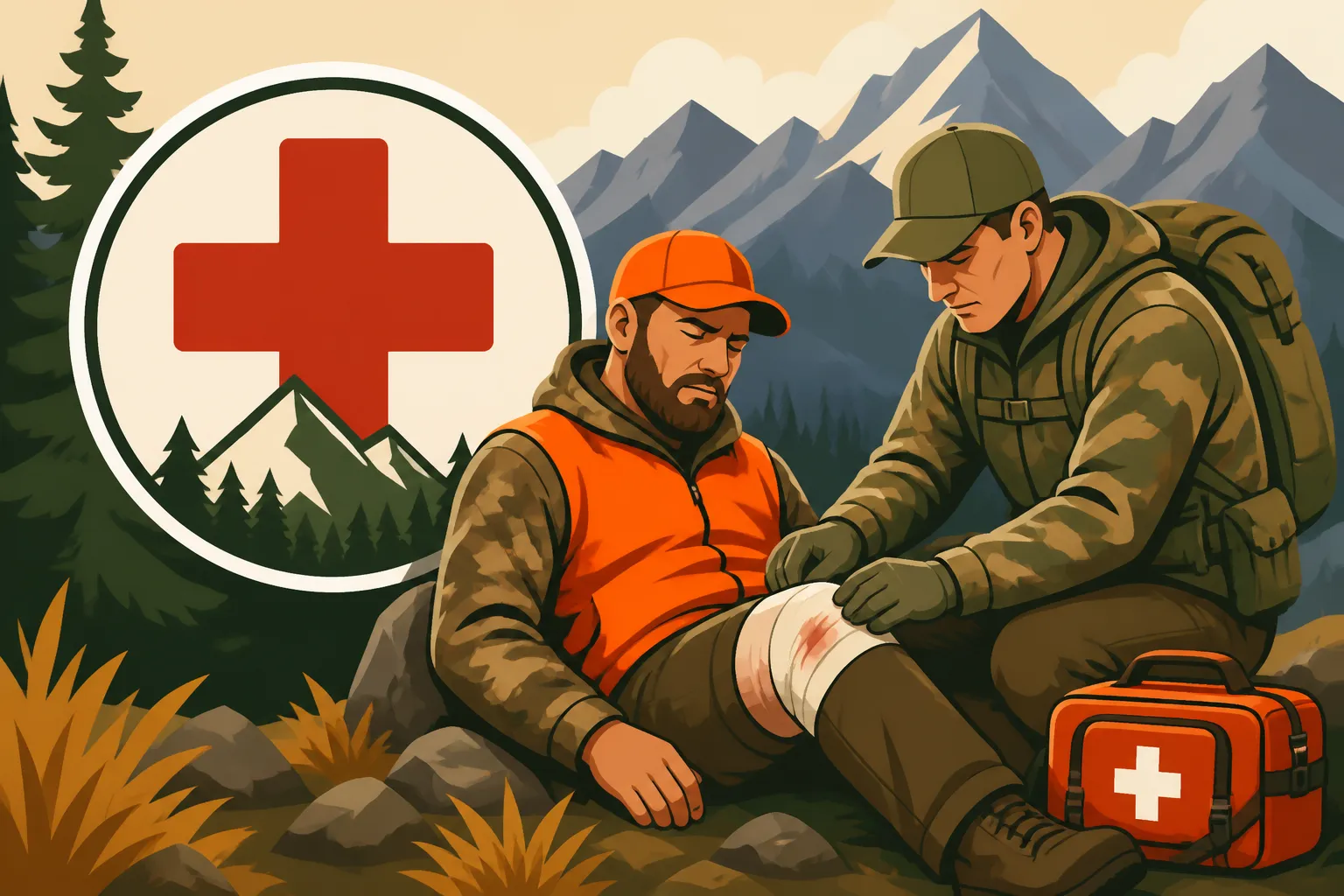
For deep cuts or lacerations, the primary concern is blood loss. Apply direct, firm pressure to the wound with a clean cloth or gauze. If the bleeding is severe and persistent, or if it's on a limb, a tourniquet can be life-saving if applied correctly above the wound. Your guide's kit will likely contain these items, but knowing how to use them is invaluable. After controlling the bleeding, clean the wound as best as possible with antiseptic wipes and cover it with a sterile dressing.
Fractures and sprains are incredibly common, especially when navigating uneven, steep terrain with a heavy pack. If you suspect a fracture, the goal is to stabilize the injured area to prevent further damage and reduce pain. Use improvised splints from branches, trekking poles, or even rolled-up clothing, securing them firmly but not too tightly with tape or bandages. For sprains, applying the R.I.C.E. method (Rest, Ice, Compression, Elevation) can help, though "ice" might be hard to come by unless you have snow. Resting the limb and compressing it with an elastic bandage is usually the most practical approach.
Head injuries require careful monitoring. Even a seemingly minor bump can conceal a serious concussion or internal bleeding. Watch for changes in consciousness, severe headache, confusion, nausea, vomiting, or unequal pupil size. Keep the person still, warm, and constantly reassess their condition. Any significant head trauma warrants immediate evacuation.
Environmental and Other Illnesses
Beyond trauma, the elements and biological factors can also pose significant threats. The Idaho backcountry can swing from scorching hot days to freezing nights, especially in shoulder seasons, making environmental illnesses a real concern.
Hypothermia (when your body loses heat faster than it can produce it) can sneak up on you, even on a cool, wet day. Symptoms include shivering, confusion, clumsiness, and slurred speech. The immediate response is to prevent further heat loss: get out of wet clothes, into dry ones, wrap in insulating layers, and provide warm, sugary drinks (not alcohol or caffeine). Get the person into a shelter or sleeping bag. On the flip side, hyperthermia (heatstroke) can occur during strenuous activity on hot days. Symptoms range from profuse sweating and dizziness to confusion, red hot skin (without sweating), and loss of consciousness. The goal is to cool the person down: get them into the shade, loosen clothing, fan them, and apply cool (not ice-cold) water to the skin, especially neck, armpits, and groin. Give sips of water or electrolyte drinks if conscious.
Dehydration is a constant threat when working hard at elevation. The key is prevention through consistent hydration. Recognize symptoms like excessive thirst, dark urine, fatigue, and dizziness. Carry enough water or know how to purify it from streams using a filter or tablets. For general outdoor safety, it's also prudent to be aware of Bear Safety Practices in an Outfitter Camp, as interactions with wildlife can also create emergency situations.
Allergic reactions, especially to insect stings, can range from mild itching to life-threatening anaphylaxis. If you or someone in your party has a known severe allergy, an EpiPen is essential. Knowing how to administer it is crucial. For milder reactions, antihistamines like Benadryl can help. Always monitor for swelling, difficulty breathing, or widespread hives, which indicate a more serious reaction.
Staying prepared, understanding your outfitter's capabilities, and taking personal responsibility for your well-being are the cornerstones of a safe and successful guided hunt in Idaho's magnificent, yet unforgiving, wilderness.
Disclaimer
This article is for general informational purposes only and does not constitute professional advice. Laws, prices and regulations vary by location and change over time. Consult a qualified professional for guidance on your specific situation.