What Guides Expect From Their Clients
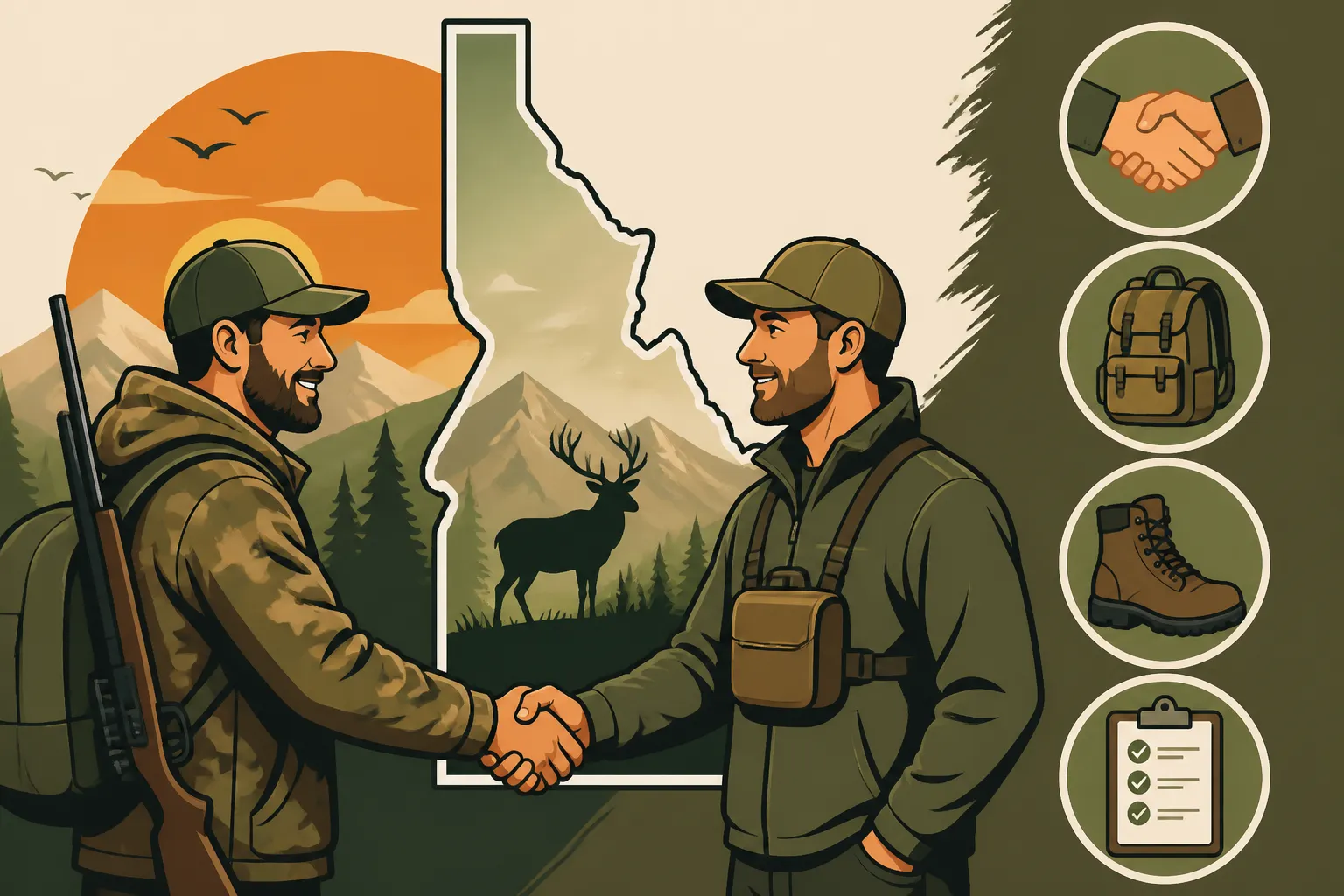
So, you've decided to book a guided hunt in Idaho – maybe for that trophy elk you've always dreamed of, or a challenging mule deer hunt in the high country. That's fantastic! It's an investment, a big adventure, and often a lifelong memory. But here's the thing many folks don't fully grasp: a guided hunt isn't just about showing up with your rifle and expecting the guide to do all the work. It's a partnership, a collaboration that works best when both sides understand and respect what the other brings to the table. As an Idaho outfitter or guide, there are some pretty clear expectations we have for our clients that can make or break the experience for everyone involved. This guide is all about shedding light on those unspoken (and sometimes explicitly spoken!) desires, helping you be the kind of client every guide loves to take into the field.
Beyond Just Showing Up: The Foundation of a Great Client-Guide Relationship
When you book a guided hunt, you're not just buying a tag; you're investing in an experience, a service, and a partnership. Guides are passionate about what they do, and they want to see you succeed, but a big part of that success hinges on you, the client, arriving prepared and ready to engage.
Physical and Mental Preparedness
Let's be real: Idaho hunting isn't for the faint of heart, especially if you're venturing into the backcountry for big game. Those breathtaking photos you see online? They rarely capture the lung-busting climbs, the miles of rough terrain, or the unpredictable weather. Guides absolutely expect that you’ve done some homework and, more importantly, some actual physical work to get ready for what Idaho throws at you.
We've all been there: the excitement of the hunt overshadows the reality of the physical demands. A guide will lead you into steep country, often at elevation, where every step feels like a marathon. If you're struggling to keep up on day one, huffing and puffing after a few hundred yards, it doesn't just impact your hunt; it slows down the entire group and limits the ground you can cover. This can mean the difference between getting to that prime glassing knob before first light or missing a key opportunity. Guides appreciate clients who have put in the effort, whether that's regular hikes with a weighted pack, cardio workouts, or just a general commitment to Physical Conditioning for Idaho Backcountry.
Beyond the physical, there's the mental game. Hunting in the West can be a grind. You might face days of driving rain, howling winds, or frustratingly little animal activity. Guides don't expect you to be stoic like a seasoned mountain man, but they do expect resilience and a positive attitude. A client who complains constantly about the weather, the walking, or the lack of game can quickly sour the mood of the entire camp, affecting the guide's morale and focus. The wilderness tests us, and guides look for clients who can embrace the challenge, learn from the experience, and maintain a good spirit, even when things aren't going perfectly.
Honesty and Transparency From the Start
Imagine booking a hunt, only to arrive and find out your client has a severe fear of heights right before a climb, or can only shoot accurately to 50 yards when the outfitter planned for 200-yard opportunities. This kind of disconnect creates immediate problems and can even be unsafe. Outfitters are not mind readers. When you first make contact, whether you found them through a platform like BookYourHunt or directly, be completely upfront.
This means being honest about your hunting experience, your physical limitations, and what you truly hope to get out of the trip. If your last deer hunt was from a cozy blind in flat farmland, don't pretend you're an experienced mountain stalker. If you have a bad knee, chronic back pain, or any health condition that might affect your ability to traverse rugged terrain, tell them. This isn't about being judged; it’s about allowing the outfitter to match you with the right guide, the appropriate hunting area, and to set a realistic pace and strategy. They can make adjustments, suggest different hunt types, or pair you with a guide who specializes in specific needs, but only if they have accurate information.
Furthermore, be transparent about your shooting ability. What's your comfortable, ethical range with your chosen weapon? Do you shoot a rifle, muzzleloader, or bow? Are you confident making a 300-yard shot off a bipod, or are you strictly a 100-yard off-hand shooter? Knowing your effective range is absolutely critical. It helps guides plan safe and ethical stalks, determine shot opportunities, and avoid putting you in a situation where you might wound an animal. Your guide's reputation, and the ethical treatment of the animal, often hinge on your ability to be honest about your shooting prowess.
Communication is Key: Before, During, and After the Hunt
Effective communication isn't just a buzzword; it's the lifeblood of a successful guided hunt. From your initial inquiry to the handshake goodbye, how you communicate with your outfitter and guide sets the tone and avoids many potential frustrations.
Setting Realistic Expectations
Let's get one thing straight: an outfitter can sell you an experience, but no ethical guide can guarantee a trophy animal. We all see those incredible photos of massive bulls and bucks, and it's easy to get swept up in the dream. However, guides expect that you understand the inherent unpredictability of hunting wild animals. They will work tirelessly, often scouting for weeks or months beforehand, but Mother Nature and the animals themselves have the final say.
This is where your pre-hunt conversations become absolutely crucial. Don't be shy about asking Questions Worth Asking Before You Book. Inquire about Outfitter Success Rates in Idaho for the specific area and species you're targeting. Understand that these are statistics, not guarantees. If you’re pursuing a controlled hunt tag, be aware of the drawing odds and the challenge involved. A good outfitter will be transparent and honest about the realities of the hunt, and a good client will listen without pushing for promises that are simply impossible to keep.
The true reality of hunting in Idaho often involves long, tough days, challenging weather conditions, and sometimes, the humbling experience of not filling your tag. Guides deeply appreciate clients who grasp that the "hunt" itself – the camaraderie, the challenge, the spectacular scenery, the wildlife encounters – is the real prize, not solely the kill. Being present and enjoying the entire process, regardless of the outcome, speaks volumes about a hunter's character.
Clear Communication in the Field
Once you’re out in the field, every piece of information matters. Clear, concise, and timely communication is vital for both safety and success. Guides need to know if you're feeling unwell, if you've spotted something they missed, or if you have a critical question. Don't be afraid to speak up, but also understand when silence and observation are the most valuable contributions you can make.
Paying attention to instructions is non-negotiable. When your guide whispers, "Stay right on my heels, don't step on that branch," or "Stop here and wait for my signal," they mean it with absolute seriousness. They know the terrain, the animal's likely escape routes, and the safety parameters far better than you do. Misunderstandings in these critical moments can lead to blowing a stalk, missing an opportunity, or, in the worst-case scenario, creating a dangerous situation. Think of your guide as the conductor of an orchestra; you need to follow their lead precisely.
Furthermore, try to observe and anticipate. Your guide might be constantly checking the wind, glassing a distant hillside for an extended period, or moving slowly through a pinch point. These are all intentional actions. Rather than constantly asking "what are we doing now?" try to understand the rhythm and strategy of the hunt. Being an active, observant participant, even when quiet, contributes immensely to the overall effectiveness of the team.
Feedback and Gratuity After the Hunt
After the dust settles and the hunt concludes, your relationship with the guide doesn't just end with a handshake. Guides deeply value constructive feedback. What aspects of the hunt went well for you? Were there areas where the outfitter or guide could improve? This feedback is invaluable for them to refine their services for future clients. If you're considering leaving a review on a platform like GoHunt, ensure it’s fair, balanced, and reflects the entire experience, not just whether you harvested an animal.
And now, let’s talk about the elephant in the room for many first-time guided hunters: gratuity. Guides and their camp staff work incredibly long, often physically grueling hours, far from the comforts of home. Tipping is a firmly established custom in the service industry, and hunting guides are absolutely no exception. They rely on tips as a significant portion of their income, and it's a direct, tangible way to show your appreciation for their immense effort, regardless of the hunt's outcome.
Consider all that goes into their job: your guide cooked your meals, packed your gear, skillfully navigated treacherous terrain, spotted game when you couldn't, and probably even helped you pack out that heavy elk from a remote canyon. That level of dedicated, all-encompassing service deserves recognition. Understanding How Much to Tip a Hunting Guide is key, with expectations generally falling within a certain percentage of the hunt's base cost. It truly makes a difference in their lives and shows you value their hard work.
Respecting the Rules and the Ride
A guided hunt offers incredible opportunities, but it also comes with a serious responsibility: to uphold the law, respect the land, and show reverence for the wildlife. Guides expect clients to share this commitment.
Understanding Idaho's Regulations
While your guide is a professional and will ensure you operate within the bounds of the law, it is ultimately your responsibility as the hunter to know and understand the regulations. Don't show up assuming your guide will educate you on every detail. Guides expect you to have at least familiarized yourself with the Idaho Fish and Game regulations. For instance, you should know Idaho Legal Shooting Hours for Big Game or understand why Open and Peep Sights Only in Muzzleloader-Only Hunts are enforced during specific seasons. Asking basic questions about rules that are readily available in the regulations can signal a lack of preparedness.
Idaho's hunting laws are specific and extensive, covering everything from weapon restrictions and unit boundaries to tagging requirements and carcass transport. Your guide is there to guide you to game and through the terrain, not to act as your personal rulebook tutor. Show them you've done your homework, read the current regulations, and understand the core principles.
Adhering to these rules isn't just about avoiding fines or legal trouble; it's about ethical hunting, responsible conservation, and respecting the resource we all cherish. Guides have their reputations, livelihoods, and licenses on the line, so they expect unwavering compliance and ethical conduct from their clients at all times. They won't tolerate any shortcuts or violations.
Respect for Equipment and Animals
Outfitters invest a substantial amount of capital in high-quality equipment: horses and tack, camp tents, vehicles, optics, and more. Guides expect that you will treat their equipment with the same care and respect you would treat your own, if not more. This means not being wasteful, not trashing the camp, not leaving litter behind, and not misusing their tools or supplies. Basic common courtesy goes a long way in showing appreciation for their investment and hard work.
More importantly, guides expect profound respect for the animals you are pursuing. This translates into making ethical shot choices within your proven capabilities, diligently following through on tracking any wounded game, and understanding and adhering to The Meat Salvage Requirements for Big Game. A guide will deeply respect a client who prioritizes a clean, humane kill and a thorough, respectful recovery of the animal. This reflects a true hunter's ethos.
This respect also extends to the subtle details of the hunt: not spooking game unnecessarily through careless movements or loud noises, and valuing the guide's deep understanding of local wildlife behavior and habits. Guides spend their lives studying these animals and their environment, and they expect you to value their insights and follow their lead when it comes to approaching, stalking, or calling.
Adhering to Camp and Wilderness Etiquette
When you are a guest in a hunting camp, particularly a backcountry camp where space and resources are limited, you become part of a temporary team. Guides expect you to be a good campmate and contributor. This means being mindful of noise, keeping your personal gear organized within your designated space, offering to help with camp chores when appropriate, and generally contributing to a positive, cooperative atmosphere. A messy or inconsiderate client can quickly detract from the experience for everyone.
If your hunt takes you into a designated wilderness area, remember that these are special places with specific rules. Your guide will undoubtedly emphasize and enforce the principles of Leave No Trace, but they expect you to understand and practice these proactively. This means meticulously packing out everything you pack in, minimizing your impact on the environment, and respecting the solitude and pristine nature of these wild places. If pack stock are involved, understanding Pack Stock Rules Inside Designated Wilderness is also part of this respect.
Finally, guides expect clients to maintain appropriate personal habits. Excessive alcohol consumption, disruptive behavior, or a constantly negative attitude can quickly spoil a hunt for all involved. Outfitters and guides run professional operations, and they expect clients to act accordingly, particularly in shared living and hunting spaces. The camaraderie of a hunting camp is one of its greatest joys, and everyone plays a role in fostering that.
Practical Expectations: From Gear to Gratuity
Beyond the philosophical aspects of readiness and respect, there are some very practical things guides expect from their clients that smooth the entire operation and contribute to a successful hunt.
Gear and Personal Responsibility
When you book a hunt, especially with a reputable outfitter, you'll almost certainly receive The Gear List Your Outfitter Will Send. Guides expect you to follow it. This isn't just a suggestion or a casual recommendation; it is absolutely critical for your comfort, your safety, and ultimately, the success of the hunt. Showing up for a late-season Idaho elk hunt in the mountains with cotton clothing and un-insulated hiking shoes is a recipe for hypothermia and misery, which then becomes a safety concern and a distraction for your guide.
Beyond simply having the right gear, it needs to be in good working order, and you need to be familiar with it. Are your boots well broken-in to prevent debilitating blisters? Is your rifle sighted in and do you know how it shoots at various ranges? Have you practiced extensively with your bow and broadheads? Guides already have enough to worry about regarding the hunt itself; they don't want to spend precious daylight hours troubleshooting a rusty rifle, teaching you how to use your new GPS, or dealing with equipment failures that could have been prevented.
Furthermore, take personal responsibility for your critical items. Keep track of your hunting license, tags, optics, rangefinder, and other essentials. Guides are there to help and support you, but they are not your personal valets or lost-and-found department. Losing vital items like your tag can not only be a huge inconvenience but can also delay or even prematurely end your hunt.
Financial Responsibilities Beyond the Booking
The initial booking fee for your guided hunt covers the outfitter's services, but rarely does it encompass every single expense. Guides and outfitters expect you to be fully prepared for the additional costs that inevitably arise. This includes essential items like your Idaho hunting license and species tags (which are almost always separate from the outfitter fee), travel expenses to and from the hunting area, and any subsequent meat processing, taxidermy, or shipping fees for your harvest.
It’s crucial to understand What Outfitter Prices Almost Never Include. Often, flights, hotel stays before and after the hunt, and the logistical costs of shipping your processed meat or trophy home are entirely your responsibility. Budgeting for these additional expenses beforehand will prevent any unwelcome surprises or awkward conversations at the end of your trip. Don't assume anything is included unless explicitly stated in your outfitter contract.
If you are pursuing a species that requires a controlled hunt tag, such as elk or moose, it's your responsibility to apply by the correct deadlines and secure that tag. Guides cannot legally take you hunting without a valid tag in your possession. Utilizing resources like BookYourHunt or GoHunt can help you understand the application processes and associated costs, including any application fees. Planning for these dates and expenses is a critical part of the overall hunt preparation, well before you even consider Booking an Idaho Hunt Around the Draw Calendar.
The Role of Gratuity
We touched on this earlier, but it's a point worth reiterating due to its importance in the outfitting world. Guides, wranglers, and camp staff work incredibly hard to make your hunt successful and enjoyable. They are often up hours before you, going to bed long after you, and handle all the challenging logistics, physical labor, and subtle nuances that go into a backcountry hunt.
A common and generally accepted rule of thumb for tipping is 15-20% of the hunt's base cost for your guide, and potentially an additional amount for any dedicated camp staff, depending on the outfitter's specific setup. This gratuity should ideally be given directly to your guide at the end of the hunt, and cash is often preferred, though some outfits might have other arrangements. This ensures the tip goes directly to the hardworking individuals who earned it.
Remember, even if the hunting was tough, the weather was horrendous, or you didn't manage to fill your tag, your guide's effort, knowledge, professionalism, and dedication remain constant. They cannot control the behavior of wild animals or the whims of the weather, but they absolutely control their commitment to your experience. A generous tip is a powerful way to express your appreciation for their immense effort and service, irrespective of the final outcome of the hunt. It acknowledges their hard work, commitment, and expertise.
Disclaimer
This article is for general informational purposes only and does not constitute professional advice. Laws, prices and regulations vary by location and change over time. Consult a qualified professional for guidance on your specific situation.