Camp Inspection Requirements for Idaho Outfitters
Alright, fellow hunters, let's talk about something that might not be the first thing on your mind when you're dreaming of a big Idaho bull or buck, but it's crucial for a safe and legitimate hunt: the camp inspection requirements for Idaho outfitters. You're shelling out hard-earned money and precious vacation time for these adventures, and you deserve to know that the operation you choose is held to high standards. It's a real frustration trying to sort through all the outfitter options, wondering if they're all on the up and up, and these inspections are one of the hidden layers of assurance for your peace of mind.
The Core Purpose of Idaho's Outfitter Camp Inspections
When you book a hunt with an outfitter in Idaho, especially if it's a backcountry experience, you're placing a lot of trust in them. You're trusting them with your safety, your comfort, and your overall hunting experience. Idaho understands this, which is why they have a system of camp inspections in place. These aren't just bureaucratic hurdles; they serve several vital purposes, all designed to protect you, the land, and the integrity of the hunting industry.
Ensuring Client Safety and Well-being
Think about it: you're often miles from the nearest paved road, sometimes deep in a wilderness area. The idea of "safety" in a backcountry camp goes way beyond just having a first-aid kit, although that's certainly part of it! Inspectors are looking at the foundational elements that keep you healthy and protected throughout your trip. This includes making sure sleeping arrangements are adequate and safe, that tents are in good repair and won't leak in a sudden mountain downpour, and that there are proper heating and cooking facilities if needed.
Perhaps even more critically, they're scrutinizing food handling and water purification methods. Nobody wants a hunting trip ruined by food poisoning or giardia because of improper practices in camp. Inspectors check that food is stored correctly to prevent spoilage and wildlife encounters – especially important in Food Storage Rules in Grizzly Country areas. They also ensure that potable water sources are identified and, if necessary, treated appropriately. All of these details contribute directly to your physical well-being and, let's be honest, your ability to actually focus on hunting instead of feeling miserable. Knowing these checks are in place offers a significant layer of peace of mind, allowing you to immerse yourself in the hunt itself.
Upholding Environmental Stewardship
Idaho is blessed with incredible wild places, and a significant part of that beauty is due to careful management and adherence to "Leave No Trace" principles. Outfitters, by the very nature of their operations, spend a lot of time in these pristine environments, and they have a responsibility to minimize their impact. Camp inspections play a crucial role in holding outfitters accountable to these environmental standards. Inspectors look at waste management practices, from how garbage is stored and packed out to the proper disposal of human waste. They ensure that fire rings are constructed safely and used responsibly, especially during dry seasons when fire restrictions might be in place.
They also assess the overall footprint of the camp. Are tents and structures placed in a way that minimizes damage to vegetation? Are stock animals (horses or mules) managed to prevent excessive erosion or contamination of water sources? These detailed checks help ensure that the places we love to hunt remain healthy and vibrant for generations to come. It’s about more than just a single season; it’s about the long-term health and accessibility of Idaho's hunting grounds. An outfitter committed to these principles is often a good indicator of their overall professionalism and respect for the resource.
Maintaining Professional Standards and Reputation
The hunting industry, like any other, thrives on trust and reputation. A few bad apples can quickly spoil the perception of an entire state's outfitting community. Camp inspections are a proactive measure to ensure a baseline of professionalism across all licensed operations. They help prevent "fly-by-night" outfits from setting up shop, offering substandard experiences, and tarnishing Idaho's image as a premier hunting destination.
When outfitters know their camps will be inspected, it incentivizes them to consistently maintain high standards. This benefits not only the clients who book with them but also the entire community of legitimate outfitters who are doing things the right way. It creates a level playing field and reinforces the idea that an Idaho-licensed outfitter means a certain level of quality and accountability. Websites like BookYourHunt often feature outfitters who pride themselves on their professionalism, and a history of successful inspections contributes directly to that image.
Who Conducts These Inspections and What They Look For
So, who's actually out there poking around these camps, and what specific details are they scrutinizing? It's not just a casual glance; these inspections are thorough and designed to cover all the bases to ensure a safe and responsible operation.
The Role of the Idaho Outfitters and Guides Licensing Board
The primary authority behind these inspections is the Idaho Outfitters and Guides Licensing Board. This board is the regulatory body specifically tasked with overseeing the outfitting and guiding industry within the state. They establish the rules, issue licenses, and enforce compliance. You can learn a lot more about their overall function and authority by looking into The Idaho Outfitters and Guides Licensing Board Explained. Their mandate includes not just the outfitter themselves, but also the guides who work for them, ensuring that everyone operating under an outfitter's license meets specific qualifications and standards. This is Why Guides Cannot Work Independently in Idaho is a core tenet – the outfitter is ultimately responsible for their entire crew and operation.
The board employs inspectors or uses designated personnel to conduct these camp visits. These individuals are trained to identify potential hazards, verify compliance with regulations, and ensure that the outfitter is upholding the terms of their operating permits. They're not just looking for problems; they're ensuring that the outfitter has the necessary systems and equipment in place to provide a safe and ethical experience.
What an Inspector Actually Assesses
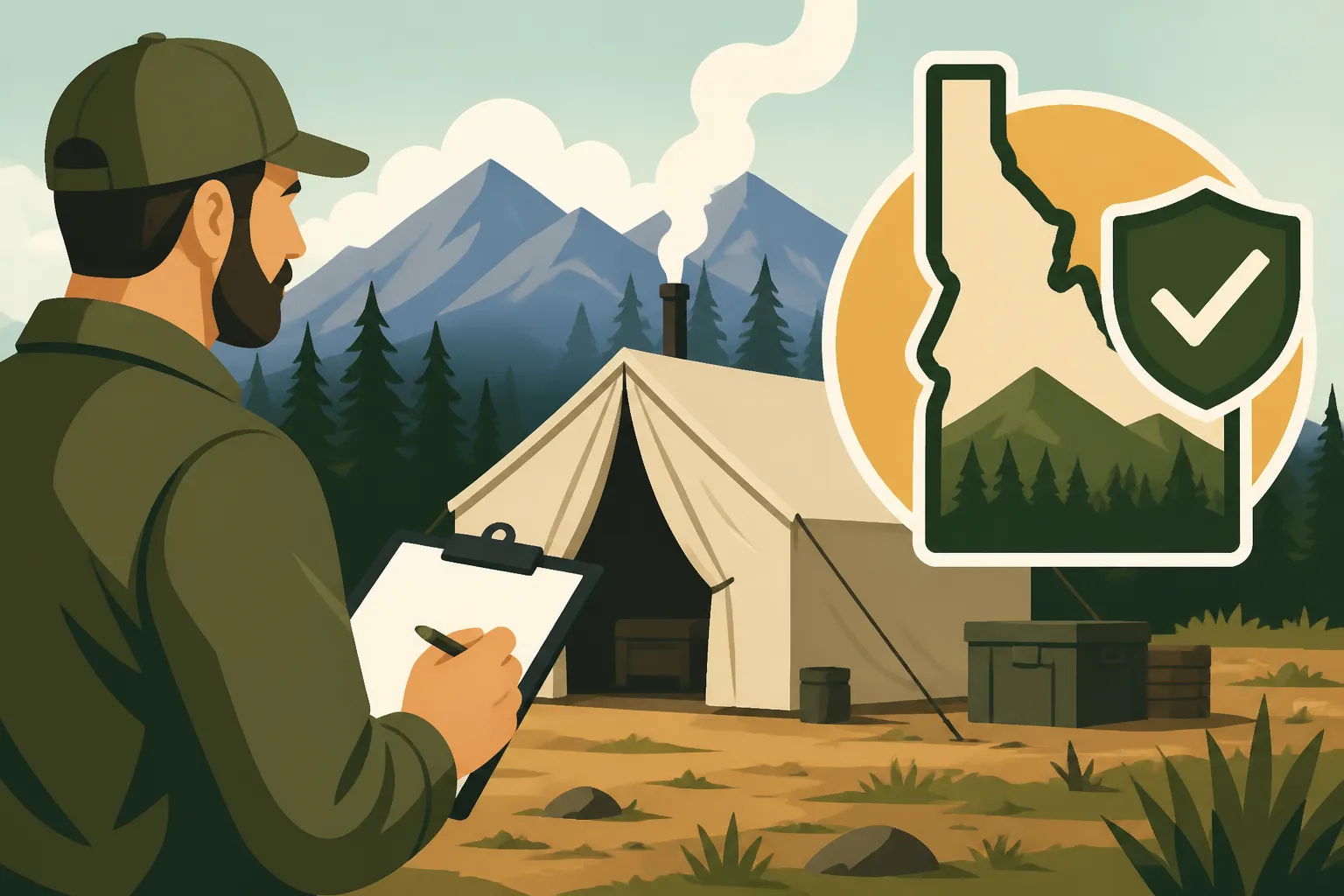
When an inspector arrives at a camp, they're looking at a comprehensive checklist of items. It's a deep dive into the practicalities of running a backcountry operation.
Here's a breakdown of what they typically assess:
- Living Conditions: Are the sleeping tents, wall tents, or other structures safe, waterproof, and adequately sized for the number of clients? Is there proper ventilation? Are sleeping areas kept clean and free of hazards?
- Cooking and Food Facilities: This is a big one. Inspectors examine the kitchen setup, food storage containers, refrigeration (if applicable, often ice chests in backcountry), and general cleanliness. They want to see that food is handled hygienically, protected from contamination, and stored in a manner that prevents attracting wildlife. For outfitters operating in grizzly country, this includes verifying proper bear-resistant containers or hanging techniques.
- Water Supply: How is drinking water sourced and purified? Whether it's hauled in or filtered from a natural source, the inspector will verify its safety and the methods used to ensure it.
- Waste Disposal: This covers both human waste and garbage. Is there a designated and properly managed latrine or waste disposal system? Is all non-burnable trash packed out? Are burnable items (where legal) disposed of safely and completely? The goal is to leave no trace.
- Equipment and Gear: They'll check the condition and adequacy of general camp equipment, including lanterns, stoves, and heating units. If pack stock (horses or mules) are used, they'll often assess their condition, care, and the appropriate use of tack. Safety equipment like fire extinguishers, first-aid kits, and emergency communication devices (satellite phones, inReach devices) will also be checked to ensure they are functional and accessible.
- Permits and Documentation: Beyond the physical camp, inspectors verify that the outfitter has all necessary permits to operate in that specific area, especially on public lands managed by the Forest Service or BLM. This includes special use permits for operating within National Forests and ensuring that all guides working in the camp are properly licensed and affiliated with the outfitter.
It's a lot of detail, but it's all in place to ensure that when you sign up for a hunt, the outfitter has met the fundamental requirements to deliver a professional and safe experience. When you're researching outfitters on platforms like GoHunt, understanding these inspection requirements helps you frame questions about their operation and commitment to safety and ethics.
Frequency and Consequences of Failing an Inspection
You might be wondering, "Do they inspect every camp every year?" The reality of managing thousands of square miles of hunting ground and numerous outfitters means that direct, annual inspections of every single camp might not be feasible for all operations. However, there's a system in place to ensure oversight and accountability.
How Often Camps Are Inspected
While specific schedules can vary, outfitter camps are generally subject to inspections at several key junctures. This provides ongoing oversight rather than a single, sporadic check.
- Initial Licensing: When an outfitter first applies for their license or expands into new operating areas, an inspection is often a prerequisite to ensure their facilities and plans meet regulatory standards.
- Random Checks: The Licensing Board will conduct random, unannounced inspections throughout the year, especially during peak hunting seasons. This helps ensure ongoing compliance and prevents outfitters from only "cleaning up" for a scheduled visit.
- Complaint-Driven: If a client or another outfitter files a complaint against an operation, a targeted inspection is almost certainly going to follow. This emphasizes the importance of hunter feedback in maintaining high standards.
- Periodic Reviews: Even without a specific trigger, the Board conducts periodic reviews of outfitter operations, and these can include field inspections of camps.
This multi-faceted approach ensures that outfitters are always operating with the understanding that an inspector could show up at any time, which fosters a culture of consistent compliance.
Potential Issues and Remedial Actions
What happens if an outfitter's camp doesn't pass muster? It depends on the severity of the findings.
- Minor Infractions: For small issues, like a misplaced first-aid kit or a minor organizational flaw, the inspector might issue a warning or a directive for immediate correction. The outfitter would then typically need to provide proof that the issue has been resolved, possibly followed by a re-inspection of that specific aspect.
- Moderate Violations: More significant issues, such as consistent poor hygiene, inadequate food storage, or expired permits, could result in formal citations, fines, or a requirement to cease operations until the problem is fully rectified. A re-inspection would definitely be mandated to confirm compliance.
- Major Violations: Serious breaches, such as clear safety hazards, repeated non-compliance, or operating without proper licenses (which includes ensuring their guides are properly licensed and experienced, as detailed in The Ten-Day Area Experience Guides Must Have rule), can lead to more severe consequences. This could include the suspension of the outfitter's license, meaning they cannot legally operate, or even outright revocation of their license. When an outfitter's license is revoked, it's a huge deal and essentially puts them out of business.
The board takes these matters seriously, as they directly impact public safety and the reputation of the state's hunting opportunities. If you ever have a concern about an outfitter's practices, you can learn about Filing a Complaint Against an Idaho Outfitter through the proper channels. Resources like GoHunt can often provide background on an outfitter, and knowing about these inspection processes adds another layer of due diligence to your planning.
What This Means for You as a Hunter
Understanding Idaho's camp inspection requirements isn't just trivia; it's empowering knowledge that can help you make better decisions and enjoy a more secure hunting experience.
Peace of Mind and Informed Choices
Knowing that licensed Idaho outfitters are subject to these inspections should give you a significant layer of peace of mind. It means there's an oversight body actively working to ensure a baseline of safety, professionalism, and environmental responsibility. You're not just relying on an outfitter's word; there's a regulatory framework backing it up.
When you're vetting an outfitter, which is a critical step in your planning (Vetting an Idaho Outfitter Before You Send a Deposit), you can now ask informed questions. Don't be shy! Ask them about their latest camp inspection, what their practices are for food safety and waste management, and how they ensure their guides are properly trained and licensed. A reputable outfitter will be transparent and proud of their compliance, likely providing details of their successful inspections. If an outfitter is evasive or dismissive of these questions, that might be a red flag. Using platforms like BookYourHunt can help you find reputable outfitters who willingly share their credentials and commitment to these standards.
Your Role in Upholding Standards
While the Outfitters and Guides Licensing Board has the primary responsibility for inspections, hunters like us also play a vital role in upholding these standards. We are the "customers" on the ground, witnessing the day-to-day operations of these camps.
- Provide Feedback: If you have a truly exceptional experience, let the outfitter know, and consider writing a positive review. This helps highlight the operations doing things right.
- Report Concerns: If, however, you observe something that genuinely concerns you – a blatant safety hazard, unsanitary conditions, or environmental disregard – it's important to report it to the Idaho Outfitters and Guides Licensing Board. Your feedback, when legitimate and detailed, helps the board identify and address issues, ensuring that the integrity of the industry is maintained for future hunters. This feedback loop is essential for accountability and continuous improvement.
By understanding these inspection requirements, you become a more informed consumer and a more active participant in maintaining the quality of hunting experiences in Idaho. It's about ensuring everyone – outfitters, guides, and hunters – can continue to enjoy the incredible wilderness and hunting opportunities this state offers, safely and responsibly.
| Inspection Area | Primary Purpose | Key Items Assessed |
|---|---|---|
| Client Safety | Prevent injury, illness, and ensure emergency readiness | Shelter integrity, food handling, water safety, first-aid, comms |
| Environmental Impact | Adhere to "Leave No Trace" principles, protect resources | Waste disposal (human/garbage), fire management, camp footprint |
| Professionalism | Maintain industry standards, ensure legitimate operation | Proper permits, guide licensing, equipment condition, general order |
Disclaimer
This article is for general informational purposes only and does not constitute professional advice. Laws, prices and regulations vary by location and change over time. Consult a qualified professional for guidance on your specific situation.