What a Guided Moose Hunt Costs in Idaho
Dreaming of a Shiras moose hunt in Idaho? It's a truly once-in-a-lifetime experience for many, with the state's elusive giants roaming vast wilderness. But before you even think about packing your bags, the burning question often becomes: what's this incredible adventure actually going to set you back? Securing one of these coveted tags, let alone a guided trip, involves a significant financial commitment, and understanding the full scope of the cost is absolutely key to turning that dream into a reality. This guide will walk you through what to expect when considering a guided moose hunt in the Gem State.
Understanding the Investment: The Overall Scope of Guided Moose Hunt Costs
Let's be upfront: an Idaho guided moose hunt is a premium experience, and the costs reflect that. This isn't your average deer hunt. Moose tags in Idaho are incredibly difficult to draw, making the actual hunt itself a rare opportunity. When you combine that rarity with the specialized knowledge, equipment, and logistical challenges of pursuing a massive animal like a Shiras moose in Idaho's rugged terrain, it naturally elevates the price point. We're talking about an investment that typically ranges from a substantial sum for a basic, guided experience to significantly higher figures for truly bespoke, deep wilderness expeditions.
Many hunters spend years, sometimes decades, applying for an Idaho moose tag before they ever pull one. This waiting game alone adds to the perceived value and the financial commitment people are willing to make once they finally draw. It's not just about the guide fee; it's about capitalizing on that once-in-a-lifetime chance. Outfitters understand this, and they price their services to match the demand and the inherent value of successfully hunting one of North America's most iconic big game animals.
You'll find that compared to, say, an elk hunt, moose hunts tend to sit on the higher end of the spectrum for a guided big game experience. This is partly due to the aforementioned tag difficulty, but also because moose hunting often requires more specialized equipment for accessing remote areas, longer recovery efforts for such a large animal, and the fact that successful moose outfitters have a proven track record that commands a premium.
General Price Tiers for Guided Moose Hunts
When you start looking at outfitters, you'll generally find guided moose hunts fall into several broad pricing categories, each with different levels of service and comfort. These aren't rigid definitions, of course, but they give you a sense of what to expect as you research. It’s important to remember that these are just the outfitter fees; they don't include your tag, license, or travel.
An "entry-level" guided moose hunt, if such a thing truly exists for a species as sought-after as moose, might involve less luxurious accommodations or a slightly less intensive logistical setup. This could mean a base camp that you drive into, or a hunt that focuses on areas with somewhat easier access, though still challenging. These hunts will still be a significant investment, but they might represent the lower end of the guided spectrum.
Moving up, you'll find the "standard fully guided" options, which are often what most hunters envision. These usually include comfortable tent camps or cabins, dedicated guides for a small number of hunters, all meals, and often pack-in/pack-out services for game. This tier represents a very solid investment, providing a comprehensive experience with a high level of support and expertise.
At the premium end, you have "backcountry wilderness" hunts. These are typically fly-in or extensive horseback pack-in affairs, often deep within areas like the Frank Church River of No Return Wilderness, where specialized skills and equipment are paramount. These hunts are designed for those seeking the ultimate wilderness challenge and are prepared for the most substantial financial outlay. The experience is often immersive, with the added logistics of remote travel and extended stays in truly wild country driving up the cost. You can learn more about specific requirements in certain areas by looking into Does Idaho's Wilderness Rule Cover Elk?, which also applies to moose.
What's Typically Included (and What's Not) in Your Moose Hunt Package
Understanding what your outfitter's price covers is absolutely critical. There's nothing worse than getting to camp and realizing you're on the hook for unexpected costs. Most reputable Idaho outfitters will provide a detailed breakdown of what's included in their guided moose hunt packages, but it's always on you, the hunter, to ask clarifying questions. Don't be shy; your wallet will thank you.
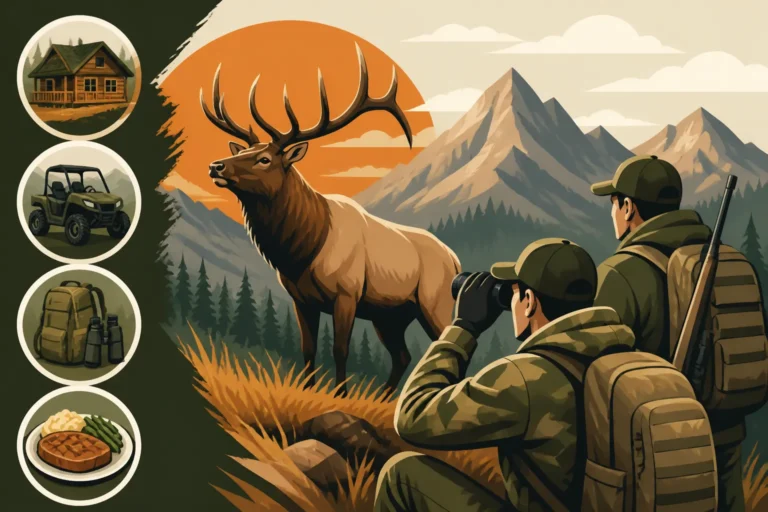
A "fully guided" hunt usually implies a pretty comprehensive experience once you arrive at the designated meeting point. This almost always includes the services of an experienced guide, often on a 1:1 or 2:1 hunter-to-guide ratio, which is important for moose given their elusive nature and the difficult terrain. It will also cover lodging, which could range from wall tents with wood stoves in a backcountry camp to more permanent cabin structures. All meals are typically provided, from hearty breakfasts to packed lunches and satisfying dinners back at camp.
Standard Inclusions
Beyond the basics of guide, lodging, and food, many guided moose hunts will also include transportation within the hunting area. This might mean horses or mules for packing into remote locations, ATVs for accessing trail systems (where legal), or trucks for driving established forest roads. The outfitter will handle the field dressing of your moose and the initial pack-out to a retrieval point. Some will even take it to a local butcher or taxidermist, though the actual processing and shipping costs are almost always extra.
You'll also find that successful outfitters provide a wealth of local knowledge, honed over years, sometimes decades, of hunting specific areas. They know the moose patterns, the best ways to call them, and how to navigate the challenging Idaho landscape. This expertise is a huge part of what you're paying for. If you're thinking about combining species, some outfitters might offer add-ons for predators like coyotes or even incidental black bear opportunities if the season overlaps, but this would be discussed upfront. You can get a sense of how combination hunts are priced by reviewing Combination Elk and Bear Hunts in Idaho.
Common Exclusions and Hidden Costs
Now, for the critical part: what's not included. This is where hunters often get surprised, so pay close attention. First and foremost, the cost of your Idaho hunting license and moose tag is almost universally separate from the outfitter's fee. You are responsible for drawing and purchasing these on your own. Given that moose is a controlled hunt, you'll be navigating the draw process, which can be a long game as described in How Many Years It Takes to Draw Idaho Moose.
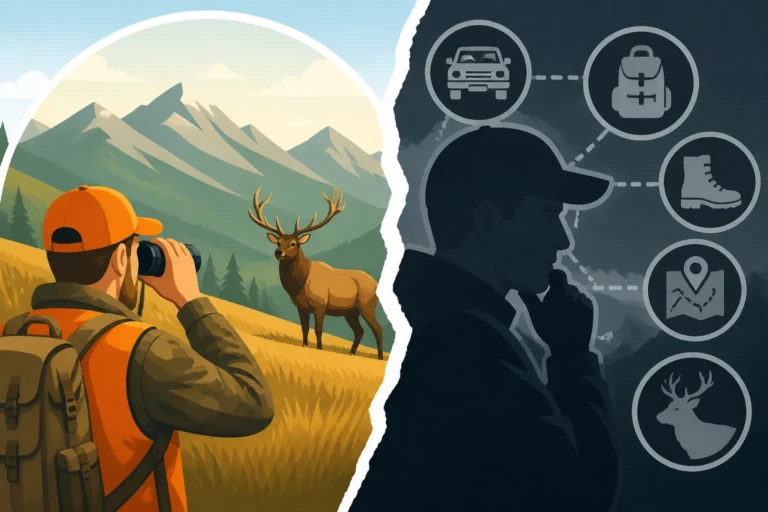
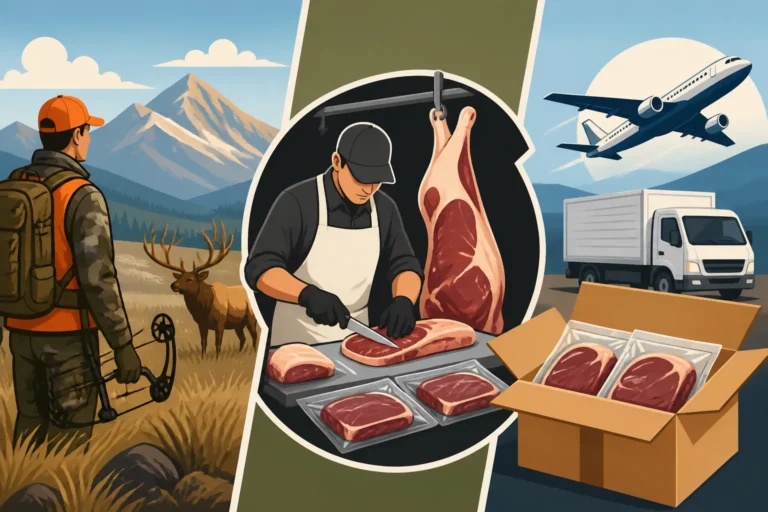
Travel to and from the outfitter's meeting point or nearest airport is also your responsibility. This includes flights, rental cars, and any pre- or post-hunt hotel stays. Once you harvest a moose, the cost of professional meat processing and taxidermy services are almost always extra. Shipping your meat or trophy home can be a significant expense, especially for a large animal like a moose. Don't forget gratuities for your guide and any camp staff; these are customary and should be factored into your budget.
Gear is another big one. While the outfitter provides the camp and hunting essentials like horses, you are responsible for your personal hunting gear – rifle, ammunition, optics, clothing, sleeping bag, and personal effects. This can be a considerable upfront cost if you're not already equipped for a multi-day backcountry hunt in potentially harsh Idaho weather. Some outfitters might offer rifle rental or have extra gear on hand in a pinch, but assume you need to bring your own.
Here's a quick look at typical inclusions and exclusions:
| Feature | Typically Included | Typically Excluded |
|---|---|---|
| Guide Service | Professional guide(s) (1:1 or 2:1 ratio) | Guide gratuities |
| Lodging | Wall tents, cabins, or lodge accommodation | Pre/post-hunt hotels |
| Meals | All meals (breakfast, lunch, dinner, snacks) | Alcoholic beverages, special dietary items (unless arranged) |
| In-Field Transportation | Horses, mules, ATVs, trucks for hunting areas | Travel to/from outfitter meeting point |
| Game Handling | Field dressing, initial pack-out to retrieval | Meat processing, taxidermy, shipping |
| Outfitter Expertise | Local knowledge, scouting, hunt planning | Personal hunting gear (rifle, ammo, optics, clothing) |
| Licenses/Tags | NONE (Hunter's responsibility) | Hunting license, moose tag, conservation stamps |
| Other | Camp amenities (water, heat) | Personal expenses, emergency travel insurance |
Factors That Drive the Price Tag of an Idaho Moose Hunt
The wide range in guided moose hunt costs isn't arbitrary; it's influenced by several key factors that directly impact the outfitter's operational expenses and the level of service they can provide. Understanding these can help you identify why one outfitter might be significantly more expensive than another, even for the same species.
One of the biggest drivers is the location and accessibility of the hunting area. Moose often prefer remote, difficult-to-reach habitats. Hunts deep in Idaho's vast wilderness areas, like those accessed by flying into backcountry airstrips or requiring extensive horseback pack trips, naturally cost more due to the massive logistics involved. Fueling planes, maintaining a string of pack animals, and transporting supplies into truly remote camps is expensive. For more on this, consider Backcountry Airstrips and Jet Boats Change Idaho Access.
Another significant factor is the duration of the hunt. A five-day hunt will typically be less expensive than a ten-day hunt, simply because of the increased labor, food, and lodging costs over a longer period. Many moose hunts are structured for longer durations to maximize the chances of success and account for potential weather delays or the need to track a moose deep into rough country.
Guide-to-Hunter Ratio and Exclusivity
The guide-to-hunter ratio plays a huge role in pricing. A 1:1 ratio, where you have a dedicated guide solely focused on helping you find and harvest a moose, is generally more expensive than a 2:1 ratio (two hunters per guide). The personalized attention and increased flexibility a 1:1 ratio offers often translates into a higher success rate and a more tailored experience, hence the higher price.
Furthermore, the reputation and success rate of the outfitter will inevitably affect their pricing. Outfitters with a long-standing history of high success on trophy Shiras moose, particularly in difficult areas, can command premium rates. Their experience and proven ability to consistently put hunters on moose are valuable assets. When you're looking to capitalize on a rare tag, paying for a highly reputable outfitter often feels like a worthwhile investment. You might use resources like GoHunt or BookYourHunt to compare success rates and read reviews when making your decision.
Camp Comfort and Logistics
The type of camp and amenities provided also influence cost. A fully equipped base camp with generators, hot showers, and comfortable sleeping arrangements will be more expensive to operate than a minimalist spike camp. The level of comfort and the associated logistics of providing it in a remote setting contribute to the overall price. Some outfitters specialize in rustic, bare-bones hunts for the ultimate challenge, while others cater to those who prefer a bit more luxury after a long day in the field.
Lastly, the species hunted itself impacts the price. Moose are large, elusive, and require specialized hunting techniques. The effort involved in scouting, locating, and retrieving a moose is often greater than for other species, which contributes to the higher price point compared to, for example, a general season deer hunt. When considering Total Cost of a Nonresident Idaho Elk Hunt, you'll notice that moose hunts often exceed even those significant figures.
Budgeting Beyond the Outfitter: Hidden Costs and Financial Preparation
Drawing an Idaho moose tag is a monumental achievement, but the financial journey doesn't end when you book your outfitter. It's crucial to look beyond the outfitter's quoted price and plan for all the other expenses that will arise. Neglecting these "hidden costs" can quickly turn a dream hunt into a financial headache. Having a comprehensive budget ensures you can enjoy your hunt without undue stress.
The first and most important non-outfitter cost is your Idaho hunting license and moose tag. These are substantial, especially for nonresidents. Remember, you have to acquire your license before you can even apply for the controlled hunt tag. You can start researching the draw schedule through resources like The Idaho Controlled Hunt Calendar, April Through August and exploring the Idaho Moose Is a Controlled Hunt You Wait Years For. Failing to plan for these costs could mean you draw a tag but can't afford to buy it, which would be a devastating blow after years of applying.
Travel and Logistics
Getting to Idaho, especially to the specific region your outfitter operates in, will involve significant travel expenses. This includes flights, potentially a rental car for getting to the meeting point, and fuel if you're driving. Don't forget hotel stays before and after the hunt, which are often necessary due to travel schedules. If you're coming from out of state, shipping your firearm can also add to the cost, or you might need to factor in extra baggage fees for flying with your gear.
Once you've harvested your moose, the processing and shipping of meat and trophies is another major budget item. A moose yields a tremendous amount of meat, and having it professionally processed into cuts and packaged for transport isn't cheap. Similarly, taxidermy costs for a moose head and cape are substantial, as is the cost to crate and ship a large set of antlers and a cape back home. Always get quotes for these services before your hunt, so you're not surprised.
Gear and Contingency Funds
Your personal hunting gear list can be extensive, particularly for a backcountry moose hunt in Idaho's variable weather. High-quality boots, layering clothing, a reliable sleeping system, optics (binoculars, spotting scope), and a dependable rifle are just some of the essentials. While some of these might be long-term investments, if you need to buy everything new, it will add up quickly. Consider looking at reviews on GoHunt or other hunting forums for gear recommendations specific to Idaho conditions.
Finally, always build in a contingency fund. Unexpected things happen: travel delays, extra nights in a hotel, a piece of gear breaks, or you decide to upgrade a service. Having a buffer in your budget for these unforeseen circumstances will provide immense peace of mind. Discussing your budget with an outfitter upfront can also help them tailor options to your financial comfort zone, and platforms like BookYourHunt often provide transparent pricing comparisons.
Disclaimer
This article is for general informational purposes only and does not constitute professional advice. Laws, prices and regulations vary by location and change over time. Consult a qualified professional for guidance on your specific situation.