How Much Riding Ability a Horseback Hunt Needs
So, you're dreaming of an Idaho backcountry hunt, picturing yourself on horseback, riding deep into the wilderness where the biggest bulls and bucks roam. It’s an incredible vision, one that calls to the very core of what hunting out West is all about. But let's be realistic for a moment: it's not always a gentle stroll through a scenic meadow. The terrain in Idaho is rugged, demanding, and often unforgiving, and the horses you'll ride are working animals, not petting zoo ponies. This guide is here to give you a real, no-nonsense look at the riding ability you'll actually need to succeed and stay safe on an Idaho horseback hunt, helping you manage expectations and prepare effectively.
Understanding the Unique Demands of Idaho's Backcountry Terrain
When people imagine a horseback ride, they often picture a controlled, flat trail, maybe a gentle canter. Forget that picture when it comes to Idaho hunting. The mountains, deep canyons, and dense timber here present a totally different challenge for both horse and rider. You're not just riding; you're navigating. You're covering ground that would be nearly impossible on foot, and that requires a partnership with your mount and a certain level of skill.
The Reality of Mountain Trails and Off-Trail Travel
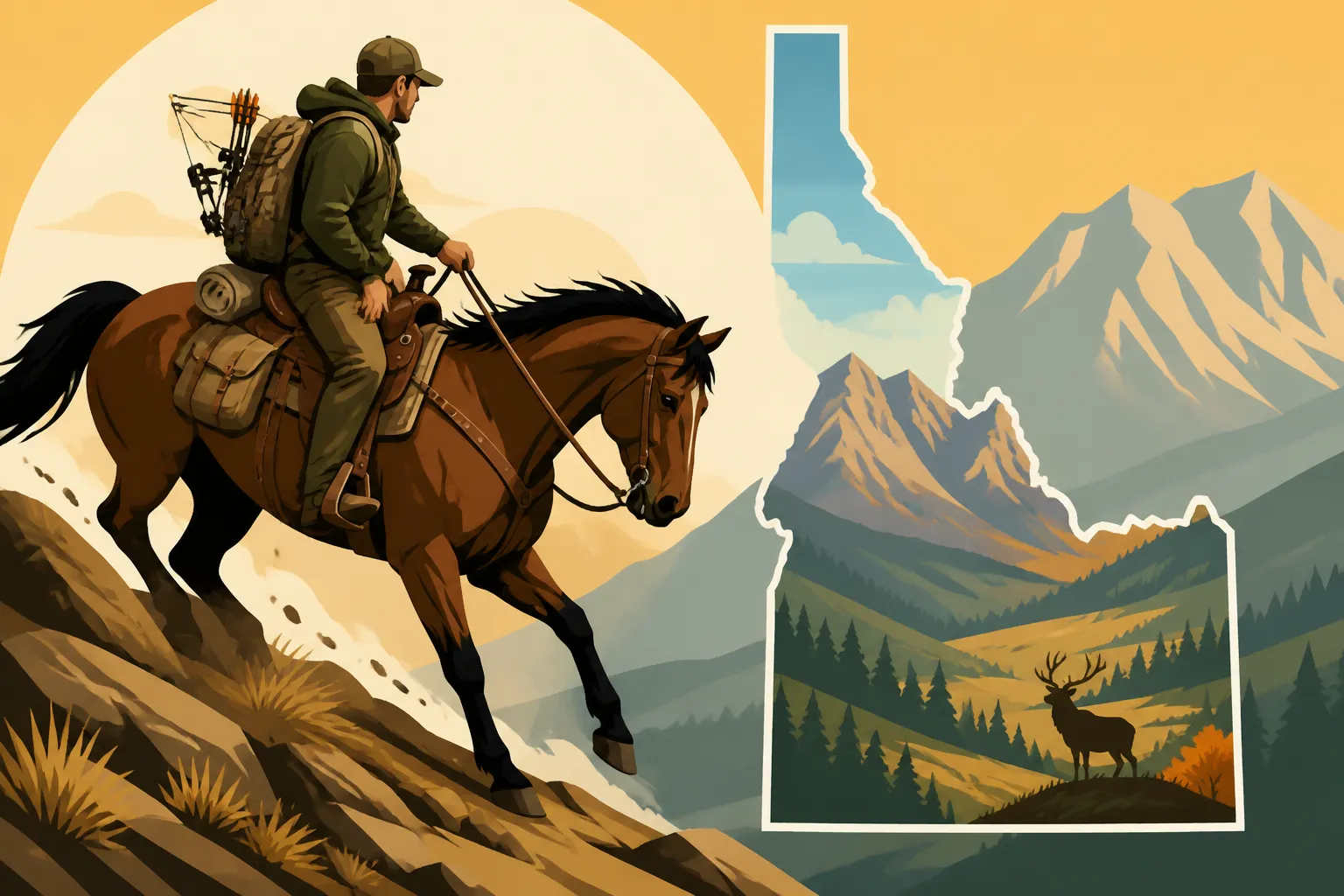
Idaho's backcountry trails are rarely manicured. They can be narrow, rocky, steep, slick with mud, or covered in snow and ice depending on the season. Often, they disappear entirely, forcing your horse to pick its way through downed timber, over brush, and up or down steep, loose scree slopes. This isn't a leisure ride; it's an active partnership. Your horse will need to make critical decisions, and you need to be balanced, relaxed, and communicate effectively, even when things get dicey. Imagine traversing a steep hillside with a sheer drop-off on one side, or pushing through thick lodgepole pines where branches are constantly catching your gear. It’s an adventure, but one that demands respect and readiness.
Outfitters rely on their horses to access remote hunting grounds, set up Wilderness Pack Trips Built for Hunters, and bring out game. These animals are incredibly tough and sure-footed, but they need a rider who can stay with them, not hinder them. You might find yourself on trails that feel more like game paths than human routes, requiring your horse to step over logs or slide down slick banks. Being able to anticipate these movements and stay out of the horse's way, rather than fighting its natural instincts, is crucial for both your safety and the animal's.
Long Hours in the Saddle and Varied Gaits
A typical hunting day on horseback can mean hours upon hours in the saddle, often starting before dawn and ending after dark. It's not just about sitting there; it's about actively riding. You'll move at various gaits—walking, trotting, and sometimes even a quick pace to cover ground. You might be climbing steadily for an hour, descending another, then traversing a flat ridge. All of this taxes your leg muscles, core strength, and overall endurance.
The fatigue from long days can compound, making you less attentive and more prone to errors. If you're not used to being in a saddle for extended periods, you'll feel it in places you didn't even know existed! Outfitters are generally adept at matching riders to horses, but even the calmest horse can be unpredictable. Being able to post a trot comfortably, even for short stretches, or simply shifting your weight to stay balanced during steep ascents and descents, will make a world of difference in your comfort and effectiveness. You don't want to be so focused on just staying on the horse that you miss a game animal.
Essential Riding Skills for a Successful Backcountry Hunt
So, what does an outfitter really mean when they ask about your riding experience? They're not looking for a rodeo champion, but they're definitely not looking for someone who's never seen a horse up close. It's about fundamental control, balance, and an understanding of how to work with a large animal in a dynamic environment.
Basic Horse Control and Communication
At a minimum, you need to be able to confidently mount and dismount, which can sometimes happen on uneven ground or in low light. Once in the saddle, you need to know how to start, stop, and steer your horse using reins and leg cues. This isn't just about pointing them in a direction; it's about subtle communication. Can you ask your horse to move left or right around an obstacle? Can you stop it quickly if a branch is about to smack you in the face?
Understanding basic cues like how to neck rein (using the rein on one side of the neck to turn) or direct rein (pulling on the bit to turn) is vital. More importantly, you need to be able to recognize what your horse is trying to tell you. Are its ears pinned back? Is it trying to shy away from something? A good backcountry horse is usually incredibly solid and experienced, but they're still animals, and they react to their environment and their rider. If you're panicking, your horse will often sense it.
Balance, Confidence, and Staying Relaxed
Perhaps more crucial than specific maneuvers is your ability to maintain balance and confidence in the saddle, even when the horse is navigating steep, broken terrain. The horse might stumble, step in a hole, or unexpectedly lunge up a bank. Your job is to stay centered, allowing the horse to recover its footing without pulling on the reins or clamping down too hard. Being a "sack of potatoes" in the saddle might sound like a joke, but it’s actually better than being a rigid, fighting rider who constantly pulls against the horse's natural movement.
Outfitters will tell you that a relaxed rider is a safe rider. Tension in your body transfers down the reins to the horse's mouth, making it anxious or resistant. Practice breathing deeply and staying loose in your hips and knees. This flexibility allows you to move with the horse's rhythm, absorbing bumps and shifts. If you're constantly fighting your horse, you're going to tire both of you out, and increase the risk of an accident. Think about your Physical Conditioning for Idaho Backcountry and how it translates to staying supple and strong on horseback.
Trail Etiquette and Safety Protocols
When riding in a string, especially with other hunters and pack animals, there are specific unwritten rules that ensure everyone's safety. Maintaining proper spacing between horses, avoiding sudden movements, and understanding how to safely lead a horse (if required) are important. Your outfitter will go over these things, but a prior understanding helps. For instance, knowing not to walk directly behind another horse, or how to signal when you need to stop, can prevent mishaps.
| Skill Level | Description | Hunt Demands |
|---|---|---|
| Beginner | Some experience on guided trail rides in controlled environments; comfortable walking, stopping, and basic steering on flat ground. Limited experience with trotting or varied terrain. | May be suitable for shorter, less demanding day rides to a hunting spot, but likely not for deep backcountry pack-in hunts requiring significant off-trail navigation or long days. Requires a very quiet, bombproof horse. |
| Intermediate | Comfortable with all three gaits (walk, trot, canter), can control horse in open and varied terrain, understands basic cues, good balance, can ride for several hours without excessive fatigue. | Ideal for most multi-day backcountry hunts with an outfitter. Can handle mountain trails, steep ascents/descents, and longer days in the saddle. Better able to help the horse navigate obstacles. |
| Experienced | Confident riding in all conditions and terrain, capable of independent navigation, comfortable with advanced horsemanship, can manage a spirited horse if needed. Excellent balance and endurance. | Well-suited for the most challenging backcountry hunts, potentially involving off-trail travel, leading pack strings, or handling unexpected situations in remote areas. Can truly be a partner to the guide. |
What Outfitters Expect and How to Prepare
Outfitters are professionals who dedicate their lives to navigating Idaho's wild places. They generally use incredibly well-trained, patient horses that know the terrain inside and out. However, they're not miracle workers, and your preparation, both physically and mentally, goes a long way.
Honesty About Your Experience Level
This is paramount. When you're talking to an outfitter, whether through a platform like BookYourHunt or directly, be completely honest about your riding experience. Don't exaggerate. If you've only ridden a few times on a nose-to-tail trail ride, say so. If you haven't been on a horse in twenty years, definitely mention that. Outfitters are trying to match you with the right horse for your skill level, and safety is their number one concern. Misrepresenting your abilities could put you, the guide, and the horses at risk.
A good outfitter will ask specific questions about your background: Have you ridden Western or English? How many hours a day have you ridden? Are you comfortable at a trot or canter? Have you ridden in mountains or through thick timber? Your answers help them assess if you're a good fit for their type of hunt and if they have a horse that can safely accommodate you. Remember, they're not judging you; they're ensuring a safe and successful trip for everyone.
Getting in Shape Beyond the Saddle
While riding experience is key, general physical fitness is just as important, if not more so. A horseback hunt isn't solely about sitting. You'll be climbing on and off the horse multiple times a day, sometimes on uneven ground. You'll be walking up steep hills to glass or stalk. You'll be helping to pack out an animal, which involves lifting, dragging, and carrying heavy loads. All of this demands a good level of cardiovascular fitness, core strength, and leg endurance.
Think about how you'd prepare for a strenuous hiking trip. That's the baseline. Long walks with a pack, stair climbing, and exercises that strengthen your core and legs will make a huge difference. If you're only riding on your hunt, you're missing a big part of the picture. An outfitter might need you to dismount and lead your horse through a particularly difficult patch of blowdown, or walk alongside it on a perilous descent. Being fit enough to handle these moments will enhance your safety and enjoyment. Many hunters use resources like GoHunt to research units and plan the physical demands, but don't forget the horse-specific aspects!
Communicating with Your Guide
Your guide is your lifeline in the backcountry. They are highly experienced, know the horses, and are experts in the terrain and the game. Listen to their instructions carefully, especially regarding how to handle your horse. If you have concerns or feel uncomfortable, speak up immediately. Don't wait until you're in a precarious situation. They can often offer tips, adjust your stirrups, or even switch horses if it's truly not working out.
Part of a successful hunt is the relationship with your guide. Being respectful, communicative, and willing to learn will ensure a much smoother trip. They want you to have a great experience and to be safe. Asking Questions Worth Asking Before You Book covers this, but also remember to keep that dialogue open during the hunt itself. You'll learn a ton from them about Horsemanship Requirements for Idaho Guides and what makes a good backcountry horseman.
Preparing for Your Horseback Hunting Adventure
Once you've booked your hunt, the real preparation begins. It's not just about getting your gear ready or scouting areas on a map. It's about getting yourself mentally and physically attuned to the unique challenge of hunting from horseback in Idaho.
Practice, Practice, Practice if Possible
If you have the opportunity, try to get some saddle time in before your trip. Even a few lessons at a local riding stable can help you re-familiarize yourself with basic controls, balance, and how to comfortably post a trot. Focus on developing a strong, independent seat and light hands on the reins. If riding isn't an option, consider exercises that build core strength, inner thigh muscles, and overall endurance.
Even if you can only ride a handful of times, those hours will be invaluable. They'll help you identify any areas where you might feel uncomfortable or unbalanced, giving you time to address them before you're deep in the Idaho wilderness. Remember, even a short hour-long trail ride can give you a better feel for the subtle communication between horse and rider, which is amplified on a hunting trip.
Gear Considerations for Horseback Hunts
The right gear makes a huge difference in your comfort and safety on a horseback hunt. Think layers for clothing, as weather can change dramatically in the mountains. Your boots should have a heel to prevent your foot from slipping through the stirrup, and they should be comfortable enough for walking when you dismount. Chaps or tough riding pants can prevent chafing and protect your legs from brush.
Your daypack needs to be secure so it doesn't bounce around, and it should be easily accessible for essentials like water, snacks, and binoculars. You'll also want to consider how your rifle or bow will be carried. Most outfitters have scabbards or bow slings, but discuss this with them beforehand. The Gear List Your Outfitter Will Send will be your ultimate guide, but thinking about how each item functions from horseback is essential. Also, make sure your rifle is sighted in for Rifle Zero Distance for Canyon Country Shooting, as you'll often be shooting at varying ranges after dismounting.
Mental Readiness for the Unexpected
The backcountry is wild, and things don't always go as planned. Weather can turn on a dime, trails can become impassable, and horses can have their moments. A successful backcountry hunter, especially on horseback, needs a resilient mindset. Be prepared for long days, early mornings, late nights, and the occasional discomfort. Embrace the adventure and the challenges that come with it.
Staying calm and positive, even when facing a setback, is crucial. Your attitude can significantly impact your experience and the experience of those around you, including your guide. Remember why you're out there: for the experience, the challenge, and the chance to connect with nature on an intimate level. A strong mental game, combined with your physical preparation, will equip you for whatever Idaho throws your way. Ultimately, a horseback hunt in Idaho isn't just about the hunt itself; it's about the journey, the partnership with your horse, and the incredible, immersive experience of the wilderness.
Disclaimer
This article is for general informational purposes only and does not constitute professional advice. Laws, prices and regulations vary by location and change over time. Consult a qualified professional for guidance on your specific situation.