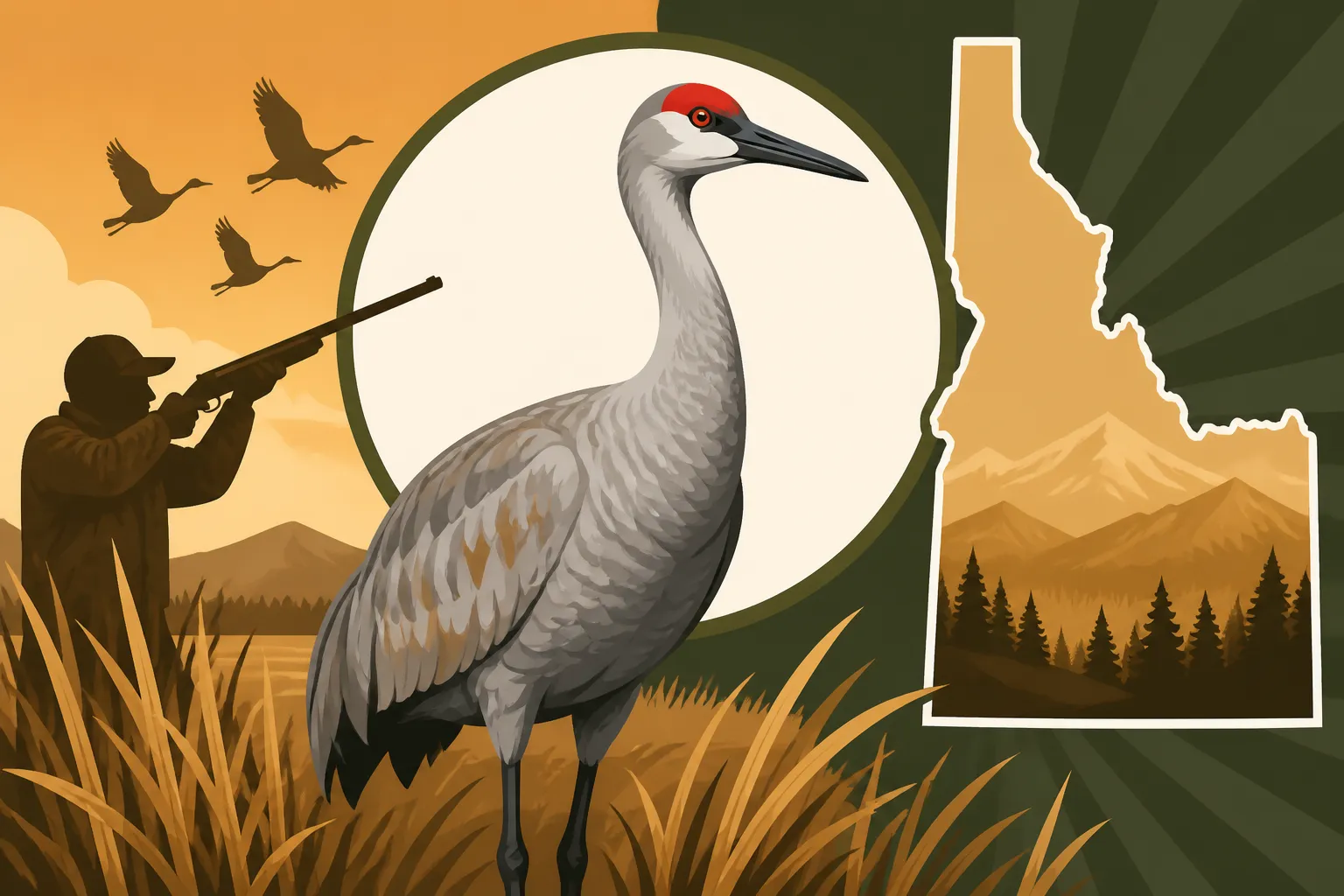
Why Sandhill Crane Carries an Age Floor
It can be incredibly frustrating for parents who are eager to introduce their children to the joys and traditions of hunting, especially when a specific game species like the Sandhill Crane comes with an age requirement that feels arbitrary or unclear. You might wonder why hunting these majestic birds might be considered different from other species when it comes to a young hunter's readiness. This guide is here to demystify Idaho's approach to youth hunting, specifically addressing why Sandhill Crane hunting carries a minimum age, and what that truly means for aspiring young sportsmen and women.
The Foundation of Idaho's Youth Hunting Age Rules
Idaho takes a thoughtful approach to ensuring that new hunters are prepared for the field, not just physically, but also mentally and ethically. While the general minimum age for hunting most big game and certain migratory birds like Sandhill Cranes is 10 years old, this isn't just a number pulled from a hat. It's a combination of practical considerations, safety protocols, and a deep respect for the animals we pursue. For Sandhill Cranes, in particular, these considerations become even more pronounced due to the nature of the bird and the hunt itself.
Safety and Maturity in the Field
Hunting is an activity that demands constant vigilance, sound judgment, and a profound understanding of firearm safety. For a young hunter, developing these traits takes time and experience. The 10-year age floor for hunting many species, including Sandhill Cranes, is often seen as a baseline where a child typically begins to demonstrate the cognitive and physical development necessary to safely handle a firearm and make critical decisions in a dynamic outdoor environment.
Consider a typical Sandhill Crane hunt: you're often in an open field, sometimes near other hunters, and the birds can come in fast and from unexpected angles. A moment of inattention or a lapse in judgment can have serious consequences. Younger children might struggle with sustained focus, understanding complex field-of-fire scenarios, or reacting appropriately under the excitement of a fast-approaching flock. The ability to maintain muzzle control, identify targets clearly, and understand what's beyond their bird is paramount. This requires a certain level of maturity that often begins to solidify around this age.
Ethical Considerations and Clean Kills
Beyond safety, there's the critical ethical component of hunting: striving for a clean, humane kill. Sandhill Cranes are large, powerful birds, sometimes referred to as "ribeye in the sky" because of their size and delicious meat. Their size means they can be tougher to bring down cleanly than smaller upland birds, requiring precise shot placement with a shotgun. A poorly placed shot can lead to a wounded bird that escapes and suffers, which is something no ethical hunter ever wants.
For a young hunter, consistently achieving that clean kill requires not only good marksmanship but also the judgment to know when not to shoot. This means understanding effective range, waiting for the right shot angle, and being able to quickly assess the bird's flight path. This level of discernment typically isn't fully developed in very young children. By setting an age floor, Idaho aims to ensure that young hunters are at a stage where they can be effectively taught and can then consistently apply these ethical hunting principles. Resources like the Idaho Hunter Education Birth Year Cutoff can provide more context on the general requirements.
The Specifics of Sandhill Crane Hunting in Idaho
Sandhill Crane hunting isn't your average walk-and-flush bird hunt. It's a specialized experience, often requiring specific tactics and a deeper understanding of the birds and regulations. Idaho treats it as a controlled hunt, which adds another layer of responsibility and exclusivity.
Permit Requirements and Limited Opportunity
Unlike many general hunting seasons, Sandhill Crane hunting in Idaho is managed through a controlled hunt permit system. This means hunters must apply for a limited number of tags, and success in the draw is never guaranteed. This system reflects the Idaho Fish and Game's commitment to managing the crane population sustainably and ensuring hunting pressure remains within ecological limits. The demand often outstrips the supply, making a Sandhill Crane permit a coveted prize. For more details on the application process, refer to The Idaho Controlled Hunt Calendar, April Through August.
The controlled hunt aspect ties into the age floor because it elevates the seriousness of the pursuit. If a tag is hard to come by, the expectation for responsible hunting and successful harvest increases. It's not just about getting out into the field; it's about making the most of a limited, managed opportunity, which again leans on a hunter's maturity and preparedness. Platforms like GoHunt can be invaluable for researching draw odds and hunt unit information for these types of specialized permits, helping hunters strategize their applications.
| Species/Activity | Minimum Age (Idaho) | Key Considerations |
|---|---|---|
| Big Game (Deer, Elk) | 10 years | Hunter education/mentorship, physical stamina, firearm handling |
| Sandhill Crane | 10 years | Hunter education/mentorship, shotgun proficiency, target ID |
| Upland Birds (Pheasant) | No minimum if supervised | Shotgun safety, bird identification |
| Turkey | No minimum if supervised | Shotgun/bow safety, calling techniques |
| Mentored Hunting | No minimum (under 10) | Direct, unassisted supervision by licensed adult |
Hunter Education and Mentorship
Idaho requires anyone born after December 31, 1974, to complete a hunter education course before purchasing a hunting license. This course covers everything from firearm safety and ethical hunting practices to wildlife identification and conservation principles. For young hunters, this education is foundational. Even if a child meets the 10-year age floor for Sandhill Cranes, they still need to fulfill these education requirements or hunt under the direct supervision of a licensed adult mentor. You can explore options for hunter education through Online and Classroom Hunter Education Compared.
The role of a mentor is crucial, especially for younger hunters. A mentor provides one-on-one guidance, teaches fieldcraft, reinforces safety, and helps the young hunter develop good judgment. While Idaho does have provisions for Direct Supervision for Hunters Under Ten for some species, the emphasis on the 10-year age for specific hunts like Sandhill Cranes underscores the expectation of a more independent, though still guided, hunter. GoHunt also offers resources and articles that can help mentors and mentees prepare for various hunts, including understanding specific regulations and strategies.
Preparing a Young Hunter for Sandhill Crane Success
Reaching the minimum age is just the first step. True readiness for a Sandhill Crane hunt involves deliberate preparation, practice, and a continued commitment to learning. It's about building confidence and competence.
Beyond the Minimum Age: Skill and Maturity
While 10 years old is the age floor, every child develops at their own pace. Some 10-year-olds might be incredibly focused and skilled, while others might need more time to mature before they're truly ready for the demands of hunting a large, fast-flying bird like a Sandhill Crane. Parents and mentors need to honestly assess a young hunter's readiness, looking beyond just the calendar age.
Consider their attention span, their ability to follow complex instructions under pressure, and their physical strength to comfortably handle a shotgun for extended periods. A young hunter who struggles with these aspects might benefit from more time practicing shooting clays, observing hunts, and building their general outdoor skills before heading out for a Sandhill Crane permit. The goal is to set them up for success, not just to meet a minimum requirement. Sometimes, gaining experience on a less demanding hunt first, such as for upland birds, can be a great stepping stone.
Practical Experience and Marksmanship
Consistent practice with a shotgun is essential. This isn't just about hitting targets; it's about developing safe gun handling habits, understanding lead and follow-through, and getting comfortable with the recoil. Skeet or trap shooting can be excellent ways for young hunters to hone their skills in a controlled environment, preparing them for the dynamic shots encountered during a crane hunt. Understanding effective range for shotgun loads on large birds is also critical to ensure ethical kills.
Furthermore, preparation includes learning about Sandhill Cranes themselves. Understanding their habits, flight patterns, and vocalizations can significantly increase a young hunter's chances of success and appreciation for the bird. Watching hunting videos, reading about crane behavior, and spending time observing birds in the field can all contribute to a well-rounded education. This deeper knowledge isn't required to get a permit, but it certainly enhances the experience and helps develop a more responsible hunter. For hunters looking into other migratory birds, the process for Sandhill Crane Permits in Idaho can be similar to When Idaho Swan Permits Are Drawn, offering good comparative learning.
Many hunters use platforms like GoHunt to research specific units, habitat types, and even past harvest success rates for various game. This kind of detailed scouting and research, even if done from home, is an excellent way to prepare mentally and strategically, and it's a skill that young hunters can learn early on.
Conclusion: A Foundation for Responsible Hunting
The age floor for Sandhill Crane hunting in Idaho isn't about excluding young hunters; it's about ensuring they are adequately prepared for a challenging and ethically demanding hunt. It underscores Idaho's commitment to safety, conservation, and responsible hunting practices. By understanding these reasons and dedicating time to proper training and mentorship, young hunters can develop the skills and maturity needed to pursue Sandhill Cranes and other species with confidence and respect for the tradition. It’s an investment in their future as ethical, knowledgeable outdoorsmen and women.
Disclaimer
Please remember that hunting regulations can change. Always consult the most current Idaho Fish and Game regulations and official publications before planning any hunt. This article is intended for informational purposes only and does not supersede official state regulations.