A Tags Favor Archery and Muzzleloader Hunters
For many hunters looking to chase big game in the Gem State, the choices around tags can feel like navigating a maze. It’s easy to get overwhelmed by the different types, seasons, and restrictions, often leaving you wondering if you're making the right investment for your hard-earned tag. This guide is dedicated to demystifying Idaho's "A Tags," breaking down exactly why they've become such a favored option for archery and muzzleloader hunters, and how they can unlock some incredible opportunities for you.
Understanding the Foundation of Idaho's A Tags
Let's start by clarifying what an "A Tag" actually is within the Idaho hunting system. Idaho Fish and Game structures its general season deer and elk tags into two main categories: "A" tags and "B" tags. These aren't just arbitrary labels; they dictate not only when you can hunt but often how you can hunt, and which weapon types are permitted during specific windows. Many hunters find that the A tag system, by design, aligns perfectly with the nuances of primitive weapon hunting, giving them an edge during critical times of the season.
The Core Purpose of A Tags
At its heart, the A tag system is designed to provide earlier season opportunities, predominantly for archery and muzzleloader enthusiasts. Think of it as Idaho's way of offering distinct, less pressured periods for hunters who choose to pursue game with more traditional methods. These tags generally precede the widespread general rifle seasons, allowing bowhunters and muzzleloader users to be in the woods when conditions might be more favorable for their specific challenges. This early access often means getting into elk or deer when they're still in their summer patterns or just beginning to feel the first stirs of the rut, making them potentially more responsive to calls or less wary of human presence.
This isn't to say A tags are only for primitive weapons; some zones and units might allow any-weapon hunting during a particular A tag season, but the general trend and primary advantage lean heavily towards archery and muzzleloader. It's a system that acknowledges the added difficulty and closer range required for these methods, granting them a unique window to pursue animals before the landscape is saturated with more widespread rifle pressure.
Weapon Specificity and Season Dates
When you opt for an A tag, you're usually buying into a specific calendar window and often a specific weapon type. For elk, the classic scenario for A tags is the archery-only season that typically kicks off in late August and runs through September, capitalizing on the peak of the elk rut. Following that, many A tags open up dedicated muzzleloader seasons, often bridging the gap between archery and the general rifle opener in late October.
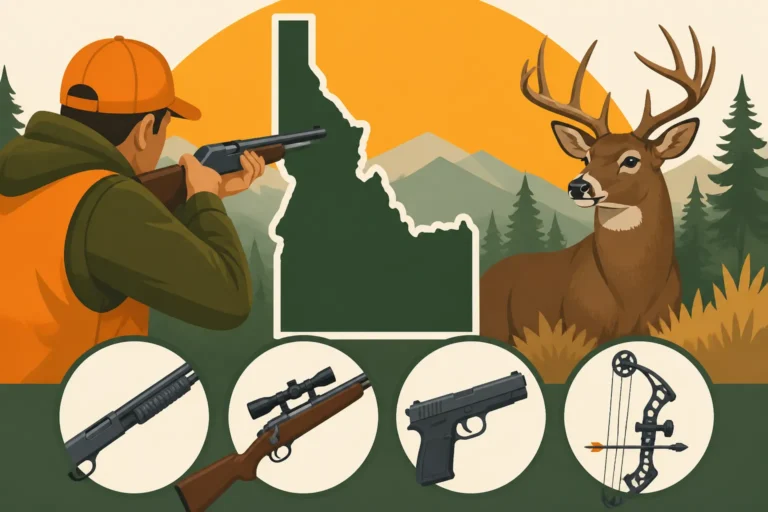
These season structures are crucial because they dictate your gear. If you’re holding an A tag for an archery-only period, then, well, you're carrying a bow. The same goes for muzzleloader seasons. These regulations are strict, and understanding them perfectly before you head out is non-negotiable. It’s not just about when you can hunt, but what you can carry. For example, some units might have short-range weapon seasons associated with an A tag, which could include shotguns with slugs or certain muzzleloaders, but generally excludes centerfire rifles. The exact dates and permitted weapons will always depend on the specific elk zone and unit you're hunting, which is why cross-referencing the Idaho Fish and Game regulations is paramount.
Zone and Species Implications
A tags are intrinsically tied to specific elk zones and can vary significantly in their application to deer species. For elk, Idaho is divided into numerous zones, and within each zone, units are assigned either A or B tag structures for their general seasons. This means your A tag is only valid in certain zones. For instance, some zones are entirely A-tag oriented, while others might offer a choice. You can learn more about this through a resource like Idaho Elk Zones and the A Tag or B Tag Choice. It’s vital to understand the zone boundaries and the specific A tag opportunities within them.
For deer, the situation can be a bit more fluid. While elk A tags are generally defined by specific primitive weapon seasons, deer tags might sometimes have A/B distinctions that align with different general seasons (early vs. late) rather than strictly primitive weapon exclusivity. However, many archery and muzzleloader deer seasons often overlap with the A tag calendar, making them a natural fit. Always check the regulations for the specific deer species (mule deer or whitetail) in your chosen unit, as their seasons and tag types can have distinct rules compared to elk.
The Strategic Advantage for Archery Hunters with A Tags
If you're a bowhunter, the Idaho A tag system is practically designed for you. The early season dates, often overlapping with the peak of the elk rut, provide what many consider the single best opportunity to punch an elk tag with a bow. It's not just about being in the woods earlier; it's about being there when the animals are most vulnerable to your specific hunting tactics.
Capitalizing on the Early Rut
The primary draw for archery hunters with an A tag is the timing. Idaho's general archery elk seasons, typically falling in September, perfectly align with the peak of the elk rut. This is when bulls are most vocal, aggressive, and distracted, making them more susceptible to calling strategies. Imagine the thrill of hearing a bull screaming his defiance from across a canyon, or watching a satellite bull sneak in silently to your cow calls. These are experiences that become far more common during the A tag archery window.
During this time, bulls are focused on gathering and defending their harems, or actively seeking cows. This primal drive makes them less cautious than they would be later in the season. A skilled caller can often bring a bull within bow range, turning a distant bugle into a heart-pounding encounter. The timber is often still thick with leaves, providing excellent cover for stalks, and the cooler mornings can keep elk active longer. This combination of factors — vocal bulls, active rut behavior, and good cover — creates a unique advantage that rifle hunters typically don't experience.
Fewer Hunters, More Elk
Another significant benefit of hunting with an A tag during archery season is the generally reduced hunter pressure compared to later general rifle seasons. While bowhunting is incredibly popular, the sheer number of hunters in the woods typically ramps up dramatically once rifles are allowed. The A tag archery window often provides a slightly more serene hunting experience, where you might have entire drainages or ridge systems to yourself.
Less pressure means elk might be less skittish and more predictable in their movements. They haven't been pushed and harassed for weeks, so their daily routines of feeding, watering, and bedding are often more consistent. This can make scouting more productive and help you pattern animals more effectively. While popular trailheads and easily accessible areas will always see traffic, the opportunity to find truly quiet pockets of elk country is generally higher during the A tag archery season. This reduced pressure can translate directly into better opportunities for close-range encounters, which is exactly what a bowhunter needs.
Weapon Rules for Archery A Tags
Hunting with an A tag during an archery-only season comes with specific equipment rules you absolutely must adhere to. Idaho's regulations are designed to ensure fair chase and safety, so familiarize yourself with them long before your hunt. For instance, when it comes to broadheads, Idaho regulations often require specific types. Generally, fixed-blade broadheads are widely accepted, but mechanical broadheads also have specific rules regarding cutting diameter and blade retention. You can dive deeper into this topic with our guide on Fixed Blade Against Mechanical Broadheads on Elk.
Beyond broadheads, other aspects of your bow setup are regulated. For example, knowing Whether Lighted Nocks Are Legal for Bowhunters is crucial, as states vary on this point. Release aids are generally allowed, but any device that can propel an arrow without being hand-held and drawn (like a crossbow) would typically fall under short-range weapon rules, not archery-only. You’ll also need to ensure your bow meets the minimum draw weight requirements, which Idaho sets to ensure sufficient kinetic energy for a humane kill on big game. Understanding these nuances isn't just about compliance; it's about ethical hunting and maximizing your chances of a clean harvest.
Muzzleloader Opportunities with A Tags
For those who enjoy the challenge and historical connection of muzzleloader hunting, A tags often open up fantastic mid-season opportunities. These seasons typically bridge the gap between archery and general rifle, providing a distinct advantage for hunters willing to embrace the smoke pole.
Prime September/October Windows
Just as A tags benefit archers, they also frequently provide dedicated muzzleloader seasons in late September and early October. This timeframe can be incredibly productive, as elk are often still vocal from the tail end of the rut, or they are just beginning to transition into their post-rut, pre-winter feeding patterns. The weather during these weeks can be crisp and cool, ideal for covering ground, and the fall foliage is often at its peak, creating a stunning backdrop for your hunt.
Muzzleloader seasons can catch animals in a state of flux – perhaps slightly pressured by early archery hunters, but not yet fully blown out by the rifle season onslaught. This means elk might be moving more during daylight hours as they feed to recover from the rut, or they might be concentrated in areas with good forage, making them easier to locate. The solitude of a muzzleloader hunt during these beautiful fall weeks can be a truly rewarding experience, offering a chance to connect with the landscape and the hunt in a unique way.
Navigating Muzzleloader Specifics
Hunting with a muzzleloader during an A tag season means adhering to a specific set of rules that govern the weapon itself. Idaho is quite particular about what constitutes a legal muzzleloader for these specific hunts. For example, one of the most significant restrictions is that Why Idaho Muzzleloader-Only Hunts Ban Scopes and Inline Ignition. This means you'll be limited to traditional open or peep sights, adding an extra layer of challenge and requiring more precise shooting skills at closer ranges. Our guide on Open and Peep Sights Only in Muzzleloader-Only Hunts can offer more detail on this often-misunderstood rule.
Furthermore, the type of ignition system is often specified. Many muzzleloader-only seasons require exposed cap or flintlock ignition, which excludes many modern "inline" muzzleloaders that offer a more sealed, reliable firing system. These rules are designed to maintain the primitive nature of the hunt. Caliber minimums also apply, typically .45 for deer and .50 for elk, ensuring sufficient power for a clean kill. These limitations demand a higher level of woodsman skill and marksmanship, but the reward of harvesting an animal with a traditional muzzleloader during an exclusive season is immense.
Strategic Placement for Muzzleloaders
The specific timing of A tag muzzleloader seasons allows hunters to strategically place themselves in the field. Often, these seasons occur after the most intense archery pressure has passed, but before the widespread rifle pressure. Animals might have adjusted slightly to human presence but haven't yet been driven into their deepest, most secure cover. This can be a sweet spot for muzzleloader hunters.
You might find elk and deer utilizing particular food sources as fall progresses, or seeking out slightly thicker cover. Since muzzleloaders are effective at shorter ranges (typically 150-200 yards for most hunters), the ability to stalk closer becomes paramount. This is where scouting, knowledge of game trails, and understanding wind direction become even more critical. Muzzleloader hunters can often target areas that are less appealing to rifle hunters due to timber density, knowing that their effective range limitations are matched by the advantage of closer encounters in thick country.
A Tags vs. B Tags: A Closer Look
The choice between an A tag and a B tag is a fundamental decision for any Idaho hunter, as it significantly impacts your weapon choices, season dates, and even the type of animal you might pursue. Understanding these differences is key to planning a successful hunt.
Weapon and Season Overlap
The most glaring difference between A and B tags lies in the allowed weapon types and the corresponding season dates. As we've discussed, A tags lean heavily towards early-season archery and muzzleloader opportunities. These seasons often run in late August, September, and early October. B tags, on the other hand, are generally associated with later general rifle seasons, typically kicking off in mid-October and running through November. While some B tag seasons might include early archery or muzzleloader periods, their primary focus and the most widespread opportunity they provide is for rifle hunters.
Let's illustrate with a table:
| Feature | A Tag (General Tendency) | B Tag (General Tendency) |
|---|---|---|
| Primary Weapons | Archery, Muzzleloader, Short-Range Weapons | Rifle, Archery, Muzzleloader |
| Season Timing | Late August – Early October | Mid-October – November (or later) |
| Rut Activity | Peak Elk Rut (Archery) / Post-Rut (Muzzle) | Post-Rut / Pre-Winter Feeding |
| Hunter Pressure | Generally lower than rifle seasons | Can be higher, especially early in season |
| Elk Bull Rules | Often spike-only in general seasons (check regs) | More likely any-bull in general seasons |
Knowing What an Idaho A Tag Buys You and What an Idaho B Tag Buys You is really the first step in plotting your strategy. If your heart is set on pursuing elk with a rifle during the traditional fall hunts, a B tag is almost certainly your route. If you're a bowhunter or muzzleloader enthusiast keen on the rut, then an A tag is likely your preference.
Bull Elk Opportunities Spike vs. Any Bull
This is a critical distinction, especially for elk hunters. Many general A tag seasons, particularly for archery, have "spike-only" bull restrictions in certain units or zones. This means you are legally allowed to harvest a bull elk only if it has at least one antler that is a "spike" – essentially an unbranched antler longer than its ear. This regulation is designed to protect younger, genetically valuable bulls and allow them to grow. You can find more specific details on Spike-Only Bull Rules Inside Idaho A Tag Seasons.
Conversely, many B tag general rifle seasons often allow for "any bull" harvest, meaning you can take any legal bull regardless of antler configuration. This significantly opens up your options and increases the odds of harvesting a mature bull. However, some B tag units can also have antler point restrictions (e.g., 4-point or better), so always verify the specific unit's regulations. This difference in bull harvest rules is a major factor in choosing between an A tag and a B tag, as it directly impacts your hunting goals and expectations for trophy quality.
Hunter Density and Pressure
The impact of hunter density on your experience cannot be overstated. A tag seasons, particularly the early archery and muzzleloader portions, often experience different levels of hunter pressure. While popular areas will always see hunters, the overall density can be lower than during the general rifle seasons. This can lead to a more relaxed hunting environment, less competition for prime spots, and potentially less skittish animals.
However, once the B tag general rifle seasons open, the woods often fill up. Roads and trailheads become busier, and elk and deer can quickly become educated and move into thicker, more remote country. This increased pressure demands different hunting strategies, often requiring hunters to push deeper into the backcountry or focus on overlooked pockets of cover. Understanding these dynamics is vital, and resources like GoHunt can provide valuable insights into specific unit pressure, helping you decide if the A tag's potential for lower pressure aligns with your hunting style.
Strategic Planning with Your A Tag
Securing an A tag is just the first step; effective planning is what turns that tag into a successful hunt. This involves everything from understanding the specific nuances of your chosen unit to physical preparation and utilizing modern tools.
Understanding Elk Zones and Tag Allocation
Idaho's elk hunting is managed through a system of zones and units, and A tags are specifically allocated within this framework. You can't just buy an A tag and hunt anywhere; it's tied to a particular zone and often a particular weapon type within that zone. For example, the Frank Church-River of No Return Wilderness Zone might offer A tags with specific archery-only dates, while the Owyhee Zone might have different A tag periods for its mule deer. It's paramount to study the current year's regulations to understand the boundaries of your chosen zone and unit, and to confirm the exact season dates and weapon restrictions that apply to your A tag. This granular level of detail is crucial and can often be complex, but mastering it means you're not just hoping for the best – you're truly prepared. A fantastic resource to start with is Idaho Elk Zones and the A Tag or B Tag Choice, which breaks down how these zones are structured and what they mean for your tag choice.
It's also worth noting that some elk zones are "capped," meaning a limited number of tags are sold, often on a first-come, first-served basis or through a draw. While A tags often fall into the general tag categories, being aware of capped zones and their specific rules is always a good idea, as competition for prime areas can be fierce.
Utilizing E-Scouting Tools
In today's hunting world, e-scouting has become an indispensable part of planning, especially when you're targeting specific A tag opportunities. Platforms like GoHunt offer powerful mapping and data analysis tools that can give you a significant edge. With GoHunt, you can overlay public and private land boundaries, identify prime bedding and feeding areas, locate water sources, and even visualize terrain in 3D. This allows you to "walk" the landscape from your computer, identifying potential access points, likely travel corridors, and areas that might hold elk or deer during your A tag season.
Furthermore, these tools often integrate harvest statistics, drawing odds, and historical weather data, allowing you to make more informed decisions about which units to target. For an A tag hunt, particularly for archery, understanding terrain features that provide stalk cover or funnel elk during the rut is critical. GoHunt can help you find those pinch points, saddles, and dense timber pockets that might be overlooked by others. It's about maximizing your time in the field by minimizing blind searching.
Physical Preparation for Primitive Weapon Hunts
Let's be real: hunting with a bow or a muzzleloader almost always means you need to get closer to your quarry. And getting closer, especially in Idaho's rugged terrain, often translates to more physical effort. An A tag hunt can be incredibly demanding, so your physical preparation needs to match the challenge. If you're planning an archery elk hunt in the mountains during September, expect to cover many miles each day, often uphill, with a pack on your back.
This isn't just about being able to walk; it's about being able to perform under stress. Imagine climbing a steep ridge to get above a bugling bull, then having to remain steady enough to draw your bow smoothly when your heart is pounding. For muzzleloader hunters, stalks through dense timber require quiet movement and endurance. Building up your cardiovascular fitness, leg strength, and core stability before your hunt will pay dividends. Regularly hiking with your hunting pack, practicing shooting under elevated heart rates, and generally embracing a healthy, active lifestyle will dramatically improve your chances of success and enjoyment during your A tag hunt.
Making Your Choice: A Tag or B Tag?
The decision between an A tag and a B tag ultimately comes down to a few key personal and practical considerations. There's no single "best" tag; only the best tag for you and your specific hunting aspirations.
Self-Assessment: Weapon Preference and Skill
Before anything else, be honest with yourself about your preferred weapon and your skill level. If you live and breathe archery, spend countless hours practicing, and are confident in your ability to get within 60 yards (or whatever your personal ethical limit is), then an A tag for an archery season is a natural fit. You're already set up to capitalize on its advantages. The same goes for dedicated muzzleloader hunters who enjoy the challenge of a primitive firearm.
However, if you're primarily a rifle hunter, or if your archery and muzzleloader skills aren't yet honed for big game in challenging terrain, then forcing yourself into an A tag season might lead to frustration. While you can use a rifle in some A tag general seasons (check regulations carefully), the most characteristic and advantageous A tag seasons are often primitive weapon only. Don't let the allure of early season overshadow the reality of your capabilities. It's often better to hunt with a weapon you're proficient with, even if it means a later B tag season, than to go into the field under-gunned for the conditions.
Analyzing Draw Odds and Availability
While many A tags are general season tags available over the counter, some units or specific controlled hunts associated with A tag seasons might require you to enter a draw. Idaho operates without a preference point system, meaning every applicant, new or experienced, theoretically has the same odds each year for a controlled hunt. This can be great for first-time applicants, but it also means there's no guaranteed progression toward a tag.
It's wise to check Checking Idaho Drawing Odds Before You Apply for any controlled hunts you're considering. For general season A tags, availability can still be a factor, especially in popular zones. Some over-the-counter tags might sell out quickly, while others remain available closer to the season. Be prepared to purchase your tag promptly once they become available. GoHunt can also be a valuable resource here, offering insights into tag availability and historical trends, helping you gauge demand and plan your purchase.
The Mentored Hunter Pathway
For new hunters, especially youth, or those simply looking to "try before they certify," Idaho offers unique programs like the Hunting Passport. This program allows eligible individuals to hunt under the direct supervision of a licensed adult mentor without first completing a hunter education course. This can be an excellent way to experience an A tag archery or muzzleloader season for the first time.
Imagine a young hunter, passionate about bowhunting, getting the chance to hunt alongside an experienced mentor during the early September rut. It's an unparalleled learning experience. Our guides like The Idaho Hunting Passport Lets You Try Before You Certify and Idaho Mentors May Take Two Hunters at Once provide all the details on who qualifies and how the program works. These programs can make A tag opportunities accessible to a broader range of individuals, fostering new hunters and ensuring the tradition continues.
Disclaimer
Please note that hunting regulations, season dates, and tag availability in Idaho are subject to change annually. Always consult the most current Idaho Fish and Game regulations for the exact details pertaining to your planned hunt before making any decisions or purchasing licenses and tags. This article provides general information and should not be considered a substitute for official state regulations.