When Idaho Swan Permits Are Drawn
It’s easy to feel overwhelmed by all the different hunting seasons and permit drawings in Idaho. You get excited about a unique opportunity, like hunting swans, but then realize you missed the application period because the dates just blend together. This guide is here to clear up that confusion, specifically when it comes to securing those coveted Idaho swan permits, and will walk you through the precise timing of the drawing and what you need to do to be ready.
Understanding Idaho's Swan Season Dynamics
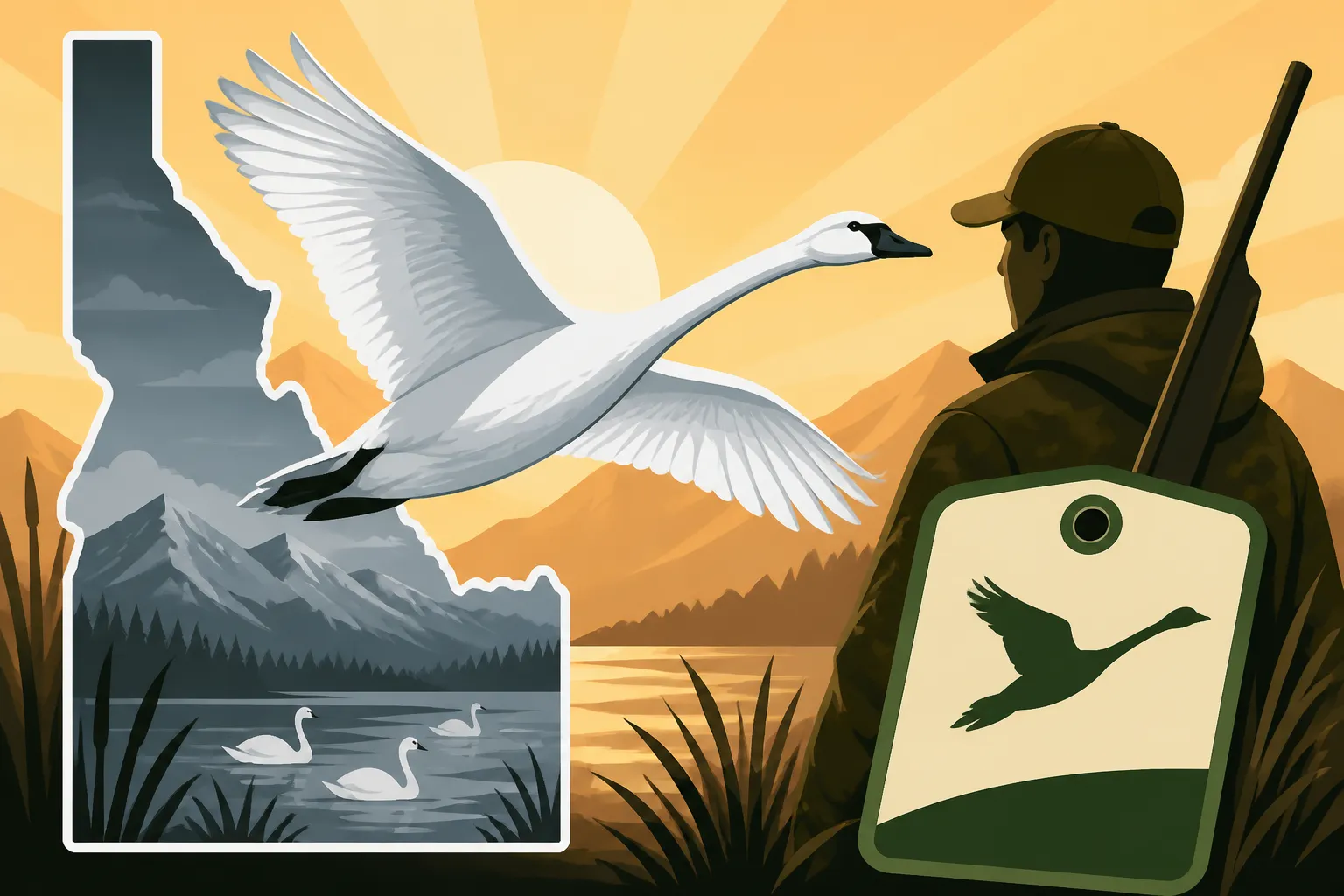
Hunting tundra swans in Idaho is a truly unique experience, a far cry from your typical duck or goose hunt. It's an opportunity that many waterfowl hunters dream of, but it’s also one that's tightly controlled to ensure healthy populations. The thrill comes not just from the hunt itself, but from the challenge of securing one of these limited permits.
Why Swan Permits Are a Big Deal in Idaho
Unlike general waterfowl seasons where you can usually buy a license and state migratory bird permit over the counter, swan hunting in Idaho operates under a very specific controlled hunt system. This isn't just about managing hunter numbers; it's a critical part of a broader conservation strategy for tundra swans. These majestic birds migrate through Idaho, often using the same migration corridors year after year, and state agencies work diligently to ensure their populations remain stable and thriving. Because of their unique status and the desire to provide a quality, sustainable hunting experience, the number of permits issued each year is quite limited. This scarcity makes drawing a swan permit feel like winning the lottery for many dedicated hunters. It's a testament to the fact that you're participating in a very special, managed hunt.
The Limited Entry System and What It Means for Hunters
When we talk about "limited entry" for swans, it means exactly what it sounds like: only a select number of hunters will get the chance to pursue these birds. This system is designed to distribute hunting pressure, maintain ethical harvest rates, and offer a high-quality experience. For you, the hunter, this means a few things. First, you need to be strategic and timely with your application. Second, you should understand that drawing odds can be tough, varying each year based on the number of applicants and available permits. This isn't a hunt you can decide to do on a whim. It requires forethought, planning, and a little bit of luck in the draw. It's part of the reason why many hunters put in for swan permits year after year, hoping their number finally comes up. It’s an investment in a potential hunt of a lifetime, making the anticipation of the drawing results almost as exciting as the hunt itself.
Navigating the Idaho Swan Permit Drawing Timeline
Getting your swan permit application in on time is half the battle. Missing a deadline means missing out entirely for the year, and nobody wants that. Idaho Fish and Game (IDFG) operates on a specific schedule for these migratory bird controlled hunts, and knowing those dates inside and out is crucial.
Key Dates for Application and Drawing
For Idaho swan permits, which fall under the migratory bird controlled hunt category, the application period typically runs from July 1st through August 10th. This is your window to get your application submitted. Mark it on your calendar, set reminders on your phone, and tell your hunting buddies! It’s one of those hard deadlines that, once passed, cannot be extended. The drawing itself usually takes place shortly after the application period closes. You can expect the results for swan permits to be posted by August 20th. This means you'll know relatively quickly whether you've been successful in drawing one of these coveted tags. Imagine the anticipation during those ten days between the application closing and results being posted – it's a mix of excitement and nervous energy. If you're also applying for other types of controlled hunts, you might find some useful overlap with the general controlled hunt calendar which typically runs from April through August for species like deer and elk.
How to Apply for an Idaho Swan Permit
The application process for an Idaho swan permit is fairly straightforward, but it does require attention to detail. You'll need to head over to the GoOutdoorsIdaho website, which is the official platform for all hunting and fishing licenses, tags, and controlled hunt applications in the state. First, ensure you have a valid Idaho hunting license. This is a prerequisite for applying for any controlled hunt permit. Once you're logged into your account, navigate to the controlled hunt application section and select the swan permit option. You'll need to choose your preferred hunt unit, as swan permits are often allocated to specific zones or units to manage local populations and hunting pressure. There will be a small application fee, which is standard for controlled hunts in Idaho. Double-check all your information before submitting, especially the hunt unit code, to avoid any errors that could jeopardize your application. It’s a good idea to ensure you're familiar with the general Idaho Waterfowl Season Framework before you dive into the application specifics.
Maximizing Your Chances and What Happens After the Draw
Once your application is submitted, it's a waiting game. But even during this period, there are ways to prepare and increase your understanding of the process. And once results are out, knowing what to do next is just as important as the application itself.
Researching Drawing Odds and Unit Choices
While there's no magic bullet to guarantee a draw, you can certainly make informed decisions. Many hunters find resources like GoHunt invaluable for digging into past drawing odds and harvest statistics. These platforms often aggregate data from IDFG, allowing you to see how many applicants there were for a particular swan hunt unit in previous years, and what the success rate was for drawing a permit. You might find that some units have slightly better odds than others, or that certain units offer a different quality of hunt. For instance, if you're hoping for a less pressured experience, you might target units with historically fewer hunters, even if the odds are slightly tougher. It’s all about doing your homework and choosing a unit that aligns with your hunting goals. Understanding these nuances can give you a slight edge in the highly competitive controlled hunt system, similar to how hunters often analyze data when picking between an Idaho A Tag and a B Tag for elk or deer.
Claiming Your Permit and Preparing for the Hunt
If the August 20th results bring good news and you've drawn an Idaho swan permit, congratulations! Your next step is to log back into your GoOutdoorsIdaho account and formally "claim" your permit. There will be a set deadline to do this, usually within a few weeks of the draw results being posted, so don't procrastinate. Missing this claim deadline could result in your permit being forfeited and potentially offered in a secondary drawing or leftover sale if available, though for swans, this is rare. Once claimed, you’ll receive your physical permit or a digital version to print. With permit in hand, the real fun begins: preparation. This involves detailed scouting of your chosen unit, researching swan behavior in Idaho, and ensuring all your gear is in order. Remember, there are specific rules about hunting migratory birds, including things like legal shooting hours and prohibitions on electronic calls for waterfowl, so familiarize yourself with the Idaho migratory bird regulations before you head out.
The Swan Hunt Experience in Idaho
Drawing a swan permit opens the door to a truly memorable hunting experience. It's a different rhythm than most other bird hunts, requiring patience, precise judgment, and an understanding of these magnificent birds.
Scouting and Setup for Tundra Swans
Tundra swans are big, intelligent birds, and successfully hunting them often comes down to meticulous scouting and a well-executed setup. These birds prefer large, open bodies of water or flooded agricultural fields where they can feed and roost. Before your hunt, spend time glassing potential areas. Look for their preferred feeding grounds, which often involve waste grain in fields or aquatic vegetation in shallow waters. Pay attention to their flight patterns and typical approach routes.
When it comes to setup, decoying is key. Large, visible decoys are essential – think goose decoys, or even specialized swan decoys, which can be quite imposing. A common spread involves setting up a group of 6 to 12 large, white decoys in an open area, mimicking a flock feeding or resting. Position your blind or concealment carefully, considering the prevailing wind direction, as swans, like most waterfowl, prefer to land into the wind. Concealment needs to be absolute; these birds have exceptional eyesight. A well-placed layout blind in a stubble field or a natural blind along a cattail edge can make all the difference. Sometimes, if hunting over water, a simple boat blind tucked into vegetation works best. Always check the specific regulations for your unit regarding baiting or using electronic calls, as these are generally illegal for migratory birds.
Essential Gear and Safety Considerations
For swan hunting, your gear choices are critical for both success and safety. A 12-gauge shotgun is the standard, and you'll want to use larger steel shot, typically BB, BBB, or T-shot, to ensure enough knockdown power for these large birds. Remember, lead shot is illegal for all waterfowl hunting. Good quality optics, like binoculars or a spotting scope, are invaluable for scouting and identifying swans from a distance, allowing you to confirm they are indeed tundra swans and not protected species like trumpeter swans. Dress in layers suitable for the often chilly, wet conditions of late fall and early winter waterfowl hunting. Waterproof outerwear is a must.
Safety, especially around water, is paramount. If you're hunting from a boat or near open water, always wear a life jacket. Be mindful of ice conditions if hunting late in the season. Always practice proper firearm safety, keeping the muzzle pointed in a safe direction and being absolutely sure of your target and what lies beyond. Given the size of swans and their flight patterns, they can present a challenging shot, so practice your swing and lead before the season. It’s also wise to carry a good field guide to bird identification to distinguish between legal tundra swans and federally protected trumpeter swans, ensuring you make an ethical and legal harvest.
Idaho Swan Permit Drawing Dates
To help keep all those critical dates straight, here’s a quick summary of the Idaho swan permit drawing timeline:
| Event | Start Date | End Date | Notes |
|---|---|---|---|
| Application Period | July 1st | August 10th | Apply online via GoOutdoorsIdaho. |
| Drawing Results Posted | August 20th | – | Check your GoOutdoorsIdaho account for status. |
| Permit Claim Deadline | ~August 31st | – | Claim your permit promptly to avoid forfeiture. |
Disclaimer
Please note: Hunting regulations and drawing dates are subject to change. Always consult the most current Idaho Fish and Game regulations for the exact dates and rules before applying for any permit or going afield. This information is provided for general guidance only.