Is Blaze Orange Required for Archery Hunting?
It's incredibly frustrating trying to keep up with all the specific regulations for hunting, especially when you cross state lines or delve into different weapon types. One question that pops up a lot, causing plenty of head-scratching among bowhunters, is whether blaze orange is required during archery season in Idaho. This guide is here to untangle that confusion once and for all, explaining Idaho's rules clearly so you can hunt confidently and safely.
Understanding Idaho's General Blaze Orange Requirements
Let's start with the big picture before we narrow down to archery. Idaho, like many states, has specific laws about wearing blaze orange or other highly visible colors, and these laws are put in place for a very important reason: hunter safety. It’s about making sure you’re seen by other hunters, especially when moving through dense timber or during periods of low light.
When Blaze Orange is Legally Mandated in Idaho
Generally speaking, when you're hunting big game during any season that allows for the use of centerfire rifles, muzzleloaders (without specific muzzleloader-only restrictions), or shotguns, you’re going to need to wear blaze orange. This applies to both residents and nonresidents. The legal requirement typically states a minimum amount of visible blaze orange clothing, usually a total of 36 square inches above the waist, visible from all sides, or a blaze orange hat.
Think about it this way: rifle seasons often involve hunters covering more ground, sometimes in areas where visibility can be limited by terrain or heavy foliage. The sound of a rifle shot can carry far, but visual identification is still paramount to preventing accidents. This is why you'll see a lot of hunters decked out in solid orange vests or jackets during these times. It’s not just a suggestion; it’s a legal mandate aimed at protecting everyone in the field. Ignoring this rule during a required season can lead to fines and even loss of hunting privileges, which is something no one wants to deal with after a long-awaited hunt.
Specific Situations Where Blaze Orange is NOT Required
While blaze orange is a staple for many hunting scenarios, there are indeed specific situations where it is not legally required in Idaho. The most prominent of these is during designated archery-only seasons. The very nature of archery hunting often relies on stealth, camouflage, and closing distances to within a few dozen yards. Wearing bright orange would, in many cases, negate the tactical advantage a bowhunter needs to get close to an animal.
Beyond archery-only seasons, there might be exceptions for certain small game or waterfowl hunting, where camouflage is also essential for success. However, the focus of this guide is big game, so understanding the distinction between general weapons seasons and archery-only seasons is key. It's crucial to always check the most current Idaho Fish and Game regulations for the specific unit and season you plan to hunt, as rules can sometimes have nuances or change from year to year. You can often find this information readily on the GoHunt website or through the official Idaho Fish and Game hunt planner.
Archery Hunting and the Blaze Orange Question in Idaho
Now, let's zero in on the specific query: Is blaze orange required for archery hunting in Idaho? This is where a lot of hunters get tripped up, and for good reason, as the answer isn't a simple yes or no in every single scenario.
The Direct Answer for Archery Seasons
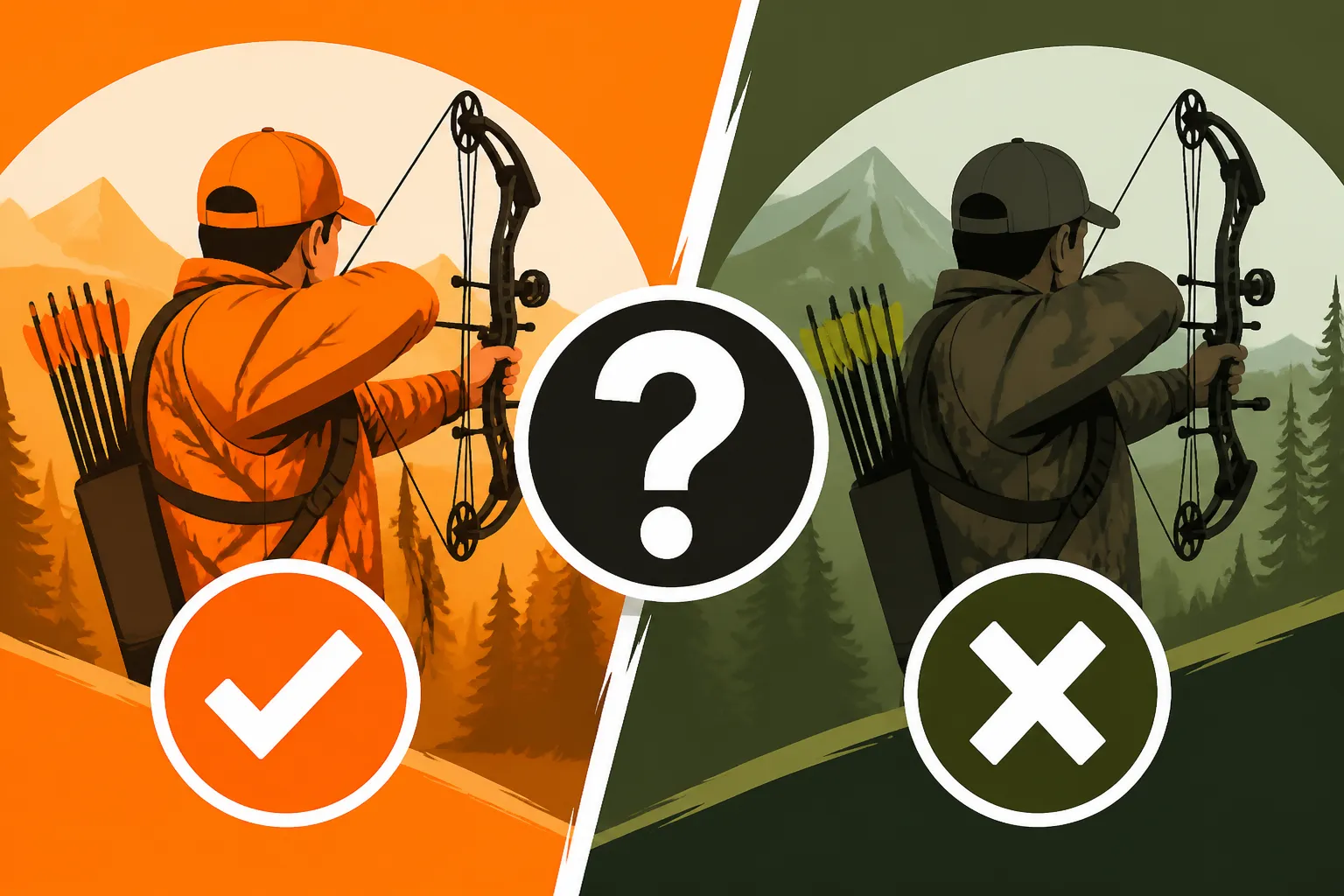
For dedicated archery-only seasons in Idaho, the legal answer is clear: no, blaze orange is not required. This is a huge relief for many bowhunters who dedicate countless hours to scouting, practicing, and fine-tuning their gear for stealth. The entire philosophy of bowhunting revolves around getting incredibly close to your quarry without being detected. Imagine trying to draw on a mature bull elk at 30 yards while wearing a bright orange vest – it's practically impossible, and frankly, defeats the purpose.
The Idaho Fish and Game Department recognizes this fundamental difference in hunting methods. Archery seasons are set up to prioritize the unique challenges and skill sets of bowhunting, which inherently rely on concealment and quiet movement. Mandating blaze orange during these specific seasons would be counterproductive to the very nature of the sport. So, during those crisp September mornings pursuing elk with your bow, you can confidently wear your full camouflage, knowing you’re in compliance with the law. Just be sure to always verify your specific hunt falls within an "archery-only" designation.
When an Archery Hunter Might Still Need Blaze Orange
Here’s where it gets a little more complex, and it’s a point often overlooked by enthusiastic bowhunters. While blaze orange isn't required during archery-only seasons, an archery hunter might absolutely need to wear it if they are hunting during an any-weapon season or a season that overlaps with general rifle hunting.
Let's paint a picture: perhaps you're hunting mule deer in a general season unit where both rifle hunters and archers are allowed afield. Even if you're carrying a bow, if the season is open to centerfire rifles, you are considered to be hunting during a period when blaze orange is required for hunter safety. In such a scenario, the responsibility falls on you, the hunter, to adhere to the most stringent safety requirements of the season. This often means donning that blaze orange vest or hat.
Another common situation is when an archery hunt extends into or overlaps with a muzzleloader season where blaze orange is mandated. For instance, if you're pursuing a late-season deer with your bow, but general muzzleloader hunters are also in the woods, you would need to wear blaze orange.
It’s about understanding the context of the hunt you're participating in, not just the weapon you choose to carry. This is a critical distinction for safety. You can get a lot of information on season dates and weapon restrictions through the official Idaho Hunt Planner, which is a fantastic resource for planning your trips. When reading the regulations, pay close attention to the "Weapon Type" column for your specific game management unit and hunt code. If it lists "Any Weapon" or "Muzzleloader," and you're out there during that timeframe, consider blaze orange a non-negotiable part of your gear, regardless of your bow in hand.
The Practical Side of Blaze Orange for Bowhunters
Even though the law doesn't always require blaze orange for archery, there's a strong argument to be made for its practical benefits and how it can contribute to a safer, more responsible hunting experience.
Prioritizing Safety Even When Not Required
Let's be real: public land hunting, especially in popular units, means you're almost certainly not alone out there. Even during archery-only seasons, you might encounter other bowhunters, shed hunters, hikers, or even mountain bikers. While you're focused on being as stealthy as possible, an accidental encounter could turn dangerous if you're not easily identifiable.
Consider walking in or out of your hunting spot in the pre-dawn darkness or post-sunset gloom. Your camo might blend perfectly with the environment, which is great for hunting, but terrible for visibility to other humans. Many seasoned bowhunters will carry a blaze orange vest or hat in their pack and only put it on when they are actively moving to and from their hunting stand or stalking area. Once they're in position, ready to hunt, the orange comes off. This simple practice dramatically reduces the risk of being mistaken for game by another hunter, especially if that hunter is moving through the same area. It’s about minimizing risk and being a good steward of the hunting grounds.
Balancing Stealth and Safety: Strategies for Bowhunters
So, how do you manage the need for stealth with the undeniable benefits of safety when blaze orange isn't legally required? It’s all about strategy and awareness.
One common approach, as mentioned, is to simply carry blaze orange with you and only wear it during travel. A lightweight blaze orange vest or even just a blaze orange beanie takes up minimal space and weight in your pack. As soon as you arrive at your chosen ambush point or begin your stalk, you can quickly stash it away.
Another strategy, particularly useful for those hunting in areas known for high human activity, is to use blaze orange in a way that doesn't compromise your immediate hunting efforts. For example, some hunters opt for camouflage patterns that subtly incorporate blaze orange or a similar high-visibility color, though this is less common and might not meet legal requirements if they were mandated. More practically, you can position yourself carefully. If you’re still-hunting or stalking, always be acutely aware of your surroundings, not just for game, but for other people. Use binoculars to scan ahead, and pause frequently to listen and observe.
For those planning their hunts meticulously, resources like GoHunt or even the Idaho Fish and Game website can show hunter density maps or general areas of higher pressure. Knowing where other hunters are likely to be can inform your decision on when and where to employ your blaze orange. Remember, being an effective bowhunter means being incredibly tuned into your environment. That awareness should extend to human presence as much as it does to game animals. Understanding things like Idaho Legal Shooting Hours for Big Game can also help you anticipate when other hunters might be most active.
Here's a quick reference table to help visualize the requirements:
| Hunt Type / Season | Blaze Orange Required? | Notes |
|---|---|---|
| Archery-Only | No | Not legally required for designated archery-only seasons. Stealth is key. |
| General Any Weapon | Yes | Required for seasons open to rifles/shotguns, regardless of weapon you carry. |
| Muzzleloader-Only | Check Regulations | Often required (e.g., specific rules on Open and Peep Sights Only in Muzzleloader-Only Hunts). Confirm specific rules for your hunt. |
| Overlapping Seasons | Yes | If your archery hunt overlaps with a general rifle or muzzleloader season where orange is required, wear it. |
| Private Land | Check Regulations | Landowner rules may vary; state law still applies if state-regulated. |
Key Idaho Hunting Regulations Beyond Blaze Orange
While understanding blaze orange rules is important, it's just one piece of the puzzle for a responsible hunter. Idaho has a comprehensive set of regulations designed to ensure safe, ethical, and sustainable hunting.
Hunter Education Requirements
Before you even think about stepping into the Idaho backcountry, you need to make sure you've met the state's hunter education requirements. If you were born on or after January 1, 1975, you are legally required to complete a hunter education course to purchase a hunting license in Idaho. This applies to both residents and nonresidents. There's a lot to learn in these courses, covering everything from firearm safety to ethical hunting practices and game identification. It's a foundational step that sets you up for success and safety in the field. If you’re new to hunting or need a refresher, make sure you know that Anyone Born After 1974 Needs Idaho Hunter Education. For those looking to try hunting before committing to full certification, Idaho even offers The Idaho Hunting Passport Lets You Try Before You Certify program.
Motorized Vehicle Rules and Game Retrieval
Idaho's vast public lands offer incredible hunting opportunities, but with that comes important rules about vehicle use. The state has strict regulations regarding motorized vehicles, particularly when it comes to off-road travel. Generally, you are prohibited from driving off established roads, trails, or designated routes when hunting. This rule is in place to protect wildlife habitat, prevent erosion, and maintain the wild character of these areas. This means you can't just drive your ATV or truck wherever you want to get closer to game or retrieve a downed animal.
This often leads to the challenging reality of Packing an Elk Out of Steep Country Alone, which is a physically demanding endeavor. Even if you harvest an animal a short distance off a road, you will likely need to physically retrieve it rather than driving directly to it. These rules are part of Idaho's Motorized Hunting Rule Keeps You on the Road. Always check the specific Motor Vehicle Use Maps (MVUMs) for the national forest or BLM land you plan to hunt, as they clearly delineate open and closed routes.
Tagging and Reporting Requirements
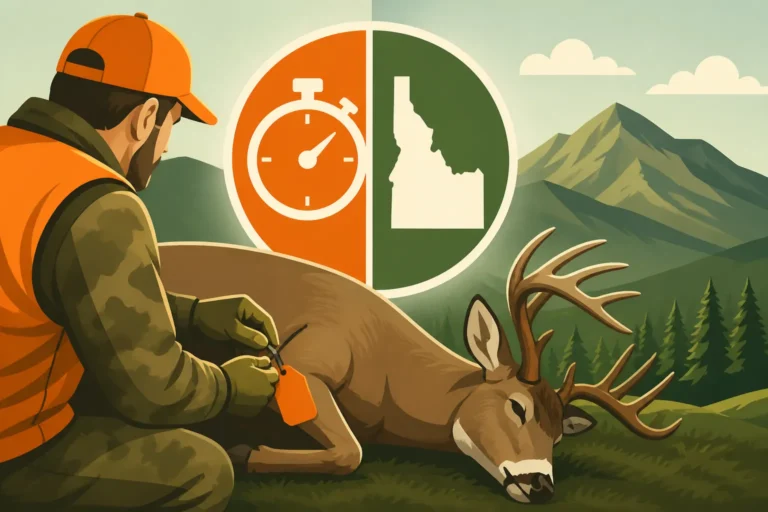
After the shot and a successful harvest, your responsibilities as a hunter don't end. Idaho requires that you immediately tag your downed big game animal. This involves physically attaching your notched tag to the carcass as soon as it's been field-dressed. The tag must remain with the meat until it reaches its final destination or is processed. This is a critical step for game management and ensuring legal harvest.
Beyond tagging, most big game harvests in Idaho require mandatory reporting. This can often be done online through the Idaho Fish and Game website or by phone, and it helps the state gather crucial data on harvest rates, population trends, and hunter success. Knowing how to correctly handle your animal post-harvest is part of being a responsible hunter, including understanding Field Dressing and Carcass Transport Rules Explained. Always make sure you understand the specific reporting deadlines and methods for the species you are hunting. Ignorance of these rules is not an excuse, and violations can lead to significant penalties.
Disclaimer
Please remember that hunting regulations can change, and it is always your responsibility to consult the most current Idaho Fish and Game regulations or official resources before heading into the field. This guide provides general information and should not be considered a substitute for the official regulatory documents.