Why Idaho Goat Tags Are So Few
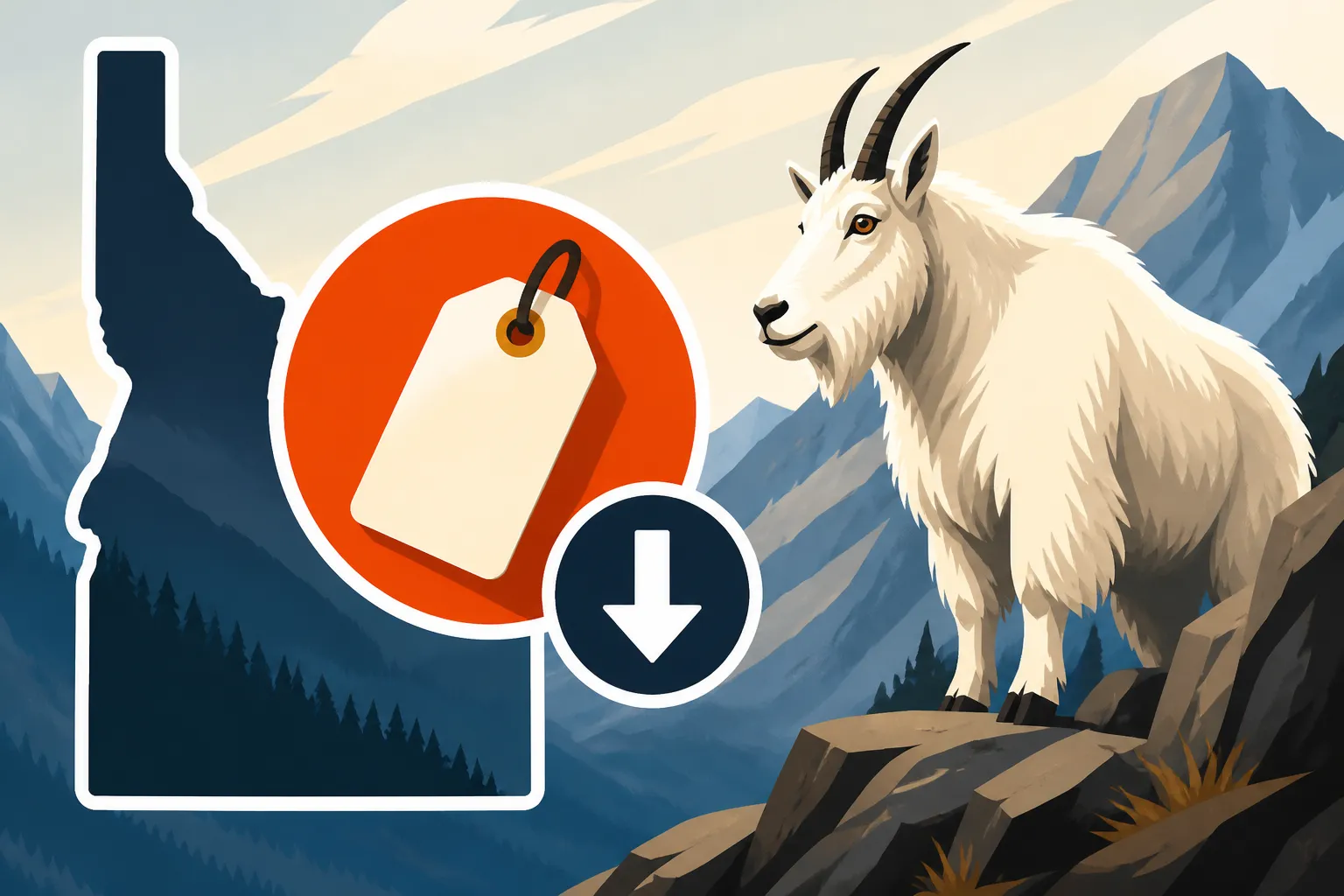
If you've ever found yourself staring at the Idaho controlled hunt regulations, dreaming of a mountain goat hunt, you've probably noticed something disheartening: the number of available tags is incredibly, almost painfully, small. It's a real gut punch when you see those single-digit allocations, and it can leave you wondering why such an iconic animal seems so utterly out of reach for most hunters. This guide is going to pull back the curtain on exactly why Idaho mountain goat tags are so few, exploring the delicate balance of biology, conservation, and demand that makes these hunts one of the most coveted big game opportunities in the state.
The Delicate Dance of Mountain Goat Biology and Habitat
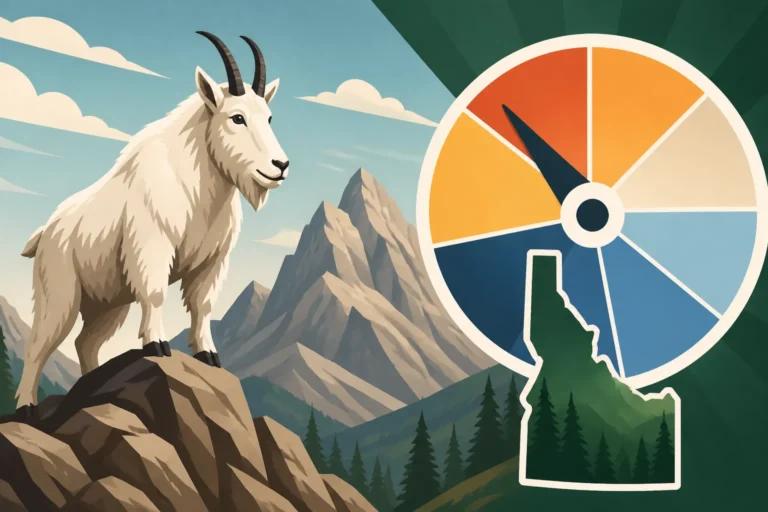
The primary reason Idaho goat tags are so scarce boils down to the inherent biology of these incredible animals and the demanding, isolated habitats they call home. Mountain goats aren't like elk or deer, which can thrive and reproduce relatively quickly across vast swaths of diverse terrain. Goats are specialized, and that specialization comes with its own set of vulnerabilities.
Slow Reproduction and Fragile Populations
Unlike many other big game species, mountain goats are notoriously slow to reproduce. A female mountain goat, known as a nanny, typically doesn't have her first kid until she's around three or four years old. After that, she usually only gives birth to a single kid each year, sometimes twins, but singles are far more common. Compare that to a whitetail doe that might have twins or even triplets annually after her first year, or an elk cow producing a calf every year from a younger age. This slow reproductive rate means that if a population takes a hit, whether from harsh winters, disease, or over-harvest, it takes a very long time for those numbers to rebound. Wildlife managers in Idaho must be incredibly cautious with harvest quotas to ensure these populations remain healthy and viable over the long term. Any miscalculation could set a herd back for decades.
Their social structure, while seemingly robust, also contributes to their fragility. Goats often live in small, isolated herds, tied to specific mountain ranges or even individual peaks. This isolation, while offering some protection from predators, also means that if a local population declines, there aren't many outside goats to easily move in and replenish the numbers. They're not migratory in the traditional sense, so cross-pollination between herds is limited. When you consider the vast, rugged, and often inaccessible terrain they inhabit, getting accurate population counts is also a monumental challenge, requiring painstaking aerial surveys and ground observations. This difficulty in precise population assessment further necessitates conservative management.
Specialized, High-Altitude Habitat Requirements
Mountain goats are true mountaineers, living their entire lives in some of the most extreme, rugged, and high-altitude environments Idaho has to offer. We're talking about rocky cliffs, steep alpine meadows, and windswept peaks well above timberline, often with snow present well into summer. This specialized habitat, while offering protection from many predators and human disturbance, is inherently limited. Not every mountain range in Idaho has the perfect combination of sheer escape terrain, mineral licks, and alpine forage that goats require. You'll find Where Idaho Mountain Goat Hunts Are Held in very specific, often remote, areas of the state.
Their diet, while varied within their niche, is also tied to these high-alpine environments, consisting of grasses, forbs, lichens, and shrubs. They are incredibly efficient at extracting nutrients from sparse vegetation, but this also means they are particularly vulnerable to habitat degradation or shifts caused by climate change or increased human recreational use. Any encroachment on their core habitat, or any significant disturbance during critical periods like kidding season, can have a disproportionate impact on their survival and reproductive success. The sheer unforgiving nature of their chosen home also means that winter mortality, especially for young kids, can be significant during particularly brutal seasons, further impacting population stability.
Conservation Strategies and Management Limitations
Given their biological constraints, Idaho's approach to mountain goat management is overwhelmingly conservative, prioritizing species conservation over maximizing hunting opportunity. This philosophy directly translates to the incredibly limited number of tags issued each year.
Conservative Harvest Quotas
Idaho Fish and Game (IDFG) sets extremely conservative harvest quotas for mountain goats. These quotas aren't designed to provide a "general season" experience for everyone; they are carefully calculated to ensure the long-term health and stability of each individual goat herd. This means that even in areas with seemingly healthy populations, the number of tags might still be very low, simply because managers want to err on the side of caution. They often implement strategies such as limiting harvest to specific age classes or sexes, or even closing areas to hunting entirely for several years if a population shows signs of decline.
The goal isn't just to maintain the current population, but to allow for potential growth and resilience against unforeseen environmental challenges. This is why you'll often see tag numbers in the single digits for an entire hunt unit, or even a few tags shared across multiple units. The focus is on quality over quantity, ensuring that the few hunters who do draw a tag have a good chance of success while leaving the vast majority of the herd undisturbed. It's a tough pill to swallow for eager hunters, but it’s a necessary one for the species' future. Understanding Idaho Mountain Goat Season Length Explained also helps illustrate the tight windows and often difficult conditions these limited hunts entail.
Controlled Hunts and Draw Odds
Because mountain goats are managed with such strict quotas, hunting them in Idaho is exclusively done through a controlled hunt system. There are no over-the-counter tags for goats, ever. This means every hunter interested in pursuing a mountain goat must apply in an annual draw, hoping their name is pulled from a hat alongside thousands of other hopefuls. As a result, the Idaho Mountain Goat Draw Odds Explained are notoriously low, often hovering in the fractions of a percent. For many, drawing a goat tag is truly a once-in-a-lifetime event, if it ever happens at all.
To put it in perspective, drawing a goat tag is often considered more challenging than drawing a coveted moose or bighorn sheep tag in Idaho, both of which also have incredibly long odds. The state also doesn't employ a preference point system for goats (or any other species, for that matter, as explored in Idaho Has No Preference Points, and What That Changes), meaning every applicant, from first-timer to seasoned veteran, theoretically has an equal chance each year. While this feels fair, it also means that consistent application year after year doesn't guarantee a draw; it's always a roll of the dice. Platforms like GoHunt are fantastic for researching these draw odds and historical data, helping you strategize where to apply.
The "Trophy Species" Factor and High Demand
Beyond the biological and management reasons, the perception of mountain goats as an ultimate "trophy species" significantly amplifies the demand for the few tags available. This elevated status makes drawing a tag even more competitive.
The Allure of a Once-in-a-Lifetime Hunt
For many hunters, a mountain goat represents the pinnacle of North American big game hunting. The sheer difficulty of the hunt itself—navigating treacherous terrain, enduring harsh weather, and the physical demands of hunting above timberline—adds to its mystique. A successful mountain goat hunt isn't just about the animal; it's about the adventure, the challenge, and the unparalleled experience of being in some of the wildest, most breathtaking country in the world. This allure drives an intense desire for a tag, making it one of the most applied-for species despite the slim odds.
This dream hunt status also influences how wildlife agencies manage these species. There's a strong sentiment among hunters and non-hunters alike that these animals should be preserved, and hunting should be a privilege, not a widespread opportunity. This cultural value reinforces the conservative approach to tag allocation, ensuring that the experience remains exclusive and the species robust. Many view a goat tag as a lifetime achievement, similar to a lottery win, and this deep-seated aspiration contributes to the high demand that consistently outstrips supply.
Comparing Against Other Trophy Species
Idaho is home to several other incredible "trophy species" that also require controlled hunt tags and come with challenging draw odds, such as moose and bighorn sheep. While all these species are highly sought after, mountain goats often stand out due to their unique habitat and the physical challenge they present. For instance, Idaho Moose Is a Controlled Hunt You Wait Years For, and Idaho Bighorn Sheep Draw Odds Explained also highlight species with very limited tags. However, even within this elite group, goat tags can often be the hardest to come by.
This comparison further underscores why mountain goat tags are so few. If other, more common big game species like elk and deer have general seasons and controlled hunts that offer hundreds or even thousands of tags, the handful of goat tags available speaks volumes about their rarity and the careful stewardship they receive. Hunters often spend years, even decades, applying for these tags, diligently checking results on platforms like GoHunt and planning their applications well in advance, sometimes starting as early as the Idaho Controlled Hunt Calendar, April Through August opens. It's a testament to the animal's mystique and the profound experience a successful hunt offers.
The Role of Research and Data for Aspiring Hunters
For those determined to pursue an Idaho mountain goat, understanding the "why" behind the limited tags is just the first step. The next is meticulous research and strategic application. Utilizing tools like The Idaho Hunt Planner Is the Tool to Start With can be invaluable. This official resource, along with third-party platforms like GoHunt, allows aspiring goat hunters to delve into historical draw odds, harvest statistics, and unit-specific information.
By poring over data on Idaho Mountain Goat Hunt Areas, you can identify which units have even a remote chance of being drawn, and understand the specific unit boundaries and terrain. While the odds will always be stacked against you, an informed application strategy can help. Some hunters focus on units with slightly higher tag allocations, even if the absolute numbers are still low, while others may apply to less popular units hoping for a dark horse win. Every year, it’s about making the most informed gamble possible in a highly competitive arena.
Planning for the Long Haul
Given the extreme rarity of Idaho mountain goat tags, any hunter hoping to draw one needs to be prepared for a marathon, not a sprint. This means consistent effort, a realistic outlook, and perhaps even exploring alternative paths to experience these majestic animals.
The Reality of Drawing a Tag
Let's be brutally honest: drawing an Idaho mountain goat tag is a long shot. For most hunters, it will take many years, perhaps even a lifetime, of consistent application before their name is finally drawn. Some may never draw one at all. This isn't meant to discourage, but to ground expectations in reality. The number of tags simply doesn't allow for widespread opportunity. Instead of viewing each application as a guaranteed outcome, it's healthier to see it as a small, annual investment in a dream. The thrill is in the possibility, and the patience required builds character.
It also means that physical preparation is paramount. Should you be one of the lucky few whose name gets drawn, you'll need to be in peak physical condition to tackle the unforgiving terrain of a mountain goat hunt. These are not hunts for the faint of heart or the out of shape. Start your training long before you even apply, knowing that when that email finally comes, you'll want to be ready to embrace the challenge fully.
Alternative Ways to Experience Mountain Goats
While drawing a hunting tag is the ultimate goal for many, it's not the only way to experience mountain goats in Idaho. For those who want to appreciate these animals and their habitat without waiting decades for a tag, there are incredible opportunities for wildlife viewing, photography, and backcountry exploration. Many of the same remote, rugged areas that hold huntable populations are also accessible to hikers, backpackers, and photographers willing to put in the effort.
Spending time in goat country, whether with binoculars or a camera, offers a profound connection to these animals and their extreme environment. It's a chance to scout potential hunt areas for the future, learn goat behavior, and simply revel in the beauty of Idaho's high country. This approach allows you to engage with the species and its habitat on a regular basis, providing a deep appreciation that might even surpass the thrill of a one-time hunt. Whether you're researching on GoHunt for future hunt units or planning a summer backpacking trip, these experiences are invaluable.
Disclaimer
This article is for general informational purposes only and does not constitute professional advice. Laws, prices and regulations vary by location and change over time. Consult a qualified professional for guidance on your specific situation.