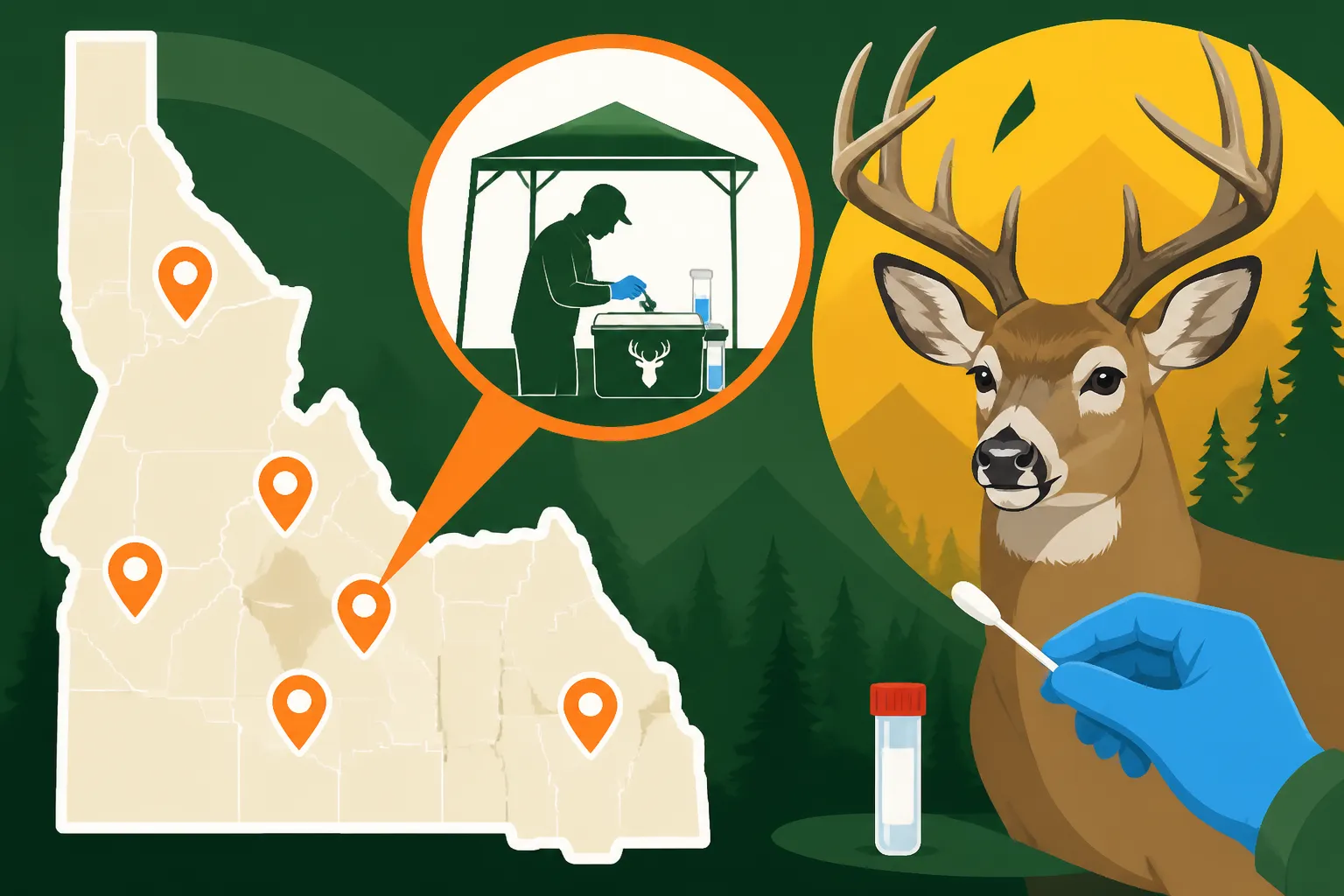
Where Idaho CWD Sampling Stations Are
The worry about Chronic Wasting Disease (CWD) is real for every hunter who loves Idaho's wild places. It's a disease that can devastate deer, elk, and moose populations, and none of us want to see that happen to the herds we cherish. Knowing exactly where and how to get your harvested animal tested is a critical step in helping manage and monitor CWD. This comprehensive guide will walk you through finding Idaho's CWD sampling stations and understanding the entire process, empowering you to do your part for wildlife health.
Understanding CWD and Why Testing Matters in Idaho
When you're out in the field, hunting is about so much more than just filling a tag; it's about connecting with nature and being a steward of the land and its creatures. That's why CWD, a neurological disease affecting cervids like deer, elk, and moose, is such a profound concern. It's an insidious illness that, once established, is incredibly difficult to eradicate, slowly degrading the health of entire herds.
What is Chronic Westing Disease?
Chronic Wasting Disease is caused by abnormal proteins called prions, not bacteria or viruses. These prions affect the brain and nervous system of infected animals, leading to characteristic symptoms like severe weight loss (wasting), neurological issues, excessive salivation, and abnormal behavior. The disease is progressive and always fatal. There's no cure, and it can take months or even years for an infected animal to show noticeable symptoms, making early detection through testing absolutely crucial. Think of it like a silent threat that can spread unnoticed until it's too late if we aren't actively looking for it. The long incubation period is precisely why sampling harvested animals is so vital – you can't always tell just by looking if an animal is infected.
The Importance of Monitoring and Surveillance
Idaho has been incredibly proactive in monitoring for CWD, aiming to detect its presence early and prevent widespread infection. Your participation in submitting samples from your harvested deer, elk, or moose is arguably the most important contribution any hunter can make to this effort. Without samples from successful hunters across various units and zones, wildlife managers would have blind spots, making it much harder to understand the disease's distribution and prevalence. This ongoing surveillance helps the Idaho Department of Fish and Game (IDFG) make informed decisions about herd management, potential regulation changes, and where to focus their efforts for containment. It's a collective responsibility, and every hunter who takes the time to submit a sample is essentially providing invaluable data that protects Idaho's wildlife for generations to come. This commitment to monitoring is part of a larger strategy to maintain healthy populations, which directly impacts our hunting opportunities down the line.
Finding Idaho's CWD Sampling Stations: Your Go-To Resources
Navigating the landscape of CWD sampling can feel a bit daunting, especially after a successful hunt when all you want to do is celebrate. Thankfully, Idaho Fish and Game has made significant efforts to make the process as straightforward as possible. Knowing where to look for official information and physical locations is your first step.
Online Resources and Mapping Tools
The absolute best place to start your search for CWD sampling stations is the official Idaho Fish and Game website. They maintain up-to-date, interactive maps and lists of designated drop-off locations. These resources typically show regional IDFG offices, check stations that operate during peak hunting seasons, and often include a network of authorized private processors and taxidermists who participate in the sampling program. Many hunters also find online mapping platforms like GoHunt invaluable for planning their hunts, and these often integrate or link to official CWD information, allowing you to cross-reference potential drop-off points with your hunting units. Always double-check the IDFG site directly for the most current information, as locations and operational hours can change, especially seasonally. You might find links to the Idaho Hunt Planner where this information is integrated.
Idaho Fish and Game Offices and Check Stations
Throughout the state, you'll find Idaho Fish and Game regional and subregional offices, many of which serve as year-round CWD sampling locations. These offices are staffed by knowledgeable personnel who can answer your questions and guide you through the process. During specific hunting seasons, especially those with high harvest rates, IDFG also operates temporary CWD check stations. These are often set up in strategic locations along major travel routes, making it convenient for hunters to drop off samples on their way home from a hunt. These check stations are usually well-advertised closer to and during the hunting season. Keep an eye on the IDFG news releases or their social media channels for announcements about these temporary sites. Dropping off a sample at one of these official locations ensures that trained professionals handle your sample, giving you peace of mind that it's correctly collected for analysis.
Private Processors and Taxidermists
Beyond the official IDFG locations, many private meat processors and taxidermists across Idaho are authorized to collect CWD samples. This network is a fantastic convenience for hunters, as you might already be taking your animal to one of these businesses for processing or trophy preparation. However, it's absolutely critical to call ahead to confirm if they are participating in the CWD sampling program for the current year and what their specific requirements and operating hours are. Don't just show up unannounced with a head in the back of your truck! They may have specific instructions on how they want the head presented or if an appointment is necessary. This collaboration between IDFG and private businesses significantly expands the accessibility of sampling, making it easier for more hunters to contribute to the CWD surveillance effort. Remember, proper preparation of your harvest is key, no matter where you submit your sample.
What to Expect at a CWD Sampling Station
Arriving at a sampling station with your harvested animal is a straightforward process, but knowing what to expect can ease any last-minute anxieties. The goal is efficiency and accuracy, ensuring that the critical samples are collected correctly without damaging your trophy.
Preparing Your Harvest for Sampling
Before you even leave your hunting area, you need to properly prepare your animal for CWD sampling. For most species (deer, elk, moose), the sample collected for CWD testing is typically from the lymph nodes located in the neck, or sometimes from the brainstem. This means you’ll need to bring the head, with at least a few inches of neck attached. Make sure to keep the head and neck cool, especially if you’re traveling a long distance or if the weather is warm. You can't just toss it in the back of a hot truck for hours on end; it needs to be protected to ensure the sample is viable. Consider packing it in a cooler with ice, or at the very least, keeping it in a shaded, well-ventilated area. If you're doing your own field dressing, be mindful of how you handle the head and neck to avoid contamination or damage to the sample area. Having your hunting license and tag information readily available will also speed up the process, as this data is essential for linking the sample to your specific harvest. You might also want to review Field Dressing and Carcass Transport Rules Explained before you head out.
The Sampling Process: What Happens to Your Animal
Once you arrive at a CWD sampling station – whether it’s an IDFG office, a check station, or an authorized processor – trained personnel will take over. They typically require the head and upper neck. They will verify your tag and hunter information, then proceed to carefully remove the necessary tissue samples. This usually involves taking the retropharyngeal lymph nodes from the neck or a section of the brainstem. These samples are small and precisely collected, so it won't impact your ability to process the meat or prepare a taxidermy mount. The staff will use clean tools and follow strict protocols to prevent contamination. You'll often be given a receipt or confirmation number that links you to your specific sample, allowing you to track your results. The whole process is generally quick and efficient, designed to get you on your way without unnecessary delays, but you might have to wait a bit if there's a queue of other hunters.
Receiving Your Results and Next Steps
After your sample is collected, it's sent to a specialized lab for analysis. The turnaround time for CWD test results can vary, depending on the volume of samples, the time of year, and lab capacity. It's usually a few weeks, but can sometimes be longer during peak hunting seasons. IDFG will typically notify you of your results, often via email or through an online portal where you can check your sample status using the confirmation number you received. If your animal tests positive for CWD, IDFG will contact you directly to discuss the implications and provide specific guidance on Carcass Transport Rules After a CWD Detection and disposal. While a positive test is rare and certainly disheartening, it's crucial information for wildlife management. In most cases, you'll receive a negative result, confirming that your animal was CWD-free, which is always a relief and reinforces the health of Idaho's herds. Hunters play a critical role here, as Mandatory Reporting After an Idaho Harvest is required for certain species, and this includes CWD testing when applicable.
Beyond the Stations: Hunter Responsibility and Carcass Management
Your role in CWD management doesn't end after you submit a sample. How you handle the rest of your harvested animal and conduct yourself in the field can have a significant impact on preventing the spread of this serious disease. It’s about being a responsible hunter and a good steward of Idaho’s incredible wildlife resources.
Carcass Transport Rules After a CWD Detection
One of the most critical aspects of preventing CWD spread is understanding and adhering to carcass transport rules. If CWD is detected in an area, specific regulations will often be put in place to limit the movement of certain parts of a harvested animal out of that area. This is designed to prevent the physical spread of prions to uninfected zones. Generally, hunters may only transport boned-out meat, cleaned skull plates (with no brain or spinal tissue), cleaned hides, and teeth from animals harvested in CWD-positive areas. The brain and spinal column, which contain the highest concentration of prions, are typically restricted. It's vital to check the current IDFG regulations annually, especially if you hunt near known CWD-positive zones, as these rules can change based on new detections or ongoing surveillance. Knowing these rules before you ever leave for your hunt can save you a lot of hassle and help you avoid inadvertently contributing to the disease's spread. These regulations are in place to protect the entire state's cervid populations, not just those in the unit you're hunting.
Disposing of Carcass Waste Responsibly
Proper disposal of carcass waste, particularly heads and spinal columns, is another cornerstone of CWD prevention. If you’ve harvested an animal and aren’t submitting the head for CWD testing (perhaps you're in an area not designated for mandatory testing), or if you're left with the skull and spine after sampling, responsible disposal is paramount. Simply leaving these parts exposed where scavengers can access them could potentially spread prions if the animal was infected. The best practice, if regulations allow and it's feasible, is to leave carcass parts (especially the brain and spinal column) at the kill site, ensuring they decompose naturally and are not transported. If you must dispose of parts elsewhere, burying them deeply or taking them to a permitted landfill that accepts such waste are often recommended. Avoid disposing of carcasses in public waterways, ditches, or along roadsides. This thoughtful approach to carcass disposal significantly reduces the risk of CWD prions entering new environments and helps safeguard our herds. The Meat Salvage Requirements for Big Game also tie into this, as you're expected to take all edible portions, but the disposal of the inedible parts is equally important for CWD management.
How Hunters Play a Vital Role
Ultimately, the fight against CWD is a team effort, and hunters are on the front lines. Your willingness to get involved, stay informed, and follow regulations makes an undeniable difference. By educating ourselves on CWD, actively participating in sampling programs, and practicing responsible carcass management, we become powerful advocates for wildlife health. Resources like GoHunt can help you stay informed about new regulations or CWD detections that might impact your hunting plans. It's about recognizing that our actions in the field have broader ecological consequences and embracing our role as conservationists. The future of hunting in Idaho, and the health of its magnificent deer, elk, and moose, depend on every hunter doing their part. Your commitment to these practices is a testament to your dedication to preserving Idaho’s natural heritage for all of us.
| Sampling Location Type | Key Features & Considerations | Typical Process | Best Use Case |
|---|---|---|---|
| IDFG Regional Offices | Often open year-round during business hours. Staffed by trained professionals. Reliable and consistent. | Bring head with upper neck. Provide license/tag info. Staff collect lymph nodes/brainstem. Receive confirmation. | Anytime during hunting season, especially for off-peak times or if no check stations are nearby. |
| Seasonal Check Stations | Operated by IDFG during peak hunting seasons (e.g., general rifle elk). Located strategically on travel routes. May have limited hours. | Similar to regional offices. Can be busy. Designed for high volume. | During general seasons, when passing through known check station locations on your way home from a hunt. |
| Authorized Processors & Taxidermists | Private businesses. Must call ahead to confirm participation and requirements. Convenient if you're already using their services. | Requirements vary by business (e.g., appointment needed, specific head prep). Hunter drops off head; business collects sample. | For hunters already using a processor or taxidermist, offering a convenient one-stop shop. Always verify in advance! |
| Self-Service Drop Boxes | Less common, but may be available in specific areas. Often just a collection barrel for heads. Requires accurate hunter info submission. | Place head in bag with provided forms. Deposit in box. | Remote areas where other options are limited, requiring hunter self-reliance and attention to detail. |
Disclaimer
This article is for general informational purposes only and does not constitute professional advice. Laws, prices and regulations vary by location and change over time. Consult a qualified professional for guidance on your specific situation.