Units That Get the Heaviest Hunting Pressure
It's a common frustration when you've put in the time and effort to scout an Idaho unit, only to arrive on opening weekend and find it crawling with other hunters. The dream of a quiet, solitary hunt for an elk or mule deer can quickly turn into a disheartening game of musical chairs, with everyone bumping into each other. This guide is here to help you understand which Idaho hunting units tend to draw the biggest crowds and, more importantly, equip you with strategies to either navigate those busy areas or find the solitude you crave.
Why Some Idaho Units See More Hunting Pressure Than Others
Before we dive into where the crowds are, let's talk about why certain units become magnets for hunters. It's not always about the biggest animals or the most plentiful game; often, it boils down to a combination of factors that make a unit simply more convenient or historically appealing. Understanding these underlying reasons is the first step in formulating your own hunting strategy.
Ease of Access and Road Systems
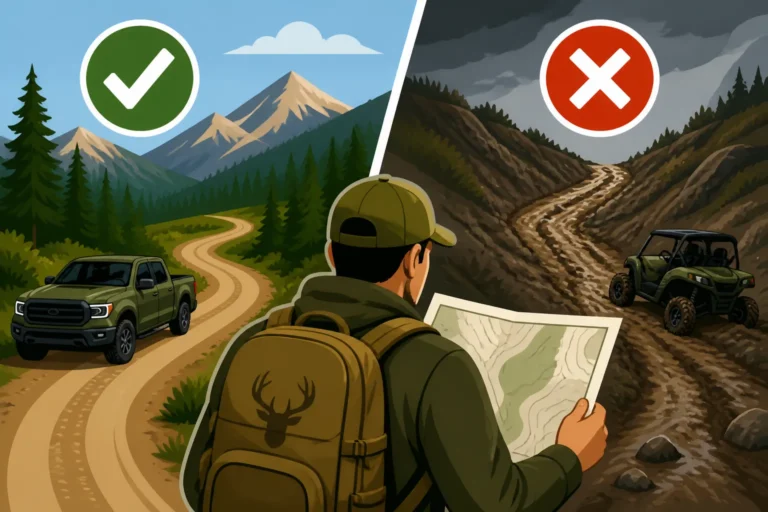
Imagine a unit crisscrossed by a well-maintained network of Forest Service roads, or one where major highways cut right through prime hunting ground. These are the units that almost inevitably see higher hunter densities. When you can drive your truck or ATV deep into a drainage, it opens up a huge amount of country to a larger number of people, including those who might not be able or willing to hike miles into the backcountry.
These extensive road systems mean that even areas that feel remote can be accessed by someone willing to take an hour-long drive down a gravel path. While Idaho does have rules about motorized travel, like Idaho's Motorized Hunting Rule Runs August Into December, many roads remain open, providing easy entry points. This accessibility is a double-edged sword: great for convenience, but terrible for finding peace and quiet, especially during the early days of a season. Hunters can spread out quickly from their vehicles, putting pressure on animals that might otherwise feel secure.
Reputation and Historical Success Rates
Let's face it, we all want to hunt where there's a good chance of success. Units that have a long-standing reputation for producing big bulls, trophy bucks, or simply high harvest rates tend to attract a lot of attention. Hunters talk, online forums buzz, and pretty soon, everyone wants a piece of that perceived pie. This isn't just hearsay; official data plays a huge role.
Idaho Fish and Game publishes harvest statistics, and hunters diligently pore over these reports, looking for units with high success percentages. This information, often found when Reading an Idaho Harvest Statistics Report or within tools like The Idaho Hunt Planner Is the Tool to Start With, becomes a self-fulfilling prophecy. A unit with a 30% elk success rate will draw far more interest than one with 5%, even if the latter might offer a more "fair chase" experience. Everyone wants to hunt a "good" unit, and sometimes, the definition of "good" simply means "where others have had success."
Proximity to Population Centers
This one might seem obvious, but it's often overlooked. Units that are within a reasonable drive of major cities like Boise, Idaho Falls, Coeur d'Alene, or even smaller towns with significant populations, will almost always experience higher hunting pressure. Think about the weekend warrior who wants to get out for a quick hunt without driving six hours. They're going to gravitate towards units that are an hour or two away.
These areas become popular for day trips or quick overnight hunts, especially during general seasons. While hunters from across the state and even non-residents might travel further, the sheer volume of local hunters heading to nearby units can create a significant increase in competition. If a unit is easily accessible from a population hub, you can bet that many others have the same idea, especially on opening day or prime weekend dates.
Identifying High-Pressure Units Before You Go
So, how do you figure out which units are going to be shoulder-to-shoulder, and which might offer a bit more breathing room? Luckily, there are several methods and tools available that can give you a pretty good idea of what to expect before you ever set foot in the field. Pre-season homework is crucial, and it can save you a lot of frustration later.
Analyzing Public Land Percentage and Access Points
It's a common misconception that more public land automatically means less pressure. While it can, it often depends heavily on how that public land is accessed. Units with a high percentage of public land but limited access points (e.g., one road in, one road out, or very steep, rugged terrain surrounding it) might concentrate hunters at those few entry points. Conversely, units with vast public lands that are riddled with roads can spread hunters out, but also attract more overall because of the perceived ease.
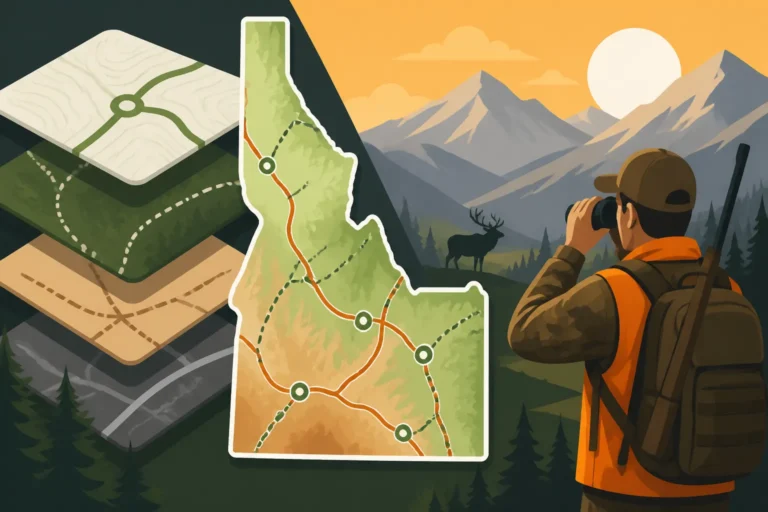
Tools like onX Hunt are invaluable here. They allow you to overlay public and private land boundaries, identify roads (including obscure two-tracks), and pinpoint trailheads. Pay close attention to areas where public land abuts private, as these interfaces often create natural funnels or popular access points. If you see huge blocks of public land with very few roads, or roads that dead-end far from amenities, those are usually good indicators of less pressure. However, if a massive tract of public ground has roads winding through every major drainage, it's likely to see plenty of traffic. The key is to look not just at how much public land, but how easily it can be reached. Looking into Units With the Highest Public Land Percentage can give you a starting point, but always zoom in on the access.
Scrutinizing Draw Odds and Tag Availability
One of the most reliable indicators of hunting pressure, especially for species like elk, deer, and antelope, is the type of tag required. General season, over-the-counter (OTC) tags will almost always lead to higher hunter densities compared to controlled hunt tags. Why? Because anyone can buy an OTC tag, whereas controlled hunts have limited numbers of tags awarded through a draw system.
If a unit offers general season elk or deer tags, particularly for any-weapon seasons, you can anticipate more competition. Hunters who don't draw a controlled tag often default to general units, swelling their ranks. Conversely, controlled hunts, by their very nature, limit the number of hunters in a specific unit or zone. While it might be harder to draw one of these coveted tags, the reward is often a less pressured, higher-quality hunting experience. When you're researching units, make sure to check Checking Idaho Drawing Odds Before You Apply. If the odds are incredibly low, it's a good sign that many people want to hunt there, but if you do draw, you'll be one of a select few.
Consulting Hunter Densities and Harvest Reports
Beyond just success rates, the actual number of hunters in a unit, as reported in harvest statistics, can be a huge tell. Idaho Fish and Game's annual harvest reports often include "hunter days" or "hunter numbers" for each unit. A unit with a high success rate and a high number of hunters suggests it's a popular spot. A unit with a similar success rate but fewer hunters might be a hidden gem or simply harder to access, thus reducing pressure.
Services like GoHunt compile and analyze this data, making it easier to compare units side-by-side. Don't just look at the percentage of successful hunters; look at the total number of individuals who hunted that unit. If Unit A has a 20% success rate with 1,000 hunters, that's a lot of orange vests out there. If Unit B has a 20% success rate with 200 hunters, your chances of finding solitude (and perhaps less spooked animals) are significantly better. This deeper dive into the numbers, often found when Looking Up Harvest Statistics by Unit, gives you a more nuanced understanding of actual pressure.
| Characteristic | High-Pressure Unit | Low-Pressure Unit |
|---|---|---|
| Access | Extensive road network, easy vehicle access. | Few roads, difficult terrain, long hikes required. |
| Reputation | Known for high harvest rates, large animals; popular. | Less publicized, might have lower overall success rates but concentrated quality. |
| Proximity | Close to major population centers. | Remote, long drive from cities. |
| Tag Type | General season, over-the-counter tags. | Controlled hunt tags, lower drawing odds. |
| Hunter Density | High number of reported hunters, many hunter days. | Low number of reported hunters, less competition. |
| E-Scouting | Shows numerous obvious access points, easy terrain. | Shows rugged terrain, limited trailheads, challenging routes. |
Strategies for Hunting Pressured Units (or Avoiding Them Entirely)
So, you've identified some units that are likely to be busy. Now what? You have a couple of choices: either lean into strategies that help you find success within those pressured areas, or pivot to find less crowded alternatives. Both approaches require a bit of planning and a willingness to adapt.
Hunting Mid-Week or Later in the Season
The easiest way to reduce competition in a popular unit is to simply avoid the busiest times. Opening day, especially if it falls on a weekend, is going to be a zoo. The first Saturday and Sunday of any general season are prime time for hunters to hit the woods. If you have the flexibility, try to hunt Monday through Friday. You'll often find that the weekday crowds are significantly smaller, as many hunters have returned to work.
Similarly, consider hunting later in the season. While the weather can be more challenging and conditions might be tougher, many hunters have filled their tags or simply given up by the mid-to-late season. Animals will also have settled into different patterns, often moving to thicker cover or less accessible areas, which plays into the hands of a determined hunter. For example, Late Season Whitetail Hunting in the Timber can be incredibly effective precisely because many fair-weather hunters have gone home. Embrace the cold, the snow, and the solitude.
Getting Away From Roads and Popular Trailheads
This is the golden rule for hunting pressured public land: go where others won't. Most hunters won't venture more than a mile or two from a road or a well-used trailhead. If you're willing to put in the physical effort to hike three, four, five, or even more miles into the backcountry, you'll dramatically decrease the competition and find animals that are less spooky.
This means being prepared for a serious packing job if you're successful. Think about what it takes when Packing an Elk Out of Steep Country Alone. Invest in good boots, a comfortable pack, and training to ensure your body is ready for the challenge. Look for drainages that don't have vehicle access, or find areas between popular trailheads that require significant cross-country travel. These "in-between" zones are often overlooked simply because they don't have an obvious starting point. Even small, overlooked pockets of cover, like a north-facing slope with dense timber, can hold animals seeking refuge from human activity. Remember, even a small increase in distance from the road can make a huge difference in animal behavior.
Targeting Overlooked Habitat or Species
Sometimes, success in a pressured unit isn't about where you hunt, but how you hunt or what you hunt. If everyone is glassing wide-open sagebrush hills for mule deer, consider still-hunting the dense timber pockets nearby for whitetails or mule deer that have pushed into the cover. Still Hunting Timber for Bedded Mule Deer can be a highly effective tactic in units where mule deer are otherwise pressured. Animals learn to avoid open areas when they feel the pressure and will seek sanctuary in the thickest stuff they can find.
Similarly, if you're focused solely on elk, but the unit also holds bear or even predators, consider adding those opportunities to your hunt. While not big game in the same way, diversifying your focus can make the trip more enjoyable, and it often leads to observing other game animals in the process. Sometimes just changing your approach to habitat will reduce pressure.
Utilizing E-Scouting and Satellite Imagery
Before you ever leave home, spend hours poring over maps, especially satellite imagery from tools like onX Hunt. Look for anomalies: small pockets of timber surrounded by open country, benches or saddles that offer hidden travel corridors, or obscure water sources that might not be obvious from the road. These are often places that get overlooked by hunters who rely solely on physical scouting or well-known spots.
E-scouting allows you to identify potential escape routes for game, areas of dense cover where they might bed, or overlooked feeding areas. You can find these spots even in units with high overall pressure. The goal is to identify micro-terrains that offer sanctuary within a larger, busy landscape. This level of detail is critical for E-Scouting an Idaho Unit Before the Season and giving you an edge.
Considering Less Pressured Alternatives
If the thought of battling crowds truly diminishes your hunting experience, then it might be time to consider units and approaches that inherently offer more solitude. Idaho has a lot of public land, and while some of it is heavily used, much of it still offers incredible backcountry experiences.
Exploring Remote Backcountry Units
Idaho is famous for its vast wilderness areas and roadless country. These units, by their very nature, deter all but the most dedicated hunters. They often require multi-day pack trips, either on foot or with horses, and demand a significant level of physical fitness and self-sufficiency. If you're looking for solitude, this is often where you'll find it.
Units that fall into the category of Backcountry Units That Require a Pack Trip are ideal. Think about the massive Frank Church-River of No Return Wilderness, where Hunting the Frank Church River of No Return means packing in for days. These areas might not have the highest harvest success rates overall, but the quality of the experience and the opportunity to hunt unpressured animals can be unparalleled. The challenge is real, but so is the reward.
Focusing on Public Land with Difficult Access
Not every remote area is a designated wilderness. Many units have significant portions of public land that are simply difficult to get to. This could mean areas with incredibly steep topography, dense regenerating timber that makes travel arduous, or even "landlocked" public parcels that require navigating private land with permission, or crossing public land via a long, arduous hike.
Using onX Hunt again, look for those green public land blocks that are not immediately adjacent to a road or a major trail. Sometimes these are Finding Landlocked Public Parcels that are technically accessible but require a long walk across other public ground or creative navigation. These areas are often passed over by the majority of hunters, leaving them ripe for those willing to put in the extra effort. The tougher the access, the lower the pressure almost universally.
Private Land Access Programs
While Idaho is largely a public land state, there are opportunities on private ground that can completely bypass the public land pressure. Programs like The Idaho Access Yes Program Explained are designed to open up private lands to public hunting, often through agreements with landowners. These properties can sometimes offer excellent hunting opportunities with significantly reduced competition, as access is managed and often limited.
Additionally, don't underestimate the power of simply asking for permission. While it can be daunting, knocking on doors or sending letters to landowners in units known for good hunting but dominated by private land can sometimes yield access to ground that sees very little hunting pressure. Understanding Getting Landowner Permission in Idaho is key, as is always respecting the landowner's wishes and property. Private land, when accessible, offers a completely different hunting dynamic, free from the crowds of public land.
Disclaimer
This article is for general informational purposes only and does not constitute professional advice. Laws, prices and regulations vary by location and change over time. Consult a qualified professional for guidance on your specific situation.