Idaho Winter Range Closures That Affect Scouting
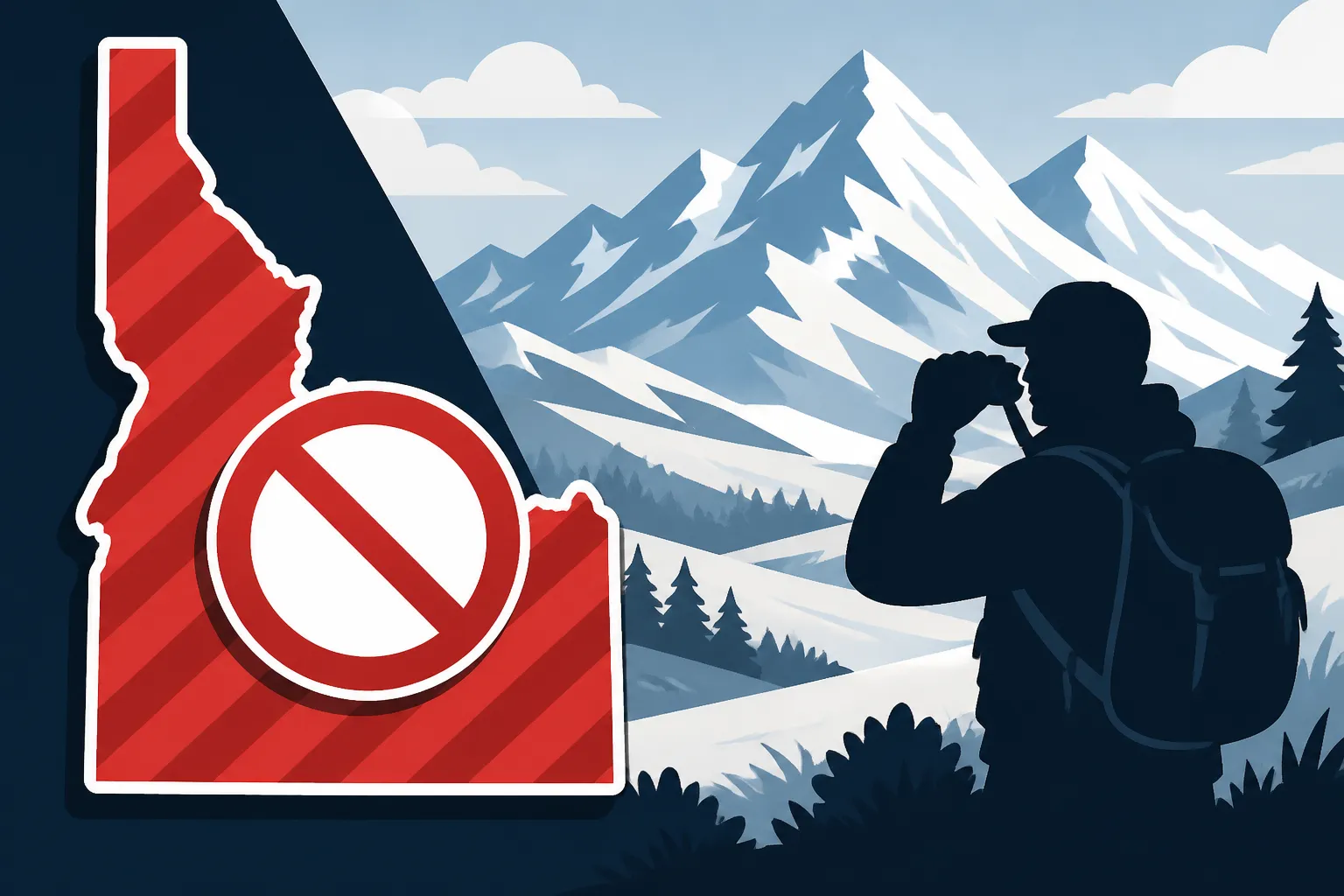
There's nothing quite like the itch to get out and scout, especially after a long winter, but for many Idaho hunters, that eager anticipation often clashes with the reality of winter range closures. It's incredibly frustrating to see a prime piece of habitat on a map, only to realize a gate is locked or a sign warns you away, all in the name of protecting wintering big game. This comprehensive guide will walk you through the ins and outs of Idaho's winter range closures, explaining why they exist, how to find them, and how you can still plan your hunts effectively around them.
Understanding Idaho's Winter Range Philosophy
Idaho's vast, wild landscapes are home to incredible herds of deer, elk, and moose. These animals, however, aren't immune to the harsh realities of winter. When snow piles deep and temperatures plummet, their survival hinges on finding safe, accessible areas with enough forage to sustain them until spring. That's where the concept of winter range comes in, and understanding its importance is key to appreciating why these closures are so critical.
Why Winter Range is Critical for Wildlife
Imagine living off stored energy, trudging through deep snow, and having very little to eat for months on end. That's the reality for Idaho's big game animals during winter. Winter ranges are specific areas, often at lower elevations or on sun-exposed slopes, where snow accumulation is typically less severe, and critical browse plants like bitterbrush, serviceberry, and sagebrush are more accessible. For elk, deer, and moose, these ranges aren't just convenient feeding grounds; they are absolute lifelines. Disturbances during this period, whether from vehicles, snowmobiles, or even people on foot, can force animals to expend precious energy fleeing, which they simply cannot afford to lose. This added stress can lead to starvation, increased susceptibility to disease, and ultimately, lower fawn and calf survival rates come spring. The health of these herds, and by extension, the future of hunting opportunities, depends heavily on their ability to weather the winter undisturbed.
The Role of Snowpack and Forage
The depth and duration of snowpack are enormous factors in a big game animal's winter survival. A light snow year might mean animals are less concentrated in traditional winter ranges, but a heavy snow year can force them into very tight quarters. When snow is deep, movement becomes incredibly energy-intensive. A deer or elk might burn significant calories just breaking trail, let alone searching for food. Forage availability is the other side of this coin. Even if animals can move, if the preferred plants are buried under snow or simply depleted, their condition rapidly declines. Undisturbed winter range ensures that whatever limited forage is available can be accessed and consumed without added stress. It's not just about what they eat, but how easily they can get to it without wasting vital energy. These ranges are often managed to enhance these critical food sources, providing a crucial buffer against harsh conditions.
Balancing Public Access with Wildlife Needs
This is where the rubber meets the road for many hunters. We love getting out, exploring, and scouting new areas, and the winter months, when many other activities slow down, can feel like a prime opportunity. However, the Idaho Department of Fish and Game (IDFG) and other land management agencies are tasked with a delicate balance: providing public access to lands we all own, while also fulfilling their mission to conserve wildlife for future generations. The closures are a direct result of this balancing act. It's a tough pill to swallow when you want to check out a new spot, but the long-term benefit of robust, healthy game populations far outweighs the short-term inconvenience of restricted access. Think of it as an investment in your future hunts – by giving the animals space now, you're helping ensure there are healthy animals to pursue next season. It's a fundamental tenet of wildlife management that sometimes human activity needs to be curtailed to protect the resource.
Types of Winter Range Closures in Idaho
Idaho's winter range closures aren't a one-size-fits-all situation. They vary by location, severity, and the specific goals of the land managers. Understanding the different types can help you interpret maps and signs more accurately, ensuring you stay on the right side of the rules and respect the wildlife.
Seasonal Road Closures
The most common type of winter range restriction you'll encounter in Idaho is the seasonal road closure. These are typically marked with gates, barriers, or clear signage stating that the road is closed to motorized vehicles during certain months. While the primary intent is to keep vehicles off these critical ranges, many of these closures also extend to other forms of recreation, often including snowmobiles, ATVs, and sometimes even mountain bikes. The goal is to minimize disturbance on specific migration corridors and feeding grounds. You'll often see these closures come into effect in early to mid-December and remain in place until late March or April, depending on snowpack and spring green-up. It's important to remember that a closed gate doesn't just mean "no driving;" it's a clear signal that this area is designated as crucial wintering habitat and that all forms of human disturbance should be avoided to protect the animals. You can usually find information on these within resources about Idaho's Motorized Hunting Rule and Where It Applies.
Area-Specific Closures (WMAs and other Designated Areas)
Beyond general forest or BLM road closures, many specific tracts of land, particularly Wildlife Management Areas (WMAs) and other designated critical habitat units, have their own, often more stringent, winter range rules. These areas are specifically acquired or managed by Idaho Fish and Game to provide sanctuary and forage for big game during the toughest months. On a WMA, for example, you might find entire sections closed to all public entry—not just vehicles—for an extended period. These boundaries will be clearly posted, and you’ll want to pay close attention to the dates. These specific closures are often designed to protect vulnerable groups like pregnant cow elk or fawns that are trying to gain strength. Each Idaho Wildlife Management Areas by Region can have slightly different regulations, so it's always worth checking the specifics for any WMA you're interested in.
Temporary and Emergency Closures
While many closures have set annual dates, Mother Nature doesn't always stick to a schedule. Idaho Fish and Game, in conjunction with other agencies like the Forest Service and BLM, has the authority to implement temporary or emergency closures if winter conditions become unusually severe. Imagine a winter with record-breaking snowfall or prolonged, extreme cold. These conditions can push already stressed animals to their limits. In such cases, additional areas might be closed, or existing closures extended, to provide even more sanctuary. These emergency measures are usually announced through local news, the IDFG website, and sometimes updated signage on the ground. Hunters and outdoor enthusiasts need to be vigilant for these sudden changes, as they can occur with little advance warning and are vital for preventing catastrophic wildlife losses during exceptionally harsh years.
| Closure Type | Primary Reason | Typical Duration | Access Restrictions |
|---|---|---|---|
| Seasonal Road Closures | Protect specific travel corridors | Dec-Mar/Apr (variable) | Motorized vehicles; often foot/bike too |
| Area-Specific (WMAs) | Protect critical feeding/bedding areas | Nov/Dec-Apr/May (variable) | All public entry (foot, vehicle, etc.) |
| Temporary/Emergency | Response to severe winter conditions | As needed, short notice (variable) | Can vary from road to full area closure |
Navigating Closures for Scouting and Access
Hitting a closed gate or sign can be a real buzzkill when you're fired up to scout. However, these closures don't mean your pre-season prep needs to grind to a halt. With the right tools and a bit of planning, you can still gather invaluable information and prepare for your hunts, even when physical access is limited.
Utilizing Digital Mapping Tools
Modern hunting has been revolutionized by digital mapping tools like onX Hunt and GoHunt, and they are absolutely indispensable when dealing with winter range closures. These platforms allow you to overlay various layers, showing you public and private land boundaries, roads, trails, and, crucially, often delineate officially recognized winter ranges and seasonal closures. You can literally sit at home, zoom in on your unit, and see which roads are typically closed and which areas are designated as off-limits during winter. This allows you to plan alternative routes, identify adjacent open areas, or simply understand where not to waste your time driving. Learning to effectively use Using onX Layers for Idaho Public Land is a game-changer for avoiding frustration and making the most of your scouting efforts. Before you even leave the house, you can identify potential access points that remain open, or areas that typically open earlier in the spring, allowing you to prioritize your in-person scouting trips.
Checking Official Idaho Fish and Game Resources
While digital apps are fantastic for a quick overview, always, always double-check with official sources for the most current and accurate information. The Idaho Department of Fish and Game (IDFG) website is your go-to resource. They will have detailed maps, news releases, and specific regulations outlining all current and upcoming winter range closures. It's not uncommon for dates to shift slightly based on actual winter conditions, or for a temporary closure to be implemented, so relying on outdated information can lead to frustration or, worse, a citation. Don't hesitate to call the regional IDFG office for the area you're interested in. A quick conversation with a local biologist or conservation officer can often provide clarity on specific boundaries, opening dates, and any nuances you might miss online. This step is non-negotiable for understanding Where the Current Idaho Regulations Are Posted and any real-time changes.
Respecting the Spirit of the Closure
Beyond the letter of the law, there's a strong ethical component to winter range closures. Even if a particular gate is unlocked, or you find a way around a barrier, if an area is designated as winter range, disturbing it can have significant negative impacts on wildlife. It's easy to think "just one truck" or "just one hiker" won't make a difference, but cumulative disturbance from multiple individuals can be highly detrimental. Think about the long-term health of the herds you hope to hunt. Healthy animals mean better hunting opportunities. Respecting the spirit of these closures shows good sportsmanship, supports conservation efforts, and helps maintain positive public perception of hunters. This isn't just about avoiding a ticket; it's about being a responsible steward of the resource. If you encounter an area clearly marked as winter range, even if it appears accessible, consider whether your presence is truly honoring the intent of the closure.
Planning Your Spring and Summer Scouting
Winter range closures might temporarily halt your boots-on-the-ground scouting, but they certainly don't mean you can't be planning and preparing. As the snow begins to melt, a whole new world of opportunities opens up, and smart hunters know how to leverage this transition.
When Winter Range Reopens for Spring Scouting
Patience is a virtue, especially in hunting, and it's particularly true when waiting for winter ranges to reopen. Generally, these areas will begin to open up in late March, April, or sometimes even early May, depending on the elevation and the severity of the winter. The exact timing is often dictated by local snowmelt, soil conditions (to prevent road damage from heavy vehicles on muddy tracks), and when biologists determine the animals have dispersed back to their higher elevation summer ranges and are no longer critically dependent on the winter grounds. While the main objective for the closure is to protect wintering game, the timing of reopening is also crucial for road maintenance and preventing significant resource damage during the thaw. Keep an eye on the IDFG website and local Forest Service/BLM offices for specific opening dates, as they can sometimes vary by a week or two depending on conditions. Understanding When Winter Range Reopens for Spring Scouting can help you time your initial trips perfectly.
Alternative Scouting Methods During Closures
Just because you can't physically drive or walk into a winter range doesn't mean you can't scout it. This is where modern technology truly shines. E-scouting is your best friend during these months. Platforms like onX Hunt and GoHunt, as well as Google Earth, allow you to pour over satellite imagery, identifying potential game trails, bedding areas, water sources, and escape routes. You can analyze terrain features, elevation changes, and vegetation types from the comfort of your home. Look for benches, saddles, and dark timber patches that might hold animals, or areas where different cover types meet. E-Scouting an Idaho Unit Before the Season can give you an incredible head start. Additionally, reading historical harvest reports and drawing odds (which platforms like GoHunt often compile) can give you a better understanding of game concentrations and typical movement patterns in certain units, informing where you might want to focus your efforts once access is permitted. Don't forget to talk to locals, if possible, who might have observed animals moving through areas near the closures.
Focus on Adjacent or Higher-Elevation Areas
While winter ranges are closed, it's often productive to shift your scouting focus to areas adjacent to these closures or to higher-elevation summer ranges that remain open. Animals don't just magically appear in their summer haunts; they migrate. Identifying key migration corridors, pinch points, and early-season forage on the edges of winter ranges can be incredibly valuable. Once winter ranges open, animals will begin to spread out, often following green-up to higher elevations. Knowing what these higher areas look like and what kind of forage they offer can help you anticipate where animals will go. Studying topographical maps to find basins, ridgelines, and benches that connect winter and summer ranges can help you understand the broader landscape. Don't overlook the opportunity to scout areas that are at a slightly higher elevation, which may not be part of the designated winter range and thus might be open to access earlier in the season. These higher grounds can provide valuable vantage points for glassing down into newly opened areas.
Common Misconceptions and Legalities
Despite clear signage and widespread information, some misconceptions about winter range closures persist. Being aware of these common misunderstandings can save you a headache and ensure you're hunting ethically and legally.
"Just Walking In" Is Not Always Legal
This is a big one. Many hunters assume that if a road is gated and signed "Road Closed to Motorized Vehicles," it automatically means foot or horse traffic is still allowed. This is not always the case, especially in designated winter range areas. Many specific closures, particularly on WMAs or other critical habitats, are blanket "No Entry" rules for all public access, regardless of mode of travel. The intent is to eliminate all human disturbance. Always read the signs very carefully. If it specifies "No Entry" or "Closed to All Public Access," that includes you on foot, on horseback, or even on a bicycle. Violating these closures, even unintentionally, can result in hefty fines and penalties, and it reflects poorly on the hunting community as a whole. Pay close attention when studying a Reading an Idaho Controlled Hunt Area Boundary as these can often encompass strict regulations.
The Impact of Early Snowmelt
Another common thought is, "The snow's all gone, so it must be open now, right?" Unfortunately, early snowmelt does not automatically mean a winter range closure will be lifted ahead of schedule. Most closures have set opening and closing dates that are determined months in advance, based on historical data and average conditions. While agencies can adjust these dates in response to extreme conditions, it's not a common occurrence for an early opening. Wildlife managers often prefer to stick to the pre-set dates to provide a predictable period of undisturbed recovery for the animals. Even if the snow is gone, the ground might still be saturated, making roads and trails highly susceptible to damage. Moreover, animals still need time to physically recover and disperse from their wintering grounds without the added stress of human presence.
Reporting Violations and Understanding Enforcement
Winter range closures are enforced by Idaho Fish and Game conservation officers, as well as Forest Service and BLM law enforcement. These officers regularly patrol closed areas, especially during the spring, to ensure compliance. If you witness a violation, such as someone driving past a closed gate or entering a clearly marked "No Entry" zone, it's important to report it. You can contact your local IDFG regional office or the Citizens Against Poaching (CAP) hotline. When reporting, try to gather as much detail as possible: vehicle description, license plate number, location, time, and a brief description of the activity. Reporting violations isn't "snitching;" it's protecting a shared resource and upholding ethical hunting standards. Enforcement of these rules is vital for the long-term health of Idaho's big game populations and helps ensure that the sacrifices made by law-abiding hunters are not in vain.
Disclaimer
This article is for general informational purposes only and does not constitute professional advice. Laws, prices and regulations vary by location and change over time. Consult a qualified professional for guidance on your specific situation.