The Idaho Access Yes Program Explained
One of the biggest headaches for any hunter in Idaho, whether you're chasing elk in the timber or mule deer on the breaks, is navigating the maze of private land. Just when you think you've found the perfect spot, you hit a locked gate or a string of "No Trespassing" signs. This guide will walk you through the Idaho Access Yes program, a fantastic initiative designed to unlock more hunting opportunities on private ground, giving you a clearer path to success.
The Persistent Challenge of Private Land Access for Hunters
Let's be honest, nothing crushes a hunting plan faster than encountering a "No Trespassing" sign where you least expect it. You've scouted, you've planned, you've driven for hours, only to find your carefully chosen entry point to prime hunting ground is now off-limits. This scenario is a common frustration for many hunters, transforming what should be an exciting pursuit into a frustrating logistical challenge. It's not just about finding game; it's often about simply finding legal ground to step foot on.
The Frustration of Locked Gates and Posted Signs
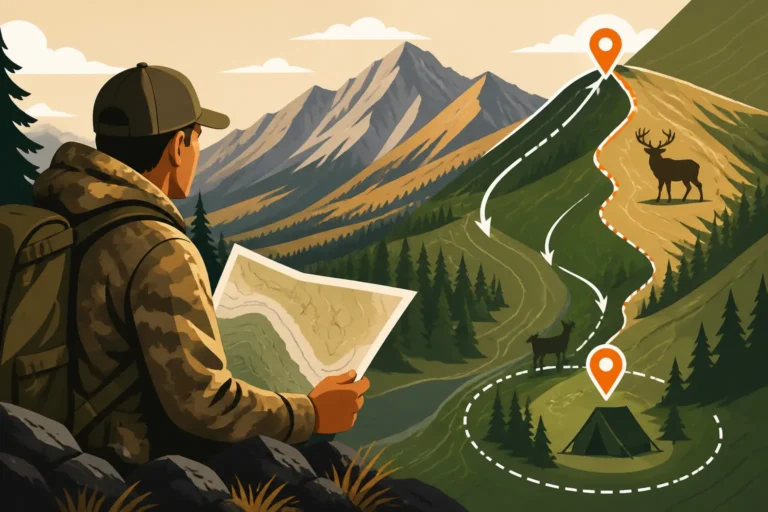
Imagine staring at a map, seeing a promising ridge line that connects directly to a section of public land you want to access, only to arrive and find it completely surrounded by private property, clearly marked with "No Hunting" or "No Trespassing" signs. It's a gut punch. These locked gates and posted signs aren't just obstacles; they represent lost opportunities and the disheartening reality that even with vast tracts of public land, key pieces of the puzzle can remain out of reach. This situation becomes particularly acute in areas where valuable agricultural lands or private timber holdings create a patchwork landscape, fragmenting otherwise continuous habitat.
The immediate reaction for many is often a feeling of exclusion or even resentment, but it's important to remember that landowners have every right to control their property. The challenge lies in creating avenues where these private rights can coexist with public hunting access. Without clear understanding and designated access points, hunters risk trespassing, which can lead to hefty fines and damage relationships between the hunting community and private property owners. It's a tightrope walk, and without a formal program, it often leaves hunters feeling like they're guessing in the dark.
Why Public Land Isn't Always Enough
Idaho is blessed with millions of acres of public land, from sprawling National Forests to BLM ground. However, even with this abundance, it's not always the complete answer to a hunter's access needs. Often, crucial winter range, critical migratory corridors, or productive agricultural fields that attract deer and elk are found on private land. These private parcels can form vital buffers or bridges between larger public land segments, essentially landlocking areas that would otherwise be accessible and highly desirable.
Consider a situation where a vast national forest backs up against a valley floor composed primarily of private ranches. While the forest might hold game, the animals often filter down to private ground for feeding or to escape hunting pressure, especially during severe weather or later in the season. Without access to these transition zones or wintering areas, hunters are limited to pursuing game in less productive or more pressured environments. This is where programs like Access Yes step in, recognizing that integrated access across both public and private boundaries is essential for a well-rounded and successful hunting experience. It’s about more than just square miles; it’s about strategic access.
The Legalities of Trespass and Hunter Responsibility
Understanding the rules around private property is paramount for any hunter venturing into Idaho's landscapes. Ignorance of the law is never an excuse, and violating trespass laws can lead to severe penalties, including fines, loss of hunting privileges, and even property forfeiture. In Idaho, it's the hunter's responsibility to know exactly where they are and to ensure they have legal access to any land they intend to hunt or cross. The state's Trespass Law on Posted Idaho Property makes it clear: if a property is legally posted with "No Trespassing" signs or fenced, you cannot enter without explicit permission.
This means you can't just assume. You can't just follow game across a fence line. Every hunter has a legal and ethical obligation to identify land ownership before entering. This is where digital mapping tools like onX Hunt become absolutely indispensable. They provide detailed land ownership overlays that can literally be the difference between a legal hunt and a costly citation. Always confirm your location, respect all signage, and if there's any doubt, err on the side of caution. Upholding these responsibilities is not just about avoiding legal trouble; it's about maintaining the integrity of hunting and ensuring that landowners continue to be willing partners in programs like Access Yes.
What Exactly Is Idaho's Access Yes Program?
Given the complexities of private land access, the Idaho Department of Fish and Game (IDFG) developed the Access Yes program as a proactive solution. It's not a new concept in hunting states, but Idaho's version has grown significantly, becoming a lifeline for many hunters seeking additional places to pursue game. At its heart, Access Yes is a voluntary, incentive-based program that pays private landowners to open their property for public hunting and fishing. It's a win-win: landowners get compensation and protection, and hunters get more places to hunt.
A Partnership for Public Access
The Access Yes program is essentially a handshake agreement between the IDFG and private landowners across the state. The department recognizes that private property owners are often crucial stewards of wildlife habitat, and by partnering with them, they can unlock access to thousands of acres that would otherwise be closed to the public. Funds for this program primarily come from hunter and angler license fees, which means every license purchase directly contributes to expanding access opportunities. This direct funding model ensures that the hunting community is actively investing in and benefiting from these partnerships.
Landowners who enroll in Access Yes receive financial compensation, which can vary based on the acreage enrolled, the type of access provided, and the quality of hunting opportunities available. This compensation helps offset potential impacts of public access, such as increased maintenance or minor disturbances. It's a practical recognition that providing access comes with costs for the landowner, and this program helps to make it worthwhile for them to open their gates. It's about building bridges, not burning them, between private property rights and public recreational interests.
How Landowners Benefit from Participation
While financial compensation is a significant incentive for landowners to join Access Yes, it's far from the only benefit. The program also offers participants substantial liability protection. In many cases, landowners worry about the legal ramifications if a hunter or angler gets injured on their property. Access Yes provides legal assurances and clarifies the landowner's responsibilities, often under Idaho's recreational use statutes, which limit liability for injuries to recreational users who don't pay a specific fee for entry. This peace of mind is invaluable for many.
Beyond compensation and liability protection, Access Yes can also provide landowners with assistance in managing wildlife on their property. This might involve working with IDFG biologists to address specific wildlife challenges, such as overpopulation of deer or elk that might be causing crop damage. The program can facilitate specific Idaho Depredation Hunt Opportunities if needed, directing hunters to help manage herds in a controlled manner. Ultimately, it allows landowners to be part of a larger conservation effort, knowing that their property contributes to public recreation and healthy wildlife populations, often with the added benefit of reduced nuisance wildlife issues.
Types of Access Provided Through the Program
The beauty of Access Yes is its flexibility, offering various types of access tailored to both landowner preferences and hunter needs. Not all Access Yes properties are created equal, and understanding the different designations is key to planning your hunt. The most common type is "Walk-In Access" (WIA), which means you can park your vehicle in a designated area and proceed on foot. This is fantastic for those looking for a quiet, low-impact hunt, or trying to access more remote corners of a property.
Other agreements might include "Limited Vehicle Access," where specific roads or two-tracks are open to vehicles, but often with restrictions on off-road travel. There are also properties designated for specific activities, such as "Hunting Only" or "Hunting and Fishing." Some agreements might even specify particular species, seasons, or weapon types. Each Access Yes property will have clear signage and often a kiosk detailing these specific rules. It's imperative to read these signs carefully and adhere to them without exception. This ensures the program remains viable and that landowners continue to participate, building trust and opening up future opportunities for everyone.
| Access Type | Description | Hunter Implications |
|---|---|---|
| Walk-In Access (WIA) | Hunters must park at designated access points and proceed on foot. No motorized vehicles, ATVs, or bicycles are allowed beyond the parking area, unless specifically stated. Often applies to agricultural fields, riparian zones, or timbered slopes. | Ideal for stealthy hunters, bowhunters, or those seeking less pressured areas. Requires good physical conditioning and the ability to pack out game. Check specific rules for dogs or equipment. This is a common and highly valued type of access for Still Hunting Timber for Bedded Mule Deer or stalking elk. |
| Limited Vehicle Access | Specific designated roads or trails on the property are open to motorized vehicles (trucks, ATVs, UTVs). Off-road travel is strictly prohibited. These areas are usually marked with signs indicating permissible routes. | Convenient for accessing larger parcels or retrieving game, especially on properties with extensive road networks. Crucial to stay on marked paths to avoid damaging fields or disturbing sensitive areas. Always verify vehicle restrictions and dates, as these can be seasonal. Remember Idaho's Motorized Hunting Rule Keeps You on the Road. |
| Hunting Only | The property is enrolled specifically for hunting activities. Other recreational uses like hiking, bird watching, or shed antler hunting might be restricted or require separate permission. | Focuses purely on hunting opportunity. Always clarify if shed hunting or other activities are allowed outside of hunting seasons. These properties are often strategically located for specific game species. |
| Hunting & Fishing | The property allows both hunting and fishing, where applicable (e.g., properties with streams or ponds). | Offers combined recreational opportunities. Great for multi-sport enthusiasts or those wanting to extend their outdoor experience. Verify fishing regulations for specific water bodies on the property. |
| Restricted Species/Season | Access may be limited to hunting specific game species (e.g., deer only, or upland birds only) or only during certain seasons (e.g., archery season only). | Requires careful attention to the posted rules to ensure you are hunting legally for the intended species during the correct time frame. Do not assume general season rules apply universally to Access Yes parcels. |
How Access Yes Benefits Hunters and Landowners
The Idaho Access Yes program isn't just a feel-good initiative; it delivers tangible benefits to both the hunting community and the private landowners who participate. For hunters, it's about breaking down barriers and opening doors to new territory. For landowners, it's about receiving support and recognition for their role in Idaho's wildlife tapestry. This reciprocal relationship is the bedrock of its success and continued growth.
Expanding Hunting Opportunity on Private Ground
Without a doubt, the most direct benefit for hunters is the sheer increase in accessible hunting land. Idaho's Access Yes program, through its agreements, How Many Acres Idaho's Access Yes Covers, opening up properties that would otherwise be completely off-limits. This is especially vital in regions where private holdings dominate the landscape, such as agricultural valleys, riparian corridors along rivers, or vast private timberlands. Suddenly, areas that were once a blur of "No Trespassing" signs become viable hunting grounds, often holding game that has been less pressured than animals on adjacent public lands.
This expansion of opportunity means more options for hunters, from those seeking easy-to-access bird hunting in agricultural fields to big game enthusiasts looking for strategic pathways to connect with otherwise landlocked public ground. For instance, an Access Yes parcel might provide the only legal entry point to a remote block of BLM land, transforming an unreachable area into a potential backcountry haven. It empowers hunters to explore new territories, diversify their hunting strategies, and ultimately, increases their chances of a successful and fulfilling experience.
Reducing Pressure on Public Lands
Another significant, though often less obvious, benefit of Access Yes is its role in alleviating hunting pressure on Idaho's public lands. When hunters have more options and places to spread out, the concentration of hunters on any single piece of public ground tends to decrease. This redistribution of effort can lead to a more enjoyable experience for everyone, reducing crowded trailheads, fewer encounters with other hunters in the field, and potentially, less wary game.
Imagine the opening weekend of general elk season in a popular unit. If a substantial portion of hunters can find access on nearby Access Yes properties, it lessens the impact on the national forest or BLM parcels that would otherwise bear the brunt of the hunting pressure. This can lead to longer periods of productive hunting on public land, as game animals are not immediately pushed out or made nocturnal by high hunter density. It's a system that, when utilized effectively, can enhance the quality of hunts across the board, making both public and private lands more sustainable for hunting.
Supporting Wildlife Management Through Collaboration
The Access Yes program isn't just about hunter access; it's a critical tool for holistic wildlife management in Idaho. By fostering collaboration between IDFG and private landowners, it allows for more flexible and targeted management strategies. For example, if a particular area is experiencing higher-than-desired deer or elk populations that are causing significant crop damage on private land, Access Yes can facilitate controlled hunting access on those specific parcels to help manage the herd. This localized approach can be much more effective than broad regional regulations alone.
Furthermore, many Access Yes properties encompass vital wildlife habitat, such as calving grounds, winter ranges, or migration corridors. By enrolling these lands, landowners are indirectly contributing to broader conservation goals, often with guidance and support from IDFG biologists. This ensures that these critical areas, even when privately owned, are managed in a way that benefits wildlife populations statewide. It's a testament to the idea that responsible hunting and private land stewardship can work hand-in-hand to ensure the health and abundance of Idaho's incredible game species for future generations.
Finding and Using Access Yes Properties Responsibly
So, you're convinced that Access Yes is a game-changer. The next step is knowing how to find these precious parcels and, just as importantly, how to use them respectfully and responsibly. Access Yes properties are a privilege, not a right, and their continued existence hinges on hunters demonstrating impeccable ethical behavior.
Locating Access Yes Sites Using Digital Tools
Gone are the days of driving around hoping to spot a green Access Yes sign. While those signs are still crucial for on-the-ground identification, modern technology makes finding these areas incredibly efficient. The Idaho Fish and Game website is your primary resource; they publish maps and lists of all enrolled properties, usually updated annually. This is your first stop for planning.
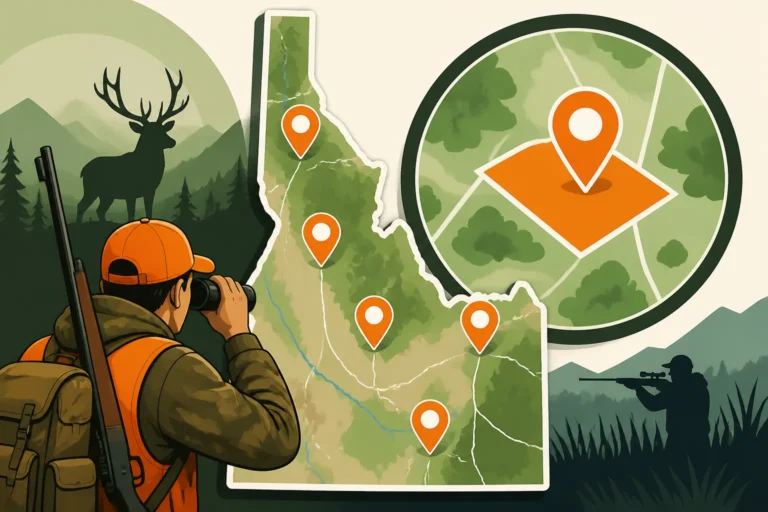
However, for real-time navigation and precise boundary information in the field, digital mapping apps are your best friend. onX Hunt is arguably the gold standard, providing detailed land ownership overlays, including Access Yes parcels, directly on your phone or GPS device. You can see property boundaries, public land, private land, and even the specific Access Yes agreement type (e.g., walk-in only) right in the palm of your hand. Another excellent tool for researching hunt units, including access opportunities, is GoHunt. Both platforms help you visualize the landscape, understand access points, and ensure you're always on legal ground. Always download your maps for offline use before heading into areas with no cell service, which, let's be honest, is most of Idaho's best hunting country.
Understanding and Respecting Site-Specific Rules
Finding an Access Yes property is only half the battle; the other half is understanding and rigorously adhering to its specific rules. Unlike general public land regulations, Access Yes properties often come with unique stipulations set by the landowner in agreement with IDFG. These can include:
- Designated Parking Areas: You must park where indicated. Don't block gates or driveways.
- Weapon Restrictions: Some properties might be archery-only, or prohibit certain firearms due to proximity to residences or livestock.
- Vehicle Use: Clearly defined as walk-in, limited vehicle, or no vehicle. Never drive off established roads or trails unless explicitly permitted. Remember Idaho's Motorized Hunting Rule Runs August Into December on many public lands, and similar restrictions often apply to Access Yes properties.
- Open Dates: Access might be limited to specific seasons or dates.
- No Camping/Fires: Most Access Yes properties prohibit camping or open fires.
- No Littering: Pack out everything you pack in, and then some.
- Respect Livestock and Property: Do not disturb livestock, damage fences, or leave gates open.
Failing to follow these rules is not just a breach of etiquette; it can lead to the landowner withdrawing from the program, effectively closing that access point for everyone. Every hunter using these lands is an ambassador for the hunting community. Adhering to Access Yes Rules Hunters Must Follow is critical to the program's success.
The Future of Access Yes and Hunter Engagement
The long-term success and expansion of the Access Yes program are intrinsically linked to the actions of individual hunters. Every time a hunter uses an Access Yes property responsibly, they reinforce the value of the program to the landowner and the IDFG. Conversely, instances of disrespect, littering, or rule-breaking jeopardize future opportunities. This is why hunter engagement, not just in funding the program through license purchases but also through exemplary behavior, is so vital.
Looking ahead, continued support from hunters is paramount. This means not only buying your license and tags but also being vocal advocates for programs like Access Yes, educating fellow hunters, and self-policing the community. The more hunters demonstrate respect and appreciation for these private land opportunities, the more likely landowners will be to continue their participation, and even more will consider joining. It’s a collective responsibility that ensures we can continue to enjoy Idaho's diverse hunting opportunities, whether on vast public tracts or through the generous access provided by the Access Yes program.
Disclaimer
This article is for general informational purposes only and does not constitute professional advice. Laws, prices and regulations vary by location and change over time. Consult a qualified professional for guidance on your specific situation.