Trapping License Requirements for Resident Hunters
Learning the ropes of hunting in Idaho can feel like trying to untangle a fishing knot in the dark, and for resident trappers, the rules around licenses and permits often add another layer of complexity. It's frustrating to want to get out on the line and contribute to furbearer management, only to be bogged down by what feels like a bureaucratic maze. This guide is here to cut through that confusion, giving Idaho resident hunters a clear understanding of exactly what trapping license requirements they need to meet to pursue furbearers legally and ethically in the Gem State.
Understanding Idaho's Trapping Landscape for Residents
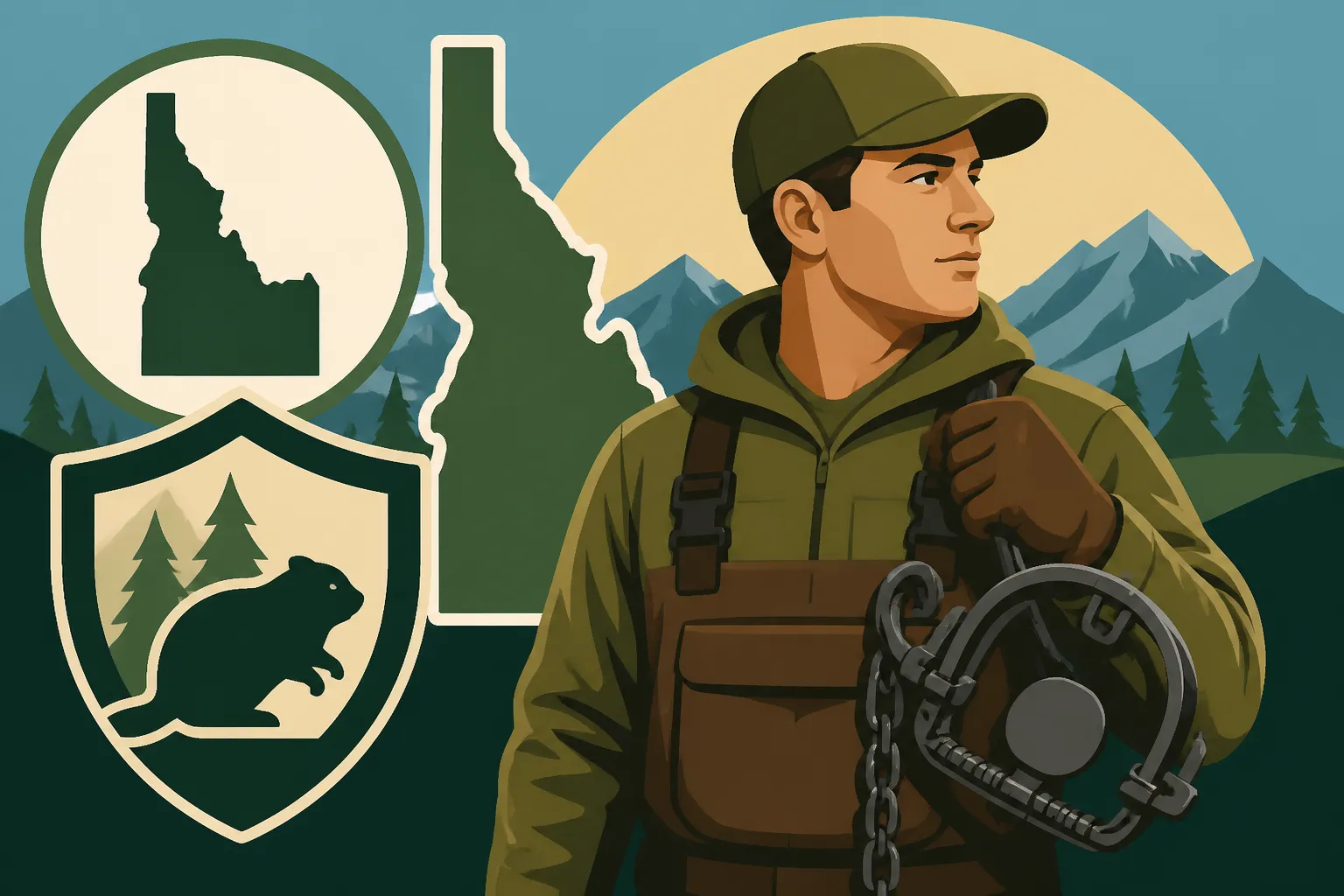
Trapping is a time-honored tradition in Idaho, a method of interacting with wildlife that demands specific knowledge, ethical considerations, and, of course, the right paperwork. For residents, it’s not just about having a general hunting license; there’s a distinct path to follow to ensure you’re operating within the law when you set your first trap.
The Basic Resident Hunting and Trapping License
First things first: as an Idaho resident, you'll need more than just your standard big game tag or upland bird stamp to start trapping. The foundational requirement is typically a combination license that includes trapping privileges, or a dedicated trapping license. This isn't just a formality; it’s how Idaho Fish and Game ensures that individuals engaging in trapping understand the responsibility involved and are accounted for in management efforts. This base license generally covers common furbearers like coyotes, raccoons, and skunks, and often sets the stage for trapping other species during their general seasons.
Think of it like this: your driver's license lets you operate a car, but if you want to drive a semi-truck, you need a commercial driver's license with additional endorsements. Similarly, your basic hunting license gets you in the field, but trapping is a specialized activity that requires its own set of credentials. This resident hunting and trapping license is the minimum entry point, confirming your eligibility as an Idaho resident to engage in these activities. It's your initial step, a crucial one, before you even start looking at specific trap types or scouting potential lines. Make sure you confirm the most current resident hunting license price and ensure it includes trapping if that's your intent, as regulations can always see minor adjustments year to year.
Species-Specific Trapping Permits and Tags
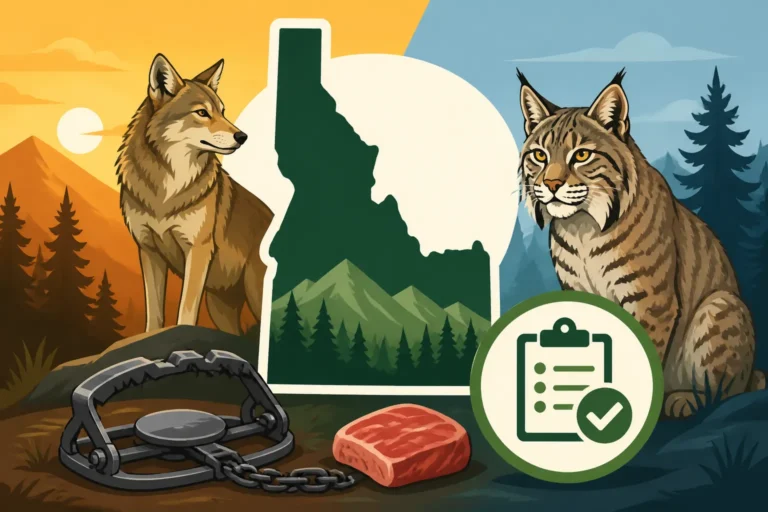
Now, here's where it gets a little more intricate. While your general resident hunting and trapping license covers a range of species, many high-value or management-sensitive furbearers require additional, specific permits or tags. This isn't unique to Idaho, but it’s a critical detail often overlooked by new trappers. These species might include bobcat, river otter, marten, fisher, and especially wolves. The need for these additional permits is rooted in sound wildlife management principles, allowing Idaho Fish and Game to closely monitor harvest numbers and ensure healthy populations. For example, Idaho Beaver and Otter Trapping Rules can be very specific, sometimes requiring a separate tag or strict reporting. Similarly, anyone looking at Marten and Fisher Trapping Rules will find that these smaller, more elusive furbearers also have their own set of requirements.
Obtaining these permits can vary from over-the-counter purchases to controlled hunt applications, similar to how big game tags are drawn. For instance, wolf trapping, due to its controversial nature and strict management goals, often has specific units, quotas, and application periods. You might need to apply for these permits during a designated window, and sometimes, they are allocated through a drawing process. Resources like GoHunt can be incredibly helpful here, providing detailed breakdowns of unit-specific regulations and draw odds, helping you strategize which permits to apply for. Always double-check the current year's Idaho Furbearer Regulations pamphlet, available on the Idaho Fish and Game website, to understand the exact process, season dates, and reporting obligations for each species you intend to pursue. These species-specific requirements are not just about collecting fees; they are about precise population management.
Beyond the Basics: Advanced Requirements and Special Considerations
Trapping isn't just about obtaining a license and setting traps; it's a commitment to ethical practice, continuous learning, and responsible participation in wildlife management. Idaho, like many states, places a strong emphasis on these aspects to ensure that furbearer populations remain healthy and trapping is conducted humanely.
Trapper Education and Its Importance
For many new trappers in Idaho, understanding the legal and ethical nuances of the sport is paramount. While Idaho doesn't currently mandate a trapper education course for all new resident trappers, it's a highly recommended step, much like the comprehensive information covered in Idaho Hunter Education Birth Year Cutoff courses for hunters. These courses delve deep into crucial topics such as responsible trap placement, avoiding non-target species, proper trap types and sizes for different furbearers, humane dispatch methods, and the legalities of setting traps on various land types.
Even if not strictly required, taking a trapper education course provides invaluable knowledge that can prevent costly mistakes, ensure ethical treatment of animals, and increase your success rate. You learn about trap identification, snare construction, and techniques for minimizing stress to animals. Many experienced trappers will tell you that the best trappers are always learning, adapting their methods, and staying current with best practices. These courses are often offered by Idaho Fish and Game or reputable trapping associations, providing a structured way to gain expertise that goes far beyond simply knowing the regulations. It’s an investment in your skills and in the future of the sport.
Reporting Requirements for Trapped Furbearers
One of the most critical, yet often overlooked, aspects of trapping in Idaho is the mandatory reporting of harvested furbearers. This isn't just a suggestion; it's a legal obligation and a cornerstone of effective wildlife management. For certain species, particularly bobcat, river otter, marten, fisher, and wolves, reporting your harvest and having the pelt tagged by Idaho Fish and Game personnel within a specified timeframe is absolutely essential. For example, if you're successful in trapping a wolf, there are very specific Trapping Rules That Apply to Idaho Wolves that dictate immediate reporting. These rules are in place to help biologists accurately track harvest numbers against established quotas and population estimates. Without accurate reporting, managers can't make informed decisions about future seasons or permit allocations.
The process usually involves bringing the carcass or pelt to a designated IDFG check station or regional office. They'll collect biological data, verify the species and sex, and apply a tamper-proof tag to the pelt. Failing to report or tag a required furbearer can lead to significant penalties, including fines and loss of trapping privileges. It’s not just about compliance; it’s about contributing to the scientific data that ensures sustainable trapping opportunities for years to come. Always carry the current regulations pamphlet with you, or have the IDFG app handy, so you’re clear on the specific reporting deadlines and locations for each species you might trap. Remember, every piece of data from your successful trap line helps manage the overall Idaho Wolf Harvest Limits Per Hunter or the health of other furbearer populations.
Navigating the Application Process and Staying Compliant
Once you understand the different licenses and permits, the next step is actually acquiring them and ensuring you adhere to all the rules out in the field. This part can feel a bit daunting, but with a clear plan, it’s entirely manageable.
Where to Purchase and Apply
For Idaho residents, the process of purchasing your basic hunting and trapping license and applying for any necessary species-specific permits is designed to be straightforward. The primary hub for all things licensing is the Idaho Fish and Game website, specifically through their GoOutdoorsIdaho portal. This online system allows you to manage your license profile, purchase new licenses, apply for controlled hunts (which might include certain trapping permits), and even report your harvest for some species. If you're more of a hands-on person or need assistance, you can also purchase licenses and apply for permits at any authorized license vendor across the state – think local sporting goods stores, some convenience stores, and regional IDFG offices. This flexibility makes it convenient, whether you're planning your season from home or need to grab a last-minute license on your way to the field.
It’s crucial to pay attention to application deadlines for any controlled trapping permits, as these windows are strict and missing them means you’re out of luck for that season. For general licenses and over-the-counter tags, availability is usually year-round, but it’s always best to get your paperwork in order well before the season opener for any species you intend to target. Make sure to keep a physical copy of your license and any permits with you while trapping, or at least have them readily accessible on your phone through the GoOutdoorsIdaho app, as game wardens will certainly ask to see them. This is the same portal you would use if you were interested in Buying a Tag Through GoOutdoorsIdaho for big game.
Avoiding Common Pitfalls and Misunderstandings
Even with your licenses and permits in hand, many new trappers can fall into common traps (pun intended!) that can lead to violations. One of the biggest pitfalls is not thoroughly understanding land ownership and access. You must always obtain permission before setting traps on private land, and even on public lands like Idaho State Endowment Land Access Rules or BLM ground, there might be specific rules about trap placement, proximity to roads, trails, or designated recreation areas. Using mapping tools like those offered by GoHunt can be invaluable for identifying land ownership boundaries and understanding public access restrictions. Never assume; always verify.
Another frequent misunderstanding revolves around trap setback distances. Idaho has regulations regarding how close traps can be set to public roads, trails, and dwellings to ensure public safety and minimize conflicts. These distances can vary, so meticulous review of the current Idaho Furbearer Regulations is non-negotiable every single year. Seasons and bag limits can also change, and what was legal last year might not be this year. The best trappers are constantly reviewing regulations, consulting with experienced mentors, and scouting their trap lines to ensure they are compliant and ethical. Ignoring these details can not only result in fines and loss of privileges but also damage the reputation of trapping as a responsible wildlife management tool. Understanding Idaho Furbearer Trapping Season Dates for each species is also paramount, as setting a trap out of season, even by accident, is a serious offense.
| License/Permit Type | General Coverage | Typical Requirement/Availability | Additional Info |
|---|---|---|---|
| Resident Hunting & Trapping License | General hunting and basic furbearer trapping | Mandatory for all resident trappers | Prerequisite for all other trapping activities. |
| Wolf Trapping Permit | Wolves | Often a controlled hunt or specific permit | Subject to quotas, unit restrictions, and strict reporting. |
| Bobcat Tag | Bobcat | Specific tag required after harvest | Mandatory pelt tagging within a short timeframe. |
| River Otter Tag | River Otter | Specific tag required after harvest | Mandatory pelt tagging, often with unit-specific quotas. |
| Marten/Fisher Tag | Marten, Fisher | Specific tag required after harvest | Found in specific forested areas, strict reporting and tagging. |
| Landowner Permission | Private Land Access | Required for all trapping on private ground | Always obtain written permission to avoid trespass issues. |
| Trapper Education (Recommended) | Ethics, best practices, trap types, regulations | Highly Recommended | Improves success, humane practices, and legal compliance. |
Disclaimer
Please note: The information provided in this article is intended for general guidance and informational purposes only. Hunting and trapping regulations in Idaho are subject to change annually and can be complex. It is the sole responsibility of every individual hunter and trapper to review and understand the most current Idaho Fish and Game regulations prior to engaging in any hunting or trapping activities. Always consult the official Idaho Fish and Game website or the most recent printed regulations pamphlet for the definitive and up-to-date rules.