Idaho Furbearer Trapping Season Dates
Planning a furbearer trapping season in Idaho can feel like trying to hit a moving target sometimes, with dates shifting and unit boundaries dictating what you can pursue and when. It's not as simple as a statewide opening and closing bell for every single species, and that complexity can definitely throw a wrench in your plans if you're not careful. This guide is here to untangle the nuances of Idaho's furbearer trapping season dates, helping you understand the regulations and resources so you can plan your next outing with confidence.
Understanding Idaho's Furbearer Categories and Regulations
When you talk about furbearers in Idaho, you're looking at a specific group of animals that are managed for their fur, and sometimes for population control. Unlike big game or even upland birds, the trapping regulations for these species often have distinct rules that trappers need to be intimately familiar with. It's not just about the dates; it's about the methods, the locations, and sometimes even quotas.
Which Animals Idaho Classifies as Furbearers
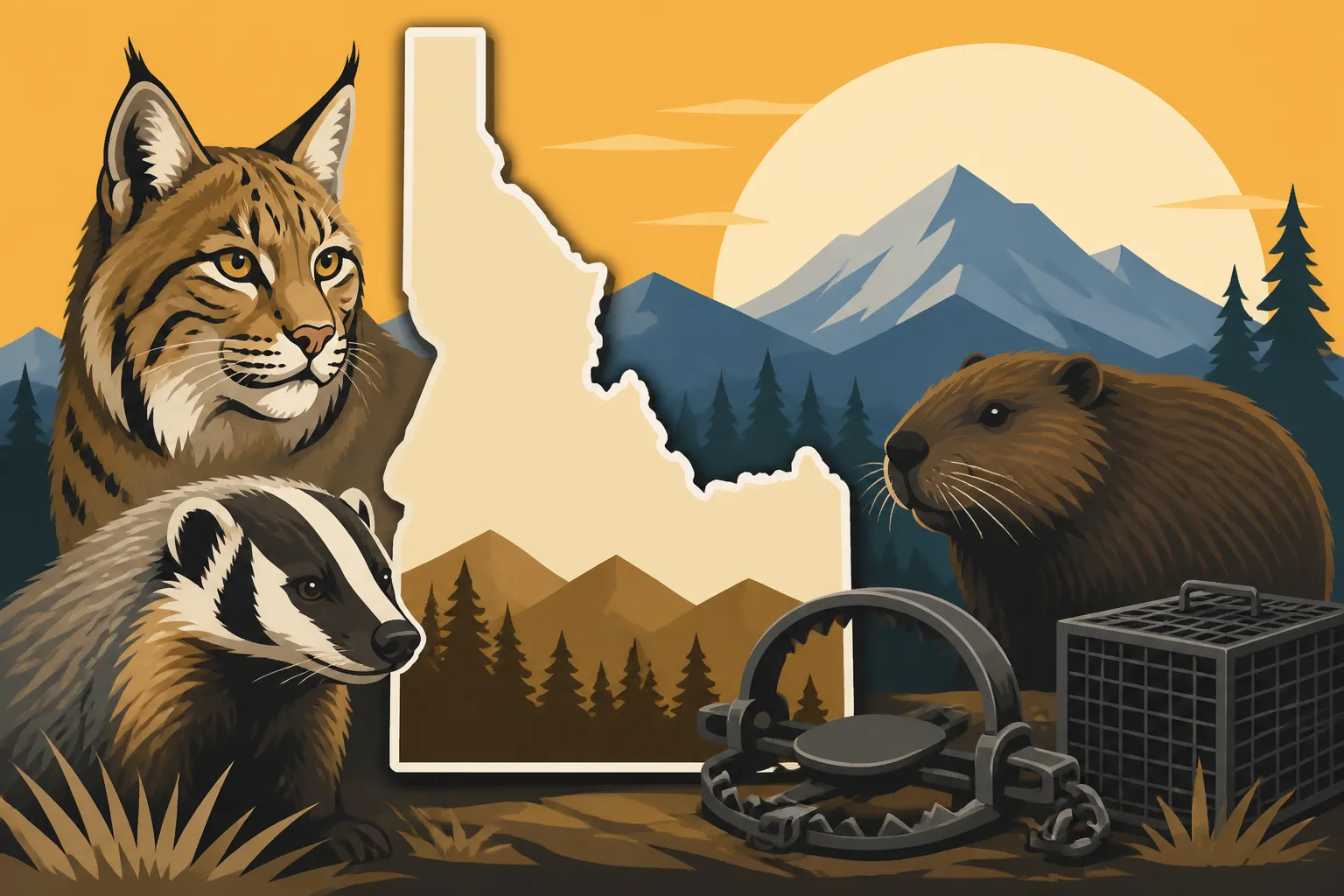
In Idaho, the term "furbearer" covers quite a few species, each with its own management strategy, which in turn influences trapping seasons. You're typically looking at animals like beaver, otter, marten, fisher, bobcat, lynx, red fox, gray fox, raccoon, badger, and skunk. While wolves are furbearers in a biological sense, their management often falls under a separate set of rules, particularly concerning hunting and trapping regulations, due to their unique history and population dynamics in the state. So, when you're flipping through the regulations, remember that the "furbearer" section specifically addresses this core group, and you'll often find separate sections for wolves. Understanding this initial classification is key to knowing which set of rules you need to be focusing on.
General Principles for Trapping Seasons
Idaho's trapping seasons aren't just arbitrary dates; they're designed with conservation in mind, aiming to ensure sustainable populations while providing opportunities for trappers. Generally, trapping seasons are set to coincide with the periods when furbearers have their prime pelts, typically late fall through winter. This timing ensures that the harvest is of the highest quality, maximizing the value of the fur and respecting the animals. However, this also means seasons can be quite specific – perhaps opening in November and closing in January or February, varying by species. Unlike some general hunting seasons, furbearer trapping seasons can also be highly localized, tied to specific Game Management Units (GMUs) or even smaller areas, rather than simply being a statewide free-for-all. This unit-specific approach allows the Idaho Department of Fish and Game (IDFG) to manage populations more finely, taking into account local conditions and population densities.
Specific Furbearer Trapping Season Overviews
Now, let's dive into some of the specific furbearer species and what you can generally expect regarding their trapping seasons in Idaho. Remember, these are broad strokes; the exact dates can, and do, change annually, and often by unit. Always, always check the current year's regulations before you set a single trap.
Beaver and Otter Trapping Season Dates
Beaver and otter are often grouped together in regulations due to their aquatic habitats and similar trapping methods. Generally, beaver seasons in Idaho are quite generous, often running from early November through March or even into April in some areas. This extended period reflects their robust populations and the need for management in certain areas where their dam-building activities can impact infrastructure or other habitats. Idaho Beaver and Otter Trapping Rules are fairly consistent across large regions but can have unit-specific variations, especially concerning private land or areas with specific resource concerns. Otter seasons, while also extending through winter, tend to be a bit more restrictive than beaver seasons, often having earlier closures or more specific unit limitations, reflecting a more cautious approach to their management. You might find otter seasons starting in November and wrapping up by mid-March in many zones.
It's common for trappers targeting beaver to also encounter otter, so understanding the overlap and any distinct regulations for each is critical. Some units might have different bag limits or reporting requirements, so simply assuming the rules for one apply to the other could lead to trouble. Always double-check the fine print for both species, particularly if you're trapping near waterways or ponds that might hold both. The IDFG regulations will clearly delineate the specific opening and closing dates for each species within various units.
Marten and Fisher Trapping Season Dates
Marten and fisher are both members of the weasel family, known for their elusive nature and valuable fur. Their trapping seasons typically align with the coldest months, when their pelts are at their thickest and most luxurious. For marten, you're generally looking at seasons that open in late November and run through January or early February. These seasons are often confined to specific forest units, reflecting their preferred dense timber habitats. Marten and Fisher Trapping Rules often include restrictions on trap types and locations to minimize incidental takes of other species.
Fisher seasons are usually much shorter and more restricted than marten, reflecting their lower population numbers and slower reproductive rates. If a fisher season is open in a particular unit, it might only be for a few weeks in December or January, or it might be a quota hunt that closes as soon as a certain number of animals are reported. These species require specialized knowledge of their habitat and movements, making successful trapping a real accomplishment. Monitoring IDFG announcements for potential early closures due to quotas is crucial for fisher trappers.
Fox and Raccoon Season Dates
Red fox, gray fox, and raccoon are common furbearers found across a wider range of Idaho's landscapes, from agricultural areas to forest fringes. Their seasons are often quite lengthy, providing ample opportunity for trappers. For both fox species and raccoon, you can generally expect seasons to open in early November and continue well into the late winter, sometimes through February or even March, depending on the unit. Idaho Fox and Raccoon Season Dates tend to be more liberal than those for species like marten or fisher, largely due to their broader distribution and typically higher population densities.
These species are often targeted by trappers interested in predator control or those seeking fur opportunities closer to populated areas or farmlands. Raccoons, in particular, can be found in abundance near water sources and human habitations, making their trapping seasons a popular option. While the dates are often generous, trappers still need to be mindful of specific unit regulations, especially concerning private land access and proximity to residential areas. Always ensure you have proper permissions and are aware of any localized restrictions or ordinances.
Bobcat and Lynx Trapping Considerations
Bobcat trapping is a significant pursuit for many furbearer trappers in Idaho, with their beautiful spotted pelts being highly prized. Bobcat seasons typically open in late November or early December and can run through January or February in many units. However, bobcat management often involves quotas, meaning the season can close early in specific units if the harvest limit is met. This quota system is in place to ensure sustainable populations and careful management. Idaho Bobcat Season and Pelt Tag Rules are detailed and strict, often requiring pelts to be validated and tagged within a short timeframe after harvest.
Lynx, on the other hand, are a protected species and there is no open season for trapping lynx in Idaho. Any accidental capture of a lynx must be reported immediately to IDFG, and the animal must be released unharmed if possible. It is imperative that trappers in lynx habitat understand how to identify them and take precautions to avoid incidental takes. This stark difference highlights the critical need to know your target species and be aware of similar-looking protected animals.
Badger and Skunk Season Details
Badger and skunk are less commonly targeted strictly for their fur compared to species like bobcat or marten, but they are included as furbearers and have regulated trapping seasons. Badger seasons in Idaho are typically quite long, often opening in October or November and extending all the way through March. Their distribution is generally across dryer, open country, and their populations are robust enough to support these longer seasons.
Skunk seasons also tend to be extensive, mirroring badger seasons in many respects, from late fall through winter. While their fur is less valuable, trappers may target skunks for population control or in conjunction with other furbearer efforts. For both badger and skunk, the regulations are usually simpler, with fewer unit-specific closures or quotas compared to the more highly sought-after furbearers. However, proper handling and awareness of their defense mechanisms are certainly top of mind for anyone trapping these species!
Wolf Trapping Seasons and Management
Wolves in Idaho, while considered furbearers, are managed under their own distinct set of rules, separate from other furbearers. This is due to their population dynamics, their role in the ecosystem, and historical management considerations. Idaho Wolf Season Dates by Unit are highly variable and complex, with seasons often differing significantly between individual Game Management Units and often having different rules for public and private land. Some units may have wolf trapping seasons that run for several months, typically from October or November through March, while others might have very short or no trapping seasons at all.
Beyond the season dates, wolf trapping also comes with specific license requirements and reporting mandates. Trappers often need a separate wolf trapping license, and there can be annual harvest limits. For instance, Idaho Wolf Harvest Limits Per Hunter might specify a maximum number of wolves an individual can harvest in a given year, which is a rare restriction among other furbearers. Trappers must report their wolf harvests promptly and often present the pelt for tagging. The complexity of wolf management means that consulting the current regulations for the specific unit you intend to trap is absolutely non-negotiable.
Navigating Unit-Specific and Special Area Rules
One of the biggest hurdles for trappers, especially those new to Idaho or exploring a new area, is understanding that "statewide" very rarely applies perfectly to furbearer seasons. Idaho's diverse geography and varied wildlife populations necessitate a granular approach to management, leading to significant differences from one area to the next.
How Game Management Units Affect Trapping Seasons
Idaho is divided into many Game Management Units (GMUs), and these units are the foundation for nearly all hunting and trapping regulations. For furbearers, it's very common to see a season open in one GMU but be closed or have different dates in an adjacent unit. This unit-specific management allows the IDFG to respond to local population trends, habitat conditions, or even human-wildlife conflicts. For example, a particular unit might have a shorter beaver season if local populations are lower, or a longer fox season if their numbers are high.
This means you can't just look at a general Idaho trapping calendar and assume it applies to your favorite trapping grounds. You absolutely must identify the specific GMU you plan to operate in and then consult the regulations for that particular unit. The Idaho Hunt Planner Is the Tool to Start With is an excellent resource, even for trapping, as it allows you to overlay unit boundaries with various regulations. Ignoring these unit boundaries can lead to unintentional violations, which no trapper wants. Always confirm the unit number for your desired location and then cross-reference it with the published furbearer regulations.
Special Area Restrictions and Closures
Beyond GMUs, there are often even more localized restrictions or outright closures in certain special areas. These can include:
- Wildlife Management Areas (WMAs): Many of Idaho's 31 Wildlife Management Areas have specific regulations that might differ from the surrounding GMU, including closures to trapping or restrictions on certain trap types. These areas are managed intensely for wildlife, and trapping might be limited to specific purposes or not allowed at all.
- National Parks and Monuments: Areas like Craters of the Moon National Monument and Preserve, or any designated National Park land, are typically closed to all hunting and trapping activities. Understanding these boundaries is crucial.
- Wilderness Areas: While some designated Wilderness areas on National Forest or BLM land may be open to trapping, there can be unique restrictions, particularly concerning motorized vehicle use or even specific trap setting practices that align with wilderness ethics. It's vital to check the specific wilderness area's rules.
- Private Land: Even if a season is open in a GMU, trapping on private land always requires explicit permission from the landowner. Getting Landowner Permission in Idaho is not just a courtesy; it's a legal requirement, and trespassing is a serious offense. Some landowners may allow trapping for specific problem animals but not for general furbearer harvest.
These special area rules are often detailed within the main furbearer regulations but can sometimes be found in separate sections or specific area brochures. It's another layer of complexity that requires diligent research before heading out.
Checking for Quotas and Early Closures
For certain furbearer species, particularly those with highly prized pelts or more sensitive populations like bobcat and sometimes fisher, Idaho implements harvest quotas. This means that once a predetermined number of animals are harvested in a specific unit or region, the season for that species will close, regardless of the published end date. This is a critical point that can catch trappers off guard if they're not paying attention.
The IDFG typically announces these quotas and provides updates on harvest numbers throughout the season. Trappers are responsible for staying informed about these updates and reporting their harvests promptly. Failure to report a harvested animal quickly can contribute to a quota being exceeded, potentially leading to an earlier closure for everyone. For species under a quota system, like bobcat, checking the IDFG website for current harvest statistics and potential closures becomes a daily or weekly ritual during the season. There's nothing more frustrating than having your season cut short because you missed a critical announcement.
Essential Resources for Current Idaho Trapping Information
Given the complexity and variability of Idaho's furbearer trapping seasons, relying on outdated information or hearsay is a recipe for disappointment and potential legal trouble. Modern trappers have a wealth of resources at their fingertips to ensure they are always operating within the current regulations.
The Importance of the Idaho Fish and Game Website
Your absolute first and most reliable source for current Idaho furbearer trapping season dates and regulations is the official Idaho Department of Fish and Game (IDFG) website. This isn't just a suggestion; it's a critical directive. Every year, the IDFG publishes updated regulations pamphlets for all hunting and trapping seasons. While physical copies are available, the digital version on their website is often the most current, especially for mid-season changes or quota updates. Where the Current Idaho Regulations Are Posted is typically front and center on their site.
The website will host the comprehensive furbearer trapping regulations, usually in a downloadable PDF format. This document details:
- Specific season dates for each furbearer species by GMU.
- Legal trap types and restrictions.
- Pelt tagging and reporting requirements.
- Any quotas or special restrictions.
- Contact information for regional IDFG offices if you have further questions.
Treat this document as your bible for the season. Print relevant pages, save the PDF to your phone, and refer to it constantly. Don't rely on information from previous years, as regulations can and do change based on scientific data, public input, and management objectives.
Utilizing Online Mapping and Planning Tools
In today's digital age, online mapping and planning tools have become indispensable for trappers. Apps like GoHunt, or other similar platforms that integrate land ownership data with hunting and trapping unit boundaries, can be incredibly helpful. These tools allow you to visualize GMU lines, identify public vs. private land, and even see topographical features that might influence your trap line. Using onX Layers for Idaho Public Land or other mapping applications with detailed land layers can help you avoid inadvertently placing traps on private property without permission, or within a unit with a closed season.
While these mapping tools are fantastic for planning and navigation, remember they are supplementary to the official regulations. They can show you the boundaries, but they won't always have the most up-to-the-minute details on season closures or specific rule changes that the IDFG website will provide. Use them to understand the lay of the land and verify your location, but always cross-reference the season dates and rules with the official IDFG documents.
The Role of Current Regulations Brochures
Beyond the full digital regulations, IDFG often provides smaller, more focused brochures or summaries, especially for specific species or general furbearer rules. These can be helpful for a quick overview, but again, always consider them a summary and refer to the full document for comprehensive details. You can often pick up physical copies of these brochures at IDFG offices, license vendors, or even some sporting goods stores.
It's also worth noting that the IDFG has a licensing phone line (Idaho Fish and Game Licensing Phone Line) where you can speak directly with someone if you have specific questions that aren't clearly answered in the regulations. Sometimes, a quick call can clarify a confusing point about unit boundaries, reporting requirements, or recent updates. Engaging with these resources ensures you're not only legal but also making informed decisions that contribute to responsible trapping and wildlife conservation in Idaho.
| Furbearer Species | General Season Window (Approximate) | Typical Restrictions | Reporting/Tagging |
|---|---|---|---|
| Beaver | Nov – Mar/Apr | Unit-specific dates, trap types | None beyond license/tag |
| Otter | Nov – Mar | Shorter seasons, unit-specific, trap types | Yes, typically within 72 hrs |
| Marten | Late Nov – Jan/Feb | Forested units, trap types | None beyond license/tag |
| Fisher | Dec – Jan (very limited) | Short seasons, quotas, trap types | Yes, usually within 72 hrs |
| Red/Gray Fox | Nov – Mar | Unit-specific dates, trap types | None beyond license/tag |
| Raccoon | Nov – Mar | Unit-specific dates, trap types | None beyond license/tag |
| Bobcat | Late Nov/Dec – Jan/Feb | Quotas, unit-specific, trap types | Yes, pelt tagging required |
| Lynx | CLOSED | Protected species, strict rules for accidental capture | Mandatory immediate report |
| Badger | Oct/Nov – Mar | Unit-specific dates | None beyond license/tag |
| Skunk | Oct/Nov – Mar | Unit-specific dates | None beyond license/tag |
| Wolf | Oct/Nov – Mar (highly variable) | Unit-specific, quotas, license, trap types | Mandatory immediate report & tagging |
Note: This table provides general season windows based on typical historical patterns. Always consult the current year's official Idaho Fish and Game Furbearer Trapping Regulations for precise dates, quotas, and specific rules for your intended trapping unit. Seasons can close early due to quotas.
Disclaimer
This article is for general informational purposes only and does not constitute professional advice. Laws, prices and regulations vary by location and change over time. Consult a qualified professional for guidance on your specific situation.