Why Buck Quality Differs North to South
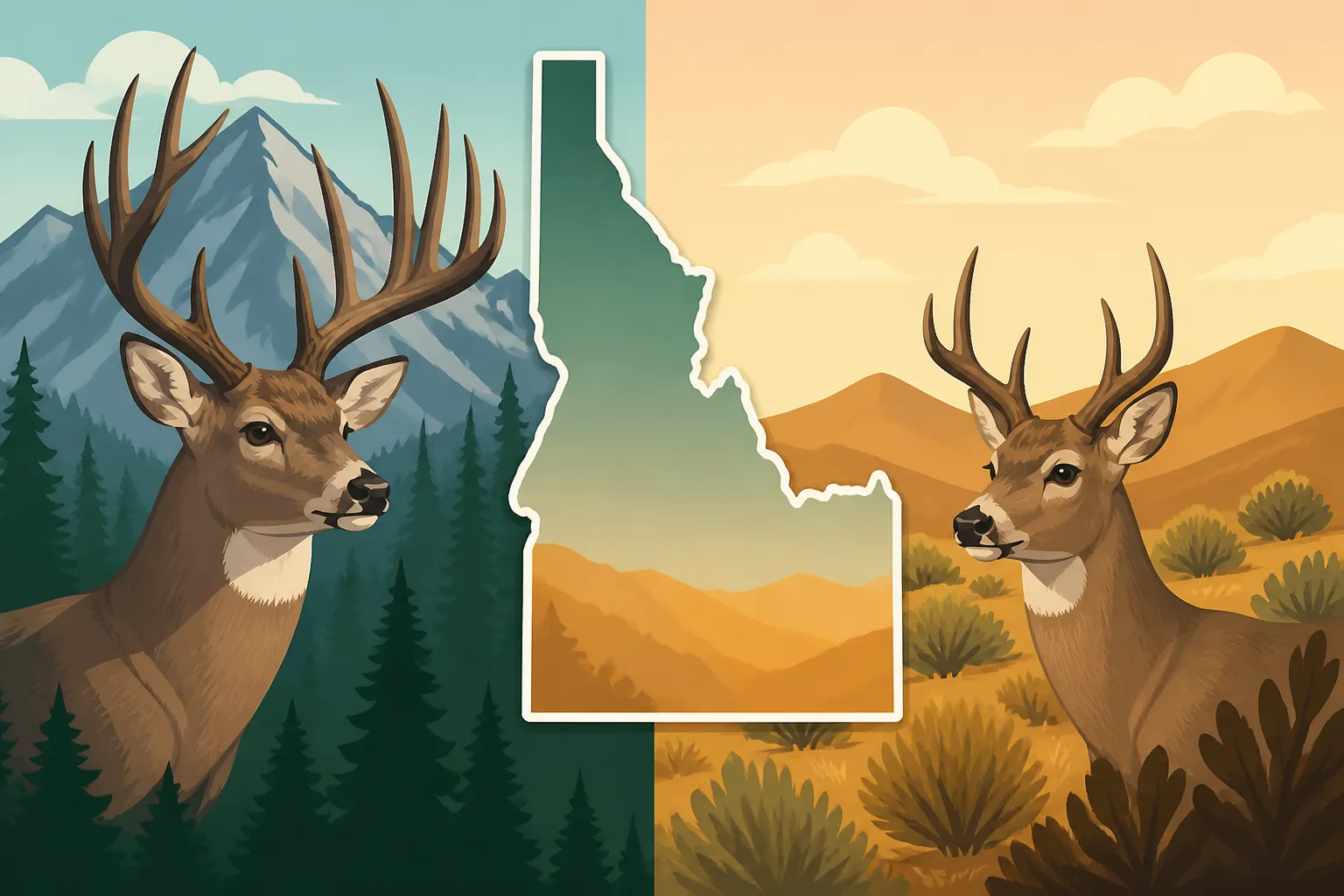
It's a common refrain among hunters in Idaho: "The bucks just aren't the same up north as they are down south." If you've spent any time looking at harvest photos or scouting different regions, you've probably noticed it too. There's a tangible difference in antler size, body mass, and even the general appearance of deer, and it's not just in your head. This guide will dive deep into the fascinating reasons behind these regional variations, exploring the intricate ecological factors, species distribution, and management strategies that shape buck quality from Idaho's timbered panhandle to its arid southern deserts.
Ecological Factors Shaping Buck Quality
The very ground an animal walks on, the plants it eats, and the weather it endures all play massive roles in how big a buck grows. When we talk about "buck quality," we're often thinking about antler size and body condition, which are direct reflections of nutrition and environmental stress. Idaho is a big, diverse state, and its northern and southern regions are like two different worlds when it comes to these factors.
Southern Idaho's Arid Landscapes and Mule Deer
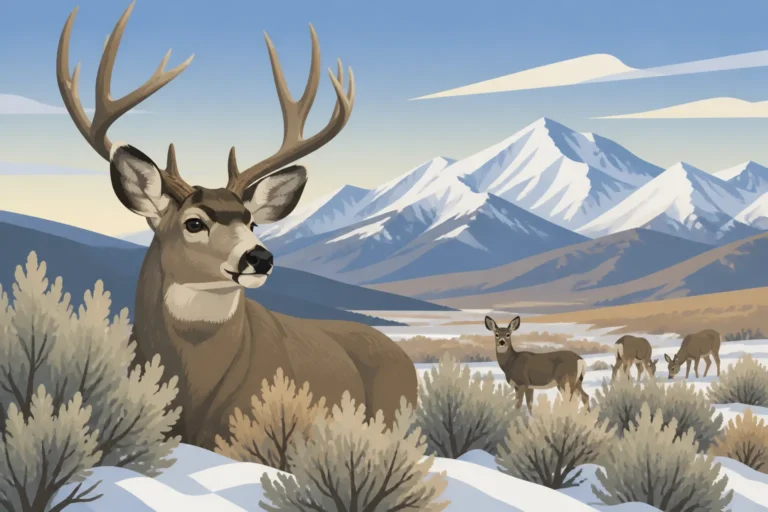
Down in southern Idaho, you're primarily in mule deer country. Think vast expanses of sagebrush, bitterbrush, and juniper, especially as you get into the high desert and the Owyhee Breaks. This landscape might look stark, but it can be incredibly rich in browse – crucial woody plants that mule deer rely on, particularly in the critical spring and summer growth periods. When rainfall is good, and the browse is abundant and nutritious, mule deer bucks can pack on the protein and minerals needed for impressive antler growth. The key here is consistency. Good precipitation means good forage, which directly translates to better antler development.
However, these arid environments can also be feast or famine. A dry year means sparse, less nutritious browse, which forces deer to expend more energy to find food, leading to smaller antlers and poorer body condition. Winters, while sometimes less snowy than the north, can still be harsh, and the quality of forage found on Mule Deer Winter Range Across the High Desert becomes paramount. Bucks that enter winter in poor condition are unlikely to put on their best headgear the following year. This balance of plentiful, high-quality forage during critical growth phases and manageable winter stress is what often drives the potential for bigger mule deer bucks in specific southern units.
Northern Idaho's Timbered Country and Whitetail Habitat
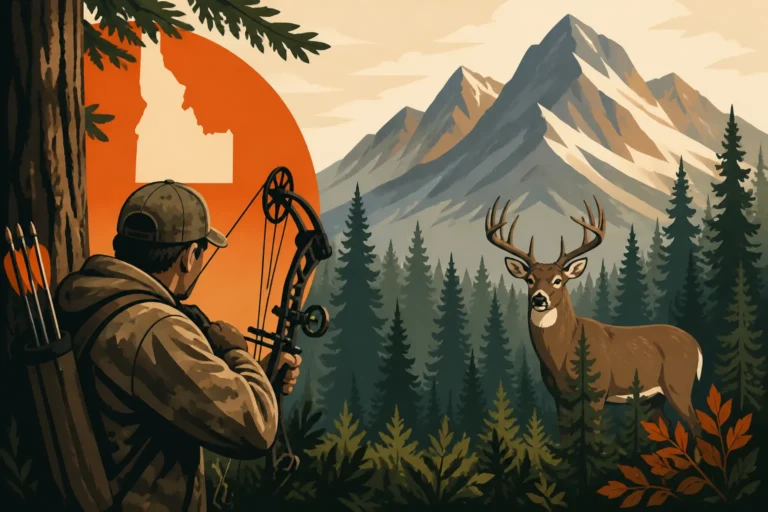
Shift your focus to northern Idaho, and you enter a different realm entirely – dense timber, conifer forests, and a landscape carved by rivers and mountains. This is prime whitetail deer habitat, and their diets reflect their environment. Instead of vast sage flats, you'll find an abundance of forbs, grasses, and woody browse that thrive under the forest canopy. The consistent moisture here generally ensures a steady supply of vegetation throughout the growing season.
While the sheer biomass of forage might seem higher, the type of forage can be different in its mineral and protein content compared to some of the nutrient-dense browse found in the south. Whitetails are incredibly adaptable, and they utilize this diverse forest diet efficiently. The security cover provided by the dense timber allows bucks to feel safe and expend less energy evading predators, which can also contribute to overall body condition. When we talk about Hunting Whitetails in Northern Timber Country, it's not just about the trees themselves, but the rich understory they support that fuels antler growth. The consistent availability of food, even if it's different, contributes to a robust whitetail population with solid antler development for their species.
Impact of Winter Severity on Overall Health
Regardless of whether you're chasing mule deer or whitetail, winter severity is a universal factor dictating a buck's ability to grow a trophy rack. A harsh winter with deep, persistent snow and prolonged cold temperatures forces deer to burn through their fat reserves at an alarming rate. Bucks, especially those that have just gone through the strenuous rut, are already physically depleted. If they enter winter in poor condition and then face extreme weather, their bodies prioritize survival over antler development. The energy and nutrients that would normally go towards growing new bone on their heads are diverted to simply staying alive.
Conversely, a mild winter allows deer to conserve energy and emerge in much better shape for the spring green-up. This head start means they can dedicate more resources to antler growth. You'll often hear hunters discuss how a mild winter one year often correlates with better antler quality the following season. Southern Idaho's winters can vary dramatically, from open, mild conditions to heavy snow events that impact specific mountain ranges. In northern Idaho, deep snow in the timber is a more consistent reality, often driving deer to specific wintering areas where forage may be limited. This sustained winter stress in some northern regions can contribute to differences in buck quality compared to areas in the south that might experience milder, less impactful winters.
Mule Deer vs. Whitetail Deer Dominance and Their Preferences
One of the most significant reasons for perceived differences in "buck quality" is simply that you're often comparing two entirely different species of deer. Idaho is home to both mule deer and whitetail deer, and they have distinct habitat preferences, physical characteristics, and antler growth patterns. What constitutes a "quality" buck for one species can look very different from the other.
The Divide Between Deer Species
Idaho's landscape naturally divides these two iconic species. As a general rule, you'll find mule deer dominating the sagebrush-steppe, arid mountains, and canyon lands of central and southern Idaho. They thrive in open, broken country where their large ears and keen eyesight give them an advantage in spotting predators from a distance. Their bounding gait, often called "pronking," is perfectly adapted for navigating uneven, rocky terrain.
Whitetail deer, on the other hand, are kings of the dense cover. They prefer the thick timber, brushy draws, and riparian areas found in the northern Panhandle, the Clearwater region, and along many of the state's river bottoms. Their strategy is concealment – using dense vegetation to avoid detection. Understanding this fundamental divide is crucial because the "buck quality" you're seeing is often a comparison between a large mule deer and a large whitetail. These two species are managed separately, and Whitetail and Mule Deer Tags Are Not Interchangeable, highlighting their distinct biological needs and distributions across the state.
Nutritional Needs and Antler Growth in Each Species
Both mule deer and whitetail bucks put immense energy into growing antlers each year, but their primary diets and the resources available in their respective habitats influence the outcome. Mule deer, particularly those in the southern, more arid parts of the state, often rely heavily on browse species like sagebrush, bitterbrush, and serviceberry. When these plants are robust and nutrient-rich, they provide the necessary protein and minerals for impressive antler mass and tine length. The largest mule deer racks often come from areas with consistent access to this high-quality browse, especially during the spring and summer growth spurt. The timing of the rut also plays a role in how much energy a buck has left after breeding; When the Mule Deer Rut Actually Starts can influence a buck's post-rut condition and subsequent antler growth.
Whitetail deer in northern Idaho's timbered environments have a more varied diet, often consuming a mix of forbs, grasses, and woody browse that thrives in moist, shaded conditions. While these diets sustain healthy populations, they might not always provide the same concentrated mineral load that can lead to the massive, heavy antlers often seen on southern mule deer. Whitetail antler growth is robust in its own right, characterized by long main beams and distinct points, but the overall mass and spread can differ from a big mule deer. Similar to mule deer, the When Whitetail Rut Dates Fall Up North dictate a critical period of energy expenditure that impacts a buck's ability to recover and grow antlers the following year. It's not that northern whitetails are "less quality," it's that they are adapted to their environment, and their antler characteristics reflect that unique ecological niche.
| Factor | Northern Idaho (Whitetail Dominant) | Southern Idaho (Mule Deer Dominant) |
|---|---|---|
| Primary Habitat | Dense conifer forests, timbered river bottoms, brushy draws | Sagebrush-steppe, arid mountains, canyons, open country |
| Dominant Deer Type | Whitetail deer (often smaller body, long main beams) | Mule deer (larger body, bifurcated antlers, wider spread) |
| Primary Forage | Diverse forbs, grasses, woody browse in moist, shaded areas | Sagebrush, bitterbrush, juniper, mountain mahogany, desert shrubs |
| Winter Severity | Often deep, persistent snow; heavy timber offers some shelter | Variable; can be open/mild or severe in mountain ranges |
| Antler Characteristics | Typically longer main beams, distinct points, often less mass overall | Often wider spread, more mass, characteristically bifurcated tines |
| Hunter Focus | Still-hunting, tracking, stand hunting on travel corridors | Glassing vast expanses, spot-and-stalk |
Hunting Pressure and Management Strategies
Beyond the natural environment, human factors—specifically hunting pressure and how the Idaho Department of Fish and Game (IDFG) manages its deer populations—also significantly influence the average quality of bucks available in different regions. Management goals often vary between high-density zones and areas managed for trophy potential, and this can mean different outcomes for hunters.
General Season Structure and Hunter Numbers
Idaho utilizes a system of general hunting seasons, often designated with A Tags or B Tags, which dictate the weapon type and season timing. In many parts of northern Idaho, general deer seasons are quite popular, with a focus on whitetails. These seasons can see considerable hunter numbers, especially during the rifle opener. Higher hunter density, particularly in more accessible areas, can lead to a greater harvest of younger, less mature bucks. While this provides ample opportunity and maintains healthy populations, it can mean fewer bucks reach older age classes where they can express their full antler potential. Hunters often use A Tags Favor Archery and Muzzleloader Hunters or B Tags Favor the Centerfire Rifle Crowd depending on their preferred weapon, and these choices can influence the type of hunting experience and pressure encountered.
In southern Idaho, while general seasons exist, many popular mule deer units also have significant portions of their harvest allocated through controlled hunts, which can naturally reduce the overall pressure in certain areas. This isn't to say southern units don't see pressure; they absolutely do, especially in more accessible sagebrush country. But the prevalence of specific unit management and the sheer vastness of some southern units can spread hunters out more effectively than in some of the more confined northern timber stands.
Controlled Hunts and Their Role
Controlled hunts are where specific management objectives really come into play, and they often lead to higher quality bucks. Many areas in Idaho, particularly for mule deer in the central and southern regions, are managed through controlled hunts. This system allocates a limited number of tags through a drawing process, restricting the number of hunters in a given unit. By limiting harvest, especially of younger age classes, IDFG can allow more bucks to survive longer, giving them more years to mature and grow larger antlers. This focus on age structure is critical for maximizing "quality."
When researching an Idaho hunt, checking Idaho controlled hunt draw odds is crucial, and utilizing resources like GoHunt can provide invaluable insights into a unit's history of success and buck quality. These tools aggregate data on harvest statistics, drawing odds, and public land percentages, allowing hunters to make informed decisions about where they might find the best chance at a mature buck. For areas managed primarily for trophy potential, a controlled hunt system is almost always in place. While a controlled hunt doesn't guarantee a trophy, it significantly increases the potential by allowing bucks to reach older age classes.
Specific Unit Management and Harvest Objectives
Idaho Fish and Game manages its 99 game management units with specific objectives, which can differ widely from one unit to the next. Some units might have goals centered on maximizing opportunity and overall deer numbers, which naturally means harvesting a mix of age classes. Other units might be managed more intensely for older age class bucks, even if it means fewer overall tags or lower deer densities. These objectives are determined by population surveys, habitat assessments, public input, and historical harvest data.
For example, a unit in southern Idaho might have a management objective to produce a certain percentage of bucks over a specific age, thus influencing tag numbers and season structures to achieve that goal. This can result in a higher proportion of older, larger-antlered mule deer available to hunters. Conversely, a unit in the northern panhandle might prioritize healthy whitetail populations for general season opportunity, which results in a consistent harvest of bucks across all age classes. Understanding these underlying management philosophies, which can often be gleaned from IDFG's regional plans and statistics, can help explain why "buck quality" seems to vary so much across the state. Tools like GoHunt can help hunters dive into these unit-specific data points to uncover units with a history of producing quality animals. It's all about aligning your hunting goals with the biological realities and management strategies of a particular area.
Disclaimer
This article is for general informational purposes only and does not constitute professional advice. Laws, prices and regulations vary by location and change over time. Consult a qualified professional for guidance on your specific situation.