Where Mule Deer Winter in Sage Country
One of the biggest challenges for mule deer hunters in Idaho is understanding the ebb and flow of these majestic animals throughout the year, especially when the snow starts to fly. It's frustrating to pour over maps only to find your carefully scouted summer haunts barren when the season opens, because deer have moved. This guide will walk you through exactly where mule deer tend to spend their winters in Idaho's vast sage country, helping you anticipate their movements and refine your late-season strategies.
Understanding Mule Deer Winter Range in Idaho's Sagebrush Sea
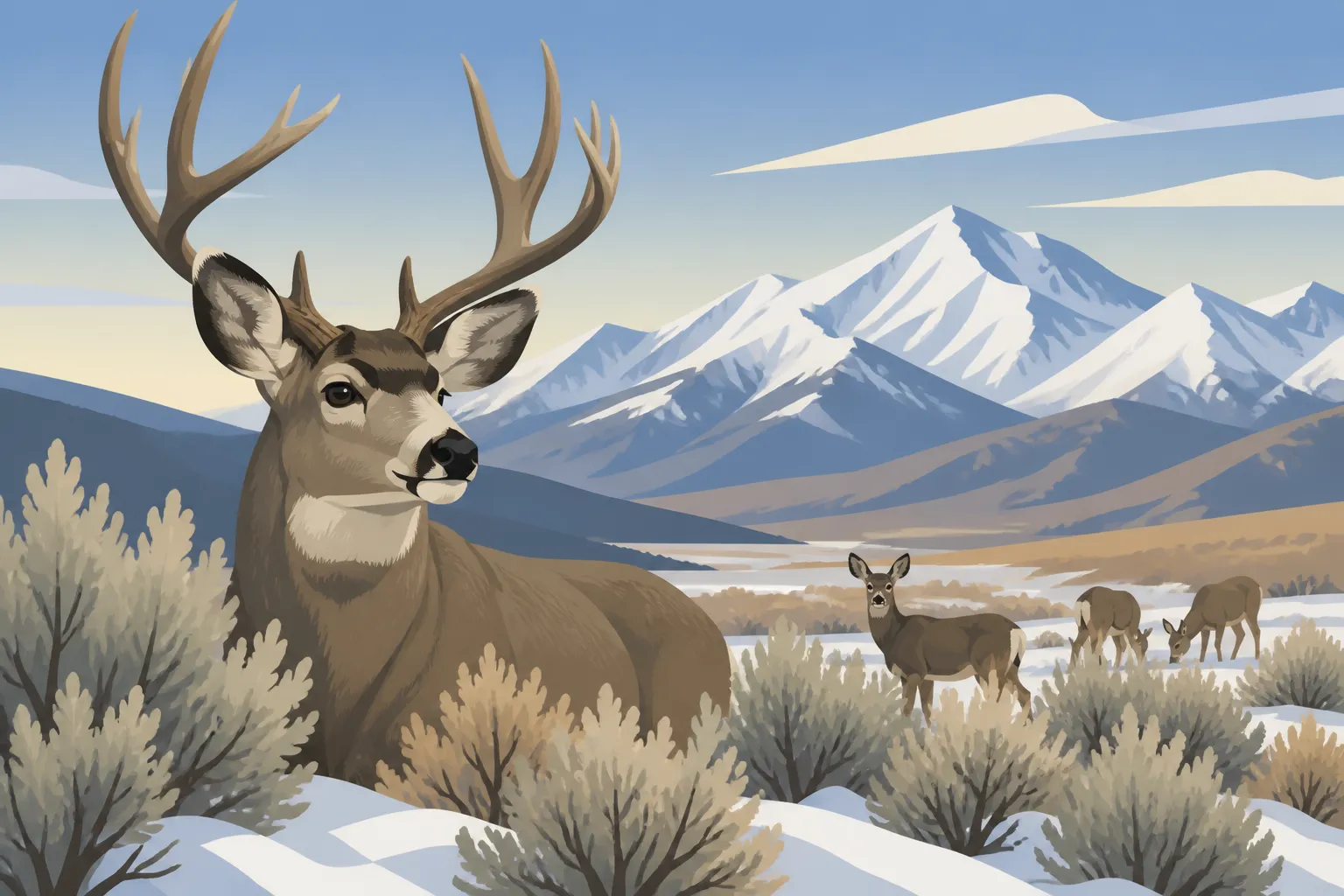
When the first serious snowfalls hit the higher elevations, mule deer, like many other big game species, begin their migration to lower, more accessible winter ranges. For a significant portion of Idaho's mule deer population, particularly in the central and southern parts of the state, this means descending into the vast, often windswept expanses dominated by sagebrush. It’s not just about escaping deep snow; it’s about survival, plain and simple.
Why Sagebrush is a Winter Lifeline
Think of sagebrush as the ultimate winter pantry and shelter for mule deer. Unlike many other plants that offer little nutritional value after going dormant or being covered by snow, sagebrush remains accessible and palatable. It’s a sturdy, evergreen shrub that provides crucial browse when other food sources are buried under feet of snow. The unique oils in sagebrush help deer digest it, offering vital energy to sustain them through the leanest months. Without these sagebrush communities, many deer would simply not survive the harsh Idaho winters. This is a critical factor when considering Mule Deer Population Trends Across the West.
Beyond sustenance, sagebrush offers critical thermal cover. While it might not look like much, a dense stand of sagebrush can significantly reduce wind chill and help deer conserve energy. On those brutally cold, windy days common in an Idaho winter, even a slight break from the elements can make a huge difference in a deer's ability to maintain its body temperature. Deer will often bed down in dense patches, using the low-lying cover to escape the worst of the weather.
The Dynamics of Snow Depth and Deer Movement
Snow depth is the ultimate driver of winter migration. A light dusting won't move them much, but once snow starts piling up and restricting movement or covering preferred forage, deer are on the move. They'll push down from the timbered slopes and high mountain basins, following natural drainages and ridges to areas where the snowpack is shallower and easier to navigate. This often leads them directly to the lower elevation sagebrush flats, foothills, and river breaks.
It's a delicate balance; too much snow on the winter range itself can be disastrous, but just enough to force them out of the high country while leaving lower areas accessible is perfect. Understanding this dynamic is key to figuring out Where Mule Deer Winter in Sage Country year after year. Hunters often monitor local snow reports closely, as these conditions directly impact when deer arrive on their wintering grounds and how concentrated they become.
Key Characteristics of Prime Winter Habitat
Not all sage country is created equal when it comes to mule deer winter range. There are specific characteristics that make certain areas more attractive and vital for their survival through the cold months. Identifying these features, whether from your couch e-scouting or boots on the ground, can be the difference between finding deer and coming up empty.
Aspect and Elevation: Sun-Drenched Slopes
One of the most crucial elements for prime winter range is slope aspect. South-facing slopes receive the most direct sunlight throughout the day, melting snow faster and keeping forage more exposed. These "solar ovens" are gold for wintering deer. They'll congregate on these sunny slopes, both to feed on exposed vegetation and to soak up the sun's warmth, helping them regulate their body temperature.
| Feature | Description | Why It's Crucial for Wintering Mule Deer |
|---|---|---|
| South-facing slopes | Receive maximum sun exposure throughout the day. | Snow melts faster, exposing forage; deer can bask in warmth, conserving energy. |
| Lower Elevation | Areas typically below 6,000 feet, often foothills and river breaks. | Less severe snow accumulation, easier movement, more accessible browse. |
| Varied Topography | Mix of slopes, draws, and benches within sagebrush communities. | Offers diverse microclimates, thermal cover, escape routes, and bedding areas. |
| Dense Sagebrush | Patches of tall, healthy sagebrush, mixed with other shrubs like bitterbrush. | Primary food source; provides crucial thermal cover from wind and snow. |
| Water Sources | Accessible springs, seeps, or river stretches (even if frozen). | Essential for hydration, even in winter; deer will often use areas near water. |
| Proximity to Escape Cover | Nearby rims, steep canyons, or isolated timber patches. | Quick access to safety from predators or human disturbance, especially in open country. |
Coupled with aspect is elevation. Generally, winter ranges are found at lower elevations than summer ranges, often in the foothills, river breaks, and broad sagebrush basins that dot much of central and southern Idaho. These lower elevations naturally receive less snow and tend to hold it for shorter durations, making forage more available. When you're using tools like GoHunt or other mapping applications, pay close attention to contour lines and identify these sun-exposed, lower-elevation areas.
Diverse Forage and Cover: More Than Just Sagebrush
While sagebrush is the star of the show, a truly productive winter range isn't a monoculture. It includes a mix of plant species that provide a more diverse diet and varied cover options. Bitterbrush, often found interspersed with sagebrush, is another highly preferred browse species for mule deer, offering excellent protein and energy. Serviceberry, chokecherry, and various native grasses can also be important, especially in early winter or during mild spells.
Look for areas where the sagebrush stands are dense enough to provide good thermal cover but also broken up enough to allow for movement and access to other forage. Deer will often seek out draws and small pockets of timber or juniper stands within the sagebrush landscape for added protection from severe weather or predators. These slight variations in habitat, often tied to topography, create crucial microclimates that deer rely on. This is where E-Scouting an Idaho Unit Before the Season really shines, as you can pick out these subtle changes in vegetation and terrain.
Identifying Productive Wintering Areas on the Map and in the Field
Finding these critical wintering grounds takes a combination of digital scouting and on-the-ground reconnaissance, often done well before the hunting season begins. It’s about understanding the lay of the land and how deer interact with it once the snow starts to fall.
E-Scouting for Wintering Mule Deer
Your computer screen can be your best friend when looking for winter range. Start by identifying large areas of sagebrush steppe, often adjacent to higher elevation summer ranges or along major river systems. Then, zoom in and utilize topographic maps and satellite imagery. Look for those south-facing slopes, the subtle benches, and the gradual draws that will shed snow faster. Pay attention to vegetation changes – areas that appear greener or denser in late fall satellite imagery might indicate more resilient forage.
Many mapping platforms, including those like GoHunt, offer layers that show public and private land boundaries, which is crucial because much of Idaho's prime winter range can be a checkerboard of ownership. Understanding Reading a Land Ownership Layer Correctly is paramount to avoid trespassing and ensure legal access. Look for areas with significant public land (BLM, Forest Service) in lower elevations, especially those with good road access that might still be open in late season, but always double-check seasonal closures. Remember that Seasonal Road Closures Across Idaho Forests can impact your access to wintering areas, often closing early to protect vulnerable wildlife.
On-the-Ground Reconnaissance and Scouting
Nothing beats putting boots on the ground, even if it's during the off-season. Visit potential winter range areas in late fall or early winter (before hunting season, if possible) to observe deer sign. Look for heavily used trails leading down from higher elevations, fresh droppings, and browse lines on sagebrush and bitterbrush. These signs indicate that deer are either actively using the area or will be soon.
When you're out there, bring your optics. Binocular Size That Survives an All-Day Session is important for long hours of glassing these open landscapes. Position yourself on a high vantage point overlooking a large basin or a series of south-facing slopes. Use The Grid Glassing Method, Step by Step to systematically scan the terrain, looking for any movement or the distinct shape of a bedded deer. Remember, mule deer often blend incredibly well into their surroundings. You might be surprised how many deer can be hidden in seemingly sparse sagebrush.
Access and Management Considerations for Winter Range
Hunting mule deer on their winter range comes with its own set of responsibilities and challenges. These are often sensitive areas, and management agencies prioritize the well-being of the deer herds during this vulnerable time. Understanding regulations and respecting wildlife is paramount.
Winter Range Closures and Regulations
Idaho Fish and Game, as well as federal land management agencies like the BLM and Forest Service, often implement winter range closures. These closures are designed to protect deer and elk from undue stress during the harshest months, allowing them to conserve energy and survive. These areas might be closed to all human entry, or specifically to motorized vehicles. It’s absolutely critical to check current regulations for the specific unit you plan to hunt. A quick check of the Idaho Fish and Game website or GoHunt’s unit resources will provide the most up-to-date information on Idaho Winter Range Closures That Affect Scouting and hunting.
These closures are in place for a reason. Harassing or disturbing deer on their winter range, even inadvertently, can cause them to expend vital energy reserves, making them more susceptible to disease, predation, and starvation. Always give deer ample space and avoid pushing them unnecessarily, especially during late-season hunts.
Public Land Access and Hunter Ethic
Much of Idaho's prime mule deer winter range falls on public lands managed by the Bureau of Land Management (BLM) or the Forest Service. These lands are generally open to hunting, but as mentioned, specific winter range closures can apply. It's also common to find a mix of public and private land, sometimes in a confusing checkerboard pattern. Knowing how to identify Units With the Highest Public Land Percentage can help focus your efforts on areas with fewer access issues. Always confirm land ownership, and if you find yourself near private ground, ensure you have explicit permission to hunt or retrieve game.
Beyond the legalities, practicing good hunter ethics is crucial. Pack out everything you pack in, minimize your impact on the land, and respect other users. Remember that winter ranges are not just for hunting; they're vital survival grounds for a magnificent animal that many people cherish, both hunters and non-hunters alike. Being a good steward of the land ensures that future generations will have the opportunity to experience the thrill of hunting Idaho mule deer.
Disclaimer
This article is for general informational purposes only and does not constitute professional advice. Laws, prices and regulations vary by location and change over time. Consult a qualified professional for guidance on your specific situation.