Idaho A Tag Against B Tag for Archery Hunters
Trying to make sense of Idaho's hunting tag system, especially when you're an archery hunter with specific goals, can feel like navigating a dense forest without a map. It’s a common frustration to stare at "A Tag" and "B Tag" options and wonder which one truly aligns with your vision for an elk or deer hunt. This guide is here to untangle that confusion, breaking down the critical differences between Idaho's A and B tags specifically for those of us who prefer to chase big game with a bow and arrow.
Understanding Idaho's Elk Zone System
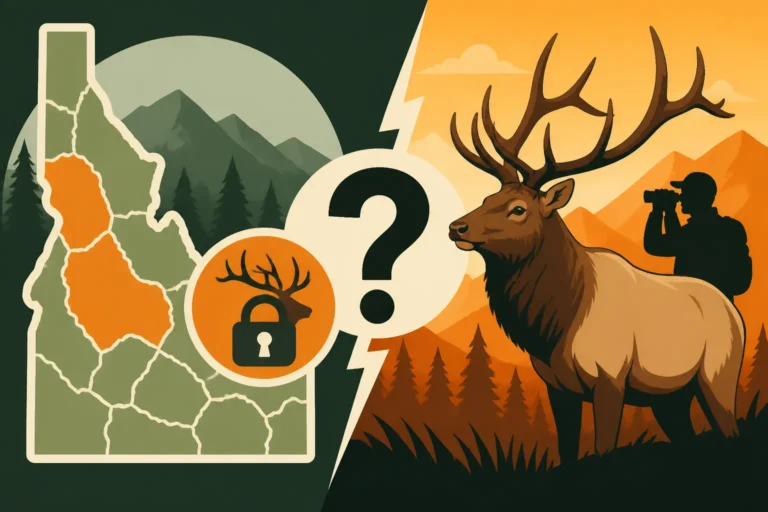
Idaho's approach to managing its incredible elk herds involves dividing the state into various "elk zones." These zones aren't just arbitrary lines on a map; they represent distinct management units, each with its own specific objectives for herd health, hunter opportunity, and harvest goals. This system allows the Idaho Department of Fish and Game (IDFG) to tailor seasons and tag allocations to local conditions, which can vary dramatically from the dense timber of the Panhandle to the high desert breaks of the south.
When you're planning an Idaho elk hunt, understanding these zones is your first step. Each zone will have its own set of rules, and crucially, will offer either A Tags or B Tags, or sometimes both, for different hunt types and weapon choices. It's a complex puzzle, but it’s designed to provide varied opportunities across the state while ensuring sustainable populations. For a deeper dive into how the state maps out these areas, you might find more insight in our guide on Idaho Elk Zones Explained.
What Defines an Elk Zone?
An elk zone is essentially a collection of Game Management Units (GMUs) that are grouped together for broader management purposes. While individual GMUs have their own detailed boundaries and regulations, the elk zone sets the overarching framework for season dates and tag types. Think of it like this: an elk zone might encompass several different GMUs, but the general season structure—like whether it’s an A Tag or B Tag zone—applies across that entire zone. These zones are established based on factors like elk population dynamics, habitat availability, and even hunter access patterns, aiming for a balanced approach to wildlife management.
The Purpose Behind Zone-Specific Tag Structures
The reason Idaho implements these zone-specific tag structures is rooted in maximizing opportunity while preventing overharvest in any single area. Some zones might be designated as A Tag zones to promote early-season archery and muzzleloader hunting, often in areas where elk are less pressured initially. Other zones might be primarily B Tag zones, designed to accommodate a broader range of weapon types and extend hunting into later periods, which often aligns with the rifle rut. This fine-tuned approach helps manage hunter effort and distribution, ensuring that pressure is spread out and that different types of hunting experiences are available throughout the state. It allows IDFG to manage harvest numbers more effectively, responding to specific herd objectives within each unique geographical area.
The A Tag: Archery's Traditional Home
For many die-hard bowhunters, the A Tag represents the quintessential early-season Idaho elk experience. These tags are traditionally tied to seasons that open much earlier than the general rifle seasons, often coinciding with the tail end of summer and the very beginnings of the elk rut. It's a time when elk are generally less wary, more vocal, and focused on building energy for the coming winter.
A Tag Season Dates for Archery
Typically, A Tag archery seasons in Idaho kick off in late August and run well into September. This timing is a huge draw for bowhunters because it places you in the field when elk activity is often at its peak, and when bulls are starting to get vocal during the pre-rut and early rut phases. Imagine the crisp morning air, hearing distant bugles echo through the timber, and the thrill of calling in a bull with a bow in hand – that’s the A Tag experience for many.
The early dates also mean you're often hunting in warmer weather, which can be a blessing and a curse. While it's more comfortable for camping, meat care becomes a critical consideration. These seasons prioritize the traditional archery experience, often overlapping with the prime time for bugling action. If your goal is to call in a bull, this window is often considered ideal. Our guide on Idaho Archery Season Dates for Elk can provide more specific dates for different zones.
Weapon Restrictions Under an A Tag
Here's where the "traditional home" aspect really comes into play. A Tags are primarily designed for archery equipment and muzzleloaders, creating dedicated seasons where modern firearms are not permitted. For archery hunters, this means the woods are exclusively yours (and other archers and muzzleloader hunters) during these specific seasons. There's no concern about rifle shots scattering elk or increased pressure from different weapon types.
During an A Tag archery season, you're strictly limited to your bow and arrow. This means no crossbows unless you have a specific disability permit, and certainly no centerfire rifles or shotguns. This restriction helps maintain the integrity of the archery season, fostering a unique hunting environment. It creates an experience where success often hinges on your woodsmanship, patience, and ability to get within very close range of an animal. While this article focuses on archery, it's worth noting that many A Tags also cover traditional muzzleloader seasons, which also have specific weapon restrictions, as detailed in our guide on Idaho Muzzleloader Caliber Minimums: .45 for Deer, .50 for Elk.
Antlerless and Spike-Only Opportunities
A significant aspect of many A Tag seasons is the focus on either antlerless (cows/calves) or spike-only bull opportunities. While some A Tag hunts do offer "any bull" opportunities, it's more common to find spike-only restrictions. A spike-only rule means you can only harvest a bull elk with antlers that are less than six inches long on both sides or have only one point (a spike) on each antler. This is a deliberate management strategy to protect yearling bulls and allow them to grow into more mature animals, improving the long-term age structure of the herd.
For an archery hunter, this means adjusting your expectations and strategy. If your primary goal is a trophy bull, an A Tag with a spike-only restriction might not be your best bet. However, if you're hunting for meat, or if you simply cherish the challenge of an early-season archery hunt, a spike-only or cow tag can provide an incredible experience. These hunts are often less pressured, and successfully harvesting a spike or cow with a bow is a deeply rewarding accomplishment. For those interested in the specifics, we have a detailed piece on Spike-Only Bull Rules Under an Idaho A Tag.
The B Tag: Wider Weapon Choice, Later Archery
While A Tags are often associated with early-season bowhunting, B Tags offer a different kind of opportunity, characterized by a broader range of weapon choices and typically later season dates. For archery hunters, a B Tag can still be a fantastic option, though the dynamics of the hunt will feel distinctly different.
B Tag Season Dates for Archery
B Tag archery seasons in Idaho generally run later than A Tag seasons. While A Tags typically end by late September or early October, B Tag archery seasons might extend into October or even early November in some zones. This later timing means you'll be hunting in colder weather, often with the possibility of snow, and possibly after the main rut has tapered off. The elk might also be more pressured at this point, having already encountered hunters from earlier seasons.
However, later seasons can offer unique advantages. Cooler temperatures make meat care easier, and snow can reveal tracks, making it simpler to locate animals. While the full-blown bugling might have subsided, bulls can still be responsive to cow calls, and you might encounter elk in larger herds as they begin to transition to winter range. It’s a different challenge than the early rut, but equally rewarding for the persistent archery hunter.
Flexibility in Weapon Choices (for future hunts)
The defining characteristic of B Tags is their inherent flexibility, particularly regarding weapon choices. While you, as an archery hunter, will certainly be using your bow, B Tags are primarily structured to accommodate general weapon seasons, which often include centerfire rifles, shotguns, and muzzleloaders. This doesn't mean you have to use a rifle; it simply means the season dates are set within that broader framework.
For an archery hunter, this flexibility offers a crucial advantage: if your archery season is unsuccessful, and you haven't filled your tag, a B Tag may allow you to pursue elk with a rifle during a later general season in the same zone, should you choose to switch weapons. This can be a huge draw for hunters who want to maximize their chances, even if their heart is set on archery. It provides a valuable fallback option. For those considering this path, understanding the differences between the tags for other weapon types is important, and you can learn more by reading Idaho A Tag Against B Tag for Rifle Hunters.
Any-Bull vs. Specific Bull Restrictions
One of the most appealing aspects of many B Tag elk hunts, especially for archers seeking a mature bull, is the "any-bull" opportunity. Unlike the often spike-only restrictions of A Tags, many B Tag seasons allow hunters to harvest any legal bull, regardless of antler configuration. This significantly opens up the possibilities for trophy hunting.
For an archery hunter, an "any-bull" B Tag means you can hold out for a larger, more mature bull without the antler restrictions. This freedom, however, comes with its own set of challenges. These seasons typically overlap with higher hunter pressure, as rifle hunters are also in the field. Elk may be more nocturnal, more wary, and harder to locate. Successfully harvesting a mature bull with a bow during an "any-bull" B Tag season, especially with other weapon types active, is a testament to skill and perseverance. Our comprehensive guide on Any-Bull Any-Weapon Seasons Under an Idaho B Tag offers even more information about these kinds of opportunities.
Navigating the Choice: A Tag or B Tag for Your Archery Hunt?
Deciding between an A Tag and a B Tag as an archery hunter is a significant choice that will largely define your Idaho hunting experience. It boils down to a few key factors: your hunting style, your trophy goals, and your tolerance for pressure and specific season conditions.
Early Rut vs. General Season Pressure
The biggest differentiator is often the timing and the associated hunting pressure. An A Tag typically puts you in the woods during the early rut, a magical time when elk are most vocal and active. The advantage here is often less overall pressure from other weapon types, allowing for more intimate calling encounters and a more "traditional" bowhunting feel. The downside is often the spike-only bull restriction, limiting your trophy potential to a meat animal or a younger bull.
On the flip side, a B Tag often means hunting later in the season, when general weapon seasons are either running or are about to begin. This period sees higher hunter density, and elk can be more skittish and scattered. However, the lure of an "any-bull" tag—the chance to take a mature bull regardless of antler points—is a huge draw. If your archery skills are honed and you're willing to work harder to find unpressured animals, a B Tag could offer the big bull opportunity you're seeking. It’s a classic trade-off: less pressure for limited bull size (A Tag), or more pressure for bigger bull potential (B Tag).
Hunter Density and Experience
Consider the kind of experience you're after. If you value solitude and the quiet challenge of an archery-only environment, an A Tag's early season might be more appealing. While you'll still encounter other archers and muzzleloader hunters, the overall density and noise from modern firearms is absent. This can lead to a more peaceful, focused hunt where you're truly immersed in the elk woods.
B Tag seasons, particularly when they overlap with general rifle seasons, will undoubtedly have higher hunter density. Roads may be busier, and you might hear more distant shots. This can make elk more elusive and force you to hunt deeper into rugged terrain to find unpressured animals. If you're comfortable with sharing the woods and adapting your tactics to more pressured conditions, and the prospect of an "any-bull" tag outweighs the increased company, a B Tag can still offer a thrilling archery hunt. It often comes down to how much you prioritize a quieter experience versus the potential for a larger animal.
Tag Availability and Drawing Odds
Finally, don't forget the practical realities of tag availability and drawing odds. Not every zone offers both A and B tags, and the popularity of certain zones can make tags harder to draw. Some highly sought-after zones, especially those known for trophy bulls, might have incredibly low drawing odds for either tag type.
It's absolutely essential to do your homework well in advance. Tools like GoHunt can be invaluable for researching historical drawing odds, harvest statistics, and public land percentages for specific units and zones. Looking at these statistics will give you a realistic picture of your chances. Sometimes, a less popular zone with a B Tag might offer better drawing odds for an "any-bull" opportunity than a highly contested A Tag zone. Always check the current year's regulations on the Idaho Fish and Game website and utilize resources like The Idaho Hunt Planner Is the Tool to Start With to scout potential units and understand the nuances. Our article on Checking Idaho Drawing Odds Before You Apply also offers more detail on this critical step.
Here's a quick comparison to help you visualize the core differences for archery hunters:
| Feature | A Tag (Archery Focus) | B Tag (Archery Option within General) |
|---|---|---|
| Season Dates | Early season (late Aug – Sept), often pre-rut/early rut | Later season (Oct – Nov), post-rut/general season overlaps |
| Primary Weapon Focus | Archery, Muzzleloader | General weapons (Rifle, Shotgun, Muzzleloader, Archery) |
| Archery Experience | Often archery-only periods, less external pressure | Archery alongside/overlapping with general seasons, more pressure |
| Bull Harvest | Frequently spike-only, or cow/calf hunts | Often "any bull" opportunities |
| Hunter Density | Generally lower, especially early in the season | Generally higher, especially during rifle overlaps |
| Meat Care | Warmer temperatures, requires more immediate attention | Cooler temperatures, generally easier meat care |
| Flexibility (Post-Archery) | Limited to archery/muzzleloader within season | May allow switching to rifle if tag unfilled and season permits |
| Drawing Odds | Varies by zone, some A tags very competitive | Varies by zone, some B tags also highly competitive |
Practical Considerations for Archery Hunters
Beyond the rules and regulations, being an archery hunter in Idaho demands a unique set of practical considerations. The specific tag you choose will influence everything from your physical preparation to the gear you pack and the way you scout.
Physical Fitness and Terrain
Regardless of whether you choose an A Tag or a B Tag, Idaho's backcountry demands a high level of physical fitness from archery hunters. The terrain is often steep, rugged, and unforgiving, and the ability to cover ground silently and efficiently is paramount to bowhunting success.
For A Tag hunts in late August and September, you might be dealing with warmer temperatures, which means hydrating constantly and being mindful of heat exhaustion while packing out meat. The elk will likely be in higher elevations, requiring lung-busting climbs. With a B Tag later in the year, you might encounter cold rain, snow, or even blizzard conditions. This means training to perform in adverse weather, ensuring your muscles are conditioned for slippery footing, and being prepared for longer, colder stalks. The physical demands of just getting within bow range, let alone packing out an animal, cannot be overstated. We delve deeper into preparing for these conditions in our guide on Physical Conditioning for Idaho Backcountry.
Gear Selection for Different Seasons
Your gear list will shift significantly depending on whether you're hunting an early A Tag or a later B Tag. For early-season A Tags, lightweight, breathable layers are key. You'll want clothing that wicks sweat, and rain gear is always a must in the mountains. Bug spray might be an essential item, and a reliable water filtration system will be critical. Given the warmer temps, quick and efficient meat care supplies, like game bags and perhaps even a portable cooler strategy, are vital.
For B Tags that run into October and November, cold weather gear becomes paramount. Think insulated layers, heavy-duty waterproof outerwear, warm gloves, and robust boots designed for snow. Your sleep system will need to be rated for much colder temperatures, and even your food choices might shift towards calorie-dense options that provide sustained energy. Optics are always crucial, but perhaps even more so in later seasons when elk might be in larger, more open herds and require more distant glassing to locate. Consider a good spotting scope in addition to your binoculars, especially if you're glassing vast canyons. For more on optics, check out Optics Power for Idaho's Long Canyon Sightlines.
Scouting and E-Scouting
Scouting is the bedrock of successful archery hunting, and it's equally important whether you have an A Tag or a B Tag. However, the timing of your scouting efforts and what you look for will vary. For A Tags, early summer scouting for rubs, wallows, and high-elevation bedding areas is crucial. You're looking for where elk will be when the rut begins to kick off. Utilizing trail cameras in key areas can help you pattern bulls before the season opens.
For B Tags, particularly later seasons, you might be looking at different aspects. Elk may have moved to lower elevations, or be concentrated near specific food sources or thermal cover. Scouting for fresh tracks in new snow, identifying migration corridors, and understanding how elk react to hunting pressure in a given unit becomes more important. E-scouting tools, like those offered by GoHunt, are invaluable here. They allow you to virtually explore units, identify potential water sources, bedding areas, and access points from the comfort of your home. You can analyze terrain, vegetation, and public land boundaries, helping you narrow down areas for on-the-ground investigation. Our guide on E-Scouting an Idaho Unit Before the Season provides a deeper dive into these techniques.
Disclaimer
Please remember that hunting regulations, season dates, and tag availability can change annually. It is your sole responsibility to consult the most current Idaho Fish and Game regulations and official publications before planning or embarking on any hunting trip. The information provided here is for general informational purposes only and should not be considered legal advice or a substitute for official sources.