Do Capped Zones Count Toward the Elk Quota?
One of the most frustrating aspects of planning an Idaho elk hunt, especially as a nonresident, is trying to decipher the complex tag allocation system. Many hunters wonder if those highly sought-after capped zone tags are simply "extra" opportunities, or if they chip away at the already limited statewide nonresident elk quota. This guide will meticulously break down how Idaho manages its nonresident elk tags, clarifying the role of capped zones and helping you understand what it truly means for your hunting prospects.
Understanding Idaho's Elk Quota System
Idaho is a bucket list destination for many elk hunters, and for good reason—the state offers incredible public land opportunities and robust elk populations. However, for nonresidents, securing an elk tag can feel like navigating a maze. Idaho Fish and Game carefully manages its wildlife resources, and that includes setting strict limits on how many nonresident hunters can pursue big game, particularly elk. It's a system designed to balance opportunity with wildlife conservation and resident preference, but it often leaves nonresidents scratching their heads.
The Statewide Nonresident Elk Tag Pool
Idaho operates with a firm, statewide cap on the total number of nonresident elk tags it issues each year. This isn't just a suggestion; it's a hard limit. For instance, the state currently sets aside Idaho Sets Aside 1,846 Deer and 2,975 Elk Tags for Nonresidents, numbers that fluctuate based on management objectives and legislative decisions. This fixed number represents the absolute maximum number of nonresident elk hunters who can legally pursue elk in Idaho in any given season.
This central pool is the starting point for all nonresident elk tags. Whether you're dreaming of a high-country archery hunt or a late-season rifle hunt in a specific unit, every single nonresident elk tag ultimately originates from this finite number. The competition for these tags is intense, especially in popular units or during prime season dates. Hunters often spend hours researching units, draw odds, and application strategies to try and improve their chances. Platforms like GoHunt become invaluable tools for sifting through data and making informed decisions, providing insights into draw trends and unit specifics that can feel overwhelming to track manually.
The Role of Zone Tags in Overall Allocation
Within this overarching statewide quota, Idaho further subdivides the available tags into different categories, including specific zones and weapon types. You'll hear talk of "A Tags" and "B Tags," which dictate the primary weapon season you can hunt. For example, Idaho Elk Zones and the A Tag or B Tag Choice typically offer archery and muzzleloader opportunities, while B tags often cater to rifle hunters. These zone-specific tags are not additional tags created on top of the statewide quota. Instead, they represent a distribution of that existing, limited pool.
Imagine the statewide nonresident elk quota as a large pie. When Idaho designates a certain number of tags for the Panhandle Zone, or the Lolo Zone, or any other specific area, those slices are taken directly from that main pie. They don't magically appear as extra slices. This is a critical distinction that often confuses hunters. They might see a specific zone offering hundreds of tags and assume those are "extra" opportunities, when in reality, they are simply portions of the total nonresident quota that have been earmarked for that particular zone and hunt type. Understanding this foundational principle is key to grasping how capped zones fit into the larger picture.
What Capped Elk Zones Really Mean for the Quota
This brings us to the core question: Do capped zones count toward the elk quota? The answer, unequivocally, is yes. Every single nonresident elk tag, including those allocated to capped zones, counts directly against Idaho's overall nonresident elk quota. This is perhaps one of the most misunderstood aspects of Idaho's tag system, and it's vital for any nonresident hunter to grasp.
The confusion often stems from the term "capped zone" itself. It implies a separate, distinct limit, which is true in a local sense, but not in the context of the statewide nonresident quota. When you see a unit or zone listed as "capped," it means that Idaho Fish and Game has placed a specific limit on the number of tags that can be issued for that particular area, for both residents and nonresidents alike. For nonresidents, these tags are then pulled from their already restricted statewide allocation, making them incredibly valuable and competitive. Many hunters applying for general tags often find that Capped Elk Zones Sell Out While General Tags Sit unchosen, precisely because those capped tags have already consumed a significant portion of the total nonresident quota.
The "Count" Factor: Capped Tags as Part of the Whole
Let's illustrate this with a concrete example. If Idaho's nonresident elk quota is, say, 2,975 tags, and 500 of those tags are specifically designated for a highly popular capped elk zone like the Sawtooth or Frank Church Wilderness (which has its own unique considerations for nonresidents), those 500 tags are immediately subtracted from the 2,975 total. This leaves only 2,475 tags available for all other general nonresident elk hunts across the rest of the state.
So, when you apply for a capped zone tag, you're not just competing against other hunters for that specific zone; you're also using up a portion of the limited statewide pool that could have gone to a general hunt. This has a direct impact on the availability and draw odds for all other nonresident elk opportunities. It means that the more capped zones there are, and the more popular they become, the tighter the competition gets for every other nonresident elk tag. For hunters, this translates into difficult choices: do you try for a highly coveted, limited capped zone tag with potentially lower draw odds, or do you opt for a general tag with perhaps better odds but less specific unit control? Using resources like GoHunt to analyze historical draw data for both capped and general tags can help clarify these choices.
Why Idaho Uses Capped Zones
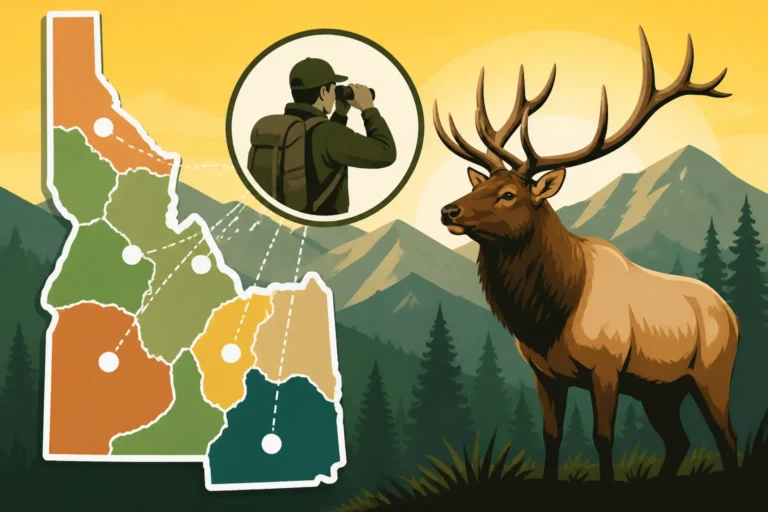
Idaho implements capped zones for several important reasons, primarily focused on wildlife management and hunter experience. These zones are often established in areas with sensitive elk populations, unique habitat challenges, or where specific management objectives are in place, such as growing trophy-quality bulls or dispersing hunting pressure. For example, The Nine Capped Elk Zones in Idaho exist to provide more targeted management within larger elk zones. By limiting the number of hunters in these areas, the state can:
- Manage Specific Herd Units: Capped zones allow Idaho Fish and Game to precisely control harvest within smaller, defined elk populations. This can be crucial for maintaining healthy age structures, protecting breeding cows, or allowing specific bull populations to mature.
- Reduce Hunting Pressure: Concentrated hunting pressure can quickly make elk wary and push them into private land or difficult-to-access areas. Capped zones help distribute hunters more evenly, preventing overcrowding in popular spots and potentially improving the quality of the hunt for those who draw a tag.
- Enhance Hunt Quality: Fewer hunters often translate to a more remote, wilderness-like experience. For many, drawing a capped zone tag represents an opportunity for a higher-quality hunt, even if the draw odds are steeper. The state aims to provide diverse opportunities, from general tags to more exclusive capped zone experiences.
The trade-offs, of course, are fewer tags available in the general pool for nonresidents and increased competition for those capped zone tags. It's a delicate balancing act the state performs to manage a valuable resource while still offering hunting opportunities to both residents and nonresidents.
Navigating the Idaho Elk Tag System as a Nonresident
Understanding that capped zone tags count against the overall nonresident quota fundamentally changes how you might approach your Idaho elk hunt application. It's not just about picking a cool unit; it's about strategic planning and realistic expectations. Idaho doesn't use a preference point system, meaning every applicant, regardless of past attempts, has essentially Idaho Has No Preference Points, and What That Changes. This means diligence in research and application strategy is key.
Application Strategies for Capped vs. General Tags
Deciding whether to apply for a capped zone tag or a general tag is one of the most critical decisions a nonresident hunter will make. Each path has its own set of advantages and disadvantages:
- Capped Zone Tags: These often offer a more specific, potentially higher-quality hunting experience in a designated area. However, they come with significantly lower draw odds due to high demand and limited numbers. If you're dead set on a particular unit or a specialized hunt, a capped zone might be your only option. You need to be prepared for the strong possibility of not drawing a tag, but the reward if you do can be immense. Using tools like GoHunt can provide detailed draw odds for specific capped zones, allowing you to gauge your chances realistically.
- General Tags: These offer broader flexibility, allowing you to hunt across multiple units within a larger elk zone. While they might not provide the exclusivity of a capped zone, the draw odds for general tags can often be more favorable, especially for those willing to hunt less popular zones or during less desirable times. This is often a safer bet for nonresidents whose primary goal is simply to secure an elk tag.
When formulating your strategy, thoroughly research the draw odds for both types of tags. The Idaho Fish and Game website offers draw statistics, but third-party platforms like GoHunt can often present this data in a more digestible format, helping you compare various units and hunt types side-by-side. Don't just look at the overall draw odds; delve into the success rates and hunter numbers for each unit you're considering. This diligence helps manage expectations and improves your chances of securing a tag. For more information on analyzing your chances, consider reviewing Checking Idaho Drawing Odds Before You Apply.
The Interplay of A Tags, B Tags, and Capped Zones
Adding another layer of complexity is the distinction between A tags and B tags, which can exist within both general and capped zones. This distinction defines the weapon type and season dates you'll be allowed to hunt:
- A Tags: These are typically geared towards archery and early muzzleloader seasons. If you're a bowhunter, an A tag is often what you'll be after. A Tags Favor Archery and Muzzleloader Hunters by offering more opportunities during the rut.
- B Tags: These generally cover later-season opportunities, often including rifle seasons. If you prefer hunting with a centerfire rifle or want to hunt later in the fall, B Tags Favor the Centerfire Rifle Crowd.
It's crucial to understand that even within a capped zone, you might have the choice between an A tag or a B tag, each with its own specific tag numbers drawn from the capped zone's total allocation, which then comes from the overall nonresident quota. This further subdivides the already limited pool of tags, making your research into specific hunt codes incredibly important. A capped zone's A tag opportunities might have drastically different draw odds and season dates than its B tag opportunities. Always double-check the specific regulations and hunt dates for the exact tag you're applying for, as outlined in the Idaho Controlled Hunt Calendar, April Through August. Many hunters use the Using the Idaho Hunt Planner Map Center to visualize these zones and plan their hunts.
Monitoring Tag Availability and Leftovers
Even after the main and second drawings are complete, there's sometimes a glimmer of hope for securing an Idaho elk tag: leftover and returned tag sales. While rare for the most popular capped zones, tags can occasionally become available if drawn applicants fail to purchase their tags by the deadline, or if hunters return their tags for various reasons. This process, often referred to as Returned Tag Sales Are Idaho's Back Door, is a first-come, first-served opportunity.
These leftover tags are typically sold through the Idaho Fish and Game's online licensing system, GoOutdoorsIdaho, or over the phone. You have to be quick, though, as these tags often sell out in minutes, sometimes even seconds. While you shouldn't rely on this as your primary strategy, it's worth keeping an eye on the Fish and Game website and official announcements if you miss out on the initial drawings. The availability of these tags, whether general or for capped zones, will still be governed by the overall nonresident quota; they are simply tags that were previously allocated but went unpurchased.
| Feature | Capped Zone Tags | General Tags |
|---|---|---|
| Impact on Quota | Counts directly against the overall statewide nonresident elk quota. | Counts directly against the overall statewide nonresident elk quota. |
| Availability | Highly limited, specific numbers per zone; very competitive draw odds. | Broader availability, allows hunting across larger elk zones; often better odds. |
| Draw Odds | Generally lower due to high demand and strict caps. | Generally higher, especially in less popular zones or during specific seasons. |
| Hunt Quality | Often perceived as higher due to fewer hunters and specific management goals. | Varies widely by zone; can still offer excellent hunts in less pressured areas. |
| Season Structure | Can be A or B tag based, dictating weapon and season dates within the cap. | Can be A or B tag based, dictating weapon and season dates across broader areas. |
| Flexibility | Less flexible; tied to a specific zone and hunt code. | More flexible; allows hunting within any unit of a chosen general zone. |
Remember, the initial cost for nonresidents starts with purchasing The Idaho Nonresident Hunting License Price before you can even apply for a tag, so understanding the odds and allocation process is crucial to making a sound financial and strategic decision.
Disclaimer
Please note that hunting regulations, quotas, and application processes can change annually. While this guide aims to provide accurate and comprehensive information based on current knowledge, always consult the official Idaho Fish and Game website or contact their offices directly for the most up-to-date and legally binding regulations before planning your hunt.