Horseback and Pack String Outfitters in Idaho
Idaho's vast, untamed backcountry is a hunter's dream, a rugged expanse of mountains, canyons, and dense timber that promises solitude and incredible game. But for many, simply getting into these remote areas, let alone bringing a big game animal out, feels like an insurmountable challenge. That's where horseback and pack string outfitters step in, bridging the gap between your hunting aspirations and the logistical realities of a truly wild hunt. This guide will walk you through everything you need to know about navigating Idaho's wilderness with the help of these indispensable partners.
The Enduring Appeal of Horseback Hunting in Idaho
There's something deeply traditional and profoundly effective about hunting from horseback, especially in a state like Idaho. The sheer scale of the landscape and the density of some of the timbered country just make foot travel incredibly challenging, both for getting in and for getting your harvest out. When you're dreaming of chasing elk or mule deer in the deep wilderness, often the only way to genuinely access the best spots and ensure you can retrieve your animal is with the steadfast reliability of a good string of horses and mules.
Why Horses are Still King in the Backcountry
Think about the sheer mileage and elevation gain involved in reaching prime elk habitat in the Frank Church River of No Return Wilderness, or some of the more remote sections of the Selway-Bitterroot. While your own two feet are certainly capable, carrying enough supplies for a week, plus packing out hundreds of pounds of meat and antlers, is a completely different story. Horses and mules offer an efficiency that human strength simply can't match. They can cover miles of tough terrain in a day, carrying heavy loads with relative ease, saving your energy for the actual hunt. This isn't just about convenience; it's about making a remote hunt physically feasible and enjoyable, rather than an exhausting slog.
Beyond the physical capabilities, there's a certain romanticism to horseback hunting. It connects you to a long lineage of hunters and explorers who relied on these animals to conquer the wild. The rhythmic creak of leather, the scent of horse sweat and pine needles, and the quiet clip-clop of hooves on a mountain trail—these sensory experiences are part of the allure, pulling you deeper into the wilderness experience. It's a method that forces you to slow down, observe, and connect with the landscape in a way that modern transportation often doesn't allow.
Navigating Idaho's Rugged Terrain
Idaho's terrain is notoriously rugged and unforgiving. We're talking about steep, broken canyons that drop thousands of feet to raging rivers, dense stands of lodgepole pine so thick you can barely see twenty yards, and high mountain passes that are only open for a few months of the year. Attempting to traverse much of this with a heavy pack on your back, particularly off-trail, is not only agonizing but often dangerous. This is where the local knowledge and sure-footedness of an outfitter's stock truly shine.
Experienced mountain horses and mules are bred and trained for these conditions. They know how to pick their way through rockslides, traverse narrow game trails clinging to cliff faces, and cross swift, icy mountain streams. A skilled outfitter knows the subtle nuances of the land, understanding which routes are safest and most efficient for their animals. This expertise is invaluable; it means you're not just getting a ride, you're getting access to areas that would otherwise be impenetrable, dramatically increasing your chances of finding game in less pressured environments.
Packing Out Your Hard-Earned Harvest
Let's be brutally honest about one of the biggest challenges of western big game hunting: getting the animal out. If you're fortunate enough to drop a bull elk deep in the backcountry, you're looking at hundreds of pounds of meat, plus the hide and antlers, to transport over potentially miles of difficult terrain. Many a hunter has found themselves successful but utterly defeated by the prospect of multiple exhausting pack trips back to a trailhead. This is where a pack string becomes not just helpful, but absolutely essential.
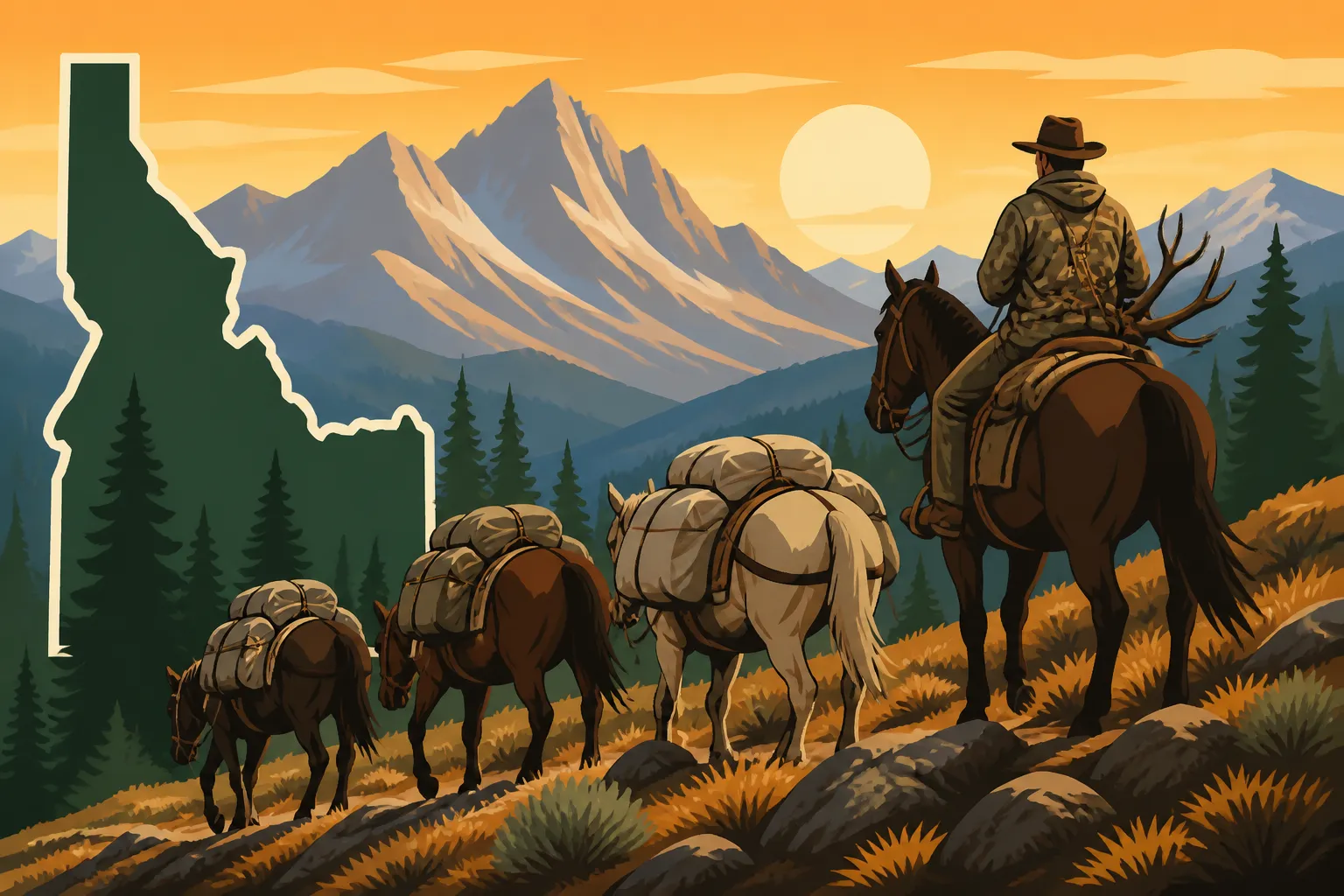
An outfitter's pack string can make short work of what would be an impossible task for a solo hunter or even a small group on foot. With several mules dedicated to carrying meat panniers, a downed elk can often be packed out in a single trip, or at most two. This is crucial for preserving the quality of the meat, especially in warmer early-season hunts, and prevents a successful hunt from turning into a nightmare of physical exertion and wasted meat. It allows you to focus on the shot and the subsequent field dressing, knowing the retrieval logistics are well in hand.
Understanding Different Pack String Services
Not all horseback hunting experiences are created equal, and Idaho outfitters offer a range of services tailored to different budgets, skill levels, and desired levels of independence. Understanding these options is key to picking the right adventure for your next trip into the mountains. Whether you want a fully catered experience or just a ride into a remote camp, there's likely an outfitter service that fits your needs.
Fully Guided Horseback Hunts
This is the quintessential "all-inclusive" experience. When you book a fully guided horseback hunt, you're typically signing up for an adventure where almost everything is handled for you once you arrive at the designated meeting point. This includes the horses and mules for transportation, an experienced guide who knows the hunting area intimately, all your meals, and comfortable camp accommodations. You'll ride into camp, often deep in the wilderness, and your guide will lead you on daily hunts, help you spot game, track, and assist with field dressing and packing out any animals you harvest. What a Fully Guided Idaho Elk Hunt Includes details many of these components.
These hunts are perfect for hunters who want to maximize their chances of success, minimize logistical headaches, or who are new to backcountry hunting and want to learn from a seasoned professional. The outfitter takes care of all the heavy lifting, from cooking over an open fire to navigating treacherous trails. While these hunts are generally the most expensive option, they offer a truly immersive and worry-free wilderness experience, allowing you to focus entirely on the hunt itself and soak in the solitude of Idaho's vast public lands. Many outfitters offer fully guided trips for species like elk, mule deer, and even bear or mountain lion.
Drop Camps and Spotted Hunts
For those who crave a bit more independence but still need the crucial assistance of a pack string, drop camps and spotted hunts are an excellent middle ground. With a drop camp, an outfitter will pack you and your gear (including your food and personal hunting equipment) into a pre-established camp location, often with wall tents, cots, and a wood stove already set up. They'll drop you off, typically for a pre-determined number of days, and then return to pick you up at the agreed-upon time. You handle all the hunting, cooking, and daily camp chores yourself. Idaho Drop Camp Hunts Explained provides a deeper dive into this type of service.
Spotted hunts are similar, but might involve less permanent camp infrastructure. An outfitter might simply pack you and your gear into a chosen remote location and pick you up later, leaving you to set up your own spike camp. These options provide access to very remote areas that are typically inaccessible to vehicle traffic, putting you in prime hunting grounds away from the crowds. They are often more affordable than fully guided hunts, as you're essentially paying for the transportation and camp setup, not the daily guiding services. This suits hunters who are confident in their own hunting skills, enjoy the challenge of a DIY experience, but recognize the necessity of horses for deep wilderness access and game retrieval.
Day Rides and Pack-In/Pack-Out Services
Sometimes, you don't need a full week in a drop camp or a guided experience; you just need specific logistical help. This is where day rides and dedicated pack-in/pack-out services come in. A day ride might involve an outfitter taking you and your gear a certain distance into the wilderness for a single day of hunting, then picking you up in the evening. This can be great for scouting new areas, accessing a specific ridge line, or making a quick, targeted hunt. You get the benefit of horse travel without the commitment of a multi-day camp.
Pack-in/pack-out services are invaluable for DIY hunters who might hike into a remote area but need assistance retrieving a large animal. Imagine you've backpacked miles into a wilderness area, taken a bull elk, and now face the monumental task of carrying hundreds of pounds of meat out. You can often arrange for an outfitter to meet you at a designated spot, pack out your harvest, and save you days of brutal physical labor. This type of service is a lifesaver for many who prefer to hunt on their own terms but understand the physical limits of human-powered retrieval. Pack String Outfitters Working in Idaho further illustrates these specialized services.
| Service Type | Description | Ideal For | Level of Independence | Cost (Relative) |
|---|---|---|---|---|
| Fully Guided Hunt | All-inclusive: guide, horses, camp, food, daily hunting. Outfitter handles all logistics. | First-time backcountry hunters, those seeking maximum success, minimal logistics. | Low | Highest |
| Drop Camp | Outfitter packs you and your gear into a pre-set camp; you hunt and manage camp yourself. | Experienced DIY hunters needing remote access, more affordable than guided. | Medium | Medium |
| Spotted Hunt | Outfitter packs you and gear to a remote spot; you set up your own camp and hunt. | Self-sufficient hunters comfortable with primitive camping, needing deep access. | High | Medium |
| Day Ride | Outfitter takes you into a remote area for a single day of hunting; picks you up later. | Quick access to specific areas, scouting, less commitment. | High (for the day) | Low to Medium |
| Pack-In/Pack-Out | Outfitter transports gear/harvest only, typically for DIY hunters who've hiked in. | DIY hunters who need help with heavy retrieval or camp resupply. | High | Low (per service) |
What to Look For in an Idaho Horseback Outfitter
Choosing the right outfitter is arguably as important as choosing the right hunting unit. A great outfitter can make your hunt, while a poor one can lead to frustration, missed opportunities, or even safety concerns. It's not just about finding someone with horses; it's about finding a professional who prioritizes safety, animal welfare, and a positive client experience.
Experience with Stock and Terrain
When you're entrusting your safety and the success of your hunt to an outfitter and their horses, experience is paramount. You need an outfitter who not only understands hunting but also intimately knows the specific hunting unit they operate in and, crucially, possesses exceptional horsemanship skills. Ask about their years of experience guiding in that particular area and their history with pack strings. The terrain in Idaho can be unforgiving, and you need animals and handlers who are adept at navigating it safely. Horsemanship Requirements for Idaho Guides outlines some of the standards expected.
Beyond just the outfitter, inquire about their guides. Are they seasoned veterans of the backcountry, or new recruits? A good guide will be patient, knowledgeable about local game movements, and capable of handling any situation that arises with the horses. The condition of their stock is also a huge indicator. Are the horses and mules healthy, well-fed, and calm? Reputable outfitters take immense pride in their animals, as they are the backbone of their operation. They should be able to tell you about their training, their temperament, and how they keep them conditioned for the rigors of mountain travel.
Permits, Licenses, and Insurance
This might sound like dry paperwork, but it's absolutely critical. Any legitimate outfitter operating on public lands in Idaho must possess appropriate permits from agencies like the U.S. Forest Service or Bureau of Land Management. These permits authorize them to operate commercially within specific geographic areas. Without these, they are operating illegally, which can lead to serious problems, including your hunt being shut down. Always verify an outfitter's current permits. The Idaho Outfitters and Guides Licensing Board oversees and regulates these professionals, and you can confirm their credentials directly through the board.
In addition to federal permits, outfitters and their guides must be licensed by the state of Idaho. This ensures they meet certain professional standards and have passed required exams. Don't hesitate to ask for their license numbers and cross-reference them with The Idaho Outfitters and Guides Licensing Board Explained. Furthermore, a reputable outfitter will carry liability insurance. Accidents can happen, especially in the backcountry, and you want to know that you're protected. If an outfitter is hesitant or unable to provide proof of current permits, licenses, and insurance, consider that a major red flag and look elsewhere. This due diligence protects both you and the outfitter.
Camp Logistics and Amenities
The type of camp and amenities offered will vary significantly depending on whether you're on a fully guided hunt or a drop camp. For a fully guided experience, you can expect well-maintained wall tents, often with cots, wood stoves for heat, and perhaps even a separate cook tent. Water sources will be established, and food will be prepared by a camp cook or your guide. The focus is on providing a comfortable base camp that allows you to recover each evening and be ready for the next day's hunt. Outfitter Lodging Standards in an Idaho Camp covers typical arrangements.
For drop camps, while the outfitter might provide a wall tent and some basic equipment, you're usually responsible for bringing your own sleeping gear, cooking supplies, and personal items. Discuss these details upfront: what exactly does the outfitter provide, and what do you need to bring? Inquire about water sources (springs, streams, filtration methods), waste management, and emergency communication protocols. The more remote the camp, the more basic the amenities will likely be. Understanding what to expect will help you pack appropriately and avoid any unpleasant surprises once you're deep in the wilderness.
Planning Your Horseback Hunt: Key Considerations
Embarking on a horseback hunt in Idaho is an investment of time, money, and effort. To ensure a successful and enjoyable trip, meticulous planning is essential. This includes preparing yourself physically, assembling the right gear, and understanding the financial and scheduling commitments involved. Don't underestimate the demands of a true backcountry adventure.
Physical and Riding Conditioning
Many hunters mistakenly believe that because they're on a horse, they don't need to be in good physical shape. This couldn't be further from the truth for an Idaho backcountry hunt. You'll be riding for hours each day, often up steep mountain trails, which uses different muscle groups than you might be accustomed to. Beyond the riding, you'll still be dismounting to stalk game, hike through timber, and potentially pack meat over shorter distances. Being physically fit will significantly enhance your endurance, comfort, and ability to react when opportunity strikes. Physical Conditioning for Idaho Backcountry goes into more detail.
If you're not an experienced rider, consider taking a few lessons before your trip. While outfitters' horses are generally seasoned and calm, being comfortable in the saddle and understanding basic horsemanship will make your experience much safer and more enjoyable. You'll need to know how to properly sit, balance, and distribute your weight, especially on steep ascents and descents. Discuss your riding experience honestly with your outfitter; they can match you with an appropriate horse and offer advice on preparation. Don't forget to prepare for the elevation, as many Idaho hunting areas are at significant altitudes, which can impact even the fittest individuals.
Gear, Clothing, and Personal Items
Your gear list for a horseback hunt will be a blend of standard hunting essentials and items specifically suited for equestrian travel and backcountry living. Since space and weight on a pack string are always considerations, you'll need to be strategic. Start with good quality, layered clothing suitable for rapidly changing mountain weather—think moisture-wicking base layers, insulating mid-layers, and waterproof/windproof outer shells. Sturdy, comfortable boots that are broken in are non-negotiable.
For riding, a comfortable pair of durable pants (not jeans that chafe after hours in the saddle) is important. You'll need saddle bags for daily essentials like water, snacks, binoculars, rangefinder, and maybe a small first-aid kit. Your outfitter will provide a detailed gear list, but general items include sleeping bag, sleeping pad, headlamp, navigation tools (GPS, map, compass – even if you have a guide, it's good practice), and personal hygiene items. Remember that quiet fabrics are essential for hunting once you dismount. The Gear List Your Outfitter Will Send is a critical document, outlining exactly what you should pack and what can be safely carried by the pack animals. Don't overpack; every extra pound means more work for the stock.
Understanding Costs and Booking Timelines
The cost of a horseback hunt in Idaho can vary widely, from a few hundred dollars for a basic pack-in/pack-out service to several thousand for a fully guided, week-long trip. Factors influencing price include the duration of the hunt, the species targeted, the remoteness of the area, and the level of service (guided vs. drop camp). Beyond the outfitter's fee, remember to budget for your Idaho hunting license and tag (which can be substantial for nonresidents), travel expenses, meat processing, taxidermy, and tips for your guide and cook. The Average Cost of a Guided Idaho Elk Hunt gives you a starting point for financial planning.
Booking timelines are also crucial. Reputable outfitters, especially those with desirable permits in prime hunting areas, book up quickly—sometimes a year or more in advance. If you're planning a controlled hunt, you'll need to coordinate your booking around the Idaho Fish and Game draw calendar. For example, if you plan to apply for an elk tag, you'll want to have an outfitter tentatively booked before the application deadlines, often in late spring, with the understanding that the booking becomes firm upon drawing the tag. Many outfitters have specific policies regarding deposits and refunds if you don't draw. Tools like GoHunt or BookYourHunt can help you research and connect with outfitters, but always confirm details directly with the outfitter.
Challenges and Rewards of a Pack String Hunt
Hunting with a pack string isn't always glamorous; it's a raw, authentic experience that comes with its own set of trials and triumphs. But it's precisely these challenges that often forge the most unforgettable memories and deepest sense of accomplishment. Understanding both the potential difficulties and the immense rewards will help you approach your hunt with a realistic and appreciative mindset.
Facing the Elements and Unpredictability
Idaho's mountains are beautiful but can be brutally unpredictable. Weather can shift dramatically in a matter of hours, delivering scorching sun, torrential rain, or even early-season snowstorms. You'll be exposed to these elements, and your comfort, and sometimes even your safety, will depend on your gear and preparedness. Horses and mules, while hardy, are also affected by weather and trail conditions, which can impact travel times and routes. Dealing with mud, ice, or swollen creeks is part of the experience.
Beyond the weather, hunting in the backcountry introduces other variables. Wildlife doesn't always cooperate; animals might be in different areas than expected due to feed, pressure, or recent weather events. You might face long days in the saddle without seeing much, or a sudden opportunity that requires quick thinking and physical exertion. There might be horse quirks, minor equipment malfunctions, or unexpected changes to the plan. A successful pack string hunter learns to embrace these unknowns with patience, adaptability, and a good sense of humor, understanding that flexibility is key when dealing with nature.
The Satisfaction of a Deep Wilderness Experience
Despite the challenges, the rewards of a pack string hunt in Idaho are immense. There's an unparalleled satisfaction that comes from reaching truly remote areas where human presence is minimal. The solitude, the quiet beauty of untouched landscapes, and the feeling of being fully immersed in nature are profoundly restorative. You'll wake up to crisp mountain air, the scent of pine, and the sounds of the wilderness, far from the distractions of everyday life. This deep connection to the wild is often the primary draw for those who choose a pack string adventure.
The experience fosters a unique camaraderie with your guide and fellow hunters. Sharing the journey, overcoming obstacles together, and celebrating successes around a crackling campfire creates bonds that last a lifetime. When you do eventually harvest an animal, the sense of accomplishment is amplified by the effort and traditional methods involved. It's a testament to your hard work, the outfitter's skill, and the resilience of the animals that carried you and your gear into and out of the rugged country. This is hunting as it was meant to be, a true wilderness endeavor.
Ethical Considerations and Animal Care
Part of being a responsible hunter and client on a pack string hunt involves understanding and respecting the ethical considerations surrounding both the wildlife and the working animals. Always adhere to Idaho's hunting regulations, shot placement, and game retrieval practices. Your outfitter will be well-versed in these, but personal responsibility is paramount. This includes proper field dressing to ensure meat quality and leaving no trace behind in the backcountry.
Equally important is showing respect and care for the horses and mules. These animals are crucial partners in your adventure, performing incredibly strenuous work. Treat them with kindness, follow your guide's instructions regarding their handling, and never abuse or neglect them. Be mindful of their well-being, especially regarding weight limits and rest. A good outfitter prioritizes the health and welfare of their stock, and as a client, you should support that commitment. Understanding that these animals are living beings deserving of respect contributes to a truly ethical and fulfilling hunting experience.
Disclaimer
This article is for general informational purposes only and does not constitute professional advice. Laws, prices and regulations vary by location and change over time. Consult a qualified professional for guidance on your specific situation.