What a Fully Guided Idaho Elk Hunt Includes
Dreaming of an Idaho elk hunt is one thing, but figuring out how to make that dream a reality can feel like navigating a maze blindfolded. The sheer scale of the land, the complex regulations, and the physical demands often leave aspiring hunters wondering where to even begin. This comprehensive guide is here to unravel the mystery of what a fully guided Idaho elk hunt truly includes, breaking down every aspect from your initial booking to packing out your hard-earned meat, so you can step into the wilderness with confidence.
What "Fully Guided" Really Means for an Idaho Elk Hunt
When you hear "fully guided," it conjures up images of an all-inclusive, worry-free adventure, and largely, that's what it aims to be. However, it's crucial to understand the nuances of what "fully guided" actually encompasses in the rugged Idaho backcountry. It’s a partnership, a deep dive into an experience where the outfitter handles the heavy lifting of logistics, but your participation and preparation remain paramount.
Understanding the Scope of Services
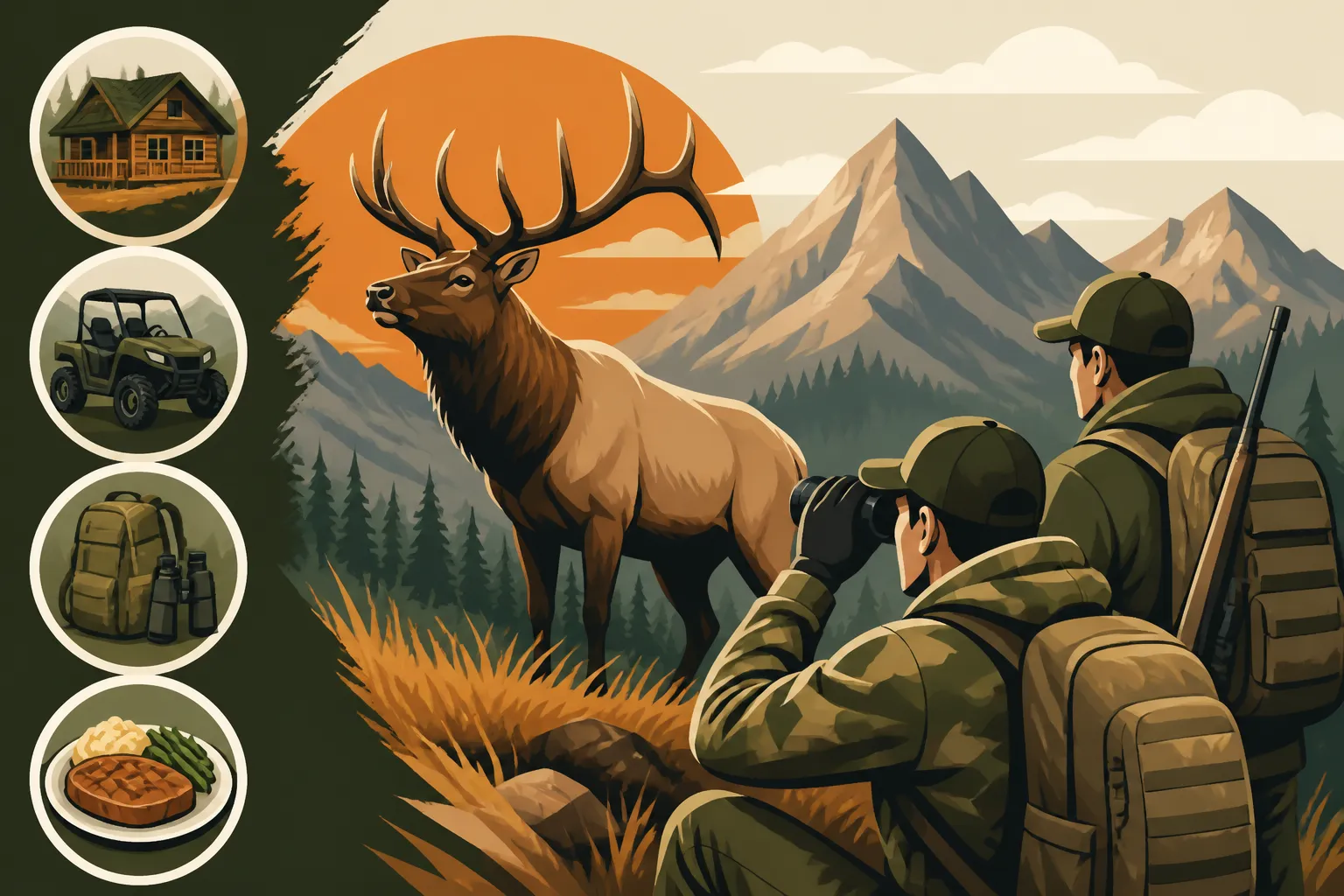
A fully guided hunt means the outfitter provides essentially everything you need from the moment you meet them until your departure, excluding your personal gear, tags, and usually gratuities. This typically starts with transportation from a designated meeting point, often a local airport or a nearby town, into the hunting area. Once there, you'll have access to a comfortable, fully set up camp. We're talking wall tents with wood stoves, hearty meals cooked by a camp chef, and all the equipment necessary for the hunt itself – horses, mules, spotting scopes, GPS units, and often even a basic first-aid kit. The true value lies in the outfitter’s local knowledge, gained over years or even decades of hunting specific drainages and understanding elk movements in response to weather, pressure, and the rut. They aren't just taking you on a walk; they're putting you in the best possible position to encounter elk.
This level of service is particularly valuable in Idaho's vast public lands, where navigating roadless areas or understanding complex game management unit boundaries can be a full-time job. Imagine trying to coordinate pack animals, food, and camp setup in a remote wilderness area all on your own, especially if you're not familiar with the terrain or the specific challenges of hunting at elevation. An outfitter essentially removes those colossal logistical hurdles, allowing you to focus purely on the hunt. This is especially pertinent for nonresidents, as Idaho has specific rules like Idaho Forces Nonresidents to Hire a Guide for Wilderness Elk for certain species and areas, making a guide a legal necessity.
The Relationship with Your Guide
Your guide is more than just someone leading you through the woods; they are your mentor, your tracker, your field dressing assistant, and often, your morale booster when the hunting gets tough. This personal connection is a cornerstone of the fully guided experience. You’ll be spending long hours with this person, often from before dawn until after dark, so a good rapport is incredibly important. They’re assessing your physical capabilities, adjusting strategies based on weather and elk behavior, and making critical decisions about stalks and shot opportunities.
Before the hunt, a good outfitter will often try to match clients with guides based on hunting style, fitness level, and personality. During the hunt, effective communication is key. Don't be afraid to ask questions, voice concerns, or express your preferences (within reason, of course). Your guide wants you to succeed just as much as you do, and they rely on your honest feedback. Remember, they’re working tirelessly to put you on animals, reading sign, checking wind, and navigating challenging terrain. Their expertise, particularly in Reading Wind in Steep Timbered Country or understanding specific elk behaviors, is invaluable.
The Pre-Hunt Experience: Planning and Preparation
The hunt doesn't begin when you step foot in Idaho; it starts months, sometimes even a year, beforehand. A reputable outfitter will be a key partner in this extensive preparatory phase, helping you navigate the complexities of licenses, tags, gear, and physical conditioning. This early planning is essential for a successful and enjoyable experience.
Booking and Paperwork
One of the first steps, naturally, is selecting and booking your outfitter. This process often involves significant research, reading reviews, and checking references. Once you've chosen an outfitter, you'll typically put down a deposit to secure your dates. They'll then provide you with detailed information on acquiring your hunting license and elk tag. This can be one of the more confusing parts for out-of-state hunters, especially with Idaho's controlled hunt draw system. Many outfitters will offer guidance, or at least point you to resources like GoHunt, which specializes in providing detailed draw odds and application strategies for western states.
Understanding the specific tag you need is crucial. For instance, knowing What an Idaho A Tag Buys You versus a B tag, and how that impacts weapon choice and season dates, is vital information your outfitter can help clarify. They will also advise on application deadlines and strategies for the Idaho draw, which can be tricky without preference points. Websites like BookYourHunt often feature various Idaho outfitters, detailing their offerings and helping you compare options based on species, hunt style, and cost, which can simplify this initial booking phase immensely.
Physical and Mental Preparation
An Idaho elk hunt is physically demanding, plain and simple. You’ll be hiking, often at elevation, up and down steep terrain, potentially covering many miles each day. Your outfitter will emphasize the importance of physical conditioning. This isn't just about being able to walk; it's about being able to walk for hours, carrying a pack, sometimes at a fast pace, and then still having the strength and stability to make an ethical shot. Think about incorporating activities like hiking with a loaded pack, stair climbing, and general cardiovascular fitness into your routine months before your trip. Getting ready for the Preparing for Elevation on an Idaho Hunt is also critical, as it impacts stamina and recovery.
Beyond the physical, mental preparation is just as vital. Elk hunting, especially in Idaho's vast wilderness, can be a grind. You might have days with no elk sightings, challenging weather, or missed opportunities. Maintaining a positive attitude, trusting your guide, and staying persistent are huge factors in success. Your outfitter will likely send a detailed gear list, covering everything from clothing layers appropriate for unpredictable mountain weather to specific boot recommendations and optics. Stick to this list; it's born from experience. Being properly equipped prevents discomfort and potential safety issues, allowing you to focus on the hunt rather than shivering in camp or struggling with blisters.
Life in an Outfitter's Camp: Your Home Away From Home
Stepping into an outfitter’s camp after a long journey can feel like arriving at an oasis. This is where the magic of the fully guided experience truly shines, as the comforts and camaraderie of camp life allow you to recharge and refocus for the demanding days afield.
Lodging and Meals
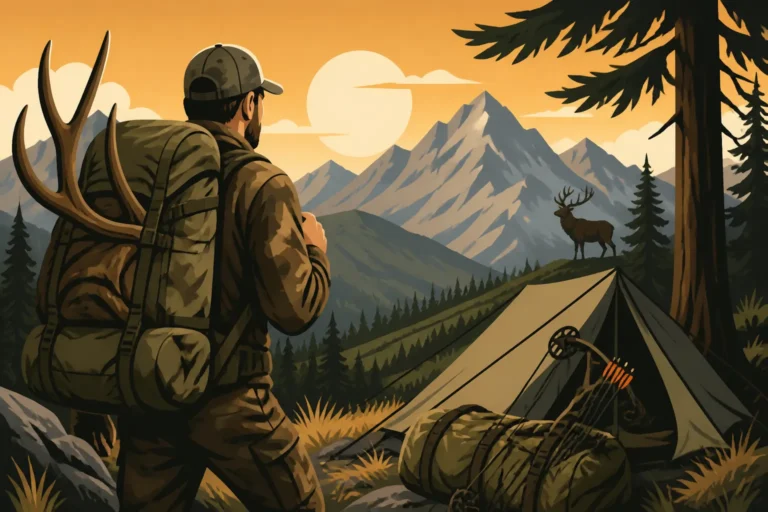
The type of lodging can vary, but for many Idaho elk hunts, particularly those deeper in the backcountry, you'll be staying in comfortable canvas wall tents. These aren't your typical backyard pop-ups; they're robust structures, often equipped with cots, foam pads, and a wood-burning stove that keeps things surprisingly toasty even when the snow flies outside. Imagine coming back to camp as dusk settles, the aroma of burning pine filling the air, and a warm fire inviting you inside. It’s rustic, yes, but intentionally designed for comfort and function in a wild setting. You'll wake up to the crackle of the stove and the smell of coffee brewing.
The food on a guided hunt is often one of the most delightful surprises. Outfitters understand that hunters burn an incredible amount of calories, so meals are typically hearty, wholesome, and delicious. We're talking substantial breakfasts to fuel your day – eggs, bacon, pancakes, oatmeal – packed lunches that you can easily carry in your daypack, and dinners that warm you from the inside out: stews, roasts, pasta dishes, often accompanied by fresh bread and dessert. The camp chef, or even the guides themselves, put a lot of effort into ensuring you're well-fed. This is a huge relief compared to having to cook and clean up after yourself every night, especially when you're exhausted from a day of climbing mountains.
Daily Routines and Camp Culture
Life in an outfitter's camp falls into a rhythm dictated by the hunt and the demands of the wilderness. Days start early, often well before dawn, with a quick breakfast, coffee, and a gear check. Your guide will review the day's plan, discuss wind direction, and share any fresh sign they might have found. After a full day of hunting, you'll return to camp, share stories, enjoy a hearty dinner, and often gather around a fire before turning in early to rest for the next day's adventure. It’s a collective experience, where fellow hunters and guides share a common goal and build camaraderie.
This routine is carefully managed to maximize your hunting opportunities while ensuring everyone’s safety and well-being. The outfitter and guides are responsible for maintaining the camp, caring for horses (if used), and managing all the logistics, freeing you up to focus on your hunting. You'll learn a lot just by observing their efficiency and knowledge. It's a chance to immerse yourself fully in the hunting culture, share experiences, and learn from seasoned professionals. This focused approach is a huge benefit, especially for those who might be new to western hunting or are looking to expand their knowledge in a supported environment.
The Hunt Itself: What to Expect in the Field
This is what you came for: the actual pursuit of elk in Idaho’s spectacular landscapes. A fully guided hunt provides the expertise and resources to navigate this challenging endeavor, from strategic planning to the moment of truth.
Tactics and Strategy
Your guide’s primary role in the field is to put you on elk. This involves a blend of advanced scouting, intimate knowledge of the terrain and animal behavior, and adaptive strategies based on daily conditions. They'll know the preferred bedding areas, feeding grounds, and water sources. They understand how elk react to hunting pressure, changing weather, and different phases of the rut. Whether it's a silent still-hunt through dark timber, a strategic setup overlooking a wallow, or an intense bugling sequence in the timber, your guide will employ the tactics most likely to yield success. Bugling Elk in Idaho's Timbered Zones is a common and exciting tactic, for instance, often best executed with an experienced caller.
They'll make decisions about where to start each day, which ridges to glass, and how to approach an animal once spotted. This could involve long hikes into remote basins, navigating dense timber, or climbing steep mountainsides. They’ll interpret fresh tracks, droppings, and rubs, constantly piecing together the puzzle of elk movement. Their ability to adapt when plans change, which they often do in the wilderness, is crucial. You might spend hours patiently glassing a distant hillside, only to quickly switch to a fast-paced stalk when a bull bugles unexpectedly close.
Daily Field Operations and Safety
Daily field operations are a coordinated effort between you and your guide. You'll typically head out from camp before first light, often on foot or sometimes on horseback, to reach your hunting area. Your guide will lead the way, setting the pace, checking the wind, and constantly scanning for sign or animals. They carry essential gear, including first aid, emergency communication devices, and often extra water or snacks. Safety is paramount; guides are trained in wilderness first aid and carry satellite communication devices for emergencies.
When an animal is spotted, your guide will orchestrate the stalk, factoring in terrain, wind direction, and animal behavior. They’ll help you get into a shooting position, advise on shot placement, and ensure you’re calm and ready. Communication is often non-verbal during a stalk, with hand signals and subtle movements guiding you. This expert guidance removes much of the guesswork and anxiety that can overwhelm a solo hunter in high-pressure situations, allowing you to focus on making a clean, ethical shot. They’ll also remind you of critical hunting regulations, such as Idaho's Motorized Hunting Rule Keeps You on the Road, ensuring ethical and legal hunting practices.
Post-Harvest: Logistics and Lasting Memories
The hard work doesn't stop once an animal is on the ground; in many ways, that's when a new set of challenges begins. This is where the logistical prowess of a fully guided hunt truly pays off, turning a monumental task into a manageable one.
Field Dressing and Pack Out
Harvesting an elk in the Idaho backcountry is an incredible accomplishment, but it's quickly followed by the physically demanding task of field dressing and packing out the animal. This is where your guide and outfitter really earn their keep. Your guide will immediately assist with the field dressing, ensuring it's done quickly and efficiently to preserve the meat. They'll have the right tools and expertise to skin, quarter, and prepare the animal for transport. This process can be daunting for an inexperienced hunter, especially with a large animal like an elk, but your guide will lead the way, often doing the lion's share of the work.
Once the elk is quartered, the pack out begins. Depending on the terrain and distance from camp or a suitable pickup point, this might involve multiple trips on foot, sometimes requiring you to carry a heavy pack. However, in a fully guided hunt, pack animals like horses or mules are often used to shoulder most of the load, making the extraction significantly easier and faster. Imagine having to haul hundreds of pounds of meat over rugged, steep terrain yourself – it’s a grueling task. Having a team and pack animals to help retrieve the animal is a massive advantage and a key component of what you're paying for. This logistical support makes Packing an Elk Out of Steep Country Alone a challenge you don't have to face.
Meat and Trophy Care
Proper care of the meat and trophy is crucial, especially in the field. Your guide will ensure the meat is cooled quickly, bagged to protect it from dirt and insects, and transported efficiently back to camp. At camp, it will be hung in a cool place, often a designated game pole or meat tent, to continue cooling and begin the aging process if conditions allow. This meticulous attention to detail prevents spoilage and ensures you take home high-quality meat.
For your trophy, whether it's antlers or a full hide for a taxidermy mount, your guide will take care of the initial caping and preparation. They’ll help ensure the cape is properly handled and preserved so it arrives at the taxidermist in excellent condition. Many outfitters have arrangements with local meat processors and taxidermists, and they can assist you with coordinating the transportation of your meat and trophy from camp to these facilities. While the actual processing and taxidermy are separate costs, the outfitter's role in getting your harvest to that stage is invaluable. This logistical hand-off removes a huge burden from the hunter, particularly those traveling a long distance to hunt in Idaho. You'll want to review Meat Processing and Shipping Costs After a Hunt to understand these additional expenses.
Beyond the Basics: What's Usually Extra
While "fully guided" implies a comprehensive package, there are almost always a few items that are not included in the upfront price. Understanding these common exclusions beforehand will help you budget accurately and avoid any unwelcome surprises.
Tags, Licenses, and Application Fees
This is probably the most significant additional expense, and it’s critical to understand. The cost of your hunting license, elk tag, and any associated application fees are almost universally not included in the outfitter's price. You, as the hunter, are responsible for purchasing these directly from the Idaho Fish and Game Department. For non-residents, these costs can be substantial, often running into several hundred or even a few thousand dollars depending on the species and any additional validations.
You'll need to account for these expenses when planning your trip. Your outfitter will certainly guide you on exactly what to buy and when to apply, but the financial responsibility falls on you. This also ties into the Booking an Idaho Hunt Around the Draw Calendar, as many outfitters recommend applying for tags well in advance of the hunt itself, sometimes even before you've fully booked your hunt dates with them.
Tips and Gratuities for Guides and Staff
Just like in many service industries, tipping your guides and camp staff is a customary and expected practice in the hunting world. These hardworking individuals dedicate themselves to making your hunt a success, often putting in incredibly long hours under challenging conditions. They rely on these gratuities as a significant portion of their income. While there’s no strict rule, a common range is typically 10-20% of the total hunt cost, divided among the guides, cook, and any wranglers. It's a way to show your appreciation for their effort, expertise, and dedication.
It's a good idea to budget for this in advance. A frank conversation with your outfitter about their tipping recommendations can clarify expectations. They can often provide guidance on How Much to Tip a Hunting Guide and their staff. Remember, these folks are not just employees; they become integral to your experience, sharing their knowledge, and sometimes even their personal stories. A generous tip acknowledges their hard work and makes a big difference to them.
Personal Gear and Travel Expenses
While the outfitter provides the core hunting equipment like horses and camp infrastructure, your personal gear is entirely your responsibility. This includes all your clothing (base layers, mid-layers, outer shells, rain gear), boots, backpack, sleeping bag (for some camps), rifle or bow, ammunition, optics (binoculars, rangefinder), and personal hygiene items. Your outfitter will provide a detailed gear list, and it's essential to adhere to it. Investing in good quality, appropriate gear is paramount for comfort, safety, and overall enjoyment of your hunt, especially in Idaho's variable mountain weather.
Furthermore, your travel expenses to and from the meeting point (e.g., flights, gas, hotels before and after the hunt) are also your responsibility. These costs can add up quickly, especially if you're flying in from across the country. Factor in flights, rental cars, and potentially a night or two in a hotel before meeting your outfitter, as well as on your way home. It’s always smart to build a buffer into your budget for unforeseen travel delays or additional expenses.
Conclusion
Embarking on a fully guided Idaho elk hunt is an investment, both financially and personally, but it offers an unparalleled opportunity to experience the thrill of chasing elk in some of the most stunning and wild landscapes in North America. By understanding what's included—from expert guidance in the field and comfortable camp amenities to the crucial logistical support of packing out your animal—you can properly prepare for an adventure of a lifetime. While the cost may seem substantial, the value of an outfitter's experience, hard work, and dedication to your success is truly immeasurable. With the right planning and a clear understanding of the full scope of services, your Idaho elk hunt can be an unforgettable and rewarding experience.
Disclaimer
This article is for general informational purposes only and does not constitute professional advice. Laws, prices and regulations vary by location and change over time. Consult a qualified professional for guidance on your specific situation.