Backcountry Airstrip Access to Idaho Camps
There's nothing quite like the dream of a true Idaho wilderness hunt, is there? You picture those vast, untouched landscapes, miles from any road, where the elk bugle freely and mule deer bucks grow old and wise. But then reality sets in: how on earth do you get into those truly remote spots without spending days packing in, exhausting yourself before the hunt even begins? This guide is going to walk you through how backcountry airstrips can be your golden ticket, offering unparalleled access to Idaho's deepest wilderness and helping you plan an unforgettable fly-in hunting adventure.
The Allure of Idaho's Backcountry Airstrips for Deep Wilderness Access
Idaho is a land of incredible wild country, but much of its most pristine hunting ground lies far beyond the reach of trucks, ATVs, or even many established trails. This is where the magic of backcountry airstrips comes into play, transforming what would be an arduous multi-day journey into a breathtaking flight measured in minutes or hours. For many hunters, myself included, these strips represent the ultimate gateway to an authentic wilderness experience.
Unlocking Remote Wilderness Access
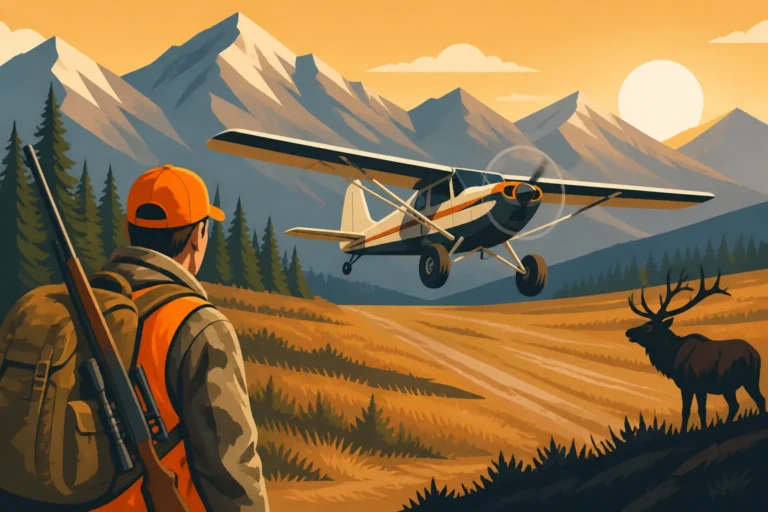
Think about it: most hunters are limited by roads and established trailheads. This naturally concentrates hunting pressure along those accessible corridors. By flying into a backcountry airstrip, you're leapfrogging over all that easy-access territory and dropping right into the heart of country that sees significantly less human disturbance. These airstrips are often just primitive clearings, sometimes no more than a few hundred feet long, carved into a canyon floor or perched on a ridge. They're not airports; they're simply points of entry into places like the massive Frank Church River of No Return Wilderness or the Selway-Bitterroot, where the wildlife lives largely unmolested. This kind of access doesn't just promise bigger animals; it promises a purer, more solitary hunting experience. It's about getting away from the crowds and truly immersing yourself in the wild.
Minimizing Physical Strain for Maximum Hunt Time
Let's be honest, carrying a full pack loaded with hunting gear, camp supplies, and enough food for a week or more through rugged Idaho terrain is an ordeal. A multi-day pack-in trip can leave you physically spent and mentally drained before you even spot your first track. Backcountry airstrip access fundamentally changes this equation. Instead of trekking for days, you're flying in, which means you arrive at your base camp relatively fresh and ready to hunt. This isn't to say a fly-in hunt is easy – far from it, as you'll still be hiking and hunting hard once on the ground – but it allows you to conserve your energy for the hunt itself, rather than spending it on the approach. It maximizes your valuable time in the field, increasing your odds of success and making the overall experience more enjoyable.
Navigating Air Charter Services and Regulations
Choosing to fly into Idaho's backcountry means partnering with specialized air charter services. These aren't your typical commercial airlines; they are small, dedicated operations flying bush planes designed for rugged conditions. It's crucial to understand how to find a reputable operator and what regulatory landscape they operate within.
Finding Reputable Air Charter Providers
The first step in planning a fly-in hunt is finding the right air charter service. These operators are often outfitters themselves, or they work in close conjunction with hunting outfitters. You'll want to seek out companies with a long-standing history of safe operation in Idaho's backcountry. Don't be afraid to ask for references from past clients, and check online reviews on platforms like BookYourHunt or hunting forums. A reputable operator will have pilots with extensive experience flying in mountainous terrain and landing on unimproved strips. They should be transparent about their safety records, aircraft maintenance, and pilot qualifications. It's also wise to inquire about their specific experience flying into the unit or airstrip you're targeting. For example, some units might have very specific conditions or weather patterns that require intimate local knowledge. When you're researching potential hunt areas on platforms like GoHunt, pay attention to any mention of air access or associated services. It's a significant investment, so due diligence here is paramount.
Understanding FAA and Wilderness Regulations
Backcountry air charter services operate under strict Federal Aviation Administration (FAA) regulations, but there are also specific rules that apply to flying into designated wilderness areas. Many of Idaho's backcountry airstrips are located within National Forests or even inside Wilderness Areas, like those found in The Frank Church River of No Return. For instance, certain wilderness areas, especially in Idaho, have rules regarding Designated Wilderness Changes the Rules for Idaho Nonresidents that might impact how you plan your hunt, particularly if you're targeting species like elk or mountain goat. Air charter companies that operate within these areas must possess special use permits from the U.S. Forest Service or Bureau of Land Management. This isn't just a formality; it ensures they adhere to environmental guidelines and safety protocols. Before you commit, confirm that your chosen operator is fully licensed and permitted for the specific airstrips and land designations you plan to use. This protects both you and the delicate wilderness environment.
Pre-Trip Planning and Gear Considerations for Fly-In Hunts
A fly-in hunt demands meticulous planning, especially when it comes to your gear. The small bush planes used for backcountry access have strict weight and size limitations, so every item you bring needs to justify its space.
The Art of Packing Light and Smart
Forget your usual "just in case" mentality; on a fly-in hunt, every ounce counts. Most charter services will have a maximum weight limit per person, often around 50-75 pounds, including your rifle or bow. This means you need to prioritize essential gear and look for multi-use items. Focus on lightweight, compact versions of everything: shelter, sleeping system, cooking equipment, and clothing. Dehydrated meals become your best friend. Rifles often need to be broken down into cases, and bows should be protected in soft cases. Remember to factor in the weight of any game meat you hope to pack out, as that will be an additional load on your return flight. Think critically about what truly supports your survival and hunting success, and ruthlessly cut anything else. You might find a good starting point in resources like The Gear List Your Outfitter Will Send to help you streamline your packing.
Physical and Mental Preparedness
While flying in saves you the long hike to your base camp, it certainly doesn't mean the hunt itself will be easy. Idaho's backcountry is rugged, steep, and demanding. You'll still be covering many miles on foot, often at significant elevations, carrying a day pack, and potentially packing out heavy game meat. Therefore, a high level of physical conditioning is absolutely essential. Start an exercise regimen well in advance that focuses on endurance, strength, and hiking with a weighted pack. Mental preparedness is just as important; you'll be isolated, away from immediate help, and reliant on your skills and judgment. Being comfortable with solitude, capable of navigating challenging terrain, and possessing a strong problem-solving mindset are key attributes for a successful fly-in hunt. This goes beyond just being able to walk; it's about being robust enough to handle the unexpected rigors of true wilderness. For more on this, you might find Physical Conditioning for Idaho Backcountry helpful.
What to Expect: Logistics, Costs, and Contingencies
A fly-in hunt involves a unique set of logistics and financial considerations that differ significantly from a road-accessible hunt. Understanding these elements is key to a smooth and safe trip.
The Fly-In and Drop-Off Process
Your journey begins at a designated departure point, usually a small municipal airport or a private strip closer to the backcountry. You'll meet your pilot, and your gear will be meticulously weighed and loaded into the aircraft. These are typically small, single-engine planes like Cessnas or Super Cubs, designed to carry a pilot, a couple of passengers, and their gear. The flight itself is an experience, offering stunning aerial views of Idaho's vast wilderness, giving you a unique perspective on the terrain you're about to hunt. Upon arrival at the backcountry airstrip, the drop-off is quick and efficient. The pilot will unload your gear, confirm your pickup time, and then you'll watch them take off, leaving you in the quiet solitude of the wilderness. It's a moment that truly brings home the reality of your remote location. It's critical to have a clear understanding of the agreed-upon pickup time and any contingency plans for early departure or extended stays due to weather.
Cost Breakdown for Air Charter Services
Flying into the backcountry is an investment, but one that often pays dividends in terms of access and hunting quality. The cost of an air charter service will vary widely depending on several factors: the distance to your chosen airstrip, the type of aircraft used, the amount of gear you're flying in and out, and the specific services offered (some might include a basic drop camp setup, others just the flight). Remember that this cost is generally separate from your hunting license and tag fees, and also from any outfitter fees if you're using a guide. Expect to pay a per-person or per-flight rate, with additional charges for excess baggage weight. It's always best to get a detailed quote upfront that clearly outlines all potential costs. While it's not cheap, comparing it to the costs of horses, pack mules, or simply the sheer time saved, it often becomes a worthwhile expenditure for that dream hunt. For a deeper dive, check out What a Backcountry Airstrip Flight Costs.
| Aspect | Traditional Pack-In Hunt | Backcountry Airstrip Hunt |
|---|---|---|
| Initial Access | Days of hiking/horseback | Hours of flight |
| Physical Strain | High (approach and hunt) | Medium (hunt only) |
| Gear Capacity | Limited by what you can carry/pack | Limited by plane's payload |
| Cost | Gear, food, maybe horse rental/guide | Air charter fee, gear, food |
| Solitude Level | High, but approach can see others | Extremely high from drop-off point |
| Flexibility | Weather-dependent for hiking | Weather-dependent for flying |
| Emergency Access | Very challenging, multi-day delay | Still challenging, but quicker air evac possible |
Handling the Unexpected
Wilderness hunting, especially by air, always carries an element of the unexpected. Weather is perhaps the biggest variable; fog, high winds, or heavy snow can ground planes, leading to delays in your drop-off or, more critically, your pickup. Always pack extra food and supplies for an additional 2-3 days beyond your planned stay, just in case you're weathered in. Communication is another critical factor. Cell service is non-existent in most backcountry areas. You must carry a satellite communication device, such as an inReach or satellite phone, for emergency contact and to communicate with your pilot about potential changes. Have a clear emergency plan in place with your pilot and anyone else who knows your itinerary. Knowing How Outfitters Plan Emergency Evacuations can provide peace of mind. Familiarize yourself with basic first aid, and be prepared for self-sufficiency. This level of preparedness ensures that you can handle minor issues and communicate effectively if a serious situation arises. More information on devices can be found in Satellite Communication From a Backcountry Camp.
The Hunt Itself: Strategy and Responsible Backcountry Use
Once you've been dropped off at a backcountry airstrip, the real adventure begins. How you approach the hunt and your commitment to responsible wilderness practices will define your experience.
Hunting from an Airstrip Drop Point
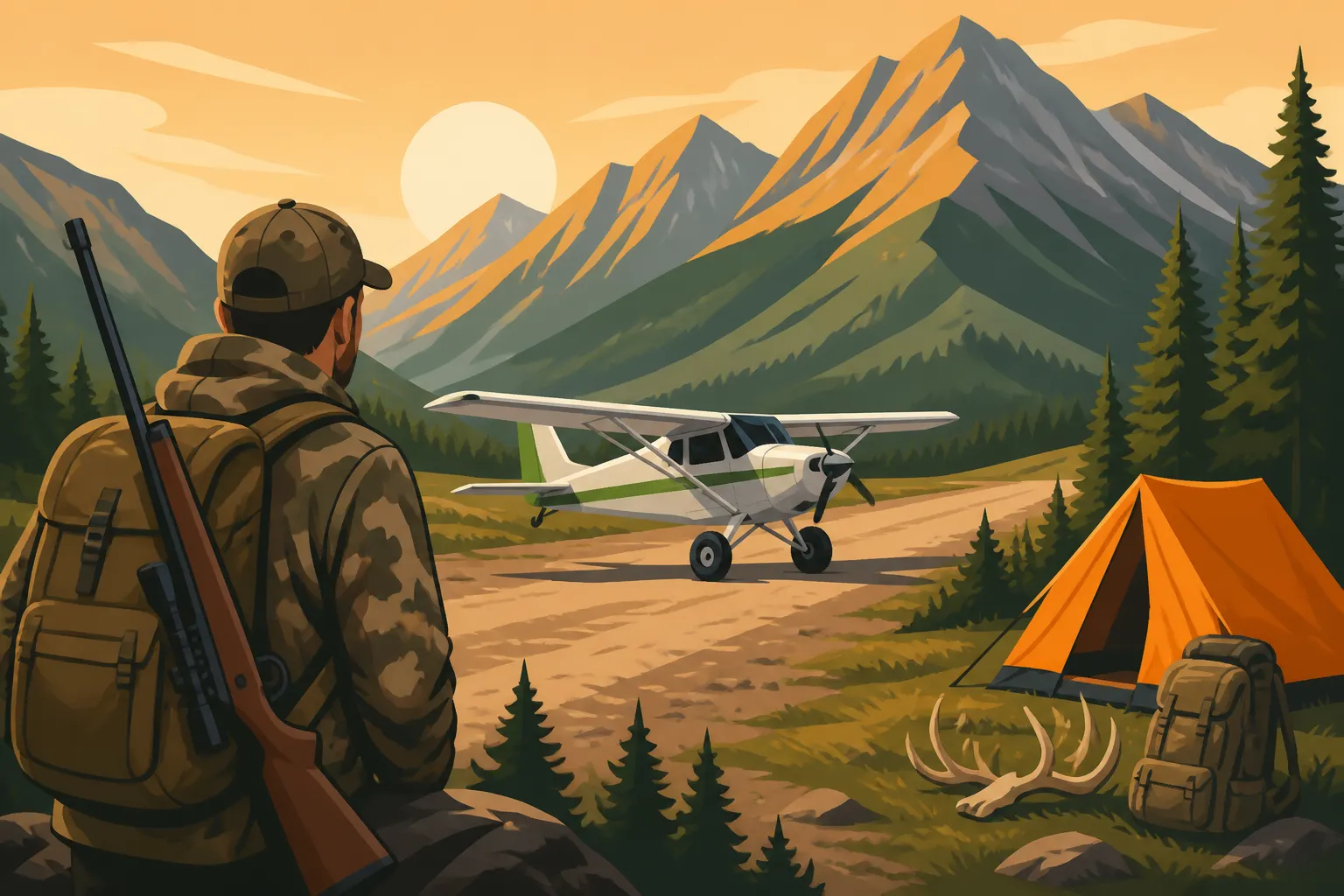
Your backcountry airstrip drop point serves as your primary base camp. From here, you'll fan out, often setting up lighter spike camps for a night or two to push deeper into promising areas. The advantage of being dropped in so deep means you're immediately in prime habitat. Instead of hunting to the animals, you're hunting among them. This often translates to less pressured animals, which can be a game-changer for elusive species like elk and mule deer. Dedicate time to thoroughly glassing the surrounding terrain from elevated positions near your camp. Look for patterns in game movement, bedding areas, and feeding grounds. You might find success with strategies like Glassing Idaho Breaks for Mule Deer or meticulously Reading Fresh Elk Sign in Dark Timber around your drop zone. Remember, every trip out from camp and back is a significant physical effort, so plan your daily forays wisely, always considering the ruggedness of the Idaho landscape.
Ethical Considerations and Leave No Trace
Hunting in such pristine wilderness comes with a profound responsibility to leave it as you found it – or even better. "Leave No Trace" principles are not just suggestions; they are mandates for maintaining the health and beauty of these remote areas. This means packing out everything you pack in, including all trash, food scraps, and even spent bullet casings. Human waste should be properly buried far from water sources and camp, or even packed out if specific regulations require it. When you make a kill, plan for complete meat salvage and proper disposal of the carcass in a way that minimizes impact. Be mindful of scent, noise, and visual disturbance. These remote areas are home to diverse wildlife, including apex predators, so maintaining a clean camp and practicing good food storage is crucial. Adhering to these principles ensures that these unique hunting opportunities will remain available for generations to come. Additionally, be aware of specific regulations like Carcass Transport Rules After a CWD Detection to ensure you're compliant with all wildlife management guidelines, especially when dealing with harvested game.
Disclaimer
This article is for general informational purposes only and does not constitute professional advice. Laws, prices and regulations vary by location and change over time. Consult a qualified professional for guidance on your specific situation.