Horsemanship Requirements for Idaho Guides
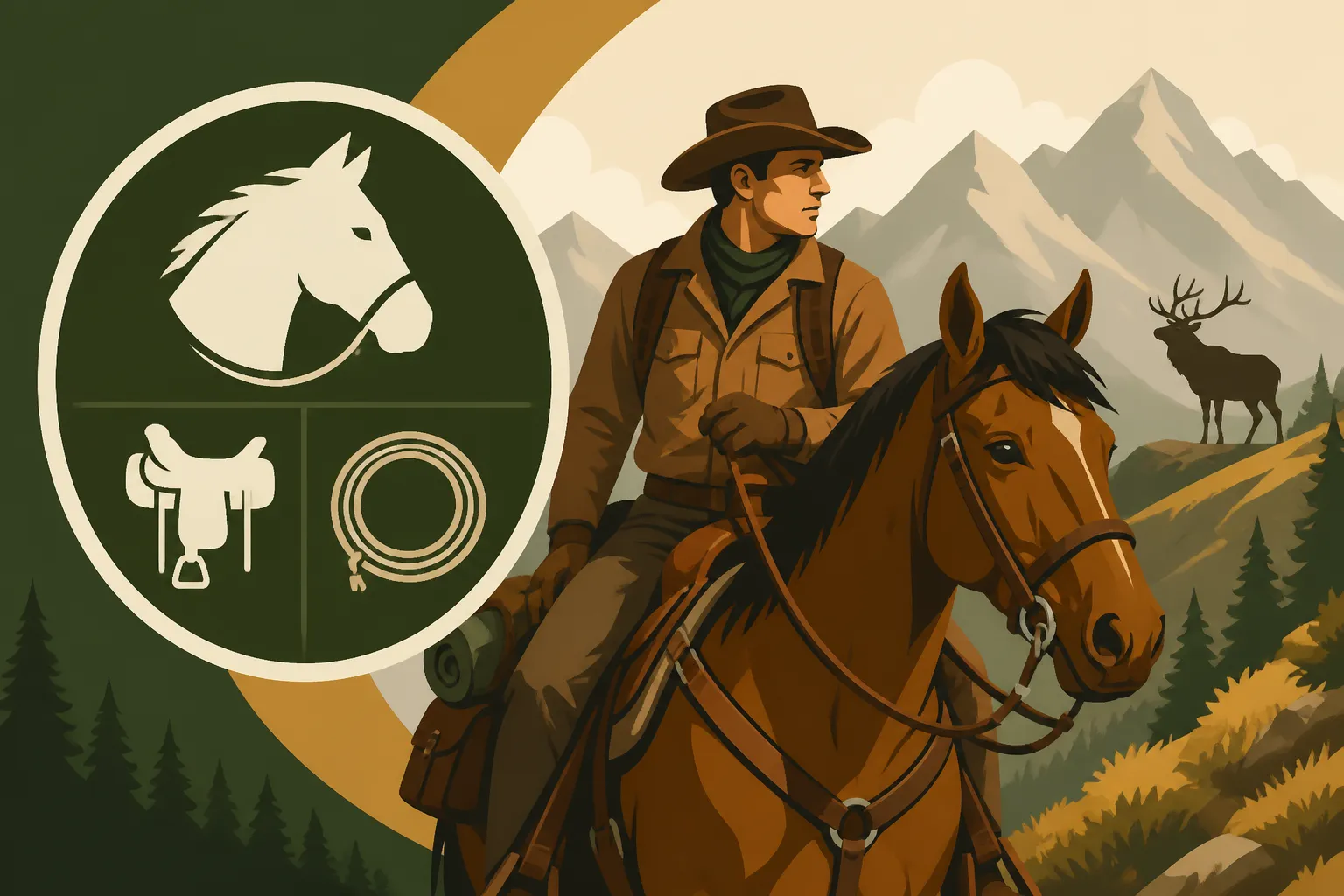
Dreaming of guiding hunters through Idaho's wild backcountry, navigating those rugged mountains and sweeping sagebrush flats? It sounds like an incredible adventure, and it absolutely can be. But before you picture yourself leading a string of eager clients to a trophy bull, there's a vital skill that often gets overlooked by aspiring guides: horsemanship. It's not just about being able to ride; it's about a deep, practical understanding of working with horses in some of the most challenging terrain imaginable, and it’s a non-negotiable requirement in Idaho. This guide will walk you through exactly what Idaho expects from its hunting guides when it comes to handling and caring for horses, ensuring both client safety and a successful hunt.
Why Horsemanship is Non-Negotiable for Idaho Guides
You might be an exceptional hunter, capable of reading sign, calling elk, and navigating by the stars. But in Idaho, especially when you're working the deep backcountry, your hunting prowess is often secondary to your ability to manage stock. Horses and mules are the lifelines of many remote operations, carrying gear, supplies, and most importantly, packing out game. Without solid horsemanship, a hunt can quickly turn from an adventure into a dangerous predicament.
The Rugged Terrain Demands Skilled Stock Handling
Idaho's landscape is breathtakingly beautiful, but it's also relentlessly unforgiving. Picture yourself on a steep, rocky trail, a sheer drop-off to one side, a string of five pack mules laden with camp gear trailing behind you. Suddenly, a mule stumbles, or a tree branch snags a pannier, threatening to pull the entire string off balance. In these moments, quick thinking, strength, and an intimate knowledge of horse behavior are not just assets; they are absolutely essential for safety. You're not riding in a manicured arena; you're navigating downed timber, crossing swift, icy rivers, and traversing muddy, eroded trails. Each step for a horse is a calculated risk, and a guide must anticipate these challenges, guiding the animals with confidence and authority. Without this, even a short trip can become a series of dangerous incidents, putting both clients and animals at risk. This is where Pack Stock Rules Inside Designated Wilderness become incredibly important, as these areas often present the most extreme conditions.
Client Safety and Comfort on Horseback
For many clients, a guided hunt might be their first time on a horse, or at least their first time on a horse in mountain terrain. Their comfort and, more critically, their safety, rest squarely on your shoulders as the guide. An Idaho guide isn't just a hunter; you're also a wrangler, a psychologist, and a first responder for both two-legged and four-legged companions. You need to be able to match clients with appropriate horses, provide clear, calm instructions, and anticipate potential issues before they arise. A horse that spooks easily, a saddle that slips, or a client who loses their balance can quickly escalate into a serious injury far from any medical help. Beyond just avoiding disaster, a truly skilled horseman ensures the ride is enjoyable, allowing clients to focus on the experience and the hunt, rather than worrying about their mount. This level of care and control is a hallmark of a professional Idaho guide.
Packing Out Game: The True Test
Let's be honest, the ultimate goal of many hunts is to harvest an animal. And in Idaho's vast public lands, especially in the backcountry, that means packing it out. Imagine the excitement of downing a beautiful bull elk miles from the nearest road. Now imagine the daunting task of getting hundreds of pounds of meat, hide, and antlers back to camp, let alone to a truck. This is where horsemanship becomes not just important, but absolutely critical. A guide must know how to properly quarter an animal, prepare the meat for packing, and then, crucially, load it onto pack animals in a way that is secure, balanced, and doesn't injure the horse. A poorly loaded pack can shift, causing a horse to buck, injure itself, or damage the precious meat. The ability to tie secure hitches, adjust loads on the fly, and manage a string of heavily burdened animals over rough terrain is often the defining factor in whether a successful hunt concludes with salvaged meat or a heartbreaking loss.
Understanding Idaho's Official Guide Requirements for Stock
Idaho takes its hunting industry seriously, and that includes ensuring that guides are adequately prepared for the challenges of the backcountry. This commitment to safety and professionalism means there are specific expectations regarding a guide's ability to handle and work with horses, especially when these animals are integral to the hunting experience being offered.
The Role of the Idaho Outfitters and Guides Licensing Board IOGLB
The primary entity responsible for overseeing and licensing all outfitters and guides in Idaho is The Idaho Outfitters and Guides Licensing Board Explained. Their mission is clear: to protect the public's safety and ensure that the outfitting and guiding industry maintains high standards. When it comes to horsemanship, the IOGLB ensures that guides possess a fundamental level of competence before they are allowed to lead clients into the field on horseback. This isn't just a formality; it's a testament to the potential risks involved when combining inexperienced riders, powerful animals, and remote, rugged terrain. The Board's regulations serve as a baseline, and many reputable outfitters often have their own, even more rigorous, internal standards. It's their way of upholding the reputation of Idaho's guiding community and, most importantly, keeping everyone safe.
Documenting Horsemanship Experience
It's one thing to say you can ride a horse; it's another to prove you have the extensive experience required to guide clients on horseback through Idaho's wilderness. Aspiring guides typically need to demonstrate their proficiency, and this often goes beyond a simple declaration. Applicants might be asked to provide detailed logs of their riding and packing experience, outlining the types of terrain they've navigated, the duration of trips, and the number of animals they've managed. References from licensed outfitters or other seasoned horsemen who can attest to their skills are also invaluable. Sometimes, the Board or an employing outfitter might even require a practical demonstration, where you're put to the test in a real-world scenario, perhaps riding a challenging horse or packing a mock load over a technical trail. This isn't about being a professional rodeo rider, but about showing practical, reliable skills in a backcountry context, often reflecting the kind of experience outlined in The Ten-Day Experience Requirement Idaho Guides Meet.
Beyond the Basics: Trailering and Veterinary Knowledge
True horsemanship for an Idaho guide extends far beyond just riding. It encompasses the entire spectrum of stock management. Consider the logistics of getting horses to a remote trailhead. This often involves trailering animals over rough, unpaved roads, sometimes for hours. A guide needs to be proficient in safely loading and unloading horses, ensuring the trailer is properly hitched, and understanding how to navigate challenging driving conditions with precious cargo. Furthermore, a basic understanding of equine first aid is crucial. Accidents happen, and a horse might cut itself on a branch, pull a shoe, or show signs of colic miles from veterinary assistance. Knowing how to clean and bandage a wound, recognize symptoms of common ailments, or perform emergency shoeing can literally save an animal's life and the success of a hunt. This proactive approach to horse welfare demonstrates a comprehensive level of care and responsibility that is expected from an Idaho guide.
Practical Skills Every Idaho Horseback Guide Must Master
Becoming a proficient horseback guide in Idaho isn't about being a casual rider; it's about developing a suite of practical skills that make you a true asset in the backcountry. These aren't just parlor tricks; they are the fundamental abilities that ensure safety, efficiency, and success when horses are your mode of transportation and your partners in the hunt.
Riding Proficiency Across Diverse Terrain
When you're guiding in Idaho, your "office" could be a steep, timbered ridge in the Panhandle, a rocky river break in the Salmon-Challis, or a sagebrush-covered mountain in the Owyhees. This means your riding skills must be adaptable and robust. You need to be comfortable and effective riding on incredibly steep ascents, leaning forward to help your horse climb, and equally adept at navigating sharp, often slippery descents where you might be leaning back, using your stirrups as anchors. Maneuvering through dense brush, ducking under low-hanging branches, and pushing through areas of heavy timber where visibility is limited are all par for the course. Riding over rock slides, through boggy creek bottoms, and across fast-moving streams requires balance, confidence, and a strong connection with your mount. It's a far cry from a leisurely stroll on a flat trail; it's dynamic, physically demanding, and requires an intuitive understanding of both your horse's capabilities and the immediate environment.
Leading and Packing Skills for Multi-Day Hunts
Perhaps even more critical than riding is the ability to lead and pack. On multi-day hunts, a string of pack animals carries everything from tents and sleeping bags to food, cooking gear, and emergency supplies. The skill of leading a string of horses or mules means understanding the dynamics of the group, anticipating their movements, and keeping them calm and organized on the trail. But the real artistry comes in packing. This involves selecting the right panniers and pack saddles, distributing weight evenly to prevent rubbing and discomfort for the animal, and securing everything with a variety of specialized hitches and knots. A shifting load can cause a pack animal to buck, injuring itself or scattering essential gear across a mountainside. Imagine losing your tent or food supply because of a poorly tied knot—it's a nightmare scenario. Mastering knots like the diamond hitch or different basket hitches, along with understanding how to protect delicate items, is fundamental. It's a continuous process of checking, adjusting, and securing, often while traversing challenging ground, and it's something many outfitters will test rigorously.
Horse Care, Feeding, and Field Maintenance
A good guide doesn't just ride a horse; they truly care for it. Out in the backcountry, you are solely responsible for the welfare of your animals, and that means being knowledgeable about their needs. Understanding basic horse nutrition, especially when they might be grazing on unfamiliar forage or subsisting on supplemental feed, is crucial. You'll need to know how much water they require and where to find safe water sources. Field maintenance can include recognizing early signs of lameness or injury, cleaning and treating minor wounds, and being able to perform emergency shoeing if a horse throws a shoe far from camp. This might involve carrying a small farrier kit and knowing how to safely remove a broken shoe or even put on a temporary one. Beyond physical care, understanding horse behavior and herd dynamics helps manage stress, prevent fights, and maintain a calm, efficient operation. A guide who genuinely understands and respects their animals will have a safer, more successful, and more harmonious hunt.
Building Your Horsemanship Credentials for an Idaho Guide Role
So, you've realized that horsemanship is absolutely essential for an Idaho guide. Now, how do you go about acquiring or refining these critical skills to make yourself a competitive candidate for an outfitter? It's a journey that often requires dedication, practical experience, and a willingness to learn from seasoned professionals.
Gaining Experience Through Ranch Work or Mentorship
One of the most effective ways to truly learn horsemanship for guiding is through immersive, hands-on experience. This isn't something you can pick up from a book alone. Working on a guest ranch, a cattle ranch, or even with a packing operation can provide invaluable practical exposure. You'll spend countless hours in the saddle, learning to handle different horses, managing herds, and navigating various types of terrain. Seek out opportunities to participate in multi-day trail rides or expeditions where packing is involved. Another excellent avenue is to find a mentor—a veteran guide or outfitter who is willing to take you under their wing. Many experienced horsemen are passionate about passing on their knowledge, and a good mentor can teach you the nuances of stock handling, packing, and backcountry navigation that only come from years of practical application. Platforms like BookYourHunt or GoHunt, while primarily for booking hunts, can sometimes list outfitters who are also looking for help or apprenticeships.
Specialized Courses and Certifications
While hands-on experience is paramount, supplementing it with specialized training can make you an even more attractive candidate. Look for courses that focus on wilderness horsemanship, equine first aid, or even basic farrier skills. Some organizations offer certifications in specific packing techniques or trail etiquette. These courses not only teach you valuable skills but also demonstrate your commitment to professionalism and safety. For instance, knowing how to administer emergency medical care to an injured horse in the field can be the difference between a minor setback and a catastrophic loss. Similarly, understanding advanced packing methods can improve efficiency and reduce the risk of injury to your stock. While not always mandatory, these extra certifications can set you apart and show an outfitter you're serious about the craft.
Preparing for an Outfitter's Evaluation
Even with extensive experience and certifications, expect that any prospective outfitter will want to evaluate your horsemanship firsthand. They need to ensure you can not only talk the talk but also walk the walk (or, in this case, ride the ride). This evaluation might involve a series of practical tests. You could be asked to ride a variety of horses, including some with less-than-perfect manners, to demonstrate your control and adaptability. Packing a mock load, perhaps even over a challenging obstacle course designed to simulate real-world conditions, is common. They'll observe your ability to tie knots, balance loads, and handle the animals calmly under pressure. It's often during this phase that they assess your judgment and problem-solving skills with horses. Remember that outfitters are entrusting you with their valuable stock, their reputation, and most importantly, the safety of their clients. Be honest about your skill level, but also be confident in what you can do, and always be open to learning their specific methods. This practical vetting is crucial, often built on the idea that guides need solid, verifiable experience, much like what's discussed in Idaho Requires a 40-Pound Bow at a 28-Inch Draw for hunters, but for guides, it's about horse power.
| Skill Category | Basic Proficiency (Entry-Level Guide) | Advanced Proficiency (Experienced Guide) |
|---|---|---|
| Riding | Confident on basic trails; able to control a calm horse in most conditions. | Navigates steep, rugged, brushy, or river-crossing terrain with ease; rides various horse temperaments; able to manage unexpected spooks or stumbles. |
| Packing | Knows basic hitches; can load a saddlebag; understands weight distribution. | Masters complex hitches (e.g., diamond hitch); efficiently loads and balances multiple pack animals; secures delicate or awkward items; performs trailside adjustments. |
| Leading | Leads one horse calmly; basic understanding of horse behavior. | Manages a string of multiple pack animals over challenging terrain; anticipates and corrects herd issues; ensures proper spacing and flow. |
| Horse Care | Feeds and waters; checks for basic injuries; grooms. | Recognizes subtle signs of lameness or illness; performs basic equine first aid; emergency shoe repair; understands horse nutrition in varying environments. |
| Equipment | Identifies basic tack (saddle, bridle); knows how to put on. | Adjusts and maintains all tack; identifies potential gear failures; understands proper fit and how to prevent rubs/soreness. |
| Safety | Follows instructions; avoids obvious hazards. | Proactively identifies and mitigates risks for horses and clients; maintains situational awareness for both; knows emergency procedures. |
The Partnership with an Outfitter: Your Gateway to Guiding
Becoming an Idaho hunting guide isn't a solo journey. The state's regulations are set up to ensure accountability, safety, and a high standard of service, meaning individual guides operate under the umbrella of a licensed outfitting business. Understanding this partnership is key to breaking into the industry, especially for those leveraging their horsemanship skills.
Why Guides Cannot Work Independently in Idaho
It's a common misconception for aspiring guides that once they have their certifications and experience, they can simply hang out a shingle and start taking clients into the Idaho wilderness. However, that's not how it works here. Why Guides Cannot Work Independently in Idaho is a fundamental principle of the state's outfitting and guiding regulations. Every guide must be employed by, and operate under the license of, an Idaho-licensed outfitter. This system ensures several critical things: adequate insurance coverage, proper regulatory oversight from the IOGLB, and a clear chain of command for client safety and service quality. An outfitter carries the ultimate responsibility for the entire operation, including the actions and competence of their guides. This structure provides a layer of protection for both the clients and the guides themselves, ensuring that all operations meet state-mandated standards.
Outfitter Expectations and Training
While the IOGLB sets the minimum requirements for guides, individual outfitters often have their own specific expectations that go above and beyond these baselines. This is particularly true when it comes to horsemanship. An outfitter has invested significantly in their string of horses and mules, and they need guides who can not only manage them safely but also work within their established systems. This might include specific methods for packing, designated trails they prefer, or particular care routines for their animals. Many outfitters provide their new guides with an initial training period to ensure they are familiar with the terrain, the horses, and the outfitter's operational protocols. They'll want to see how you handle their horses, which may have distinct personalities and training. This period is a crucial opportunity for you to demonstrate your adaptability and willingness to learn, ultimately proving your value as a long-term asset to their team. It's often through this direct experience that guides learn about things like How Outfitters Get Forest Service Special Use Permits for the specific areas they operate in, understanding the nuances of their operational footprint.
Finding the Right Outfitter to Showcase Your Skills
Connecting with the right outfitter is paramount. You need to find someone whose operations align with your horsemanship skills and whose values resonate with your own. Start by researching Idaho outfitters who specialize in horseback hunts or offer pack-in trips. Websites like BookYourHunt or GoHunt can be excellent resources for identifying outfitters and understanding the types of hunts they offer. Beyond online research, attending hunting expos or guide seminars where outfitters are present can provide invaluable face-to-face networking opportunities. When you reach out, emphasize your specific horsemanship experience, detailing the types of terrain you've ridden, your packing abilities, and any relevant certifications. Don't be afraid to ask about their horses, their packing philosophy, and what they expect from their guides. It's a two-way street; you're not just looking for a job, you're looking for a partnership where your skills, especially your hard-earned horsemanship, are valued and put to good use in the breathtaking Idaho wilderness.
Disclaimer
This article is for general informational purposes only and does not constitute professional advice. Laws, prices and regulations vary by location and change over time. Consult a qualified professional for guidance on your specific situation.