Outfitter Lodging Standards in an Idaho Camp
One of the biggest unknowns when you're planning an Idaho hunting adventure, especially if you're thinking of booking with an outfitter, is often overlooked until the last minute: what exactly is camp going to be like? It's a huge question, and for good reason! After a long day of chasing elk through steep timber or glassing mule deer across vast sagebrush draws, the last thing you want is an unexpected surprise when it comes to where you'll be sleeping and recharging. This guide aims to pull back the curtain on the typical lodging standards you can expect from Idaho outfitters, helping you set realistic expectations and make informed decisions for your hunt.
Understanding Idaho Outfitter Camp Styles
When you hear "outfitter camp" in Idaho, it's not a one-size-fits-all scenario. The type of hunt, the terrain, the species, and even the outfitter's philosophy all play a huge role in what kind of lodging you'll experience. It's truly a spectrum, ranging from the bare-bones efficiency of a spike camp to the relative comforts of a full lodge. Understanding these different styles is key to envisioning your hunting trip beyond just the pursuit of game.
Backcountry Spike Camps: Rustic and Essential
A spike camp is the epitome of minimalist hunting lodging. These are typically small, lightweight setups designed to be easily moved deeper into the backcountry, often packed in by horse or mule, or even carried by hunters themselves. The whole point is to get closer to the game, allowing hunters to spend less time commuting and more time hunting. Don't expect luxuries here; the focus is entirely on function and stealth.
Imagine waking up to the crisp mountain air, the smell of pine, and the sound of a distant bugle just outside your tent. That's the spike camp experience. Your shelter might be a small dome tent, or perhaps a lean-to with a small wood stove if the weather demands it. Sleeping is usually on a foam pad directly on the ground, or a lightweight cot if you're lucky. Meals are often simpler, perhaps dehydrated or pre-prepared to reduce weight and cooking time, though a good outfitter can still whip up some surprisingly hearty fare over a small camp stove. Water is sourced locally and filtered. Sanitation is basic, usually a designated cathole area. The beauty of a spike camp is its immersion in the wild. You are truly "out there," often many miles from the nearest road, which is exactly what some hunters crave. This style of camp often comes into play when chasing elusive critters deep within areas like the Frank Church River of No Return Wilderness, where logistics dictate efficiency and portability.
Wall Tent Base Camps: More Amenities, Still Rugged
Stepping up from a spike camp, you'll often find the traditional wall tent base camp. These are what many envision when they think of a classic Western hunting camp. Wall tents are larger, more robust canvas structures that offer a significant upgrade in space and often comfort, though they still maintain that rugged, authentic hunting feel. They're usually set up for the entire season or for multiple weeks, making them a semi-permanent fixture for the duration of the hunt.
A typical wall tent base camp often consists of several large wall tents. There might be a dedicated cook tent, complete with a robust wood stove, a sturdy table, and plenty of space for the outfitter to prepare delicious, filling meals. Then there are the sleeping tents, which might house two to four hunters comfortably on cots, often with individual sleeping bags provided or brought by the hunter. A wood stove in each sleeping tent is a common and much-appreciated feature, especially during chilly Idaho mornings and evenings. The floor might be covered with a tarp or even some basic carpet scraps to keep things cleaner and warmer. You might find a wash basin setup for basic hygiene, and a designated privy (outhouse) often replaces the cathole of a spike camp. These camps are usually accessed by pack string, though some might be reachable by rough two-track roads in less remote areas. They offer a fantastic balance of backcountry immersion with enough creature comforts to make the long days more manageable. When you're considering a trip and looking at outfitters on platforms like BookYourHunt, pay attention to descriptions that mention these types of camps, as they offer a great middle ground.
Lodge or Cabin-Based Hunts: Comfort-Focused
At the far end of the comfort spectrum are lodge or cabin-based hunts. These typically cater to hunters who prioritize a solid roof over their heads, hot showers, and flush toilets after a day in the field. This style of lodging is more common for hunts that operate from private ranches or from locations just outside major public land access points, sometimes bordering national forests or BLM ground.
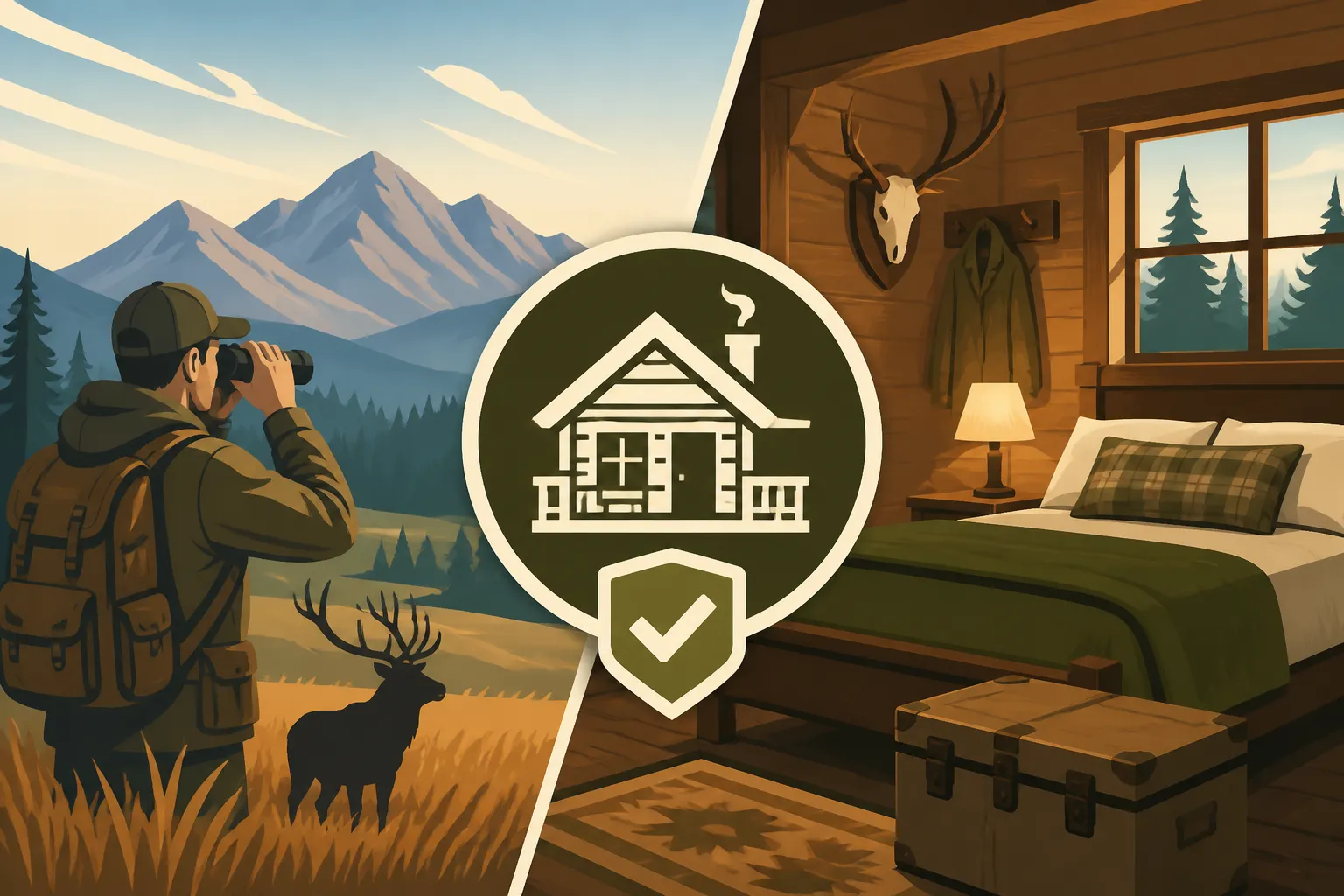
When you book a lodge or cabin-based hunt, you're looking at a completely different experience from a tent camp. You'll likely have a proper bed, possibly your own room, and certainly access to indoor plumbing and electricity. Meals are often served in a communal dining area, prepared in a full kitchen. These operations often feel more like a guest ranch than a traditional hunting camp. They are ideal for hunters who may have physical limitations that make roughing it difficult, or simply those who prefer a higher level of comfort. While the hunting itself might still be physically demanding, the recovery each evening is much more akin to a comfortable vacation. Some outfitters running these types of operations may even offer services like gear drying rooms, boot warmers, and daily laundry, taking the edge off the demands of multi-day hunting. This approach allows hunters to focus entirely on the hunt during the day, knowing that a hot meal and a comfortable bed await them.
Health, Safety, and Comfort Standards in Idaho Outfitter Camps
Regardless of the camp style, Idaho outfitters operate under certain expectations and, in some cases, regulations regarding health, safety, and basic comfort. It's not a free-for-all; there are standards for a reason, primarily to ensure the well-being of their clients and to maintain the integrity of their operations. While specific requirements can vary based on land use permits (e.g., Forest Service permits for operating on public land) and the specific services offered, a reputable outfitter will always prioritize these aspects.
Basic Amenities and Hygiene Expectations
Even in the most rustic spike camp, there are fundamental expectations for basic amenities and hygiene. Clean drinking water is paramount. Outfitters are responsible for providing safe water, whether it's packed in, filtered from a natural source, or treated. They usually have a system in place to ensure you're not getting sick from what you drink. Similarly, food handling and storage are crucial to prevent illness, especially in remote settings without refrigeration.
Sanitation, while often rudimentary in backcountry camps, is still managed. A designated latrine area or portable privy is standard, designed to minimize environmental impact and maintain a reasonable level of cleanliness. For more permanent base camps, these facilities are generally more developed. Good outfitters will also ensure there are opportunities for personal hygiene, even if it's just a heated basin for washing up or wet wipes in a spike camp. Don't expect a daily shower in a wall tent camp, but a reasonable effort to keep yourself and your gear clean is always possible. The goal is to provide enough basic infrastructure that hunters can remain healthy and focused on their hunt, not worrying about preventable issues.
Emergency Preparedness and Communication
Hunting in Idaho's vast backcountry, especially areas like the Selway-Bitterroot Wilderness, means being prepared for the unexpected. A professional outfitter will have a robust emergency plan in place. This includes first aid supplies for common injuries and ailments, and guides who are trained in wilderness first aid. Knowing what to do in case of a twisted ankle miles from the nearest road or a severe allergic reaction is absolutely critical.
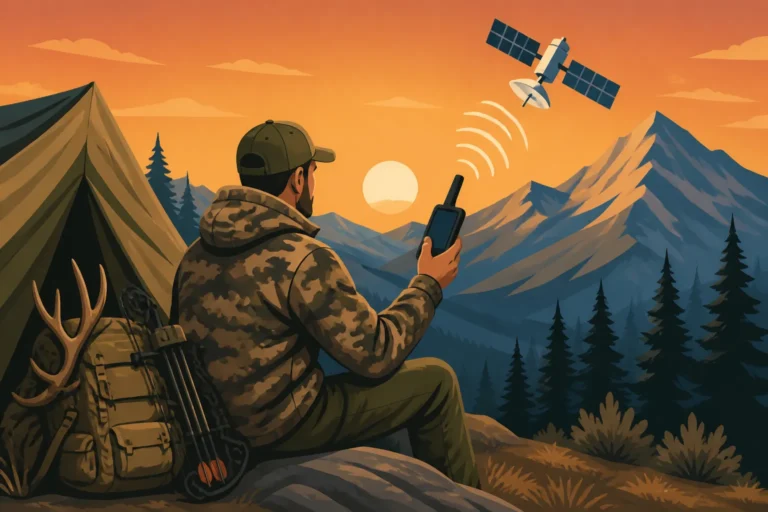
Communication in remote areas is another key aspect. Cell service is virtually nonexistent in much of Idaho's prime hunting country. Outfitters often carry satellite phones, satellite communicators (like Garmin InReach or Zoleo devices), or two-way radios to stay in touch with their main base or, in an emergency, with outside help. They will inform you of their communication protocols and emergency procedures during your orientation. It's not just about getting help if something goes wrong; it's also about checking in with loved ones back home if needed. Always ask your potential outfitter about their emergency communication plan and what type of medical training their guides possess. This level of detail is something you can often find through resources like GoHunt, which helps hunters vet services and gain confidence in their choices.
Food Storage and Wildlife Considerations
Idaho is home to a diverse array of wildlife, including black bears and, in some areas, grizzlies. This makes proper food storage not just a good practice, but a critical safety measure. Outfitters operating in bear country are acutely aware of the need to manage attractants. This means food is stored in bear-resistant containers, hung from trees, or kept in designated areas away from sleeping quarters. Food Storage Rules in Grizzly Country are stringent for good reason.
You'll find that all food scraps, trash, and anything with an odor is carefully contained and often packed out of the backcountry entirely. This isn't just about protecting the bears; it's about protecting the camp and the hunters. A bear accustomed to human food can quickly become a nuisance or, worse, a danger. Outfitters typically educate their clients on these rules upon arrival, emphasizing the importance of not leaving food or scented items in tents. They also often have bear spray readily available in camp and encourage clients to carry it when moving about the camp or hunting. Bear Safety Practices in an Outfitter Camp are a fundamental part of operating in Idaho's wild spaces.
What to Ask Your Outfitter About Their Lodging
Booking a guided hunt is a significant investment of time, money, and dreams. To avoid disappointment, it's crucial to be proactive and ask detailed questions about the lodging arrangements before you commit. Don't assume anything; what one outfitter considers "comfortable" might be very different from your definition.
Inquiring About Specific Camp Layout and Amenities
When you're speaking with a potential outfitter, dig deep into the specifics of their camp setup. Don't just ask if it's a "tent camp"; ask what kind of tents. How large are they? How many people typically share a sleeping tent? Are cots provided, or do you need to bring your own sleeping pad? Is there heating, like a wood stove, and is firewood readily available and included? These details can drastically impact your comfort, especially if you're hunting during colder periods.
Think about the small things that make a big difference. Is there any form of lighting in the tents? What about a place to hang wet gear? How far is the latrine from the sleeping tents? These seem minor, but after a long, cold day, these amenities become incredibly important. Getting clear answers about the sleeping arrangements, the provision of bedding (sometimes it's included, sometimes you bring your own sleeping bag), and the overall layout of the camp will paint a much clearer picture of what your "home away from home" will truly be like for the duration of your hunt. This is a key part of Vetting an Idaho Outfitter Before You Send a Deposit.
Discussing Camp Services and Daily Routines
Beyond the physical structures, inquire about the services and routines within the camp. What are the typical meal times? Are meals provided three times a day, or do you pack a lunch for the field? What kind of food can you expect? Most Idaho outfitters pride themselves on providing hearty, delicious meals to fuel their hunters, but dietary restrictions are something you'll need to discuss upfront.
Ask about water provisions. Is there potable water readily available in camp, or do you need to fetch and filter your own? What about charging capabilities for electronics? In many backcountry camps, charging is limited to a small generator run for a few hours in the evening, or a solar setup. Understanding these daily logistics helps you plan your personal gear, like extra batteries or portable chargers, and mentally prepare for the rhythm of camp life. Clear communication on these points prevents frustration down the line and ensures everyone is on the same page regarding the flow of the hunt. This dialogue is essential as part of Questions to Ask an Idaho Outfitter.
Setting Realistic Expectations for Idaho Backcountry Comfort
It's vital to maintain a realistic perspective. A guided hunt in Idaho's backcountry, even a comfortable one, is rarely a luxury resort experience. The goal is to maximize hunting opportunity, and sometimes that means sacrificing certain creature comforts. Mud, dust, cold, and unpredictable weather are all part of the game. Your outfitter is there to provide a safe, productive, and as comfortable-as-possible experience given the demanding environment.
Be prepared for early mornings, long days in the field, and evenings spent around a campfire or wood stove. The "lodging standards" are geared towards functionality, warmth, and keeping you fed and rested enough to hunt hard. Hunters sometimes forget that the primary purpose of these camps is to facilitate a hunt, not to recreate a hotel room. Embracing the ruggedness of the experience is part of the adventure. If you're looking for a hunt where the focus is more on the creature comforts than the challenge of the wild, a lodge-based hunt might be a better fit, but even then, it's still a hunting camp, not a spa.
How Different Hunt Types Influence Lodging Options
The specific type of hunt you choose, and whether it's fully guided or a more independent option, will heavily dictate the kind of lodging you'll encounter. Idaho offers a range of experiences, each with its own logistical footprint and corresponding camp style.
Drop Camps vs. Fully Guided Backcountry: The Spectrum of Support
One of the most significant distinctions in Idaho hunting services is between a drop camp and a fully guided backcountry hunt. This choice fundamentally alters your lodging experience and the level of support you receive.
A drop camp is a service where an outfitter packs you and your gear (including your own food and sometimes your own tents) into a pre-selected backcountry location, drops you off, and then picks you up at a predetermined date. You are essentially on your own for the duration of the hunt. This means you are responsible for setting up your camp, cooking, cleaning, and all other daily tasks. The outfitter may provide a basic tent, cots, and a cooking stove as part of the package, but the operational responsibility falls to you. The lodging quality in a drop camp is often simpler, and its success hinges on your group's self-sufficiency. This is a more affordable option and a fantastic way to experience the backcountry with logistical assistance, but without the cost of a full guide service. Idaho Drop Camp Hunts Explained details this further.
A fully guided backcountry hunt, on the other hand, means you have a dedicated guide (or guides) with you from start to finish. The outfitter provides the camp, sets it up, cooks the meals, manages the fire, and handles all the daily camp chores. Your job is to focus solely on hunting. The lodging here might be a more elaborate wall tent camp, or a well-equipped spike camp that moves with the game. The level of comfort is generally higher because you have professionals managing everything. This option provides a much more immersive and supportive experience, ideal for those who want to maximize their time hunting and minimize camp work. This often factors into What a Guided Idaho Elk Hunt Includes. The choice between Drop Camp Against Fully Guided really comes down to your budget, experience, and desire for independence.
Wilderness Hunt Lodging Considerations
Hunting in Idaho's designated wilderness areas, such as portions of the Gospel-Hump Wilderness or the vast Frank Church-River of No Return, carries specific rules and challenges that impact lodging. For nonresidents, some species like elk, moose, and bighorn sheep require you to hire a licensed Idaho outfitter to hunt within these wilderness boundaries. This often means you'll be staying in a true backcountry camp, like a wall tent setup or a spike camp, packed in by horses or mules.
These camps are designed for minimal impact. Everything that comes in must go out, including all garbage and waste. Camps are often situated in areas with existing clearings or historic use to further minimize disturbance. You won't find permanent structures, roads, or motorized vehicles within designated wilderness, meaning all transport and logistics are done by foot or stock. This remote setting lends itself to a very authentic, rugged hunting experience. The simplicity of the lodging is a direct reflection of the effort to preserve the pristine nature of these areas. Your outfitter will be well-versed in the specific regulations of operating within these zones, ensuring their camp meets all environmental and legal requirements for hunting areas like Hunting the Frank Church River of No Return.
Disclaimer
This article is for general informational purposes only and does not constitute professional advice. Laws, prices and regulations vary by location and change over time. Consult a qualified professional for guidance on your specific situation.