What Outfitter Prices Almost Never Include
When you dream of an Idaho hunting adventure, visions of vast wilderness, majestic elk, or a trophy mule deer often fill your mind. What doesn't always come to mind, however, is the full financial picture beyond the outfitter's quoted price. Many hunters, especially those new to guided trips, get a nasty surprise when they realize their initial booking fee doesn't cover everything. This guide will walk you through all those crucial, often overlooked, expenses that aren't typically rolled into your outfitter's advertised package, helping you budget for the real cost of your Idaho hunt.
The Sticker Shock Beyond the Stated Price
It's easy to look at a brochure or a website, see a price tag for a guided hunt, and assume that's your bottom line. Unfortunately, it's rarely that simple. Outfitters focus on their services, but the state of Idaho and your personal needs will demand more of your wallet. Understanding these separate costs upfront is key to avoiding financial stress during what should be an incredible experience.
License and Tag Fees: Your First Separate Investment
This is perhaps the biggest and most common oversight for many hunters planning a guided trip. The price an outfitter quotes never includes your actual Idaho hunting license or the specific tags for the animals you plan to pursue. These are state fees, paid directly to Idaho Fish and Game, and they are mandatory before you even step foot in the field. For non-residents, these fees can be substantial, making up a significant portion of your overall hunt cost. You'll need to purchase a general hunting license, and then individual tags for species like deer, elk, bear, or lion.
It's vital to remember that these aren't just minor additions; they are often hundreds, if not thousands, of dollars depending on your residency and chosen species. For instance, a nonresident looking to hunt elk and deer will face a pretty penny just for the privilege of holding those pieces of paper. Furthermore, these purchases often have to happen months in advance, well before your hunt date, sometimes even before you know if you'll draw a controlled hunt tag. The state's system for issuing tags, especially for popular species like elk, involves specific application periods and deadlines. If you're a nonresident, you'll need to understand The Idaho Nonresident Hunting License Price and budget accordingly.
Application Fees and Draw Costs: The Initial Ante
Beyond the actual license and tag fees, many of Idaho's most sought-after hunts are "controlled hunts," meaning you have to apply and be drawn to get a tag. While the tag itself has a cost, the application process itself often comes with a small, non-refundable fee per species. You might pay $10-$20 just to enter the drawing for an elk tag, a deer tag, or a coveted moose or bighorn sheep tag.
These fees, though seemingly small individually, can add up quickly if you're applying for multiple species or putting in for several different controlled hunt units. And here's the kicker: if you don't draw, that application fee is gone. It's the cost of playing the game, so to speak. Hunters often apply year after year, paying these small fees in the hopes of drawing that once-in-a-lifetime tag. It’s part of the pre-hunt budgeting that many don’t consider when looking at an outfitter’s package. You'll want to be familiar with Idaho Application Fee Per Species to ensure you're not caught off guard by these initial outlays.
Essential Costs for a Successful Hunt
Once you've secured your license and tags, there's the matter of actually getting to the hunt, bringing home your game, and preserving any trophies. These logistical components are almost universally separate from your outfitter's price.
Travel to and From the Hunt Area: Getting There is Half the Battle
Idaho is a big state, and many of its prime hunting areas are remote, tucked deep within national forests or rugged wilderness. Your outfitter's price typically starts when you arrive at their designated meeting point – usually a local town, airport, or trailhead. Getting yourself there is entirely on you.
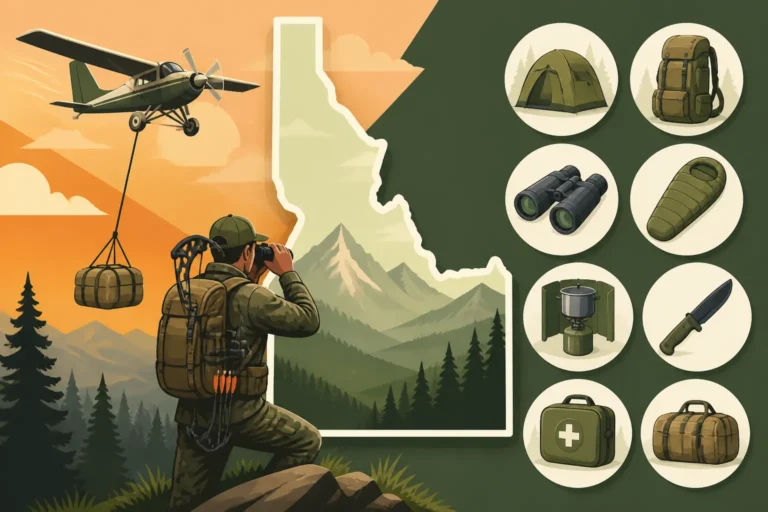
This means budgeting for airfare if you're flying in, likely to major hubs like Boise, Spokane (WA), or Missoula (MT), and then potentially a connecting flight or a long rental car drive to the jump-off point. Factor in the cost of a rental vehicle for your arrival and departure, as well as fuel, which can be considerable when traversing vast distances in the West. If your hunt involves a true backcountry experience, your outfitter might arrange transportation via a small bush plane to a backcountry airstrip or a jet boat up a remote river, but these specialized services are almost always an additional charge. Make sure to discuss Airport Transfers From Boise for Idaho Hunts or other logistics with your outfitter well in advance.
Meat Processing and Shipping: Bringing Home the Bounty
The goal of many hunts, beyond the experience itself, is to bring home some delicious wild game meat. While your outfitter will certainly assist with field dressing your animal and packing it out of the backcountry, the professional processing of that meat is almost always a separate expense.
Once you get your harvested animal to town, you'll need to find a local butcher or wild game processor. Their services include skinning, butchering, wrapping, and often freezing your meat. These costs can vary widely depending on the size of the animal and the services you request (e.g., custom cuts, sausage making). If you're a nonresident, you then face the additional challenge and expense of transporting that meat home. This could involve buying large coolers, dry ice, and paying for expedited shipping, or arranging to check it as baggage on a flight. This is where careful planning around Field Dressing and Carcass Transport Rules Explained becomes absolutely critical to ensure your hard-earned meat makes it back safely and legally.
Taxidermy and Trophy Fees: Preserving the Memory
For many, a successful hunt culminates in a trophy to commemorate the experience. Your outfitter will help with field-caping and preparing the hide and skull for transport, but the actual taxidermy work is a significant, separate investment. You'll need to budget for the cost of a professional taxidermist, which can range from hundreds to thousands of dollars depending on the size and species of animal and the type of mount you desire.
Additionally, some outfitters, particularly those managing private land or operating in units with exceptional trophy potential, may charge "trophy fees." These are supplemental fees, paid after the hunt, typically tied to the size or score of the animal harvested. For example, a hunt might have a base price, but if you harvest an elk scoring over a certain benchmark, an additional trophy fee would apply. It’s important to clarify if any such fees exist and how they are calculated before you book. Knowing How Outfitter Trophy Fees Work can prevent an uncomfortable surprise at the end of a successful hunt.
Gratuities and Personal Gear: The Hunter's Own Contribution
Beyond the operational costs, there are personal contributions that are a standard part of the hunting experience, particularly on guided trips. These are expressions of gratitude and investments in your own success and comfort.
Tipping Your Guides and Camp Staff: Showing Your Appreciation
In the guiding industry, tipping is not just customary; it's an expected part of the compensation for your guides, cooks, wranglers, and other camp staff. These folks work incredibly hard, often putting in long, grueling hours in challenging conditions to make your hunt successful and comfortable. Their dedication, knowledge of the terrain, and animal behavior are invaluable.
Most hunters factor in a tip of 10-20% of the hunt's base price, or a set daily rate per guide. This should be a line item in your budget, not an afterthought. While it might feel like an "extra," it truly is a direct appreciation for the effort and expertise provided. These funds often represent a significant portion of a guide's income. Understanding common practices around How Much to Tip a Hunting Guide will help you show appropriate appreciation for their hard work.
Personal Hunting Gear and Clothing: Equipping Yourself for Idaho
Your outfitter provides the camp, the food, and the expertise, but you are responsible for your own personal hunting gear. This includes everything from your rifle or bow, ammunition/arrows, optics (binoculars, spotting scope), and a backpack, to your layered clothing system, boots, sleeping bag (for some camps), and personal hygiene items.
Idaho weather and terrain can be incredibly demanding, shifting from warm days to freezing nights, sunny slopes to deep snow, all within a single hunt. Investing in high-quality, reliable gear is not just about comfort; it's about safety and success. While platforms like GoHunt can help you research units and plan strategies, you'll still be purchasing all of your actual hunting equipment from retailers. Your outfitter will typically provide a detailed packing list, and adhering to it is crucial. This is a substantial upfront investment, especially for new hunters. A good starting point is to review The Gear List Your Outfitter Will Send and assess what you already have versus what you need to acquire.
Unexpected Extras and Pre-Hunt Preparations
Sometimes, the hidden costs aren't about the hunt itself, but the fringes surrounding it, or personal investments you need to make to be ready. These often catch hunters completely off guard.
Pre- and Post-Hunt Accommodations: Before and After Camp Life
Unless your flight arrives and departs perfectly aligned with your outfitter's schedule, you'll likely need a hotel stay or two. Many hunters fly into a city like Boise a day early to handle last-minute gear checks, sight in their rifle, or simply get a good night's rest before heading into the backcountry. Similarly, after a physically demanding hunt, you might appreciate a night in a comfortable hotel, a hot shower, and a restaurant meal before embarking on your journey home.
These pre- and post-hunt expenses – hotels, meals, incidental shopping – are all out-of-pocket and can add up. It's smart to build a buffer into your budget for these "bookend" experiences that frame your actual time in the field.
Hunting Education and Physical Conditioning: Your Personal Investment
For many new hunters, or those crossing state lines for the first time, hunter education is a mandatory requirement. In Idaho, Anyone Born After 1974 Needs Idaho Hunter Education. If you don't have a valid hunter education card from Idaho or a reciprocal state, you'll need to complete a course, which involves time and typically a small fee. This is a foundational cost for anyone looking to hunt.
Beyond the formal education, Idaho hunting, especially in the rugged backcountry, demands a high level of physical fitness. Preparing for this means dedicating time to training, which might involve gym memberships, specialized hiking gear, or other investments in your physical well-being. While not a direct monetary cost from an outfitter, it's an investment in your success and enjoyment of the hunt.
Travel Insurance and Contingency Funds: Planning for the Unforeseen
Life happens, and sometimes, even the best-laid plans go awry. Flights get canceled, luggage gets lost, or personal emergencies arise that force a hunt cancellation. This is where travel insurance can be a wise, though often overlooked, investment. It can protect your substantial financial outlay (deposits, tags, flights) in case of unforeseen circumstances.
Additionally, always have a contingency fund. This extra cash or available credit can be a lifesaver for unexpected expenses: a broken piece of gear that needs replacing, an emergency medical need, an extended stay due to bad weather, or even just extra snacks and drinks for the road. While platforms like BookYourHunt can connect you with outfitters, they don't cover these personal financial safety nets. A little financial buffer goes a long way in ensuring peace of mind.
Here's a quick overview of what's typically included versus what's almost always separate:
| Category | Typically Included in Outfitter Price | Almost Always Separate Cost |
|---|---|---|
| Guiding Services | Yes | No |
| Meals in Camp | Yes | No |
| Field Dressing | Yes | No |
| Lodging in Camp | Yes (Tents, cabins, etc.) | No |
| Game Pack Out | Yes | No |
| Hunting License & Tags | No | Yes |
| Controlled Hunt Application Fees | No | Yes |
| Travel to/from Meeting Point | No | Yes (Flights, rental cars, fuel) |
| Meat Processing | No | Yes (Butcher fees, shipping) |
| Taxidermy Services | No | Yes (Mounting, shipping) |
| Trophy Fees | No (Unless explicitly stated) | Yes (If applicable) |
| Guide/Staff Gratuities | No | Yes (Expected 10-20% of hunt cost) |
| Personal Hunting Gear | No | Yes (Rifle, ammo, optics, clothing) |
| Pre/Post Hunt Accommodations | No | Yes (Hotels, restaurant meals) |
| Hunter Education | No | Yes |
| Travel Insurance | No | Yes |
Disclaimer
This article is for general informational purposes only and does not constitute professional advice. Laws, prices and regulations vary by location and change over time. Consult a qualified professional for guidance on your specific situation.