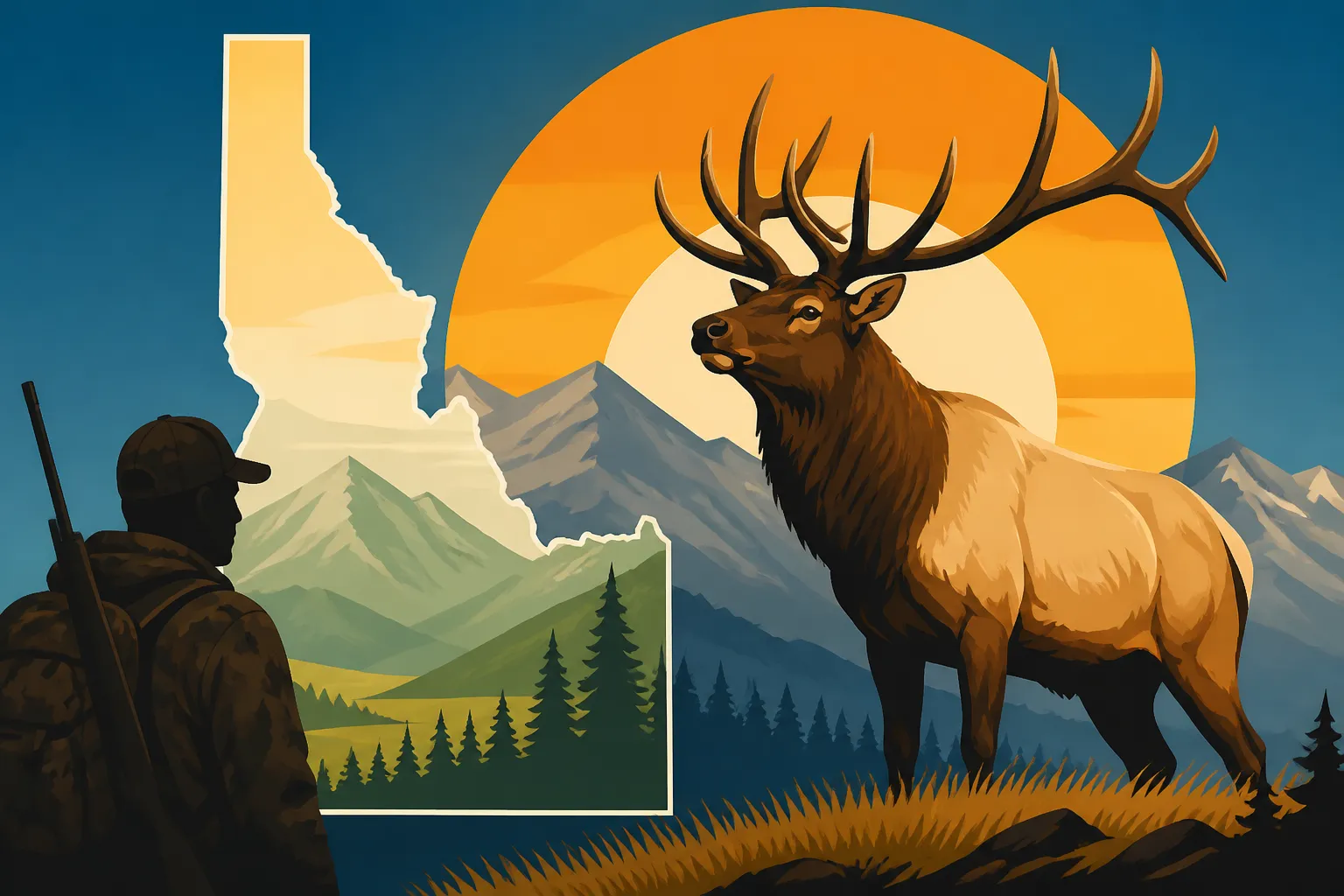
Elk Are Why Most Hunters Come to Idaho
There’s a good reason why the mention of Idaho often conjures up images of towering elk for so many hunters. The dream of chasing big bulls through rugged mountains and vast timberlands is a powerful one, but the sheer complexity of licenses, tags, zones, and regulations can quickly turn that dream into a bewildering headache. This comprehensive guide is here to untangle all the knots, helping you understand why Idaho is an elk hunter's paradise and how you can successfully plan your own adventure in the Gem State.
The Undeniable Draw of Idaho Elk Hunting
Idaho holds a special place in the hearts of elk hunters, and it’s not just a romantic notion. The state boasts some of the most robust elk populations in the West, offering diverse hunting opportunities that appeal to everyone from seasoned backcountry veterans to those just starting their elk hunting journey. It's a place where the wild still feels wild, and the reward of a hard-earned elk is unparalleled.
Understanding Idaho's Elk Reputation
Idaho has consistently ranked among the top states for elk harvest, and for good reason. Its vast expanses of public land, diverse ecosystems ranging from dense timber to high desert, and a proactive wildlife management strategy contribute to healthy and widespread elk herds. This isn't just about sheer numbers; it's about the quality of the hunting experience. Imagine glassing across a sage-covered basin at dawn, the sound of a distant bugle echoing through the crisp air, or slipping through dark timber in pursuit of a silent giant. These are the experiences Idaho offers in spades. The reputation is built on opportunity—the chance to pursue these magnificent animals in truly wild settings, often far from roads and crowds, if you're willing to put in the work.
Why Elk Remain a Top Target for Hunters
For many, elk hunting isn't just a season; it's a way of life, a deep connection to nature, and an annual pilgrimage. Elk are charismatic, challenging, and incredibly rewarding to hunt. Their size, intelligence, and adaptability make them a formidable quarry, demanding skill, perseverance, and often, a hefty dose of luck. Beyond the thrill of the chase, there's the unparalleled table fare. Lean, organic, and sustainably harvested, elk meat provides sustenance for families throughout the year, a tangible connection to the wild game found in these rugged landscapes. It's a hunt that tests your limits, both physically and mentally, leaving you with memories and stories that last a lifetime.
The Ecosystems That Support Thriving Herds
Idaho's incredible habitat diversity is the bedrock of its thriving elk populations. From the dense, old-growth forests of the Panhandle and Clearwater regions to the sprawling sagebrush steppes and steep river breaks of the Salmon River country and the open, high-elevation parks of the Caribou-Targhee National Forest, elk have found a way to adapt and flourish. These varied ecosystems provide everything elk need: abundant forage, crucial winter range, secluded calving grounds, and vast areas of security cover. Idaho Fish and Game (IDFG) actively manages these habitats, working with federal and state partners to ensure that elk have the resources they need, even as human populations and demands on the land continue to grow. This careful stewardship is a major reason why Idaho continues to be an elk hunting mecca.
Navigating Idaho's Elk Zones and Units
One of the first hurdles for any Idaho elk hunter, especially if you're coming from out of state, is understanding the intricate system of elk zones and game management units (GMUs). It can feel like decoding a secret language, but once you grasp the basics, it becomes a powerful tool for planning your hunt. Each zone and unit offers unique opportunities and challenges, influencing everything from tag availability to hunting pressure and success rates.
General Elk Zones Explained
Idaho divides the state into over two dozen elk zones, which are essentially large geographical regions. These zones are designed to manage elk populations on a broader scale, and most of them offer "general" season tags. General tags are available on a first-come, first-served basis, up to a certain quota, and don't require drawing in a lottery, though nonresidents do have specific quotas they must secure. Within each general zone, you'll find multiple game management units, and the regulations, including open seasons and weapon restrictions, can vary from unit to unit, even within the same zone. For example, the Frank Church-River of No Return Wilderness sits within several different zones, and hunting regulations can be dramatically different depending on which part of the wilderness you're looking at. Understanding the nuances of these zones is critical for selecting your hunting area and ensuring you have the correct tag for the desired weapon and season.
Capped Elk Zones and Their Unique Challenges
Beyond the general zones, Idaho has a handful of "capped" elk zones. These are specific, highly sought-after zones where the total number of general tags is limited, or "capped," even for residents. For nonresidents, these capped zones are extremely competitive, as a portion of the total nonresident elk quota is allocated to them. Unlike general tags that might be available for an extended period, Capped Elk Zones Sell Out While General Tags Sit. They often require hunters to be ready to purchase their tags at a specific date and time, almost like buying concert tickets. The demand for these tags is high because capped zones often represent areas with strong elk numbers, good access, or a history of producing quality bulls. Applying for and securing a tag in a capped zone often involves a higher degree of planning and quick action, especially for nonresidents who face strict quotas and purchase windows.
Using the Idaho Hunt Planner for Scouting
The Idaho Fish and Game Department offers an indispensable online resource: The Idaho Hunt Planner Is the Tool to Start With. This interactive map-based tool allows hunters to dive deep into unit-specific regulations, check drawing odds, review harvest statistics, and even view public land percentages and road access. It's truly your first stop for e-scouting an area, helping you understand the terrain, access points, and historical success rates long before you set foot in the field. By using the Hunt Planner, you can overlay different layers to see elk zones, GMUs, wilderness areas, and even private land boundaries (though for precise private land ownership, tools like GoHunt or onX Hunt are invaluable). Spending dedicated time with the Hunt Planner can save you countless hours and potential headaches down the line, helping you make informed decisions about where to hunt and which tag to pursue. It's like having an experienced local guide right there at your fingertips, offering insights into every nook and cranny of Idaho's hunting landscape.
Decoding Idaho's Tag System for Elk
The Idaho tag system can be a bit of a labyrinth, especially for newcomers or those accustomed to simpler structures in other states. It revolves around two primary tag types—A and B—and a separate system for controlled hunts. Understanding how these work is paramount to applying for the right tag and hunting legally and effectively.
A Tags vs. B Tags: What's the Difference for Elk?
Idaho's general elk tags are categorized as either "A" tags or "B" tags, and this distinction is crucial because it dictates the weapon type and season dates you'll be able to hunt. In simple terms, A Tags Favor Archery and Muzzleloader Hunters by typically opening earlier and offering longer archery and muzzleloader seasons. These tags are ideal for bowhunters or those who prefer primitive weapons, providing opportunities during the rut when bulls are most vocal. B tags, on the other hand, generally B Tags Favor the Centerfire Rifle Crowd and open later, often coinciding with rifle seasons. While B tags still offer some archery opportunities, their primary appeal is to rifle hunters looking for later season action. It's vital to research the specific zone and unit you're interested in, as the A vs. B tag structure varies, and some units might only offer one or the other, or different season lengths for each. This choice fundamentally shapes your hunting strategy and the time of year you'll be in the field.
| Tag Type | Primary Weapon Focus | Typical Season Timing | Advantage for Hunter | Typical Disadvantage |
|---|---|---|---|---|
| A Tag | Archery, Muzzleloader | Early Season (September-October) | Rut opportunities, less pressure (early archery) | Often shorter rifle seasons, can be physically demanding |
| B Tag | Rifle (Centerfire) | Later Season (October-November) | Rifle range advantage, colder weather can move elk | Misses peak rut action, potentially more pressure |
Nonresident Tag Allocation and the Draw
Idaho is a popular destination, and nonresident demand for elk tags is high. To manage this, Idaho Sets Aside 1,846 Deer and 2,975 Elk Tags for Nonresidents each year. These tags are allocated through a drawing system for both general and controlled hunts. For general tags, nonresidents apply in a December application period, and the draw typically takes place in January. Unlike many other Western states, Idaho Has No Preference Points, and What That Changes. This means every applicant, regardless of how many times they've applied in the past, has an equal chance in the draw. While this provides a fair playing field for new hunters, it also means there's no accumulated advantage, so drawing a tag is always a matter of luck. If you're planning a nonresident elk hunt, you'll first need to purchase a hunting license before applying for your elk tag, and note that A Nonresident Idaho Elk Hunt Starts at $836.75 for the tag alone, not including the license.
The Controlled Hunt System for Bull and Cow Elk
Beyond the general A and B tags, Idaho offers a robust system of "controlled hunts" for elk. These are specific, limited-entry hunts designed to manage specific populations, target trophy animals, or provide additional cow harvest opportunities. The Idaho Controlled Hunt Calendar, April Through August outlines the application periods and drawing dates for these hunts. Controlled hunts are species, unit, and weapon specific, meaning you might apply for a specific "any-bull" rifle hunt in Unit X, or a "cow elk" archery hunt in Unit Y. Drawing a controlled hunt tag often significantly increases your odds of success or allows access to areas with higher quality animals, but the draw odds can be very low due to intense competition. Nonresidents can apply for controlled hunts, but they face even steeper odds due to the limited number of tags available to them. Many hunters apply for these year after year, hoping to draw that once-in-a-lifetime tag. In some cases, if tags go unclaimed or are returned, How Idaho's Second Controlled Hunt Drawing Works in August, offering a second chance to pick up a tag.
Essential Elk Hunting Methods in Idaho
Elk hunting in Idaho demands adaptability. The vast landscapes and diverse habitats mean that what works in one area might be entirely ineffective in another. Hunters often employ a mix of strategies, choosing their approach based on the terrain, season, and the specific behavior of the elk.
Archery Hunting Tactics for Early Season Bulls
Archery season, typically in September, often coincides with the elk rut, making it one of the most exhilarating times to be in the woods. Bulls are vocal, vulnerable, and actively seeking cows, creating prime opportunities for calling. Mastering various elk calls—bugles, cow calls, and mews—is essential. You might start with locator bugles at dawn or dusk to pinpoint bulls, then move in aggressively. Often, a two-person calling setup works best, with one caller drawing the bull in while the shooter positions themselves for a shot. Stalking is also a critical component, moving silently through the timber or across open country, constantly aware of wind direction and thermals. The goal is to get How Close a Bowhunter Needs to Get on Elk, typically within 40-60 yards for a high-percentage shot. This requires immense patience, quiet movement, and a deep understanding of elk behavior. Early season often means warmer temperatures, so quick field dressing and meat care are paramount to prevent spoilage.
Muzzleloader Opportunities and Restrictions
Muzzleloader seasons in Idaho often fall in a sweet spot between the archery rut and the general rifle seasons, presenting a unique challenge and opportunity. These hunts require a different mindset, given the single-shot nature of the weapon and the shorter effective range. It’s a hunt that truly tests your stalking abilities and shot placement. Idaho has specific regulations for muzzleloaders, often requiring open or peep sights, and prohibiting scopes or modern inline ignition systems during muzzleloader-only seasons. Why Idaho Muzzleloader-Only Hunts Ban Scopes and Inline Ignition is rooted in the state's desire to maintain a primitive hunting experience. This means hunters must practice extensively with their chosen setup, becoming proficient at closer ranges. The primitive nature of these hunts adds an extra layer of difficulty but also a profound sense of accomplishment when successful. Hunters in these seasons must be prepared for variable weather, from warm early fall days to crisp, potentially snowy conditions.
Rifle Hunting in Idaho's Diverse Terrain
Rifle seasons in Idaho offer the longest range and often the highest success rates, appealing to a broad spectrum of hunters. However, "rifle hunting" is far from monolithic; it varies dramatically depending on the terrain. In the dense timber of northern Idaho, shots are often close and fast, requiring a quick-handling rifle and proficiency in still-hunting or tracking. Here, understanding Reading Fresh Elk Sign in Dark Timber becomes paramount. Moving slowly, stopping frequently, and scanning the woods for movement or horizontal lines in a vertical world is key. In the open, expansive breaks and sagebrush country of central and southern Idaho, long-range shooting skills become more critical. Hunters spend hours glassing vast areas, then planning elaborate stalks to close the distance. Choosing a Rifle for Idaho's Timber and Breaks depends on your primary hunting style and location, with calibers like .30-06, .300 Win Mag, or 7mm Rem Mag being popular choices for their versatility. Regardless of the terrain, shot placement is always king, and ethical hunters understand their effective range and the limitations of their equipment.
Key Factors Influencing Elk Success in Idaho
Elk hunting success in Idaho is a complex equation, influenced by a myriad of factors beyond just having a tag. Understanding elk behavior, how weather impacts their movement, and how to navigate hunting pressure are critical components of a successful hunt.
Understanding Elk Behavior and Migration Patterns
Elk are creatures of habit and opportunity, and their behavior shifts dramatically throughout the year and even within a season. Early season elk, particularly bulls, are often in high-country summer ranges, seeking lush forage and security cover. As the rut approaches in September, bulls become more active, vocal, and focused on breeding, which is when Bugling Elk in Idaho's Timbered Zones becomes a common and exciting tactic. Post-rut, elk often transition into recovery mode, feeding heavily to regain lost weight. Later in the season, colder temperatures and snow can push elk down to traditional winter ranges at lower elevations, often concentrating them in more accessible areas. However, these migration patterns are not static; they can vary year to year based on snowfall, forage availability, and hunting pressure. Experienced hunters pay close attention to historical migration routes and current conditions to anticipate elk movements.
The Role of Weather and Terrain in Elk Movement
Weather is a monumental factor in elk hunting, perhaps second only to hunting pressure. Early season warmth can make elk less active during the day, pushing them into dense cover until cooler evening hours. A sudden cold front, especially with snow, can trigger significant movement, pushing elk from higher elevations or making them more visible as they seek food. Rain, while often making hunting miserable for humans, can actually improve hunting by quieting the forest floor, allowing for stealthier stalks. Terrain, of course, dictates everything. Steep, rugged mountains offer sanctuary for elk, making them harder to access but also providing less pressured hunting opportunities. Areas with mixed timber and open parks or meadows offer ideal feeding and bedding transitions. Understanding how elk use specific terrain features—like north-facing slopes for bedding in warmer weather, or south-facing slopes for sun exposure in winter—is crucial for predicting where they might be.
Dealing with Hunting Pressure and Finding Secluded Animals
Idaho's reputation as an elk hunting destination means that many areas, particularly those with easy access, can experience significant hunting pressure. Elk are incredibly smart and will quickly adapt to pressure, becoming more nocturnal, seeking out the thickest cover, or retreating to the most remote, difficult-to-access terrain. The key to success often lies in finding pockets of less-pressured animals. This might mean hiking deeper than other hunters, utilizing trail cameras ethically to pattern animals on public land (checking Trail Camera Rules on Idaho Public Land), or targeting areas with difficult access like river breaks or steep canyons. Sometimes, simply hunting a few days after opening weekend, when many hunters have left, can yield results as elk start to move again. Using mapping software like GoHunt or onX Hunt to identify areas with limited road access, or even scouting for Finding Landlocked Public Parcels that require careful navigation, can reveal hidden gems where elk feel safer.
Planning Your Idaho Elk Hunt: Logistics and Preparation
Embarking on an Idaho elk hunt is a significant undertaking that requires meticulous planning and preparation. From ensuring your body is ready for the rigors of the backcountry to having the right gear, every detail counts in maximizing your chances of success and ensuring a safe, enjoyable experience.
Physical Conditioning for Backcountry Elk
Let's be real: Idaho elk country is not for the faint of heart. It's steep, rugged, and unforgiving, and elk often live in the most challenging terrain. Successfully hunting elk, especially if you're planning a multi-day backcountry trip, demands serious physical conditioning. This isn't just about being able to walk a few miles; it's about being able to climb thousands of feet of elevation with a heavy pack, day after day, and then have the strength to pack out hundreds of pounds of meat over equally challenging terrain. Incorporate cardio, strength training, and, most importantly, hiking with a weighted pack into your routine well in advance of your hunt. Focus on leg strength, core stability, and endurance. The fitter you are, the safer and more enjoyable your hunt will be, and the more capable you'll be when that moment of truth arrives and you need to make a quick move or get an animal out of a tough spot.
Essential Gear for an Idaho Elk Adventure
Your gear list for an Idaho elk hunt will be extensive and highly dependent on the season, duration, and specific location of your hunt. However, some items are universally essential. Quality optics (binoculars, spotting scope, rangefinder) are non-negotiable for glassing vast landscapes. A reliable rifle or bow, tuned and sighted in, is obvious. Layered clothing suitable for rapidly changing mountain weather, including rain gear, is critical. A comfortable, supportive pack capable of carrying gear in and meat out is paramount. Navigation tools, whether a handheld GPS, a reliable app like GoHunt on your phone, or traditional map and compass skills, are crucial for staying found in remote areas. Don't forget first-aid supplies, water filtration, and bear spray, especially in areas with grizzly bear populations. For backcountry camps, a lightweight, durable tent, sleeping bag, and cooking system will be needed. Every piece of gear should be vetted and practiced with long before you leave home.
Considerations for DIY vs. Guided Hunts
The choice between a do-it-yourself (DIY) hunt and a guided hunt is a personal one, influenced by experience, budget, and desired challenge. DIY hunts offer the ultimate sense of accomplishment and freedom, allowing you to explore at your own pace and make all the decisions. However, they demand extensive planning, research (using resources like the Idaho Hunt Planner and GoHunt to scout units), and a high level of self-sufficiency. You'll need to know how to pack an elk out of steep country alone and be prepared for all contingencies. For nonresidents, it’s critical to remember that Idaho Forces Nonresidents to Hire a Guide for Wilderness Elk and certain other species within designated wilderness areas. Guided hunts, while a significant financial investment, offer the advantage of experienced local knowledge, equipment, logistics, and often, higher success rates. Outfitters handle many of the complexities, allowing you to focus purely on the hunt. Many outfitters also offer "drop camps," where they pack you and your gear into a remote location, leave you for several days, and then return to pack you out, offering a middle ground between fully guided and DIY.
Managing Your Elk Harvest and Post-Hunt Realities
Harvesting an elk is the culmination of immense effort and often a moment of profound emotion. But the work is far from over once the animal is down. In fact, some of the most challenging and critical tasks begin immediately after the shot. Proper field care, respectful transport, and adherence to regulations are essential.
Field Dressing and Meat Care in the Field
The moment an elk is on the ground, the clock starts ticking, especially in warmer weather. Rapid and thorough field dressing is absolutely essential to cool the meat and prevent spoilage. This involves gutting the animal quickly, often quartering it, and removing the hide to allow air circulation. If you're in the backcountry, boning out the meat into game bags is often the most practical approach. Always ensure your game bags are clean, breathable, and strong enough to protect the meat from dirt, flies, and debris. Cooling the meat as rapidly as possible is paramount, even if it means hanging quarters in a shady, breezy spot overnight. Ignoring proper meat care not only leads to spopped meat but is also a violation of Idaho's strict meat salvage laws, which require hunters to make a reasonable effort to retrieve all edible meat. Field Dressing and Carcass Transport Rules Explained should be studied well in advance.
Transporting Your Elk Out of the Backcountry
Getting a 500-800 pound animal out of steep, rugged terrain is arguably the hardest part of the hunt. This is where your physical conditioning and gear truly pay off. Whether you're making multiple trips with a heavy pack frame, using a game cart where feasible, or relying on horses or llamas, having a solid plan is non-negotiable. Knowing Packing an Elk Out of Steep Country Alone is a skill, and it's best to have a buddy system in place. If you're hunting in areas with vehicle access, remember that Idaho's Motorized Hunting Rule Keeps You on the Road, meaning you cannot drive off established roads to retrieve downed game. This means even if you're close to a road, you might still face a significant pack out. Always bring more water than you think you'll need for the pack out, and never push yourself to the point of exhaustion or injury. Safety is always the top priority.
Mandatory Reporting and Carcass Rules
After successfully harvesting an elk in Idaho, you have several responsibilities to fulfill. First and foremost, your tag must be notched and attached to the carcass immediately after the kill, following specific instructions on the tag itself. This is critical for proving legal harvest. You'll also need to be aware of any Evidence of Sex Requirements on a Carcass, which typically means leaving a certain portion of the hide or head attached until the meat is processed. Idaho Fish and Game also has Mandatory Reporting After an Idaho Harvest for certain species, including elk, within a specific timeframe after the kill. This data helps wildlife managers monitor harvest rates and population health. In some areas, particularly those with concerns about Chronic Wasting Disease (CWD), you might be required to submit samples or take your animal to a CWD sampling station. Always check the current year's regulations carefully to ensure you are compliant with all reporting and carcass transport rules.
Disclaimer
Please remember that hunting regulations, seasons, and tag allocations can change annually. While this guide provides comprehensive information, it is crucial to always consult the current year's official Idaho Fish and Game hunting regulations for the most up-to-date and accurate information before planning and embarking on any hunt.