Why Drawing a Trophy Tag Locks You Out
Many dedicated hunters spend years, even decades, faithfully putting in for Idaho's most sought-after tags, dreaming of the day they'll finally draw that once-in-a-lifetime opportunity. But for those fortunate few who beat the astronomical odds and secure a trophy tag for moose, bighorn sheep, or mountain goat, the sheer elation is often followed by a sobering realization: this incredible experience comes with specific, long-term consequences for your future applications in the Gem State. This guide will meticulously unpack exactly what it means when you finally draw one of these coveted tags, explaining the rules that will impact your future applications and helping you strategize your path forward.
The Unique Allure of Idaho's Coveted Trophy Tags
Idaho is a hunter's paradise, offering incredible opportunities for everything from mule deer to elk, but certain animals hold a special, almost mythical status. These are the hunts that dominate conversations around campfires and fuel years of dedicated application efforts.
What Makes a Hunt a "Trophy Tag" in Idaho
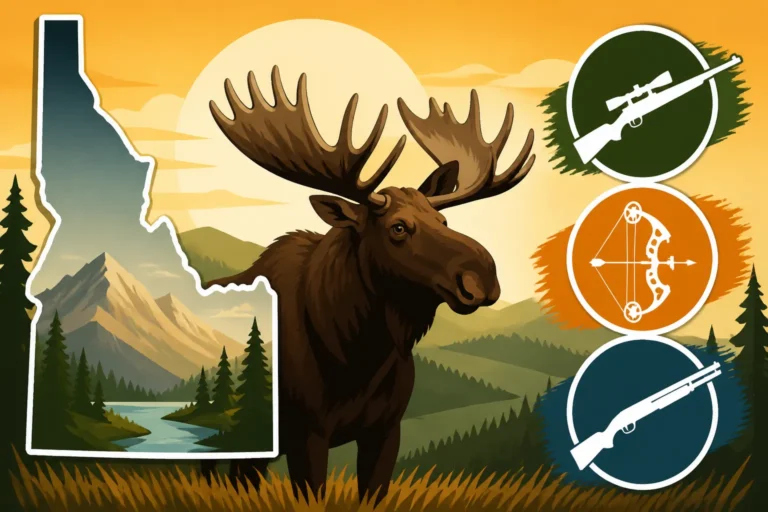
When hunters talk about "trophy tags" in Idaho, they're almost exclusively referring to three specific species: moose, bighorn sheep, and mountain goat. These aren't just any big game animals; they represent the pinnacle of mountain hunting challenges and offer an unparalleled experience in some of the state's most breathtaking, rugged wilderness.
Unlike general season elk or deer tags, which are often available over the counter or in high-volume draws, moose, bighorn sheep, and mountain goat hunts are exclusively offered through Idaho's controlled hunt drawing system. This means a limited number of tags are issued each year, sometimes as few as a handful for an entire region, making them incredibly rare. The application process itself is a rite of passage, often requiring careful unit research and an understanding of the intricate draw calendar. For nonresidents, the prospect of drawing one of these tags is even more challenging, adding another layer to the dream. You can learn more about specific application windows in the article, "Idaho Controlled Hunt Calendar, April Through August."
The Rarity and Dream Hunt Status
Let's be blunt: drawing a tag for an Idaho moose, bighorn sheep, or mountain goat is like winning the lottery for a hunter. The odds are often incredibly slim, sometimes less than one percent, depending on the unit and species. Many hunters apply for decades, diligently paying their application fees each year, with the full understanding that they may never actually see their name on the draw list.
This extreme rarity is precisely what elevates these hunts to "dream hunt" status. The animals themselves are magnificent. A bull moose, for instance, is an imposing creature of the northern forests, and the opportunity for an Idaho Moose Is a Controlled Hunt You Wait Years For. Bighorn sheep, whether they're Rocky Mountain or California Bighorns—and Idaho Counts Rocky Mountain and California Bighorns Separately—inhabit steep, unforgiving terrain, and pursuing them is a test of physical endurance and mental fortitude. Similarly, Mountain Goat Hunting Above Idaho Timberline means venturing into the high alpine, where these agile creatures cling to impossible cliffs. These hunts aren't just about the harvest; they're about the immersive experience in truly wild country, pushing your limits, and creating memories that last a lifetime. That sense of ultimate accomplishment and the sheer challenge involved is why so many are willing to apply year after year, even with the knowledge that drawing means a significant future restriction.
Deciphering the "Once-in-a-Lifetime" Lock-Out Rule
The excitement of drawing one of these trophy tags is immense, but it's crucial to understand the very specific "lock-out" mechanism that Idaho Fish and Game (IDFG) employs for these highly coveted animals. This isn't a temporary ban; it's a long-term commitment that shapes your future hunting applications for these species.
The Species-Specific Application Restriction
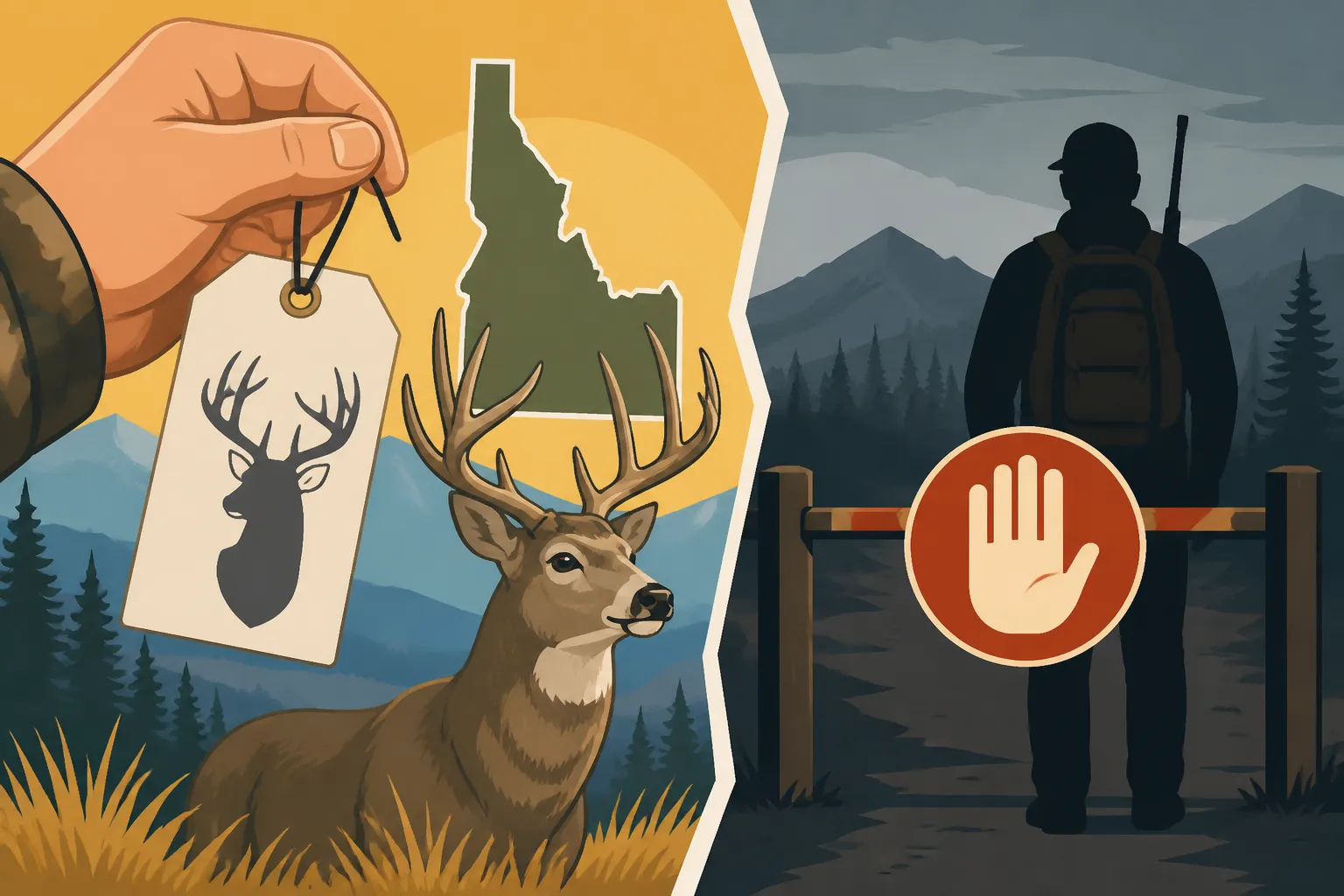
Idaho's primary "lock-out" rule for moose, bighorn sheep, and mountain goat tags is straightforward yet profound: once you successfully draw a tag for one of these species, you are generally ineligible to apply for that same species again in Idaho for the remainder of your life. This is what's commonly referred to as a "once-in-a-lifetime" opportunity.
Let's break down what this means:
- Moose: If you draw a moose tag and hunt it, you cannot apply for another moose tag in Idaho ever again. You've had your chance.
- Bighorn Sheep: This one has a slight nuance. Idaho differentiates between Rocky Mountain Bighorn Sheep and California Bighorn Sheep. If you draw a tag for a Rocky Mountain Bighorn, you are restricted from applying for another Rocky Mountain Bighorn tag. However, you could potentially apply for a California Bighorn tag in the future, as they are considered separate subspecies under this rule. The same applies in reverse.
- Mountain Goat: Similar to moose, drawing a mountain goat tag means you cannot apply for another mountain goat tag in Idaho again.
This restriction is absolute for the species you draw (or subspecies in the case of sheep). It doesn't matter if you harvest an animal or not; simply drawing the tag activates this lifetime lockout for that specific species. This rule is a core component of Idaho's wildlife management strategy for these rare species.
The Rationale: Ensuring Fair Opportunity for All
Many states utilize various point systems—like preference points or bonus points—to manage demand for limited tags, often giving an advantage to hunters with more points. Idaho, however, operates differently. As detailed in the article "Idaho Has No Preference Points, and What That Changes," the state's draw system is designed to give every applicant, regardless of how many times they've applied in the past, an equal chance each year they apply. This means a first-time applicant theoretically has the same odds as someone who has been applying for 30 years.
Given this "equal odds" approach, the once-in-a-lifetime rule for trophy species makes a lot of sense from a fairness perspective. Imagine if hunters could draw a moose tag every few years. The already minuscule odds for new applicants or those who haven't drawn would become virtually impossible. By implementing a lifetime restriction for each species, IDFG ensures that the opportunity to pursue these incredibly rare animals is distributed among as many individual hunters as possible over time. It's about providing a chance, however slim, to a broader base of hunters, rather than allowing a lucky few to repeatedly experience these premier hunts. This system prioritizes spreading the opportunity, rather than rewarding loyalty or accumulated points, which is a key philosophical difference from many other Western states.
Navigating Your Hunting Future After a Trophy Draw
So, you've drawn that incredible tag, had an unforgettable hunt, and now you're wondering what's next for your Idaho hunting aspirations. The good news is that drawing a trophy tag doesn't mean your Idaho hunting career is over; it simply means a shift in focus for those particular species.
Continued Eligibility for Other Idaho Hunts
It's a common misconception that drawing a "once-in-a-lifetime" tag somehow bans you from all future hunting in Idaho, or even from applying for other controlled hunts. Rest assured, this is not the case. The lifetime restriction applies only to the specific trophy species (moose, bighorn sheep, or mountain goat) for which you drew the tag.
You are still completely eligible to apply for and draw tags for all other species, including general season deer and elk, or other controlled hunts for antelope, bear, or even other deer and elk controlled hunts. For example, if you drew a moose tag last year, you can still apply for a controlled elk hunt this year, or simply buy a general season elk tag and head out for your annual hunt. This distinction is crucial for hunters who might be hesitant to apply for trophy tags out of fear of being "locked out" of all future Idaho hunting. Your options for pursuing species like deer, elk, or bear remain wide open, offering plenty of opportunities to continue enjoying Idaho's diverse hunting landscape. Understanding how to pick between an Idaho A Tag and a B Tag can also open up new opportunities for deer and elk, regardless of whether you've drawn a trophy tag in the past.
Strategic Planning for Future Idaho Applications
Even though you're locked out of applying for a specific trophy species again, your hunting strategy doesn't have to end. In fact, now is the perfect time to refine your approach to Idaho's draw system and general hunting opportunities.
One of the best ways to strategize is by leveraging tools like GoHunt. Platforms like GoHunt provide invaluable data, helping you analyze drawing odds for different units and species. Even though you're no longer applying for moose or goat, you can use these resources to identify units with better odds for mule deer or whitetail, or to explore opportunities for a specific Idaho Elk Zones and the A Tag or B Tag Choice. Their detailed insights can help you make informed decisions, whether you're looking for a higher-odds general season hunt or trying to snag a coveted controlled hunt for other game. You might be surprised at the array of opportunities still available to you, especially if you're willing to explore different weapons seasons like archery or muzzleloader.
When considering your applications, think about your long-term goals. Is there a particular unit for elk you've always wanted to hunt? Are you interested in pursuing bear, or perhaps even a fall turkey? With the trophy tag experience under your belt, you can now shift your focus to other exciting hunts, perhaps even exploring a guided hunt for a different species, like those detailed in "What a Guided Idaho Elk Hunt Costs," or planning a DIY Public Land Hunt in Idaho. It's about looking at the vast landscape of Idaho's hunting opportunities and recognizing that while one door has closed for a specific trophy, many others remain wide open, waiting for your next adventure. Always take the time to check the "Checking Idaho Drawing Odds Before You Apply" to maximize your chances.
Here's a quick comparison of trophy vs. general species tag rules:
| Feature | Trophy Species (Moose, Bighorn Sheep, Mountain Goat) | General/Other Controlled Species (Deer, Elk, Bear, Antelope, etc.) |
|---|---|---|
| Application Method | Controlled Hunt Draw Only | Controlled Hunt Draw or General Over-the-Counter |
| Draw Odds | Extremely Low (often <1%) | Varies; can be moderate to good depending on unit/species |
| "Once-in-a-Lifetime" Rule | Yes, for that specific species (or subspecies for sheep) | No, can apply/draw multiple times across years |
| Impact on Other Species | None (can still apply for other species' tags) | None |
| Primary Goal of Rule | Distribute rare opportunities widely | Manage harvest, distribute opportunity |
| Cost of Nonresident Tag (approx.) | Significant (e.g., ~$2,500 for Moose, ~$2,100 for Sheep/Goat) | Moderate (e.g., ~$416 for Deer, ~$651 for Elk) |
Note: Tag costs are approximate for nonresidents and do not include the required hunting license. Always check current IDFG regulations for exact pricing and rules.
Disclaimer
Please remember that hunting regulations, seasons, and tag allocations can change annually. It is always the hunter's responsibility to consult the most current Idaho Fish and Game regulations or contact IDFG directly before planning any hunt or submitting applications.