Blaze Orange Requirements Through the Season
Navigating the specific gear requirements for hunting in Idaho can feel like trying to hit a moving target, especially when it comes to something as crucial as blaze orange. Many hunters find themselves scratching their heads, wondering if they really need to wear it for every hunt, or if there are certain seasons where it’s not just unnecessary but potentially detrimental. This comprehensive guide is here to untangle the confusion, providing clear, in-depth explanations of Idaho's blaze orange regulations throughout the various hunting seasons.
The Foundation of Idaho's Blaze Orange Rule
When you're out in the field, whether chasing big game or calling in predators, safety is always the number one priority. Idaho Fish and Game has specific regulations for hunter orange (often called blaze orange) designed to maximize visibility and minimize the risk of accidents. It’s not just a suggestion; it’s a critical part of being a responsible hunter, especially when others might be in the woods with you.
Why Blaze Orange Matters Beyond the Law
It’s easy to feel like blaze orange clashes with your carefully selected camo pattern. We spend so much time and money trying to blend in, only to slap on a neon vest. Believe me, I get it. But the truth is, while camouflage helps you blend into the natural environment from an animal’s perspective (most big game animals are red-green colorblind, so blaze orange often appears as a dull gray or brown to them), blaze orange makes you stand out like a beacon to other human hunters. This distinction is vital for preventing tragic misidentification accidents.
Think about the conditions you often hunt in here in Idaho: dense timber, thick brush, early morning fog, or late evening shadows. In these low-light or obstructed environments, a person in drab colors can easily be mistaken for game. A splash of bright orange, however, immediately signals "human." It’s a non-negotiable safety layer. While you might feel it compromises your stealth, the benefit of returning home safely, and ensuring others do too, far outweighs any perceived disadvantage with game animals. It fosters a safer environment for everyone sharing the public lands, from the backcountry of the Frank Church Wilderness to the more accessible national forest lands.
General Requirements for Big Game Hunters
The Idaho Department of Fish and Game has a straightforward rule for big game hunters: during any general big game season where a firearm is allowed, all hunters (including those hunting with archery equipment or muzzleloaders during these general seasons) are required to wear specific amounts of visible blaze orange. This requirement applies to deer, elk, moose, bighorn sheep, and mountain goat hunts during rifle seasons.
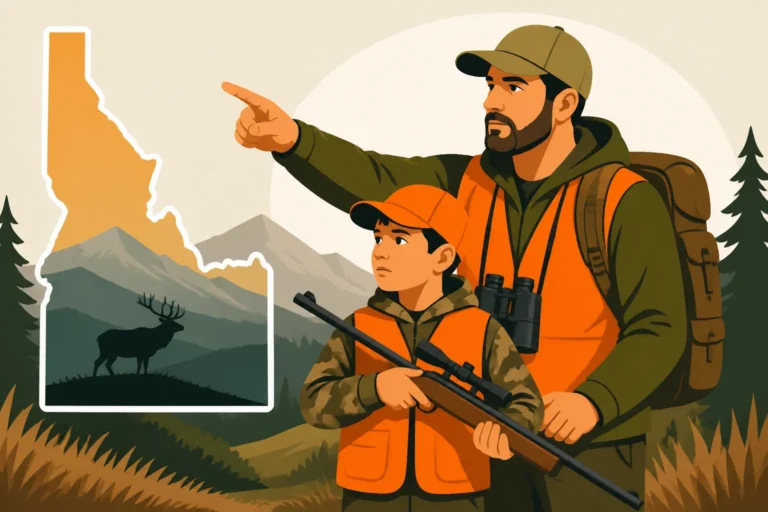
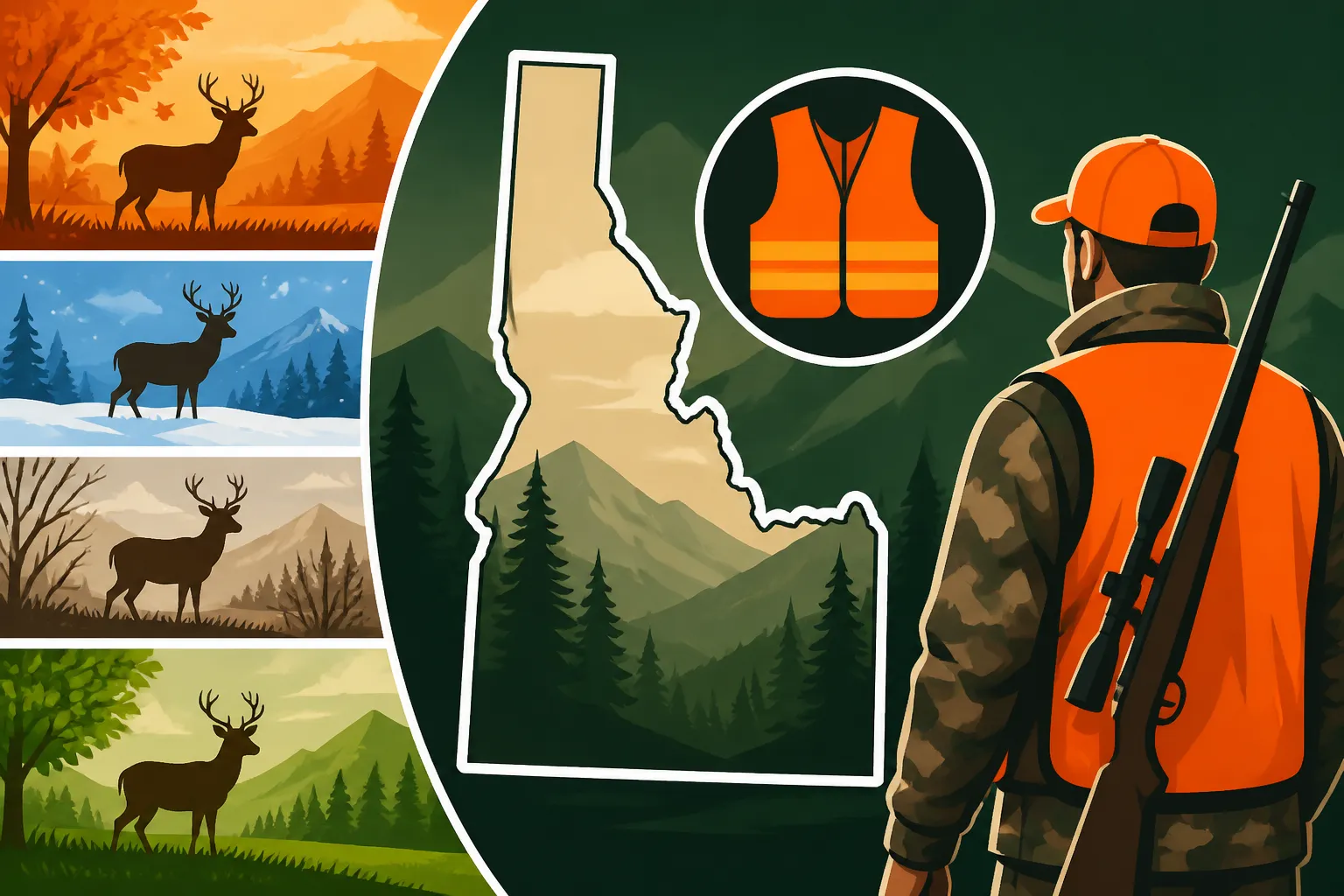
Specifically, you need to wear at least 36 square inches of visible blaze orange material above the waist. This could be a vest, a jacket, or even a solid blaze orange hat. Many hunters opt for a combination, like a vest over their jacket and a blaze orange beanie, to ensure maximum visibility from all angles. It’s not about how much orange you have in your backpack, but how much is actively visible when you’re walking or sitting. If you’re wearing a backpack that covers your orange vest, you might not be meeting the requirement, so consider how your gear interacts with your blaze orange layer. It’s always best to err on the side of more visibility, especially in popular units that see significant hunting pressure, which you can often research using tools like the Idaho Hunt Planner.
When Blaze Orange is NOT Required in Idaho
While blaze orange is a cornerstone of safety during many Idaho hunts, it's certainly not a universal mandate across all seasons and species. Understanding these exemptions is just as important as knowing when you do need it, as it allows you to adapt your gear to the specific hunt without being over-prepared or, worse, under-prepared for other types of hunting.
Archery-Only Seasons and Designated Archery Hunts
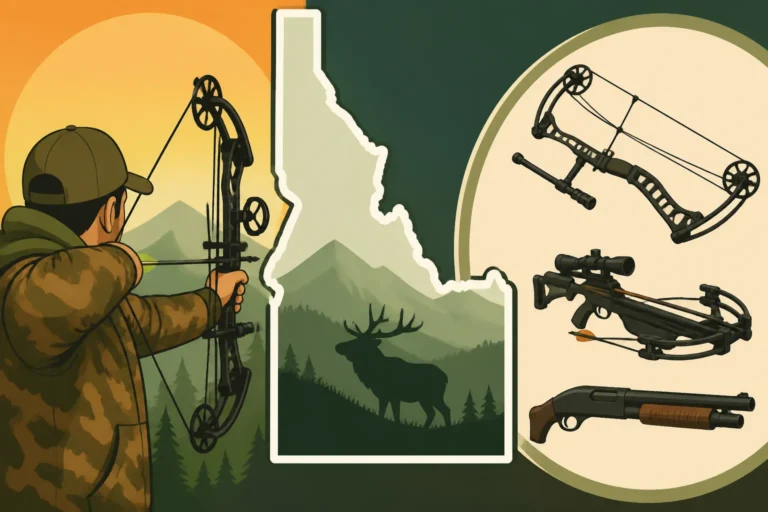
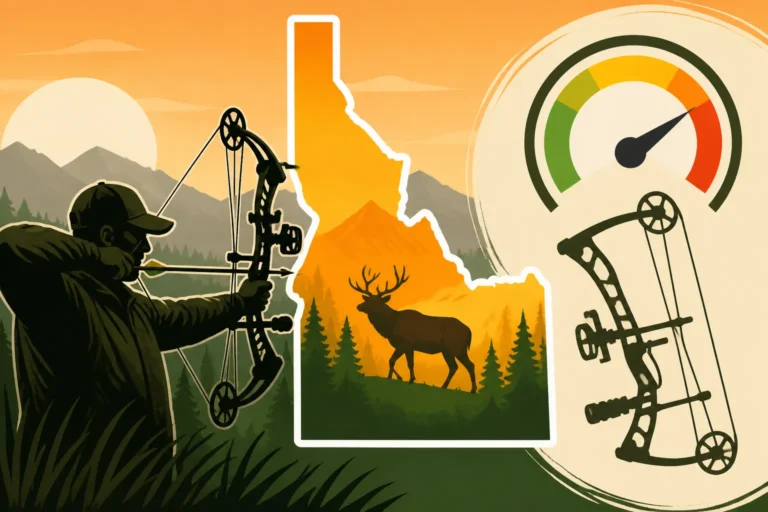
Here's where many bowhunters breathe a sigh of relief: during designated archery-only seasons for big game, blaze orange is generally not required. The reasoning is clear: bowhunting relies heavily on stealth, camouflage, and closing the distance to game without being detected. Wearing bright orange would severely hinder a bowhunter's ability to get within ethical shooting range of an animal. This exemption is crucial for the very nature of the sport.
However, a crucial distinction to remember is the difference between an "archery-only season" and "hunting with archery equipment during a general season." If you choose to hunt deer or elk with your bow during a general rifle season (often called an "any-weapon" season), you are still required to wear blaze orange, just like any other hunter in the field. This nuance is why checking the regulations specific to your hunt unit and season dates is paramount. An internal link like Is Blaze Orange Required for Archery Hunting? can offer even more clarity on this often-misunderstood aspect of the rules. The general idea is that if there's a chance a rifle hunter might be in the woods, you need to be highly visible to them. This often happens in those shoulder seasons or areas where archery opportunities overlap with early rifle seasons.
Certain Predator, Upland, and Waterfowl Hunts
Beyond big game, many other hunting opportunities in Idaho also do not require blaze orange, primarily due to the nature of the quarry or the hunting method.
-
Predator and Furbearer Hunting: When you're out calling coyotes or chasing mountain lions, the name of the game is often concealment. Predators are highly sensitive to human presence, and any bright color would immediately give away your position. Therefore, blaze orange is not required for hunting most predators and furbearers like coyotes, fox, bobcats, or wolves, unless you are predator hunting within a general big game season or management rules dictate otherwise for specific units. For instance, you might be out calling coyotes in an area where elk hunters are also present. In such a scenario, prioritizing safety means considering the presence of other hunters, even if the primary target doesn't require orange.
-
Upland Bird and Waterfowl Hunting: Most upland bird hunting (think pheasant, quail, chukar, grouse) and waterfowl hunting (ducks, geese) also fall under the "no blaze orange required" umbrella. These hunts often involve dogs, moving through heavy cover, or sitting in blinds, where concealment from the target species is key. For example, a waterfowl hunter covered head-to-toe in marsh camo would find blaze orange utterly counterproductive. However, be mindful of specific regulations for game bird hunting on state Wildlife Management Areas (WMAs), as some areas might have unique rules. Always consult the Idaho Fish and Game regulations specific to the species and area you plan to hunt.
When you're planning these types of hunts, particularly if you're using a resource like GoHunt to scout areas, pay attention to the species and season dates. The rules are designed for safety first, but also to allow hunters to effectively pursue their chosen game without unnecessary restrictions.
Understanding Season Overlaps and Specific Weapon Hunts
Idaho's hunting seasons are incredibly diverse, offering a smorgasbord of opportunities across different species and weapon types. However, this diversity can also lead to confusion, especially when multiple seasons or weapon types overlap in the same area. This is where understanding the blaze orange requirements becomes absolutely critical, as failing to adhere can lead to fines or, more importantly, put you and others at risk.
Muzzleloader and Short-Range Weapon Seasons
Muzzleloader and short-range weapon seasons are fantastic opportunities for hunters, often extending beyond or preceding general rifle seasons. However, the requirement for blaze orange during these hunts often hinges on whether they coincide with any general big game firearm season. If a muzzleloader or short-range weapon season runs concurrently with any general rifle season for big game in the same unit, then blaze orange is absolutely required.
Imagine a scenario where you're out during a special muzzleloader hunt, enjoying the quiet challenge of a black powder rifle. But a few drainages over, a general rifle deer season is in full swing. In this situation, the Idaho regulations require you to wear your blaze orange. This is primarily a safety measure to protect you from hunters using modern firearms who might be targeting deer or elk. It doesn’t matter if your muzzleloader is technically a different weapon; the presence of modern firearms in the woods means increased risk and, therefore, increased visibility is necessary. For those curious about the specific rules for these weapon types, you might want to check out articles like Idaho Muzzleloader Caliber Minimums: .45 for Deer, .50 for Elk or What Counts as a Short-Range Weapon in Idaho for more details on the weapons themselves.
Even during dedicated "muzzleloader-only" seasons, always double-check the regulations for specific units. Sometimes, these "muzzleloader-only" seasons fall outside the dates of general firearm seasons, which would then exempt you from the blaze orange rule. But it’s a nuanced detail that demands careful review of the Idaho Fish and Game regulations. Never assume; always verify.
General Any-Weapon Seasons and the "Rule of Thumb"
When it comes to "any-weapon" seasons for big game in Idaho, the rule of thumb is simple and straightforward: if modern firearms (rifles, shotguns, etc.) are permitted, you must wear blaze orange. These are the most common and often busiest hunting seasons, drawing the largest number of hunters into the field. The increased density of hunters, combined with the longer ranges and higher power of modern firearms, makes blaze orange a non-negotiable safety tool.
This applies whether you're carrying a high-powered rifle, a shotgun loaded with slugs, or even if you're an archery hunter or muzzleloader hunter choosing to hunt during an any-weapon season. The presence of other hunters using rifles mandates your visibility. The 36 square inches of visible blaze orange above the waist applies universally here. It’s not just about what you’re hunting with, but what everyone else might be hunting with.
It's also worth noting that Idaho's hunting hours are defined from a half-hour before sunrise to a half-hour after sunset, as detailed in Idaho Legal Shooting Hours for Big Game. During these low-light periods, blaze orange becomes even more critical for distinguishing humans from game. Before you head out, make it a habit to cross-reference your specific unit, target species, and weapon choice with the official Idaho Fish and Game regulations. Using online tools or apps like those provided by GoHunt can simplify this process, allowing you to quickly verify all requirements for your chosen hunting area and dates. These resources are incredibly helpful for ensuring you're compliant and safe.
Practical Considerations for Wearing Blaze Orange
Beyond simply knowing when to wear blaze orange, understanding how to effectively incorporate it into your hunting gear and overall safety strategy is crucial. It’s not just a piece of fabric; it’s a commitment to safety and responsible hunting.
Choosing the Right Gear
The market is flooded with blaze orange options, and while many will meet the 36-square-inch requirement, choosing the right gear involves more than just color.
- Vests and Jackets: A basic blaze orange vest is a common choice, easily slipped over your existing hunting layers. Look for vests that are lightweight, breathable, and durable enough to withstand snags from brush and tree limbs. Some hunters prefer a full blaze orange jacket, especially in colder weather. The key is ensuring the orange remains visible even when you're moving or carrying a backpack. If your backpack covers your back, you might need a vest that wraps around the sides or a hat to supplement. Brands like Sitka Gear, for instance, offer high-quality vests and hats that are designed with hunter safety and comfort in mind, often incorporating breathable fabrics.
- Hats: A blaze orange hat is an excellent, often mandatory, addition. It provides visibility from above and can be worn even when a vest might be covered by a pack or coat. A simple beanie or baseball cap in solid blaze orange often meets requirements.
- Other Apparel: Some hunting pants or gloves might incorporate blaze orange, but remember the primary rule: 36 square inches above the waist. Don’t rely solely on small patches.
When evaluating gear, consider how it performs in different weather conditions. A flimsy mesh vest might be great for early-season warmth but won't hold up in late-season snow and brush. On the flip side, a heavy, insulated blaze orange jacket might be too much for a mild October day. Having options ensures you can always comply with the regulations without sacrificing comfort or performance. When scouting potential hunting areas, maybe using mapping features on GoHunt, think about the terrain and cover you expect to encounter; this can inform your gear choices. For instance, in dense timber, visibility might be more restricted, making a brighter, more expansive blaze orange layer even more critical.
Being a Responsible Hunter Beyond the Law
While legal compliance is essential, true hunter responsibility goes further. It’s about cultivating a mindset of safety and ethical behavior that transcends the minimum requirements.
- Situational Awareness: Always be aware of your surroundings, not just for game, but for other hunters, hikers, or other outdoor enthusiasts. Even if blaze orange isn't legally required for your specific hunt, if you’re in an area with known heavy public use or during a busy time of year, consider wearing it anyway. It's an extra layer of protection, particularly if you’re moving through areas near popular trailheads, which you can often identify on detailed maps like those provided by GoHunt.
- Communicating with Hunting Partners: If you’re hunting with a group, establish clear communication protocols. Discuss where everyone will be, what they will be wearing, and how you'll move through the terrain. This is especially important in dense cover or broken country where visual contact can be lost.
- Checking Regulations Thoroughly: Before every hunt, take the time to review the most current Idaho Fish and Game regulations for your specific unit, species, and weapon. Regulations can change, and what was true last year might not be true this year. The Idaho Hunt Planner Is the Tool to Start With is an invaluable resource for this, providing up-to-date information on seasons, units, and rules, including those pertaining to motorized vehicle use, as highlighted in Idaho's Motorized Hunting Rule Runs August Into December and Idaho's Motorized Hunting Rule and Where It Applies.
Being a responsible hunter means proactively ensuring safety, not just for yourself, but for everyone else enjoying Idaho's incredible outdoors. Blaze orange is a simple, yet incredibly effective, tool in that effort.
Idaho Blaze Orange Requirements Summary
To help you quickly reference the general guidelines for blaze orange in Idaho, here's a handy table. Remember, always consult the current Idaho Fish and Game regulations for your specific hunt unit and season dates, as specific rules can vary.
| Hunt Type/Season | Blaze Orange Required? | Key Considerations |
|---|---|---|
| General Any-Weapon Big Game Seasons | Yes | Applies to all hunters (rifle, archery, muzzleloader) during seasons where modern firearms are permitted for deer, elk, moose, sheep, goat. At least 36 sq. inches above the waist. |
| Dedicated Archery-Only Big Game Seasons | No | Not required, as stealth is paramount for bowhunting. |
| Dedicated Muzzleloader-Only Big Game Seasons | Usually No | Not required unless the muzzleloader-only season overlaps with any general firearm season in the same unit. Always double-check! |
| Short-Range Weapon Seasons | Usually No | Similar to muzzleloader; not required unless it overlaps with a general firearm season. Check specific rules for Which Weapons Qualify as Short-Range in Idaho. |
| Upland Bird Hunting | No | Not required, as concealment is often key. (e.g., pheasant, quail, grouse). |
| Waterfowl Hunting | No | Not required (e.g., ducks, geese). |
| Predator & Furbearer Hunting (e.g., Coyote, Wolf) | No | Not required, as concealment is key. However, if hunting predators during a general big game firearm season, consider wearing blaze orange for safety, especially on public lands like Hunting Idaho's National Forests and BLM Ground where other hunters may be present. |
| Spring Black Bear Seasons | No | Not generally required as these seasons often precede general big game rifle seasons, and bear hunting frequently involves baiting or spot-and-stalk where concealment is needed. Always check unit-specific rules. |
This table serves as a general guide. The most important takeaway is always to consult the official Idaho Fish and Game regulations specific to the unit and season you plan to hunt. Using online tools like the GoHunt app or the Idaho Fish and Game website allows you to review the most current regulations, map out your hunt, and ensure you're fully prepared and compliant. This diligence ensures a safe and successful experience in Idaho's breathtaking wilderness.
Disclaimer
The information provided in this guide is for general informational purposes only and is not a substitute for the official regulations published by the Idaho Department of Fish and Game. Hunting regulations can change annually and often include highly specific details based on unit, species, and season dates. Always consult the most current Idaho Fish and Game hunting regulations before engaging in any hunting activity.