Food Storage Rules in Grizzly Country
There’s nothing quite like heading deep into Idaho’s backcountry, whether it’s for elk, deer, or just soaking in the wild, rugged beauty. But when you’re venturing into parts of the state where grizzly bears roam, that sense of adventure comes with a very real, very serious responsibility: how you manage your food and scented items. Ignoring proper food storage rules isn't just a minor oversight; it's an invitation to danger for both you and the bear, often leading to tragic outcomes for these magnificent animals. This guide is here to walk you through the essential food storage practices and critical considerations for hunting or recreating safely and responsibly in Idaho's grizzly country.
The Grave Importance of Proper Food Storage in Grizzly Country
Hunting in grizzly country is an incredible privilege, and with that privilege comes the duty to protect both yourself and the wildlife you share the land with. Grizzlies are apex predators, but they are also incredibly opportunistic. Once a bear associates humans or human campsites with an easy meal, that bear often becomes "habituated" – losing its natural fear of people – and that's where the real trouble begins.
Why a Fed Bear Is a Dead Bear
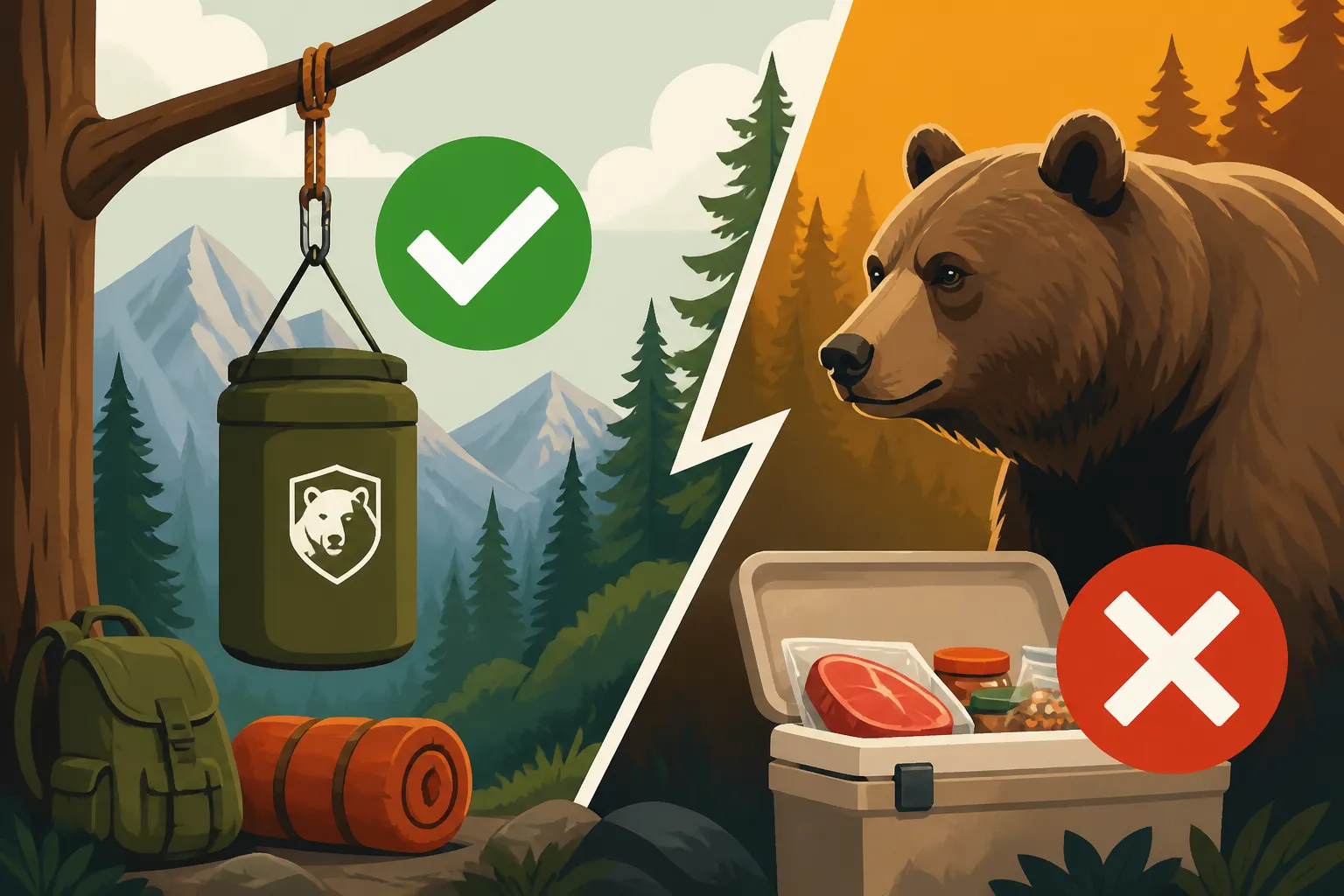
It sounds stark, but it's a harsh reality that wildlife managers face constantly. When a grizzly gets into human food, even just a little, it learns to seek out human encampments. This leads to property damage, potential confrontations, and, tragically, often results in the bear having to be removed or euthanized for public safety. It’s not the bear’s fault; it’s ours for not securing our attractants properly. You’re essentially training a wild animal to be dangerous. Think about the legacy you want to leave on the landscape, not just your hunting success. Every time you head out, you're an ambassador for the hunting community, and responsible behavior in grizzly country is paramount.
Imagine setting up a perfect spike camp after a long day of chasing Bugling Elk in Idaho's Timbered Zones. You're exhausted, the last thing you want to do is meticulously hang a bear bag. But that quick shortcut—leaving a cooler unsecured, or a bag of jerky near your tent—could be the very thing that draws a curious grizzly. Suddenly, your wilderness dream can turn into a terrifying nightmare, not only for you but for the bear who is simply following its powerful instincts.
Where Idaho's Grizzly Country Is Found
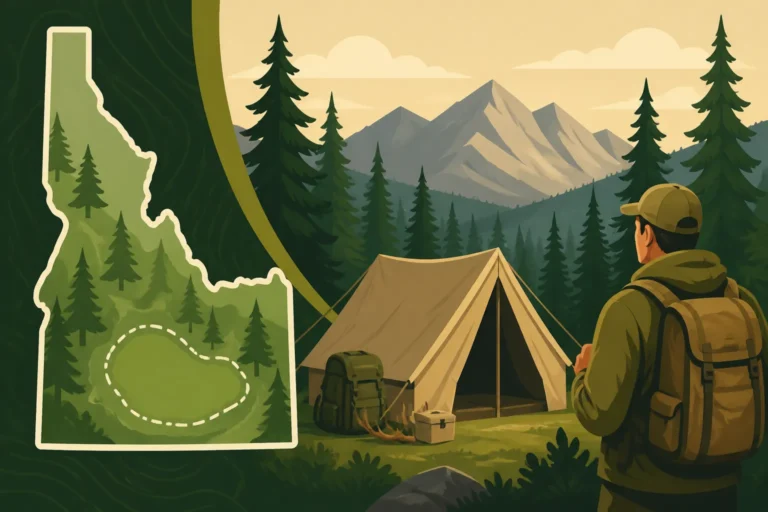
Idaho isn't all grizzly country, but significant portions of the state do have established populations or areas where grizzlies are known to roam. You're primarily looking at the northern Panhandle, specifically the Selkirk and Cabinet-Yaak ecosystems, and then the eastern part of the state, which is part of the vast Greater Yellowstone Ecosystem. These areas include units bordering Montana and Wyoming, and extend into parts of the Clearwater, Lolo, and Salmon-Challis National Forests.
It's absolutely crucial to check current maps and regulations for the specific Game Management Unit (GMU) you plan to hunt or camp in. Just because a unit isn't known for grizzlies doesn't mean one couldn't wander through. The most reliable resources will always be Idaho Fish and Game’s official publications or their excellent The Idaho Hunt Planner Is the Tool to Start With, which often has specific advisories. Understanding Where Grizzlies Overlap Idaho Hunting Units is fundamental to responsible hunting in the Gem State. Assume you're in grizzly country until you've confirmed otherwise for your specific area.
Essential Food Storage Methods in the Backcountry
Okay, so you know why it's important. Now, let's get into the how. There are several tried-and-true methods for securing your food and other attractants in grizzly country, each with its own advantages and disadvantages. Your choice will often depend on your mode of travel (backpacking, vehicle-based, guided hunt), the duration of your trip, and the specific regulations of the area you’re in.
Bear-Resistant Containers and Hard-Sided Coolers
These are often considered the gold standard for car camping or when you have the luxury of packing heavier gear. Bear-resistant containers, often certified by the Interagency Grizzly Bear Committee (IGBC), are designed specifically to withstand a grizzly’s strength, claws, and teeth. Think of them like super-tough coolers or barrels with special latches that bears can't manipulate.
- Hard-Sided Coolers: A heavy-duty, rotomolded cooler with strong latches, like those from popular outdoor brands, can be remarkably effective if it's secured properly. This means not just latching it, but potentially chaining or strapping it to a tree or your vehicle to prevent a bear from carrying it off. Even the strongest cooler can be tossed around and eventually breached if it's not anchored. They're great for storing bulkier items and keeping food cold, which is a bonus on longer trips.
- Bear Cannisters/Barrels: For backpackers, smaller, cylindrical bear canisters are mandatory in some areas and highly recommended everywhere else. They are rigid, solid containers that can be heavy and bulky, but they are incredibly effective when used correctly. The key is to pack them tightly and store them at least 100 yards from your tent, often in a relatively open area so a bear can't easily roll it into a dense thicket and work on it undisturbed.
Table: Common Food Storage Methods Compared
| Method | Best For | Pros | Cons | Key Considerations |
|---|---|---|---|---|
| IGBC-Certified Containers | Backpacking, dispersed camping | Highly effective; often mandatory in some areas | Heavy, bulky, can be expensive | Always store 100+ yards from camp. Place in open area if possible. |
| Hard-Sided, Latched Coolers | Vehicle camping, base camps | Good capacity; keeps food cold; generally durable | Not truly bear-proof unless certified/secured | Must be latched, locked, and ideally chained to a vehicle or sturdy object. Don't rely on plastic buckles. |
| Bear Bags (Hung) | Backpacking, minimalist camps | Lightweight, affordable | Requires suitable trees; can be challenging to hang well | Hang 10-12 feet high, 4-6 feet from trunk. Needs to be at least 100 yards from sleeping area. Requires practice. |
| Vehicle Storage (Hard-sided) | Car camping | Convenient; offers some protection (not foolproof) | Not bear-proof; can damage vehicle if bear attempts entry | Windows up, doors locked. Food out of sight. Keep vehicle locked. Park at least 100 yards from sleeping area if possible. |
| Outfitter Provided | Guided hunts | Convenient; professional handling; often required | Dependent on outfitter's standards | Confirm their food storage protocols beforehand. Ask about Outfitter Lodging Standards in an Idaho Camp and safety measures. |
Bear Bags and Hanging Techniques
The classic bear bag hang is a lightweight, often affordable method popular with backpackers where suitable trees are available. The goal is to suspend your food, trash, and any scented items high enough and far enough from the tree trunk that a bear cannot reach it.
- The "PCT Method" (Pacific Crest Trail Method) or Counterbalance Method: This involves throwing a line over a high, sturdy branch, attaching one food bag, pulling it up about halfway, then tying another food bag to the other end of the line and using it as a counterbalance to raise the first bag to the desired height. Both bags should be 10-12 feet off the ground and at least 4-6 feet from the tree trunk. The idea is that a bear can't reach either bag, and the bags are high enough that the bear can't jump or swat them down.
- Finding the Right Tree: This is critical. You need a strong branch, ideally 15-20 feet off the ground, that can support the weight of your food. Look for a branch that is not too thick for your throw line to slide over easily, but not so thin it will break. Avoid dead or weak branches. Sometimes, finding the perfect tree can be a challenge, especially in dense timber or areas with sparse, small trees. This is where a bear canister might be a better choice.
- Practice Makes Perfect: If you've never hung a bear bag, practice at home before your trip. It's surprisingly tricky to get it just right, especially when you're tired and the light is fading after a long day of hunting.
Car and Hard-Sided Trailer Storage
For those who are base camping or hunting from a vehicle, cars, trucks, and hard-sided trailers offer a convenient, though not entirely foolproof, option for food storage.
- Vehicle Security: Always keep windows rolled up and doors locked. While a bear can break into a vehicle, it’s much less likely if they don’t smell an obvious attractant and can’t see what’s inside. Never leave food, coolers, or scented items visible on seats. Put them in the trunk, under seats, or cover them with blankets.
- Distance is Key: If possible, park your vehicle at least 100 yards from your sleeping area. This creates a buffer zone. If a bear does decide to try to get into your vehicle, you don't want it right next to your tent. Remember Idaho's Motorized Hunting Rule Runs August Into December, which means you'll be on established roads anyway, so pick a secure spot.
- Avoid Soft-Sided Campers/Tents: Soft-sided pop-up campers, truck campers with canvas sections, or roof-top tents offer virtually no protection against a determined grizzly. Treat them like tents when it comes to food storage – all attractants must be stored in hard-sided vehicles or bear-resistant containers outside.
Specialized Backpacking Techniques
Even with bear canisters or bags, there are additional steps backpackers can take to minimize attractants and stay safe.
- Odor-Proof Bags: These special bags, often made of durable, scent-proof material, can be used inside your bear bag or canister to add an extra layer of odor control. They help contain food smells, making it harder for a bear to pinpoint your cache.
- Smaller Scale Storage: For very short trips or day hunts, you might only carry a small amount of food. Still, treat it with respect. A small food bag can be hung on a low branch (if it's not left overnight and is always within sight) or stored in a bear-resistant sack. Always remember, even a single candy bar wrapper can have enough residual scent to attract a bear.
- Personal Hygiene and Gear Cleanliness: It’s not just about the food. Think about your toothpaste, deodorant, sunscreen, and even the clothes you cooked in. These all carry scents that can attract a bear. Store them with your food or in separate odor-proof bags. Regularly clean your cooking pot and utensils, and wipe down any food wrappers before packing them out.
Beyond Food: Other Attractants and Camp Best Practices
It's easy to focus solely on food, but grizzlies are attracted to any strong scent that suggests a potential meal. This includes things you might not even consider. Adopting comprehensive "clean camp" practices is just as important as where you hang your sandwich.
Scent Control for Non-Food Items
Many items in your pack or camp that aren't technically "food" can still draw a bear in. It's crucial to think like a bear, whose sense of smell is legendary, far surpassing that of a bloodhound.
- Toiletries: Toothpaste, deodorant, lotions, bug spray, and even chapstick can have sweet or chemical scents that pique a bear's interest. Store all of these items in your bear-resistant container or bag, away from your sleeping area.
- Trash: This is a huge one. Every scrap of food packaging, every wrapper, every leftover crumb needs to be treated like a full meal. Pack out all trash, and store it with your main food supply. Consider double-bagging trash in odor-proof bags to minimize scent leakage.
- Cooking Gear: Pots, pans, and utensils that have been used to prepare food will retain odors. Clean them thoroughly immediately after use, and store them with your other attractants. Don't leave them out overnight, even if they appear clean.
- Pet Food: If you bring a hunting dog, its food is a major attractant. Store pet food in a bear-resistant manner, just like human food. And don't leave bowls of food out, especially overnight.
- Scented Medicines and Supplements: Chewable vitamins, flavored protein powders, and certain medications can also have appealing scents. Err on the side of caution and store them with your other bear-proofed items.
Camp Layout and Cooking Practices
How you set up your camp and conduct your cooking routine can significantly reduce the risk of a bear encounter. The goal is to separate scented activities and storage from your sleeping area.
- The "Bear Triangle": This is a critical concept. Visualize three points of a triangle in your camp: your sleeping area, your cooking/eating area, and your food storage area. Each point should be at least 100 yards (about 300 feet) from the others. This ensures that if a bear is attracted to your food cache or cooking smells, it's far away from where you're sleeping.
- Cooking Downwind and Away: Always cook and eat at your designated cooking area, preferably downwind from your sleeping area, so cooking odors are carried away. Avoid cooking near dense vegetation where a bear could approach undetected.
- Immediate Cleanup: As soon as you finish eating, clean up every crumb. Wash your dishes away from camp (and definitely away from any water sources) and strain food particles from wastewater, packing them out with your trash. Disperse the gray water over a wide area. Don't leave any food out, even for "just a minute."
- No Food in Tents: This is a golden rule. Absolutely no food, scented items, or even empty food wrappers should ever enter your tent. Your tent is for sleeping, and it should remain free of any attractants. This includes things like the clothes you wore while cooking. If you're on a guided Idaho elk hunt or a drop camp arrangement, your outfitter should have clear rules on this. If they don't, ask them to clarify their Bear Safety Practices in an Outfitter Camp.
Outfitter and Guide Responsibilities
If you're booking a guided hunt in Idaho's grizzly country, your outfitter and guides play a crucial role in ensuring proper food storage and overall bear safety. They are professionals with experience in these areas and should have established protocols.
- Clear Protocols: A reputable outfitter will have clear, communicated protocols for food storage, trash management, and camp hygiene in grizzly country. They should educate their clients on these rules from the moment you arrive, if not before. When researching outfitters, ask about their bear safety plan. Platforms like BookYourHunt can help you find reputable outfitters who understand the nuances of hunting in grizzly country and prioritize client safety through stringent practices.
- Provided Equipment: Many outfitters will provide bear-resistant containers for food and trash or will manage these items themselves. For instance, in horse-supported drop camps, they might use bear-proof panniers or hang food far from camp using specialized equipment.
- Education and Enforcement: Good guides will not only provide the means for safe storage but will also enforce the rules. They understand that one person's oversight can endanger everyone in camp, as well as the bear. You might find that What Outfitter Prices Almost Never Include can be things like specialized bear-resistant gear if you're not on a full-service trip, so always clarify beforehand.
Regulations and Penalties: What You Need to Know
The rules around food storage in grizzly country aren't just polite suggestions; they are often legally mandated, particularly in designated wilderness areas or certain national forests. Ignoring them can lead to serious consequences.
Official Guidelines and Enforcement
Idaho Fish and Game, in conjunction with federal land management agencies like the U.S. Forest Service and Bureau of Land Management, establishes and enforces regulations regarding bear attractants. These rules are designed to prevent conflicts between humans and bears and protect both.
- Understanding the Law: Specific regulations can vary by management unit, forest, or wilderness area. Some national parks and national forest wilderness areas might mandate IGBC-certified bear canisters for backpackers. Always consult the specific rules for the area you'll be in. Reading an Idaho Controlled Hunt Area Boundary isn't just for game species, it’s for understanding all the local regulations.
- Penalties for Non-Compliance: Violating food storage regulations can result in citations, hefty fines, and potentially even the confiscation of your equipment. More importantly, it can lead to a dangerous situation that puts human lives at risk and often results in a bear being euthanized. This is a serious offense that can permanently tarnish your hunting record. No one wants to be the hunter responsible for a bear losing its life.
- Outfitter Liability: If you are on a guided hunt, outfitters are also held to high standards. Their permits and licenses can be jeopardized if they or their clients are found in violation of bear safety regulations. This is why thorough vetting of an outfitter, perhaps through resources like GoHunt, which helps hunters research units and regulations, is so important. You want to ensure they are prioritizing safety as much as harvest success.
Why the Rules Exist and How They Protect Hunters
These rules might feel like a burden sometimes, especially after a grueling day packing out an elk quarter, but they are a fundamental part of responsible wilderness use.
- Human Safety: This is the most obvious reason. A habituated bear is a dangerous bear. By preventing bears from associating humans with food, we reduce the likelihood of aggressive encounters, charges, or attacks. Your safety, and the safety of future wilderness users, hinges on following these rules. Remember, carrying Bear Spray Against a Sidearm in Grizzly Country is also a critical part of personal safety, but prevention is always the first line of defense.
- Bear Conservation: Grizzlies are a protected species, and their populations are still recovering in many areas. Every time a bear has to be removed due to human negligence, it's a setback for conservation efforts. By keeping human food away from bears, we allow them to remain wild and avoid behaviors that lead to their demise.
- Preserving Access: If too many human-bear conflicts occur in an area, land managers may implement stricter regulations, closures, or even ban certain activities. Following food storage rules helps ensure that we can all continue to enjoy the incredible wilderness hunting opportunities Idaho offers. It's about preserving the privilege for everyone, for generations to come.
Ultimately, proper food storage in grizzly country is a non-negotiable aspect of responsible hunting and recreating. It’s a small effort with enormous implications for your safety, the bear's well-being, and the future of wilderness access. Stay informed, stay vigilant, and stay safe out there!
Disclaimer
This article is for general informational purposes only and does not constitute professional advice. Laws, prices and regulations vary by location and change over time. Consult a qualified professional for guidance on your specific situation.