Filing a Complaint Against an Idaho Outfitter
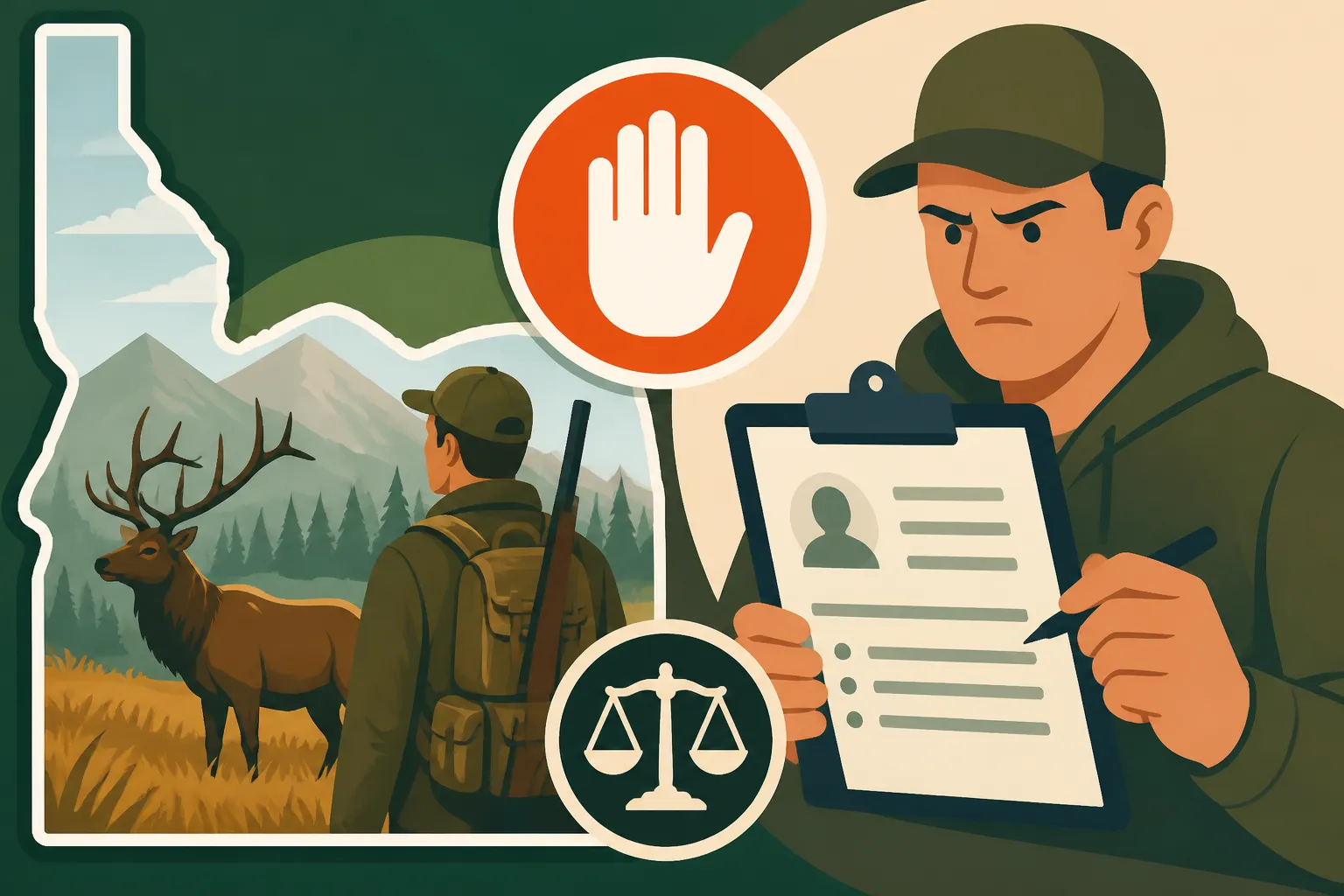
Finding yourself in a situation where a hunting trip didn't live up to expectations, or worse, felt genuinely misrepresented, can be incredibly frustrating. After all the planning, the investment, and the anticipation, a less-than-stellar experience with an outfitter can leave you feeling disappointed and even taken advantage of. This guide is here to walk you through the proper channels and steps for filing a complaint against an Idaho outfitter, helping you understand your options and what to expect from the process.
Understanding What Constitutes a Valid Complaint
Before you even think about putting pen to paper or hitting send on an email, it's crucial to understand what the Idaho Outfitters and Guides Licensing Board (IOGLB) considers a legitimate complaint. Not every little gripe or disappointment rises to the level of official misconduct. They're there to address breaches of contract, safety violations, or misrepresentation, not necessarily buyer's remorse because the elk weren't bugling on cue.
Differentiating Between Disappointment and Misconduct
It's a tough pill to swallow when a hunt doesn't pan out, especially for a nonresident who has invested so much to come out to the Gem State. Maybe the weather turned sour, the animals were scarce, or you simply didn't connect. These are often factors outside an outfitter's control, and while disappointing, they don't usually constitute grounds for a formal complaint. The IOGLB isn't a guaranteed success rate agency. Their focus is on the outfitter's conduct and adherence to regulations and the agreed-upon services.
However, if an outfitter explicitly promised something in writing or verbally that was not delivered, or if their actions fell short of ethical and legal standards, that's a different story. For example, if they advertised a "fully guided" hunt but you spent most days alone, or if safety protocols were clearly ignored, those are concerns. It's about a failure to deliver on promised services or a violation of professional conduct, not just the absence of a trophy animal.
Common Grounds for Filing a Complaint
The IOGLB typically investigates complaints related to specific types of alleged misconduct or contract violations. These can range from significant safety issues to blatant misrepresentation of services. It's not always easy to tell the difference when emotions are high, but generally, valid complaints fall into categories where the outfitter had direct control or responsibility.
For instance, if you were promised an exclusive hunting area, but found other parties from the same outfitter or even the outfitter themselves hunting it, that could be misrepresentation. Safety issues, such as unsafe equipment, negligent handling of firearms, or guides operating under the influence, are grave concerns that the IOGLB takes very seriously. Additionally, if the outfitter engaged in illegal hunting practices or employed unlicensed guides, these are clear violations that warrant investigation. Remember, every Idaho guide works under a licensed outfitter, so proper licensing is fundamental.
The Role of the Idaho Outfitters and Guides Licensing Board
The Idaho Outfitters and Guides Licensing Board (IOGLB) is the governing body responsible for regulating and overseeing the outfitting and guiding industry within Idaho. They're not just there to hand out licenses; they're also tasked with ensuring that outfitters and guides operate ethically, safely, and in compliance with state laws.
What the Licensing Board Actually Regulates
The IOGLB's primary mission is consumer protection and maintaining the integrity of Idaho's outdoor recreation industry. This means they set standards for licensure, ensuring that outfitters and guides meet specific experience, insurance, and safety requirements. They regulate aspects like the types of services offered, the qualifications of guides, and general business conduct. For instance, the board requires specific horsemanship knowledge guides must demonstrate if they lead equestrian trips. They also ensure compliance with Forest Service or BLM special use permits, which dictate where and how outfitters can operate on public lands.
What they generally don't regulate is the "quality" of your hunting experience in terms of harvest success or weather conditions. Their jurisdiction is about professional conduct, adherence to Idaho law, and fulfilling the terms of the service contract. If an outfitter promises a "guaranteed" elk hunt, but then fails to deliver (which, by the way, no ethical outfitter can ever truly guarantee), the board would look into whether that promise constituted false advertising or misrepresentation, rather than just the lack of an elk. You can always check with them to verify an outfitter's license, which is a smart first step when vetting outfitters.
Limitations of the IOGLB's Authority
It’s important to understand that while the IOGLB has significant authority over licensing and conduct, their power isn't limitless. They can't force an outfitter to refund your money directly; that typically requires civil action in court. Their actions generally involve disciplinary measures against the outfitter's license, such as suspension, revocation, or fines. These actions are meant to penalize misconduct and protect future consumers, but they might not directly compensate you for your losses.
They also can't intervene in minor disputes that don't involve a clear violation of state statutes or IOGLB rules. For example, a disagreement over the exact meal plan on a fully guided Idaho elk hunt unless it's a blatant breach of contract listed in writing, might not be something they'll investigate. Their process is formal and administrative, focused on regulatory compliance rather than mediating every customer service issue. This understanding helps manage expectations about the outcome of filing a complaint.
The Complaint Filing Process, Step by Step
So, you've decided your situation warrants a formal complaint. Good for you for taking action. The process can seem daunting, but breaking it down into manageable steps makes it much clearer. The IOGLB has a pretty structured way of handling these things to ensure fairness to all parties.
Gathering Your Evidence and Documentation
The strongest complaints are backed by solid evidence. Before you even contact the IOGLB, collect every piece of information relevant to your experience. This includes copies of your signed contract with the outfitter, any brochures or advertisements you relied on when booking (perhaps you found them on a site like BookYourHunt or GoHunt), emails, text messages, and call logs. If you took photos or videos of unsafe conditions or specific issues, those are incredibly valuable.
Also, compile a detailed written account of what happened, in chronological order. Be objective and stick to the facts, avoiding emotional language. Include specific dates, times, names of individuals involved, and what exactly transpired. If there were witnesses, get their contact information and, if possible, a written statement from them. The more organized and thorough your documentation, the easier it will be for the IOGLB to understand and investigate your claim.
Submitting Your Formal Complaint
Once you've got all your ducks in a row, it's time to officially submit your complaint to the IOGLB. Their website typically has a dedicated section for complaints, often with specific forms to fill out. These forms will ask for your contact information, the outfitter's details, a summary of your complaint, and a list of the supporting documents you're providing.
Be sure to fill out all sections accurately and completely. Don't leave anything out that might be relevant, even if it seems minor. Attach all your compiled evidence. It’s usually best to send everything in a single, organized package, whether electronically or via mail, so the board has a comprehensive view from the start. Once submitted, you'll generally receive an acknowledgment that your complaint has been received and is being reviewed.
What Happens After You File an Outfitter Complaint
Filing the complaint is just the first step. The IOGLB process is designed to be thorough, which means it can take some time. Understanding the subsequent stages will help you manage your expectations.
Investigation and Review by the Board
After receiving your complaint, the IOGLB staff will conduct an initial review to determine if it falls within their jurisdiction and if there's enough credible information to warrant a full investigation. If it proceeds, they will typically notify the outfitter of the complaint and provide them with an opportunity to respond to the allegations. This is often the point where the outfitter might provide their own documentation or perspective on the events.
The board's investigators might then gather more information, which could include interviewing you, the outfitter, guides, or any witnesses. They'll scrutinize contracts, advertisements, and any other relevant materials. This investigative phase is crucial for them to get a complete picture of the situation and determine if any rules or laws were violated. It's not a quick process, so patience is definitely a virtue here.
Potential Outcomes and Disciplinary Actions
Based on their investigation, the IOGLB will make a determination. If they find that the outfitter acted in violation of regulations or statutes, they have several disciplinary tools at their disposal. The outcomes aren't always about direct compensation for you, but rather about regulating the industry.
Possible disciplinary actions include:
| Disciplinary Action | Description | Impact on Outfitter | Impact on Complainant |
|---|---|---|---|
| Letter of Warning | A formal notice advising the outfitter to cease and desist from certain practices or actions. | Minor official reprimand, often for less severe infractions. | No direct financial compensation, but acknowledges the complaint's validity. |
| Monetary Fine | A financial penalty assessed against the outfitter. | Direct financial penalty; amount varies based on severity. | No direct compensation for the complainant, but funds may go to state. |
| Mandatory Training/Education | Requiring the outfitter or guides to complete specific training programs. | Addresses knowledge gaps or specific misconduct areas. | No direct compensation, aims to improve future service quality. |
| Probation | The outfitter's license remains active but is subject to specific conditions or oversight for a set period. | Operates under strict conditions; failure to comply leads to further action. | No direct compensation, but indicates board is actively monitoring outfitter. |
| Suspension of License | The outfitter's license is temporarily revoked for a specified period. | Cannot legally operate as an outfitter during the suspension. | No direct compensation, but prevents the outfitter from operating. |
| Revocation of License | The outfitter's license is permanently cancelled. | Cannot ever legally operate as an outfitter in Idaho again. | Strongest action against outfitter, ensures they can't harm others. |
It’s rare for the IOGLB to directly order a refund, as that is typically a civil matter. However, a successful complaint that results in disciplinary action sends a clear message and can save future hunters from similar experiences. This is an important step in maintaining the integrity of hunting in Idaho, whether you're considering Total Cost of a Nonresident Idaho Elk Hunt or a simple deer hunt.
Important Considerations for Hunters
Navigating a complaint process can be emotionally taxing and time-consuming. There are several things you should keep in mind as you embark on this journey, from managing your expectations to understanding the timeline.
Managing Expectations for the Outcome
It’s absolutely critical to go into this process with realistic expectations. As mentioned, the IOGLB's primary role is regulatory, not as a consumer court to award damages. While a favorable ruling might lead to disciplinary action against the outfitter, it's highly unlikely that the board will facilitate a direct refund or compensation for your financial losses. For that, you would generally need to pursue a separate civil lawsuit.
The satisfaction from filing a successful complaint often comes from knowing you've helped hold an outfitter accountable and potentially prevented future hunters from having a similar negative experience. This can be a powerful motivator, especially if you felt genuinely wronged. Don't expect a quick resolution or a check in the mail, but do expect a fair and thorough investigation within the board's purview.
Understanding the Timeline
Administrative processes, especially those involving investigations and formal hearings, are rarely fast. The timeline from filing your complaint to a final resolution can vary significantly, depending on the complexity of the case, the amount of evidence, the responsiveness of all parties, and the IOGLB's meeting schedule. It could take several months, or even longer, for a final decision to be reached.
During this time, it's important to remain patient and responsive to any requests for information from the IOGLB. Avoid repeatedly contacting them for updates unless you have new, pertinent information to provide. They will contact you when there's progress or if they need more details. This isn't like an instant gratification online purchase; it's a formal regulatory process.
The Value of Prevention
While knowing how to file a complaint is important, the best scenario is to never need to. Prevention is truly the best medicine when it comes to booking an outfitter. This means doing your homework diligently before you ever send a deposit. Start by asking a lot of Questions to Ask an Idaho Outfitter during your initial conversations.
Always verify an outfitter’s license with the IOGLB directly. Don't just take their word for it. Read through every word of the contract before signing, paying close attention to Deposits and Cancellation Terms, what's included, and what's explicitly not included. Check references, not just the ones the outfitter provides, but also independent reviews on platforms like BookYourHunt or GoHunt. Be on the lookout for Red Flags When Booking a Hunt, such as vague promises, pressure tactics, or a lack of transparency regarding costs or services. A little extra effort upfront can save you a world of headache and disappointment down the road, ensuring your Idaho hunting adventure is memorable for all the right reasons.
Disclaimer
This article is for general informational purposes only and does not constitute professional advice. Laws, prices and regulations vary by location and change over time. Consult a qualified professional for guidance on your specific situation.